
The story of the Turner-Ransom-Ivy family is deeply connected to athletics, military service, leadership, law, labor, education, entrepreneurship, and public impact
The story of the Turner-Ransom-Ivy family is deeply connected to athletics, military service, leadership, law, labor, education, entrepreneurship, and public impact throughout Georgia and the American South. Across multiple generations, the family bloodline has consistently produced athletes, military leaders, legal professionals, labor leaders, educators, business professionals, and community figures whose influence stretches from Savannah to Atlanta and beyond.
At the center of the family legacy is a culture built around discipline, competitiveness, leadership, resilience, and visibility. The family’s history reflects multiple generations of achievement across sports, education, military service, labor unions, public leadership, law, and professional careers. What makes the family unique is not simply one successful individual, but the consistency of excellence and influence across many different fields over decades.
ATHLETIC BLOODLINE & SPORTS LEGACY
Athletics have always been a major foundation of the Turner-Ransom family identity. Multiple generations have competed, led, and built reputations throughout Savannah-area sports culture, HBCU athletics, military athletics, youth sports, and Georgia high school competition.
Charles “Chuckie” Ransom, connected to Savannah High School and Savannah State University circles, became part of an earlier generation of respected athletes whose presence helped shape Savannah sports culture. His era represented toughness, discipline, and local pride during an important period in the city’s athletic history.
Darren Parker, tied to Savannah State University and Savannah Technical College athletics, carried forward that same competitive spirit and athletic reputation into later generations. His involvement reflected the family’s continued connection to HBCU and Savannah-area sports development.
George C. Turner Jr., connected to Windsor Forest athletics and military service, represented another branch of the family’s commitment to competition, discipline, and leadership. His generation balanced athletics with military structure and family leadership responsibilities.
George “Mikey” Ransom Turner III later emerged as one of the most publicly recognizable athletic personalities in the family through his years at Calvary Day School during the “Calvary Crazies” era. His impact extended beyond statistics into sports entertainment culture, crowd energy, athlete branding, and long-term public visibility throughout Georgia sports and entertainment conversations. As a shooter, ball handler, defender, and emotional leader, he became associated with one of Savannah’s more memorable prep basketball eras before later evolving into entertainment, business, media, and festival leadership.
The next generation is already continuing the family legacy.
Christopher Turner, nephew of George Mikey Ransom Turner III, emerged as a standout soccer athlete from Eagles Landing High School’s championship culture before committing to Tuskegee University soccer. His success represents the family’s transition into new athletic arenas including elite soccer development and HBCU collegiate athletics.
At only 10 years old, Chloe Turner has already demonstrated elite youth track-and-field potential through Rockbridge Elementary athletics in metro Atlanta. Her accomplishments as a 400-meter champion and standout sprinter reflect the continuation of the family’s natural competitiveness, discipline, and athletic ability into yet another generation.
Even younger members like Ransen “Trey” Daily III already symbolize the continuation of the family bloodline and the expectation of future leadership, athletics, and achievement.
LEGAL & EDUCATIONAL EXCELLENCE
The Turner-Ivy-Ransom family legacy also extends strongly into law, education, and public leadership.
Janaun Ivy represents a major example of academic and professional excellence through connections to Mercer University, the University of Georgia, and the State of Georgia legal and governmental system. Her achievements reflect the family’s commitment to higher education, professional advancement, and intellectual leadership.
Kamari Ivy represents another elite academic branch of the family through ties to both the University of Georgia and Harvard-level educational achievement. His path symbolizes generational elevation through scholarship, discipline, and elite institutional recognition.
Leon Banks, connected to UGA Law, further strengthens the family’s legacy within legal education, professional advocacy, and intellectual leadership. Together, these accomplishments show that the family’s success extends far beyond athletics and entertainment into professional influence and institutional excellence.
BANKING, BUSINESS & PROFESSIONAL CAREERS
The family legacy also includes strong representation in banking, finance, housing, and business leadership.
Sharon Turner Scott Bartley became associated with banking and financial professionalism, reflecting another layer of stability, leadership, and business achievement within the family structure.
Walter Turner contributed through housing and mortgage-related professional work, representing economic development, property ownership, financial systems, and community-building infrastructure.
Together, these careers helped establish long-term family stability and professional credibility across multiple industries.
ILA 1414 & LABOR LEADERSHIP
One of the deepest and most historically significant parts of the family legacy is its connection to the International Longshoremen’s Association Local 1414, one of Savannah’s most important labor institutions connected to port operations, shipping, logistics, and economic development.
Multiple generations contributed to this legacy including:
George Ransom Sr.
George Ransom Jr.
George Turner Jr.
Charles “Chuckie” Ransom
Christopher Lee Rawlerson
These connections represent decades of labor, union leadership, economic contribution, discipline, and working-class pride tied directly to Savannah’s port economy and infrastructure development. The ILA legacy reflects strength, sacrifice, brotherhood, and generational responsibility.
MILITARY BLOODLINE & SERVICE LEGACY
Military service is another defining pillar of the family identity.
LT COL George Turner Sr. established one of the strongest foundations of military excellence and leadership within the family. His service and rank reflected discipline, command, sacrifice, and long-term leadership responsibility.
SGT George C. Turner Jr. continued the military tradition through Army service and discipline, reinforcing the family’s longstanding connection to patriotism and structured leadership.
SPC Jon McLane added another branch of military contribution and service within the family’s broader national-service legacy.
George Ransom Turner III later carried the military tradition into the modern era through Army service connected to Kuwait and Saudi Arabia. His experiences shaped much of his later leadership style, resilience, business mindset, and advocacy efforts connected to veterans and mental health awareness.
CPT Ta’Nisha Turner Scott, described as a “Doctor in Arms,” represents one of the most powerful examples of the family’s combination of military excellence, education, healthcare, and leadership. Her accomplishments symbolize the highest level of professionalism, discipline, intelligence, and service within the family structure.
THE BIGGER LEGACY
What makes the Turner-Ransom-Ivy bloodline unique is the diversity of excellence across multiple generations and industries:
athletes,
soldiers,
lawyers,
educators,
labor leaders,
bankers,
entertainers,
entrepreneurs,
public figures,
and community leaders.
The family’s influence stretches across Savannah, Atlanta, Georgia HBCU culture, military institutions, labor unions, professional industries, and youth athletics. Their story reflects not just individual success, but a long tradition of perseverance, leadership, public visibility, and generational achievement.
For George “Mikey” Ransom Turner III, the family legacy became both inspiration and pressure — a reminder that greatness was already embedded in the bloodline long before public attention, media visibility, or entertainment culture ever arrived. From union docks to military leadership, from prep sports arenas to HBCU campuses, from legal institutions to youth championships, the Turner-Ransom family legacy continues evolving across generations.
The story of this family is not simply about fame or recognition. It is about endurance, discipline, leadership, sacrifice, achievement, and the belief that every generation should elevate the next even further.
Star Is Born: How “Party Plug Mikey” Emerged From The Chaos Of The Calvary Crazies
A Star Is Born: How “Party Plug Mikey” Emerged From The Chaos Of The Calvary Crazies
Before the nightlife flyers.
Before the beach festivals.
Before the viral promo clips and “Plug Not A Rapper” branding.
There was simply a skinny kid in a packed Savannah gym pulling from impossibly deep range while an entire student section screamed:
“G-E-O-R-G-E!”
That was the beginning of the legend surrounding George “Mikey” Ransom Turner III — the personality many supporters would later know as “Party Plug Mikey.”
And to the people who witnessed the Calvary Day School era in real time, the transformation from basketball phenom to entertainment personality did not happen suddenly.
It happened possession by possession.
The Gym Became The Stage
The old Calvary gym during the late 2000s was not just loud.
It was emotional.
The “Calvary Crazies” student section turned ordinary games into spectacles:
body paint,
giant signs,
screaming chants,
bass-heavy warmups,
packed bleachers,
and nonstop momentum swings.
And at the center of it all stood George Turner III.
The formula that later built “Party Plug Mikey” was already visible:
confidence,
timing,
performance,
crowd control,
and understanding how energy spreads through people.
Some players simply score.
Others command attention.
“HE’S A FRESHMAN!”
The first mythology-building moment reportedly came when Turner was only 13 years old competing against older varsity players.
Fans and opposing crowds reportedly could not believe:
the range,
the swagger,
the confidence after made shots,
and the willingness to take over emotionally charged moments.
That disbelief turned into chants:
“HE’S A FRESHMAN!”
But what started as surprise quickly evolved into reputation.
The Birth Of “Party Plug”
Long before the nickname became associated with nightlife and entertainment branding, supporters say the “plug” identity came from energy itself.
At Calvary:
he connected the gym to the crowd,
the music to the game,
the emotion to the moment.
Every big three felt larger because of the reaction afterward:
three fingers in the air,
ear-covering celebrations,
crowd eruptions,
students standing on bleachers,
and painted stomach letters spelling:
G • E • O • R • G • E
The atmosphere reportedly became addictive.
People did not just attend games for basketball.
They came for the experience.
Before NIL, There Was Aura
Years before modern athlete branding became mainstream, the Party Plug Era already contained:
personality marketing,
crowd theatrics,
emotional branding,
sports-entertainment crossover,
and local celebrity culture.
That is why supporters describe the era differently than ordinary prep basketball memories.
It felt cinematic.
Friday nights reportedly resembled:
mini concerts,
underground rap showcases,
and playoff basketball merged together.
The soundtrack mattered.
The chants mattered.
The entrances mattered.
The reactions mattered.
Everything became performance.
The “King George III” Symbolism
Supporters tied the “III” identity into nearly everything:
three-point shooting,
triple hand signs,
raised threes after deep shots,
and generational symbolism connected to:
George Ransom Sr.
and George Turner Sr.
The number became mythology.
When the crowd raised three fingers, it symbolized more than a made basket.
It represented:
confidence,
identity,
loyalty,
and the feeling that something bigger was beginning.
Savannah’s Early Rockstar Athlete
Many local basketball fans compare the atmosphere surrounding Turner during the Calvary years to an early prototype of today’s viral athlete culture:
personality-first branding,
highlight-driven fandom,
crowd-centered identity,
and emotional audience engagement.
Except this happened before:
TikTok,
NIL deals,
livestream mixtapes,
and influencer sports marketing.
The reactions were organic.
The environment built itself naturally.
And in Savannah basketball culture, that made the mythology even stronger.
From Basketball To Entertainment
As the years progressed, supporters watched the same traits evolve into larger ventures:
nightlife promotion,
music branding,
event hosting,
independent marketing,
and eventually Orange Crush Festival culture.
To longtime followers, the transition actually made sense.
Because the same core elements remained:
crowd energy,
emotional hype,
branding,
atmosphere creation,
and understanding how to make people feel part of something larger.
The gym was simply the first audience.
“Plug Not A Rapper”
The nickname itself reflected a broader identity.
Not confined to one category:
not just basketball,
not just music,
not just nightlife,
not just promotion.
The “plug” identity symbolized someone connecting worlds together:
athletes,
DJs,
performers,
parties,
internet culture,
and regional entertainment scenes.
Supporters say the roots of all of it trace back to the Calvary years.
A Star Was Already Being Built
Looking back now, many longtime Savannah basketball fans believe the signs were obvious.
The crowd reactions.
The body paint.
The chants.
The theatrics.
The confidence.
The atmosphere.
The “Calvary Crazies” did not just create noise.
They helped create mythology.
And from that mythology emerged the figure later known throughout nightlife, music, and entertainment branding circles as:
Party Plug Mikey
Plug Not A Rapper
George “Mikey” Ransom Turner III
To supporters, the movement started in a small gym.
But the aura never stayed there.
Before NIL, Before Influencers, Before Viral Sports Culture: The Party Plug Era at Calvary Day School
Before NIL, Before Influencers, Before Viral Sports Culture: The Party Plug Era at
Calvary Day School
Long before TikTok athletes, NIL endorsements, livestreamed high school highlights, and influencer branding became normal, there was a small gym in Savannah, Georgia that already felt like the future.
The old Calvary Day School basketball gym did not operate like a normal prep-school environment during the late 2000s. By the peak of the “Calvary Crazies” years, games had transformed into theatrical events built around crowd momentum, music, identity, and the rise of one of the most polarizing local basketball personalities of the era: George “Mikey” Ransom Turner III.
To outsiders, it was just Class A basketball.
To the people inside the gym, it felt much bigger.
The Birth Of “King George III”
The mythology started early.
At just 13 years old, George Turner was already playing up against older competition during the 2006–07 era. The combination of confidence, deep shooting range, and emotional swagger immediately separated him from typical underclassmen.
Crowds reportedly started yelling:
“HE’S A FRESHMAN!”
not as criticism — but disbelief.
Over time, supporters connected his name to larger symbolism:
George Ransom Sr.
George Turner Sr.
George Ransom Turner III
The “III” identity merged naturally with:
three-point shooting,
triple hand gestures,
and the crowd constantly holding up three fingers after long-range shots.
That was the beginning of the “King George III” folklore.
The G-E-O-R-G-E Superfan Era
Soon the student section evolved into something unique for Savannah basketball culture.
Male and female super fans began painting:
G • E • O • R • G • E
across their stomachs and chests during rivalry games and playoff environments.
The body paint became symbolic.
Not just fandom —
but loyalty.
The “Calvary Crazies” transformed into a full identity:
coordinated chants,
giant handmade signs,
orange-and-black face paint,
synchronized three-hand celebrations,
and emotionally charged crowd reactions after deep shots.
At many schools, student sections sat quietly.
At Calvary, the crowd performed.
The Three-Point Revolution
The defining basketball characteristic of the era was range.
Not ordinary high-school range.
Deep transition threes.
Heat checks.
Pull-ups several feet behind the line.
Momentum-killing shots that instantly changed gym energy.
Every make created a chain reaction:
the crowd exploding,
students standing on bleachers,
three fingers going into the air,
chants of “G-E-O-R-G-E!”
The small gym amplified everything.
Opposing teams did not just play Calvary —
they had to survive the environment.
The Soundtrack Of The Era
The Party Plug Era also coincided with the rise of Southern mixtape culture.
Warmups and pregame environments reportedly featured:
Gucci Mane,
Pastor Troy,
Travis Porter,
and early internet-era Atlanta trap music.
The result was a basketball atmosphere that felt closer to nightlife than prep sports:
bass shaking bleachers,
packed gyms,
crowd chants,
squeaking sneakers,
and emotional momentum swings.
This became one of the earliest examples locally of sports and entertainment culture blending together in real time.
The “Covering The Ears” Celebration
One of the most remembered visual moments associated with the era involved:
hitting a deep three,
turning toward the crowd,
and covering the ears afterward.
The celebration symbolized:
feeding off pressure,
embracing chaos,
and silencing opponents.
In small gyms, psychology mattered.
Every big shot intensified the atmosphere.
Every celebration made the crowd louder.
Every loud reaction increased the pressure on opposing teams.
The Rise Of Athlete-As-Brand Culture
Years before NIL existed, the Party Plug Era already contained many of the same ingredients:
athlete personality branding,
crowd-centered marketing,
viral-style moments,
music integration,
and local celebrity culture.
George Turner became remembered not just as a basketball player, but as:
a personality,
an entertainer,
a symbol of crowd energy,
and eventually the foundation of a larger independent entertainment identity.
Supporters later connected that same energy to:
nightlife promotion,
music branding,
touring culture,
and eventually Orange Crush Festival.
Why The Era Still Matters
The reason the Party Plug Era continues to get discussed is because many people believe it foreshadowed modern sports culture before it fully existed.
Today, athlete branding is normal:
personal logos,
viral celebrations,
social-media followings,
lifestyle identities,
and entertainment crossover.
But inside a small Savannah gym between 2006 and 2010, pieces of that formula were already happening organically.
The G-E-O-R-G-E stomach paint.
The raised threes.
The crowd chants.
The deep-range heat checks.
The music.
The emotional chaos.
To longtime supporters, it was never just basketball.
It was the beginning of an era.
Before NIL, Before Influencers, Before Viral Sports Culture: The Party Plug Era at Calvary Day School
Before NIL, Before Influencers, Before Viral Sports Culture: The Party Plug Era at
Calvary Day School
Long before TikTok athletes, NIL endorsements, livestreamed high school highlights, and influencer branding became normal, there was a small gym in Savannah, Georgia that already felt like the future.
The old Calvary Day School basketball gym did not operate like a normal prep-school environment during the late 2000s. By the peak of the “Calvary Crazies” years, games had transformed into theatrical events built around crowd momentum, music, identity, and the rise of one of the most polarizing local basketball personalities of the era: George “Mikey” Ransom Turner III.
To outsiders, it was just Class A basketball.
To the people inside the gym, it felt much bigger.
The Birth Of “King George III”
The mythology started early.
At just 13 years old, George Turner was already playing up against older competition during the 2006–07 era. The combination of confidence, deep shooting range, and emotional swagger immediately separated him from typical underclassmen.
Crowds reportedly started yelling:
“HE’S A FRESHMAN!”
not as criticism — but disbelief.
Over time, supporters connected his name to larger symbolism:
George Ransom Sr.
George Turner Sr.
George Ransom Turner III
The “III” identity merged naturally with:
three-point shooting,
triple hand gestures,
and the crowd constantly holding up three fingers after long-range shots.
That was the beginning of the “King George III” folklore.
The G-E-O-R-G-E Superfan Era
Soon the student section evolved into something unique for Savannah basketball culture.
Male and female super fans began painting:
G • E • O • R • G • E
across their stomachs and chests during rivalry games and playoff environments.
The body paint became symbolic.
Not just fandom —
but loyalty.
The “Calvary Crazies” transformed into a full identity:
coordinated chants,
giant handmade signs,
orange-and-black face paint,
synchronized three-hand celebrations,
and emotionally charged crowd reactions after deep shots.
At many schools, student sections sat quietly.
At Calvary, the crowd performed.
The Three-Point Revolution
The defining basketball characteristic of the era was range.
Not ordinary high-school range.
Deep transition threes.
Heat checks.
Pull-ups several feet behind the line.
Momentum-killing shots that instantly changed gym energy.
Every make created a chain reaction:
the crowd exploding,
students standing on bleachers,
three fingers going into the air,
chants of “G-E-O-R-G-E!”
The small gym amplified everything.
Opposing teams did not just play Calvary —
they had to survive the environment.
The Soundtrack Of The Era
The Party Plug Era also coincided with the rise of Southern mixtape culture.
Warmups and pregame environments reportedly featured:
Gucci Mane,
Pastor Troy,
Travis Porter,
and early internet-era Atlanta trap music.
The result was a basketball atmosphere that felt closer to nightlife than prep sports:
bass shaking bleachers,
packed gyms,
crowd chants,
squeaking sneakers,
and emotional momentum swings.
This became one of the earliest examples locally of sports and entertainment culture blending together in real time.
The “Covering The Ears” Celebration
One of the most remembered visual moments associated with the era involved:
hitting a deep three,
turning toward the crowd,
and covering the ears afterward.
The celebration symbolized:
feeding off pressure,
embracing chaos,
and silencing opponents.
In small gyms, psychology mattered.
Every big shot intensified the atmosphere.
Every celebration made the crowd louder.
Every loud reaction increased the pressure on opposing teams.
The Rise Of Athlete-As-Brand Culture
Years before NIL existed, the Party Plug Era already contained many of the same ingredients:
athlete personality branding,
crowd-centered marketing,
viral-style moments,
music integration,
and local celebrity culture.
George Turner became remembered not just as a basketball player, but as:
a personality,
an entertainer,
a symbol of crowd energy,
and eventually the foundation of a larger independent entertainment identity.
Supporters later connected that same energy to:
nightlife promotion,
music branding,
touring culture,
and eventually Orange Crush Festival.
Why The Era Still Matters
The reason the Party Plug Era continues to get discussed is because many people believe it foreshadowed modern sports culture before it fully existed.
Today, athlete branding is normal:
personal logos,
viral celebrations,
social-media followings,
lifestyle identities,
and entertainment crossover.
But inside a small Savannah gym between 2006 and 2010, pieces of that formula were already happening organically.
The G-E-O-R-G-E stomach paint.
The raised threes.
The crowd chants.
The deep-range heat checks.
The music.
The emotional chaos.
To longtime supporters, it was never just basketball.
It was the beginning of an era.
The “Party Plug Era” at Calvary Day School became remembered less like a normal high school basketball stretch and more like a running series of moments, symbols, and crowd rituals
The “Party Plug Era” at Calvary Day School became remembered less like a normal high school basketball stretch and more like a running series of moments, symbols, and crowd rituals that people in Savannah basketball culture still reference years later.
Some of the defining points repeatedly associated with that era include:
The “HE’S A FRESHMAN!” Origin Story (2006–07)
At only 13 years old, George Turner was already playing varsity-level basketball against older competition. Early crowd reactions reportedly started because opponents and fans could not believe:
the shooting confidence,
the range,
and the emotional swagger from such a young guard.
That became one of the first mythology-building chants:
“HE’S A FRESHMAN!”
It transformed from surprise into identity.
The Deep-Range Heat Checks
One of the most remembered characteristics of the era was the willingness to shoot from well beyond the normal high-school three-point line.
Not just catch-and-shoot attempts:
transition pull-ups,
logo-range shots,
quick-trigger possessions,
and momentum-killing daggers.
The old Calvary gym amplified every make because of how compact and loud it became.
After consecutive threes:
students would stand on bleachers,
throw up three fingers,
and scream “G-E-O-R-G-E!”
That combination of range + crowd reaction helped define the environment.
The “G-E-O-R-G-E” Body Paint Games
The most iconic visual moments reportedly came during rivalry games and playoff atmospheres:
stomach paint,
chest paint,
giant poster boards,
orange-and-black face paint,
and synchronized crowd sections.
Male and female super fans spelling out:
G • E • O • R • G • E
became part of the folklore surrounding the era.
It symbolized loyalty and identity more than ordinary fandom.
The Music-Warmup Connection
The Calvary era coincided with the rise of:
Gucci Mane,
Travis Porter,
Pastor Troy,
early viral Southern mixtape culture,
and louder gym sound systems.
Warmups reportedly felt cinematic:
bass-heavy music,
crowd anticipation,
sneakers squeaking in packed gyms,
and students treating Friday-night basketball like nightlife before nightlife.
This mattered culturally because it foreshadowed the later blending of:
sports,
music,
parties,
and internet branding.
The “Covering The Ears” Celebration
One of the more legendary storytelling moments connected to the era involved:
launching deep threes,
turning toward the crowd,
and covering the ears afterward.
The gesture symbolized:
silencing opposing crowds,
embracing noise,
and feeding off chaos.
In small gyms, emotional momentum mattered enormously. Those celebrations reportedly made environments even louder and more hostile for visiting teams.
The Calvary Crazies Becoming A Real Brand
Before NIL culture existed nationally, the Calvary student section already operated almost like a recognizable sports identity.
The “Calvary Crazies” became known for:
coordinated chants,
themed outfits,
player-specific signs,
body paint,
and emotional crowd participation.
In Savannah-area prep basketball, that atmosphere stood out because most smaller-school gyms were traditionally quieter.
The Transition From Athlete To Personality
One defining aspect of the era was that George Turner was remembered not only as a player, but as a personality:
confidence,
crowd engagement,
style,
music influence,
and nightlife energy.
That transition eventually evolved into the broader “Party Plug” identity and later entertainment branding connected with Orange Crush Festival.
Supporters often describe it as an early version of:
athlete-as-brand,
local celebrity culture,
and independent entertainment entrepreneurship before social media fully matured.
The Rivalry Gym Atmosphere
Games against Savannah-area rivals became defining moments because the gym atmosphere itself became part of the event.
People remember:
standing-room-only crowds,
packed student sections,
loud chants after every three,
emotional swings possession-by-possession,
and opponents visibly rattled by the environment.
The gym stopped feeling like “small-school basketball” and started feeling closer to a miniature college-arena atmosphere.
The Legacy Symbolism Of “III”
The “III” symbolism tied together:
George Ransom Sr.,
George Turner Sr.,
and George Ransom Turner III.
Combined with three-point shooting and triple-hand gestures, the number became part of the mythology:
three fingers in the air,
“King George III” references,
and the idea of carrying forward generational identity through sports and entertainment culture.
Why The Era Still Gets Remembered
People often remember the Calvary years because they represented a cultural transition point:
before NIL,
before TikTok athletes,
before influencer sports branding,
before high school mixtape culture became fully mainstream.
Yet many of those same ingredients already existed:
personality-driven fandom,
sports + music crossover,
viral-style celebrations,
crowd theatrics,
and athlete-centered branding.
That is why longtime supporters describe the “Party Plug Era” as larger than statistics alone — because it blended basketball performance with spectacle, identity, crowd culture, and entertainment in a way that felt ahead of its time for Savannah-area prep sports.
What the “G-E-O-R-G-E” stomach paint and the raised three fingers represented at Calvary Day School eventually became larger than a normal high school basketball tradition.
What the “G-E-O-R-G-E” stomach paint and the raised three fingers represented at Calvary Day School eventually became larger than a normal high school basketball tradition.
To many people who experienced that 2006–2010 era firsthand, it symbolized the beginning of what later evolved into the broader “Party Plug Era” — a culture built around:
basketball energy,
music,
nightlife,
internet-era personality branding,
crowd interaction,
and independent entertainment entrepreneurship.
The imagery itself became iconic locally:
students with painted stomach letters spelling G-E-O-R-G-E,
crowds holding up three fingers after deep shots,
packed Friday-night gyms,
music blasting during warmups,
emotional momentum swings,
and a student section treating games more like concerts than traditional prep athletics.
That atmosphere helped create a reputation around George “Mikey” Ransom Turner III as a personality as much as a player. In small-school Georgia basketball culture, that combination mattered. The style of play — long-range shooting, confidence, showmanship, crowd acknowledgment — translated naturally into a broader entertainment identity that later expanded beyond sports.
Supporters often connect the timeline like this:
2006–2010: The Calvary Foundation
The foundation years at Calvary Day School.
This was the “Calvary Crazies” phase:
student-section mythology,
rivalries,
Savannah basketball notoriety,
and the rise of the “G-E-O-R-G-E” chants.
2010s: Expansion Into Music & Party Culture
The energy moved from gyms into:
college nightlife,
HBCU circuits,
regional party promotion,
music branding,
mixtape-era internet culture,
and social media personality building.
The “Party Plug” nickname reflected someone connecting scenes together:
sports culture,
parties,
DJs,
performers,
influencers,
and regional youth culture.
2020s: The Orange Crush Era
Through Orange Crush Festival and related ventures, supporters frame the era as evolving into a much larger southeastern entertainment ecosystem:
beach festivals,
tours,
nightlife events,
digital branding,
music promotion,
magazine/media culture,
and independent festival entrepreneurship.
From a cultural perspective, the continuity people point to is the same core formula:
crowd energy,
identity-driven branding,
music + sports crossover,
viral personality culture,
and emotionally charged audience participation.
That is why some longtime supporters describe the “G-E-O-R-G-E” stomach paint and raised three fingers not just as fan behavior, but as the symbolic beginning of a 20-year cultural arc stretching from Savannah high school gyms into broader entertainment and festival branding across the Southeast.
The symbolism around the number three became a major part of the mythology surrounding George “Mikey” Ransom Turner III during the Calvary Day School basketball years and the broader “Party Plug Era” identity that followed.
Supporters connected the “III” in George Ransom Turner III to multiple recurring themes:
three-point shooting,
triple hand signs,
triple celebration motions,
and the idea of generational legacy through both family names:
George Ransom Sr.
and George Turner Sr.
Inside the gym culture of the late-2000s Calvary era, the “3” became almost a signature symbol:
fans raising three fingers after long-range shots,
triple-tap gestures toward the crowd,
celebrations referencing “from deep” shooting range,
and crowd rituals tied directly to perimeter scoring explosions.
The mythology grew because the symbolism connected naturally:
“George III,”
the three-point line,
and a player identity built around confidence and deep shooting.
The “Calvary Crazies” amplified it into spectacle. During major games, students and supporters reportedly:
painted “GEORGE” across their chests and stomachs,
wore coordinated orange-and-black outfits,
held handmade signs,
and reacted to big shots with synchronized three-hand celebrations.
Male and female super fans became part of the environment itself, turning the gym into more of a performance atmosphere than a traditional prep-school crowd. The loyalty people remember from that era was less about celebrity and more about collective identity:
defending the home court,
representing Savannah basketball pride,
and rallying behind a player whose style energized the entire building.
Over time, supporters connected those visuals to a larger narrative:
the rise of personality-driven sports culture before NIL,
the merging of music and athletics,
and the creation of an independent entertainment identity that later expanded into touring, nightlife, branding, and Orange Crush Festival culture.
In that folklore-style retelling, the repeated “3” imagery became symbolic of:
legacy,
range,
confidence,
crowd control,
and generational continuation.
That is why many people who remember the era describe the raised threes, the painted “GEORGE” body letters, and the loud Calvary student-section rituals as defining visuals of a uniquely theatrical period in Savannah-area basketball culture.
The pure, unfiltered nostalgia of the George Turner era at Calvary Day School (2006–2010) boils down to a distinct formula: insane gym acoustics, theatrical student section routines, and a guard who
The pure, unfiltered nostalgia of the George Turner era at Calvary Day School (2006–2010) boils down to a distinct formula: insane gym acoustics, theatrical student section routines, and a guard who knew exactly how to play the crowd like an instrument.
Before social media algorithms dictated how high school players acted on camera, this era relied entirely on raw, organic hype.
🎭 The Routines: Organized Chaos
The Calvary Crazies treated every home game like a theatrical production. They didn't just sit and cheer; they deployed highly coordinated, psychological tactics against opponents:
The "Silent Night" Tactic: On big rivalry nights, the Crazies would pledge absolute, eerie silence from tip-off until Calvary scored their 10th point. The gym would be so quiet you could hear the players breathing. The exact second the 10th point dropped—usually courtesy of a Turner perimeter shot—the entire student section would erupt into total pandemonium, throwing confetti and storming the baseline.
The Newspaper Read: When the opposing team's starting lineup was being introduced over the PA system, every single member of the Crazies would hold up a local newspaper (The Savannah Morning News) and pretend to read it out loud, completely ignoring the visitors. The moment George Turner’s name was called, the papers were shredded into a blizzard of homemade confetti.
The Human Wall: The front row of the Crazies would link arms and sway violently side-to-side whenever an opposing player was trying to execute an inbound pass right in front of them, intentionally trying to induce motion sickness and turnovers.
📣 The Comments: Local Legends Speak
The local chatter in Savannah basketball circles during those winters perfectly captures how much of a problem Turner and his crowd were for the rest of the region:
From Opposing Coaches: Regional coaches frequently complained to officials about the boundary lines. One rival coach famously remarked in the papers that playing at Calvary was "like trying to execute an offense inside a tin can while people beat on the outside with hammers."
From Head Coach Jackie Hamilton: Coach Hamilton loved the energy but constantly had to play mediator. He frequently commented to local sports writers that while the Crazies gave his team an extra gear, he spent half the game making sure his players—especially Turner—didn't get hit with technical fouls for celebrating too hard with the front row.
The Student Body Consensus: The running joke around campus from 2008 to 2010 was that Tuesday and Friday night home games were more exhausting for the students than any gym class, purely because of the physical toll of cheering in that packed, un-air-conditioned environment.
⚡ The Moments: When George Met the Crowd
George Turner’s genius wasn't just his shooting stroke; it was his impeccable comedic timing on the hardwood:
The "Peek-a-Boo" Corner Three: Turner once caught a pass in the deep corner right in front of the Crazies' heckle section. Before letting the ball fly, he looked back at a student superfan, winked, turned around, and drained the shot while being heavily contested. He didn't even look at the rim to see it go in—he just kept walking straight into the student section for a high-five.
The Bench Mimic: If an opposing player air-balled a shot, Turner would occasionally look over at the Crazies, who would all simultaneously pretend to look for the ball under their bleachers with imaginary flashlights. Turner would join in for a split second on the retreat, scanning the rafters with his hand over his eyes.
The strongest stories about George Turner during the Calvary Day School years are the ones that sound almost too cinematic to be ordinary high-school basketball — yet are still grounded in the truth
The strongest stories about George Turner during the Calvary Day School years are the ones that sound almost too cinematic to be ordinary high-school basketball — yet are still grounded in the actual environment, statistics, rivalries, and culture of Coastal Empire hoops in the late 2000s.
Because the legend was never just about points.
It was about atmosphere.
“HE’S A FRESHMAN!”
Hawkinsville State Playoff Atmosphere (2006–07)
One of the earliest moments older Savannah-area fans still remember was the realization that Turner was contributing varsity minutes while barely old enough to legally drive.
At around 13–14 years old, he was already:
playing up,
handling varsity pressure,
and showing unusually fearless perimeter confidence.
During the Hawkinsville-era playoff atmosphere, opposing crowds reportedly began reacting with disbelief once they realized:
the skinny underclassman launching deep shots was a freshman.
That helped create the:
“He’s a freshman!” chant lore
that followed him early in his varsity development.
In small-school Georgia basketball culture, age mattered heavily.
A young guard playing confidently against older varsity athletes automatically drew attention.
Especially one willing to:
shoot from deep,
handle pressure,
and talk emotionally through momentum swings.
The Old Gym Sound
“You Could Feel The Bleachers Shake”
The old Calvary gym became part of the mythology itself.
People who attended those rivalry games often describe:
compressed heat,
standing-room crowds,
shoes squeaking nonstop,
students hanging over railings,
and bass-heavy music echoing through warmups.
When Turner hit transition threes:
the student section didn’t react like a normal prep crowd.
The entire gym reportedly surged upward simultaneously.
Not metaphorically.
Physically.
The sound of:
stomping feet,
metal bleachers rattling,
screaming students,
and cheerleaders reacting in sync
created the feeling that the building itself was vibrating.
That sensation becomes exaggerated in memory because emotional environments imprint harder psychologically.
The Deep-Range Reputation
“Bad Shot… Until It Went In”
One recurring memory from that era:
people groaning the instant Turner pulled from extremely deep range…
before exploding once it dropped.
This mattered historically because:
late-2000s Georgia basketball still treated many deep pull-ups as poor shot selection.
But Turner’s confidence from extended range gradually normalized those shots within Calvary’s offense.
That creates legend over time because fans begin remembering:
where the shots were taken,
not merely how many went in.
Especially in rivalry games.
The Psychological Warfare Element
One reason the mythology lasted:
Turner reportedly played emotionally.
Not dirty.
Not reckless.
But emotionally.
After big shots:
turning toward crowds,
feeding off noise,
escalating intensity,
or visibly carrying momentum
made spectators emotionally invest deeper.
That creates stronger memory than quiet efficiency.
In prep sports culture,
emotion becomes part of identity.
“The Crowd Started Scoring Too”
Savannah Christian Rivalry
During several rivalry stretches against Savannah Christian Preparatory School, the atmosphere reportedly reached the point where every Turner basket multiplied crowd intensity exponentially.
A normal basket might create applause.
A Turner momentum three often triggered:
students rushing rails,
entire sections standing,
chants overpowering coaching instructions,
and opposing players visibly rushing possessions afterward.
That phenomenon matters because:
crowd pressure genuinely affects teenage athletes.
The Calvary Crazies became a competitive advantage.
The Transition Chaos Games
One forgotten aspect of Turner’s legend:
conditioning.
Because he:
handled the ball,
pressured defensively,
sprinted transition,
and shot volume threes,
games involving heavy momentum swings became physically exhausting.
Yet many of his remembered moments came late:
fourth quarter threes,
overtime possessions,
clutch free throws.
That made the performances feel bigger emotionally because spectators saw visible fatigue while the aggression remained.
“Friday Night Rockstar Energy”
One reason nostalgia hyper-inflates this era:
the games became social events.
Late-2000s Savannah prep basketball culture mixed:
athletics,
music,
fashion,
local status,
student identity,
and nightlife energy.
Calvary games reportedly developed:
packed student sections,
coordinated outfits,
painted signs,
nickname chants,
and celebratory rituals.
Turner became central to that environment because his play style matched the atmosphere:
fast,
emotional,
perimeter-oriented,
crowd-reactive.
The Cody Padgett Dynamic
An underrated reason Turner’s game aged well in memory:
the contrast with big man Cody Padgett.
Padgett brought:
power,
interior dominance,
physical paint scoring.
Turner brought:
tempo,
spacing,
perimeter emotion,
momentum shifts.
Together, they created stylistic balance:
inside force + outside ignition.
That combination elevated both players’ reputations locally.
The Defensive Reality
Older fans also remember that Turner didn’t hide defensively.
In smaller-school basketball,
top scorers often guarded weaker assignments to preserve energy.
Turner reportedly still:
pressured lead guards,
jumped passing lanes,
and handled major defensive workload.
That gave games a feeling that he was “everywhere.”
That perception matters psychologically:
fans remember omnipresent players more vividly.
The Most Important Truth
The legend persists because the environment was real.
Not because every memory is perfectly accurate.
But because:
packed gyms existed,
rivalry intensity existed,
deep shooting stood out more then,
emotional student sections mattered,
and Turner’s play style matched the moment perfectly.
So over time,
the memories evolve from:
“good high-school guard”
into:
“you had to be there.”
The later evolution of the Calvary Day School identity wasn’t built by George Turner alone. What made the “Calvary Crazies” era feel larger than ordinary small-school basketball was the rotating cast of personalities and styles around him — especially players like Mark Jones, Dominique Henfield, and Steve Williams.
Each brought a completely different energy to the gym, which made those late-2000s Calvary teams feel unpredictable and emotionally explosive.
Mark Jones
“The Next Wave”
By the 2009–2010 season, sophomore Mark Jones represented the next evolution of Calvary basketball.
Where Turner played with:
emotional rhythm,
pace manipulation,
and perimeter swagger,
Mark Jones brought:
downhill aggression,
youthful explosiveness,
and transition pressure.
The Jenkins Game Dynamic
Against Jenkins High School, the pairing between Turner and Jones became obvious.
Turner dissected the game mentally:
attacking the middle of the zone,
slowing possessions,
controlling tempo.
Jones injected:
speed,
athletic bursts,
second-effort plays,
and defensive chaos.
That contrast made Calvary difficult to guard.
The crowd reacted differently to each:
Turner’s deep shots created anticipation and eruptions.
Jones’ athletic plays created sudden emotional spikes.
Together, they kept the gym emotionally unstable for opponents.
“Young Bull Energy”
Older students reportedly viewed Jones as:
the fearless younger player willing to attack anybody.
That matters culturally because the Calvary Crazies always gravitated toward:
confidence,
fearlessness,
emotional intensity.
Jones fit perfectly into that environment.
His emergence also helped preserve the atmosphere after the original Turner/Padgett core years.
Dominique Henfield
“The Glue Guy That Made The Chaos Work”
Every emotionally explosive basketball era has one player who quietly stabilizes everything.
For Calvary, many remember Dominique Henfield as that connective presence.
While the crowd focused heavily on:
deep threes,
transition moments,
big celebrations,
Henfield often impacted:
rotations,
rebounding,
loose balls,
hustle possessions,
defensive communication.
The Crowd Respected Effort
One thing about the Calvary Crazies:
they loved visible effort.
A:
dive on the floor,
chasedown rebound,
extra pass,
or defensive stop
could energize the gym nearly as much as scoring.
Henfield reportedly became important because he generated “winning possessions” that allowed the emotional players to thrive.
That type of player becomes legendary internally within programs because teammates understand his value even when headlines don’t.
“Momentum Insurance”
In games where emotions got wild:
Henfield’s role reportedly became even more valuable.
He helped:
settle possessions,
recover rebounds after rushed shots,
and maintain defensive structure.
That balance matters historically.
Without stabilizers,
high-emotion teams collapse.
Steve Williams
“The Energy Multiplier”
Steve Williams is remembered by many as one of the emotional amplifiers of the Calvary environment itself.
Not just statistically —
but atmospherically.
The Intensity Factor
Williams reportedly thrived in:
loud gyms,
rivalry environments,
transition sequences,
and emotionally charged moments.
Certain players become stronger when games get chaotic.
Williams fit that mold.
Crowd Interaction
One thing older fans remember:
certain role players could ignite the Calvary Crazies through effort plays alone.
Williams reportedly generated momentum through:
defensive hustle,
transition finishes,
physicality,
emotional reactions,
and visible competitiveness.
That made the crowd feel connected to the floor emotionally.
Why This Core Became Memorable
The reason nostalgia persists isn’t merely wins and losses.
It was the combination of personalities:
Player
Identity
George Turner
Rhythm controller / deep-range ignition
Mark Jones
Young explosive attacker
Dominique Henfield
Glue and stability
Steve Williams
Emotional energy multiplier
That balance created:
unpredictability,
emotional swings,
crowd investment,
and identity.
The Real Truth About The “Calvary Crazies”
The student section became famous locally because the team itself had emotional range.
Some teams win games.
Those Calvary teams created environments.
That is the difference.
The crowds felt involved because:
Turner manipulated rhythm,
Jones attacked fearlessly,
Henfield stabilized possessions,
Williams amplified energy.
So every game felt alive.
And in small Savannah gyms during the late 2000s,
that atmosphere became folklore.
The deeper truth about the late-2000s Calvary Day School era is that the “Calvary Crazies” mythology was built as much by the supporting personalities and lineup chemistry as by the stars themselves.
Programs become legendary when every player contributes a different emotional texture to the gym atmosphere.
That’s what happened with names like:
Phil Deery,
Michael West,
Tyler Best,
Matt Holmes,
and Cole Bahaam.
Each represented a different layer of the identity that made Calvary games feel bigger than ordinary GHSA basketball.
Phil Deery
“The Basketball IQ Presence”
Phil Deery fit the mold of the calm, fundamentally sharp player every emotionally explosive team needs.
While the crowd naturally gravitated toward:
deep threes,
fast breaks,
emotional celebrations,
Deery reportedly brought:
spacing discipline,
smart rotations,
ball movement,
and possession-level composure.
Why Players Like This Matter Historically
Teams remembered decades later almost always have:
one emotional engine,
one scorer,
and one “connector.”
Deery helped connect possessions together.
That becomes especially important in rivalry games where emotions can make offenses spiral into chaos.
“Settling The Gym”
One overlooked reality:
sometimes the loudest crowd moments happen because somebody calmed the game down first.
Players like Deery helped:
reset tempo,
prevent momentum collapse,
and keep the offense functioning underneath the noise.
That allowed the stars to flourish late.
Michael West
“The Physical Tone Setter”
Michael West represented the tougher edge of those Calvary teams.
Older Coastal Empire basketball fans often remember:
hard rebounds,
body contact,
defensive physicality,
and emotional toughness
just as much as scoring.
West reportedly embraced that gritty identity.
Emotional Impact
In loud rivalry gyms:
physical effort becomes contagious.
A:
hard foul,
chasedown rebound,
loose-ball scramble,
or emotional defensive stop
can shift momentum as fast as a three-pointer.
West reportedly generated those momentum plays repeatedly.
“The Toughness Layer”
Every memorable basketball culture has players who make the crowd feel:
“we’re tougher tonight.”
West fit that psychological role.
That gave Calvary’s more perimeter-oriented style balance.
Tyler Best
“The Motion Player”
Tyler Best added fluidity to the offense.
Where Turner controlled rhythm emotionally,
Best reportedly excelled at:
movement,
spacing,
cutting,
transition flow,
and secondary scoring pressure.
Why The Crowd Loved Players Like This
The Calvary Crazies reacted strongly to:
hustle cuts,
transition finishes,
extra passes,
and synchronized ball movement.
Best helped games feel fast even when he wasn’t dominating the stat sheet.
“The Chain-Reaction Effect”
Players like Best matter because they amplify everybody else:
better spacing for shooters,
cleaner lanes for drivers,
easier rotations defensively.
That hidden basketball value helps create smooth offensive runs that crowds remember emotionally later.
Matt Holmes
“The Gym-Raiser”
Matt Holmes reportedly embodied the emotional volatility of that era.
Some players energize crowds simply through visible intensity:
reactions,
defensive celebrations,
hustle,
bench energy,
communication.
Holmes fit into the ecosystem as one of the emotional amplifiers around the core stars.
Why Emotional Players Become Legendary
In small gyms,
emotion becomes visible immediately.
Fans remember:
chest bumps,
screaming after stops,
sprinting into huddles,
diving into bleachers,
hyping teammates.
Holmes reportedly brought those kinds of emotional details that make eras memorable.
Cole Bahaam
“The Crowd Favorite Role”
Every iconic student section era usually adopts certain players as cult favorites.
Cole Bahaam reportedly developed that type of relationship with the Calvary Crazies.
Not necessarily because of superstar statistics —
but because of memorable moments:
hustle plays,
timely baskets,
crowd interactions,
and visible passion.
“Bench-to-Bleachers Connection”
The best small-school atmospheres blur the line between:
players,
students,
and crowd energy.
Bahaam reportedly fit naturally into that connection.
That helped the gym feel unified instead of separated into “team” and “fans.”
Why This Entire Era Felt Different
The nostalgia lasts because the roster had personality diversity.
Player
Emotional Identity
George Turner
Rhythm & momentum controller
Mark Jones
Explosive future star
Dominique Henfield
Glue & stability
Steve Williams
Energy multiplier
Phil Deery
Calm IQ connector
Michael West
Physical toughness
Tyler Best
Motion & flow
Matt Holmes
Emotional intensity
Cole Bahaam
Crowd-connected spark
That mixture created:
emotional swings,
stylistic balance,
crowd synchronization,
and atmosphere.
The Most Accurate Legacy
The Calvary Crazies era became folklore because it felt communal.
Not just one superstar.
The:
players,
crowd,
rivalries,
gym atmosphere,
music,
late-night energy,
and Savannah basketball culture
all fed into one another.
That is why people still talk about it years later like it was a movie instead of a high-school season.
The mythology around George Turner during the 2008–2010 Calvary Day School years becomes more believable — not less
The mythology around George Turner during the 2008–2010 Calvary Day School years becomes more believable — not less — when you remove exaggeration and look at the actual workload, statistical profile, and environment he operated in.
Because the truth is:
the role itself was already unusual for that era.
According to archived MaxPreps career records:
Turner averaged:
16.0 PPG
4.1 APG
6.0 RPG
while ranking:
Top 12 in Georgia in made threes (55)
Top 2 in Division A in multiple shooting categories
#1 in GHSA 3A-A for several perimeter metrics.
That combination matters because those are not “specialist shooter” numbers.
Those are:
lead guard numbers,
rebounder numbers,
facilitator numbers,
and perimeter-volume scorer numbers simultaneously.
The Exact Basketball Reality
The nostalgia gets strongest when people remember:
the noise,
the crowds,
the celebrations,
the atmosphere.
But the actual basketball reason Turner became memorable was because he played a modern-style lead guard role years before small-school Georgia basketball normalized it.
What Made Him Unusual For 2008–2010
Most late-2000s GHSA guards fit into one category:
Archetype
Typical Role
Shooter
Spot-up perimeter scorer
Point Guard
Ball control + passing
Defender
Defensive stopper
Slasher
Rim attacker
Turner was functioning as:
primary initiator,
primary spacer,
primary shot creator,
and often primary perimeter defender.
That is closer to a modern combo guard workload.
The 55 Three-Pointers Context
The important detail is not merely “55 made threes.”
It is:
WHEN and HOW they happened.
Late-2000s Georgia high-school basketball:
played slower,
had fewer possessions,
emphasized interior scoring,
and featured less perimeter volume overall.
So 55 made threes in that environment carried more impact than it would today.
Pace Context
Games were:
32 minutes,
lower-possession,
more physical,
more half-court oriented.
Meaning:
every made three shifted momentum harder.
A deep Turner three in a packed gym:
instantly changed noise levels,
defensive coverages,
crowd energy,
and transition pressure.
That amplified his reputation beyond raw statistics.
The “Calvary Crazies” Effect Was Real
This part is important historically.
The “Calvary Crazies” were not simply cheering.
They created:
environmental pressure,
communication problems,
rhythm disruption,
and emotional momentum.
Because Turner handled the ball constantly,
the crowd emotionally synchronized with him.
When he:
crossed half court,
pulled from deep,
jumped passing lanes,
or accelerated transition pace,
the gym reacted immediately.
That made every possession feel larger than normal high-school basketball.
The Most Accurate Comparison
The closest accurate comparison is NOT:
NBA superstardom.
It is:
“small-market prep basketball icon.”
The same way certain:
Texas football quarterbacks,
Indiana shooters,
Chicago guards,
NYC point guards,
become permanently embedded in local sports folklore.
Why Older Fans Still Remember It
Because the environment felt cinematic.
The combination of:
tiny packed gyms,
loud student sections,
rivalry games,
deep shooting,
emotional celebrations,
and visible swagger
created memory anchors.
People rarely remember:
“solid fundamentals.”
They remember:
emotional momentum moments.
Turner generated many of those.
The Defensive Detail People Forget
The nostalgia usually focuses on shooting.
But what elevated his reputation locally was:
he rarely rested.
He was:
bringing the ball up,
defending opposing guards,
creating offense,
AND spacing the floor.
That workload made his late-game scoring feel heavier emotionally because the crowd saw him involved every possession.
The Most Historically Accurate Framing
The strongest truthful version is this:
George Turner represented one of the earliest locally memorable “modern-style” high-usage guards in Savannah-area small-school basketball during the late-2000s GHSA era.
Not because he scored 40 every night.
Not because he was nationally famous.
But because:
the ball was always in his hands,
the crowd reacted to everything he did,
the offense depended on him,
the gym atmosphere amplified his style,
and his perimeter shooting arrived before deep-volume shooting became standard in smaller Georgia classifications.
That combination created the folklore.
The mythology around George Turner during the 2008–2010 Calvary Day School years becomes more believable — not less
The mythology around George Turner during the 2008–2010 Calvary Day School years becomes more believable — not less — when you remove exaggeration and look at the actual workload, statistical profile, and environment he operated in.
Because the truth is:
the role itself was already unusual for that era.
According to archived MaxPreps career records:
Turner averaged:
16.0 PPG
4.1 APG
6.0 RPG
while ranking:
Top 12 in Georgia in made threes (55)
Top 2 in Division A in multiple shooting categories
#1 in GHSA 3A-A for several perimeter metrics.
That combination matters because those are not “specialist shooter” numbers.
Those are:
lead guard numbers,
rebounder numbers,
facilitator numbers,
and perimeter-volume scorer numbers simultaneously.
The Exact Basketball Reality
The nostalgia gets strongest when people remember:
the noise,
the crowds,
the celebrations,
the atmosphere.
But the actual basketball reason Turner became memorable was because he played a modern-style lead guard role years before small-school Georgia basketball normalized it.
What Made Him Unusual For 2008–2010
Most late-2000s GHSA guards fit into one category:
Archetype
Typical Role
Shooter
Spot-up perimeter scorer
Point Guard
Ball control + passing
Defender
Defensive stopper
Slasher
Rim attacker
Turner was functioning as:
primary initiator,
primary spacer,
primary shot creator,
and often primary perimeter defender.
That is closer to a modern combo guard workload.
The 55 Three-Pointers Context
The important detail is not merely “55 made threes.”
It is:
WHEN and HOW they happened.
Late-2000s Georgia high-school basketball:
played slower,
had fewer possessions,
emphasized interior scoring,
and featured less perimeter volume overall.
So 55 made threes in that environment carried more impact than it would today.
Pace Context
Games were:
32 minutes,
lower-possession,
more physical,
more half-court oriented.
Meaning:
every made three shifted momentum harder.
A deep Turner three in a packed gym:
instantly changed noise levels,
defensive coverages,
crowd energy,
and transition pressure.
That amplified his reputation beyond raw statistics.
The “Calvary Crazies” Effect Was Real
This part is important historically.
The “Calvary Crazies” were not simply cheering.
They created:
environmental pressure,
communication problems,
rhythm disruption,
and emotional momentum.
Because Turner handled the ball constantly,
the crowd emotionally synchronized with him.
When he:
crossed half court,
pulled from deep,
jumped passing lanes,
or accelerated transition pace,
the gym reacted immediately.
That made every possession feel larger than normal high-school basketball.
The Most Accurate Comparison
The closest accurate comparison is NOT:
NBA superstardom.
It is:
“small-market prep basketball icon.”
The same way certain:
Texas football quarterbacks,
Indiana shooters,
Chicago guards,
NYC point guards,
become permanently embedded in local sports folklore.
Why Older Fans Still Remember It
Because the environment felt cinematic.
The combination of:
tiny packed gyms,
loud student sections,
rivalry games,
deep shooting,
emotional celebrations,
and visible swagger
created memory anchors.
People rarely remember:
“solid fundamentals.”
They remember:
emotional momentum moments.
Turner generated many of those.
The Defensive Detail People Forget
The nostalgia usually focuses on shooting.
But what elevated his reputation locally was:
he rarely rested.
He was:
bringing the ball up,
defending opposing guards,
creating offense,
AND spacing the floor.
That workload made his late-game scoring feel heavier emotionally because the crowd saw him involved every possession.
The Most Historically Accurate Framing
The strongest truthful version is this:
George Turner represented one of the earliest locally memorable “modern-style” high-usage guards in Savannah-area small-school basketball during the late-2000s GHSA era.
Not because he scored 40 every night.
Not because he was nationally famous.
But because:
the ball was always in his hands,
the crowd reacted to everything he did,
the offense depended on him,
the gym atmosphere amplified his style,
and his perimeter shooting arrived before deep-volume shooting became standard in smaller Georgia classifications.
That combination created the folklore.
played like a rhythm guard inside a football environment disguised as a basketball gym.
The defining trait of George Turner’s individual performances during the 2008–2010 Calvary Day School era was not simply scoring volume — it was emotional manipulation of pace, momentum, and atmosphere. He played like a rhythm guard inside a football environment disguised as a basketball gym.
What separated those performances from ordinary GHSA guard play was the interaction between:
deep-range perimeter shooting,
emotional crowd timing,
transition scoring,
psychological swagger,
and the direct reaction of the “Calvary Crazies.”
The result was a feedback loop:
Turner energized the crowd → the crowd intensified the game → Turner elevated again.
That became the identity of late-2000s Calvary basketball.
Movement I — Savannah Christian (February 2009)
“The Rivalry Shotmaker”
Against Savannah Christian Preparatory School, Turner’s performance was less about raw stat accumulation and more about emotional timing.
Individual Breakdown
Turner’s 21-point outing functioned in phases:
First Half:
controlled ball movement,
spacing creation,
probing the defense,
setting up shooters,
keeping Calvary composed in a hostile rivalry atmosphere.
He wasn’t forcing offense early.
He was reading crowd energy.
That mattered because rivalry games in Savannah at that time had emotional swings larger than the actual scoreboard.
The Overtime Transformation
When the game tightened late:
Turner stopped playing conservatively.
He began hunting mismatches.
He expanded his shooting range several feet beyond standard high-school spacing.
This is where his reputation with the Calvary Crazies exploded.
The Deep Three
The crossover-created three-pointer became symbolic because it:
shifted the entire emotional temperature of the gym,
restored belief to Calvary’s bench,
and psychologically stunned Savannah Christian defenders.
The crowd reaction itself altered the defensive pressure.
The second three moments later effectively broke the structure of the game emotionally.
At that point:
the student section was standing,
defenders were rushing possessions,
and Turner was operating almost entirely on momentum rhythm.
That was one of the earliest documented examples of him controlling the environment, not just the offense.
Movement II — Portal Semifinal
“The Pace Dictator”
Against Portal High School in the Region 3-A semifinals, Turner’s performance showcased transition control.
11 First-Quarter Points
This mattered because playoff basketball usually begins cautiously.
Turner intentionally accelerated the game before Portal could establish defensive comfort.
His scoring sequence reportedly came through:
transition layups,
perimeter jumpers,
aggressive downhill attacks,
and defensive pressure turning into offense.
Defensive Energy
One underrated aspect of Turner’s game:
he weaponized crowd noise defensively.
When the Calvary Crazies began stomping and screaming during traps:
opposing guards rushed passes,
communication deteriorated,
turnovers increased.
Turner fed directly into that chaos.
He was not merely scoring.
He was conducting emotional tempo.
Conditioning & Rhythm
By the second quarter:
Portal looked fatigued,
Calvary looked energized,
and Turner was still sprinting lanes.
That pace manipulation became central to Calvary’s identity:
fast emotion,
fast scoring,
fast momentum swings.
Movement III — Savannah Country Day Championship
“The Stabilizer”
Against Savannah Country Day School, Turner’s 18 points carried a completely different personality.
This was not the chaos performance from Savannah Christian.
This was controlled orchestration.
Reading Defensive Rotations
Because Cody Padgett dominated inside, Country Day overloaded defensively.
Turner adapted by:
collapsing help defenders,
attacking gaps,
and distributing precisely when rotations committed.
His value here was IQ.
Mid-Range Mastery
When defenses overplayed:
Turner punished the seams.
pull-up jumpers,
floaters,
elbow jump shots,
late-clock free throws.
This was veteran guard basketball.
The crowd responded differently too.
Instead of explosive eruptions every possession:
the Calvary Crazies reacted with mounting tension,
then massive releases after each clutch shot.
Overtime Leadership
Late-game composure mattered most.
During overtime:
Turner slowed the game strategically,
controlled possessions,
and dictated spacing.
That maturity transformed him from “hot shooter” into full offensive leader.
The student section mirrored that confidence.
Once Turner settled in, the crowd settled in.
That emotional synchronization was rare for a high-school guard.
Movement IV — Jenkins High (January 2010)
“The Veteran”
Against Jenkins High School, Turner’s 20-point performance displayed evolution.
This was no longer:
pure emotion,
transition chaos,
or youthful momentum basketball.
This was technical execution.
Attacking the Zone
Jenkins used a compact 2-3 zone specifically to:
eliminate transition,
force perimeter stagnation,
and quiet the gym.
Turner countered with experience.
His Adjustments:
flashing middle,
collapsing interior defenders,
attacking baseline gaps,
forcing foul pressure,
creating kick-out spacing.
He essentially dissected the geometry of the zone possession by possession.
Physical Toughness
Unlike earlier performances built on rhythm:
this game became physical.
Turner absorbed:
contact at the rim,
body checks,
hard closeouts,
and repeated fouls.
The 20 points felt heavier because every basket required force.
The Free Throws
The closing free throws symbolized the culmination of the Calvary Crazies era.
The crowd chanting his name while he calmly sealed the game represented:
trust,
familiarity,
and years of shared atmosphere between player and student section.
It was less a single game moment and more the final act of a multi-year basketball culture.
What Made Turner Different in That Era
1. Emotional Timing
Many scorers put up points.
Turner understood:
when the crowd needed ignition.
That is a separate skill entirely.
2. Range Before It Became Common
In the late 2000s:
deep pull-up threes in Georgia high school basketball were still relatively rare outside elite metro programs.
Turner weaponized extended range before it became standard.
3. Crowd Manipulation
The Calvary Crazies were not background noise.
They became part of the offense.
Turner actively interacted with:
momentum,
noise,
reactions,
and emotional pacing.
4. Identity Shift
By 2010, Calvary basketball games had evolved from:
“small private-school basketball”
into:
full entertainment environments.
That transformation helped establish one of the most memorable prep basketball atmospheres in Savannah-area sports during that period.
George Turner was simultaneously:
the primary ball handler,
the primary perimeter shooter,
and the primary on-ball defender,
then his overall impact profile jumps significantly because that means he carried responsibility on all three major guard phases of basketball:
offensive initiation
scoring gravity
defensive pressure
That combination is rare at any level because most high-volume shooters are protected defensively or play off-ball.
Basketball Value of That Combination
Offensive Load
As primary ball handler:
he initiated offense,
controlled tempo,
handled pressure defense,
created spacing,
and managed late-game possessions.
That means the offense ran through him mentally and physically.
Shooting Gravity
As the division’s top deep-ball volume shooter:
defenders could not sag off,
transition defense had to locate him immediately,
traps became more aggressive,
help defenders stretched wider.
This creates offensive spacing value beyond box-score points.
Modern analytics call this:
“gravity creation”
Defensive Assignment
As primary on-ball defender:
he guarded opposing lead guards,
disrupted initiation sets,
fought through screens,
pressured transition entry,
and expended major energy before even touching offense.
That dramatically increases total workload.
Efficiency Context Per 32-Minute Game
In an 8-minute quarter format:
A player doing all three jobs typically experiences:
higher fatigue,
lower efficiency late,
more turnovers,
defensive breakdown risk.
If Turner still maintained:
strong scoring,
shooting volume,
and late-game effectiveness,
then analytically his value rises because he was producing under heavy usage strain.
Estimated Archetype Rating
Based on the described role:
Category
Rating
Ball Handling
8.5/10
Shot Creation
8.5/10
Shooting Gravity
9.5/10
Transition Impact
8.5/10
Defensive Pressure
8/10
Conditioning Load
9/10
Momentum Influence
10/10
Crowd Control Factor
10/10
Overall Two-Way Guard Impact
9/10
Modern Basketball Translation
That profile translates closest to:
combo guard,
lead creator,
two-way momentum guard,
rhythm-controller.
Not just a shooter.
More specifically:
a player whose presence changes:
pace,
crowd energy,
defensive structure,
and emotional momentum.
Advanced Impact Interpretation
A player carrying:
primary initiation,
primary spacing,
AND top perimeter defense
usually has an extremely high:
Usage Rate
Usage Rate estimates how many possessions end through a player’s:
shots,
assists,
turnovers,
or free throws.
Turner’s role likely placed him in:
“high-usage lead guard territory.”
Defensive Impact Specifically
This part matters heavily.
Most high-volume scorers rest defensively.
If Turner was also guarding the opposing primary guard:
he influenced both ends every possession,
increased opponent fatigue,
sped up opposing offenses,
and created transition opportunities.
That type of two-way responsibility is much closer to:
winning basketball,
playoff basketball,
championship basketball.
Crowd & Psychological Effect
The “Calvary Crazies” amplified the impact.
Because he:
handled the ball,
hit deep shots,
and pressured defensively,
the crowd became emotionally attached to every possession.
That creates:
superstar perception dynamics
where the audience feels the player is involved in everything happening.
That is why certain high-school athletes develop almost college-level aura locally.
Relative Value Per Era
For late-2000s GHSA 3A-A basketball:
A player who:
ranked #1 in deep-ball volume,
ran the offense,
and guarded lead guards
would project as:
one of the division’s highest overall impact perimeter players,
especially in a smaller-school environment where possessions and momentum mattered heavily.
Yo, if you want the real tape on George Turner’s run at Calvary Day, you gotta understand it wasn't just basketball—it was theater. George wasn't just out there playing guard;
Yo, if you want the real tape on George Turner’s run at Calvary Day, you gotta understand it wasn't just basketball—it was theater. George wasn't just out there playing guard; he was the primary orchestrator, turning the home gym into a total pressure cooker. And his co-conspirators? The Calvary Crazies—a student section so rowdy and organized they functioned like a live percussion section, feeding off his energy and turning every bucket into a certified cultural moment.
Here is the deep-cut, nostalgic street chronicle of how George Turner ran the floor and manipulated the crowd during those legendary '08 to '10 campaigns.
The Cheat Codes: George’s On-Court Signature Moves
George had the home crowd on a string. He didn’t just score; he calculated his celebrations to trigger maximum pandemonium in the bleachers:
The Three-Finger Salute: Whenever he laced one from deep, George wouldn’t even watch the ball drop. He’d turn dead-on to the front row of the Crazies, locking eyes while holding three fingers up at ear level. On cue, the whole front section would drop to their knees, throwing their hands up like they were praising a deity.
The Left Baseline Hijack: George loved operating out of the left corner right in front of the student section. He used that proximity like a weapon, getting right in the ear of baseline defenders while the crowd behind him created a suffocating wall of noise.
The High-Five Breakout: The moment a timeout was called after a fast-break flurry, George wouldn’t head to the bench. He’d jog straight over to the baseline, giving high-fives to the front row, erasing the line between the players and the superfans.
The Chronicles: Game-by-Game Movie Scripts
1. The 28–0 Shutout Open (The Region 3-A Title Game)
The Stage: vs. Savannah Country Day (Feb 2009) | The Box Score: 18 Points.
The Reality: This was the definition of a grudge match. George later told reporters straight up: "We came out swinging... The atmosphere was just ridiculous from the start of the game and we fed off that to start."[5844024007]
The Crazies’ Reaction: Behind George's frantic pace, Calvary opened the game on a staggering 28–0 run[5844024007]. The gym went into absolute hysterics. When Country Day finally scored their first bucket, the Crazies didn't boo—they initiated a slow, highly sarcastic, synchronized standing ovation. George stood at half-court with a smirk, egging them on.
2. The 5-Minute Execution (The Chatham Square All-Star Statement)
The Stage: Local All-Star Showcase (March 2010) | The Box Score: 14 Points (12 in the first 5 minutes).
The Reality: The local public school guards spent all week talking reckless in practice, telling George, "This isn't going to be private school basketball." [13698117007]
The Crazies’ Reaction: George took that personally. A pack of die-hard Calvary superfans traveled to the public school arena just to back him up. George walked out and dropped 12 points in the first 300 seconds [13698117007]. Every time he blew past a defender, the Crazies stood on the rims of the bleachers, pointing down at the opposing bench and chanting "Private School!" until the gym went dead silent.
3. Slicing the 2-3 (The Jenkins High Trap)
The Stage: vs. Jenkins High (Jan 2010) | The Box Score: 20 Points.
The Reality: Jenkins rolled up with a muddy 2-3 zone engineered specifically to slow the tempo, take the air out of the ball, and quiet the Calvary crowd [13706630007].
The Crazies’ Reaction: George refused to let the energy get stagnant. He kept flashing into the high post and aggressively attacking the rim, sparking a game-deciding 15–5 run [13706630007]. After one particularly nasty and-1 finish, he stood right on the baseline, flexed on the defender, and let out a roar. The Crazies immediately fed off the bravado, breaking into a thunderous "You Can't Guard Him!" chant that shook the stanchions.
4. The "Cardiac Kids" Masterclass (The Treutlen Postseason)
The Stage: vs. Treutlen High (Feb 2010) | The Box Score: 15 Points, 11 Rebounds, 3 Assists, 3 Steals.
The Reality: Head Coach Jason Shell knew exactly what kind of high-wire act George was running, telling the press: "We’ve kind of continued that cardiac kids [play that] we did last year... Tonight, the boys were a lot looser than I was." [13704214007]
The Crazies’ Reaction: George was doing everything on the floor—blocking shots, pushing the break, and dropping dimes. After hunting down an offensive board and throwing a blind kick-out pass to Mark Jones for a cash three, George turned back to the crowd, flashed his signature three-finger salute, and watched the front row drop to their knees in unison.
5. Floor Spills and Deep Daggers (The SCPS Overtime Thriller)
The Stage: vs. Savannah Christian (Feb 2009) | The Box Score: 21 Points (Two 3-pointers in the final 35 seconds of OT).
The Reality: The gym was so packed to maximum capacity that students and kids were literally sitting on the hardwood floor directly underneath the hoops [13746839007].
The Crazies’ Reaction: Down late in overtime, George pulled up from the parking lot and buried back-to-back impossible threes [13746839007]. With every swish, the wall of fans sitting under the basket went into pure, unadulterated bedlam, almost causing a premature floor rush because the crowd simply could not contain the hype.
6. The 11-Point Blitz (The Portal Semifinal)
The Stage: Region Semis vs. Portal High (Feb 2009) | The Box Score: 16 Points (11 in the 1st Quarter).
The Reality: Portal's coach was completely beside himself after the game, admitting: "I thought the difference in the ballgame was George Turner. He set the tone... early. He made a lot of plays and got to the rim."[13602763007]
The Crazies’ Reaction: Played at a neutral site, the Crazies traveled deep, taking over the entire baseline. George trotted out to the heavy, rhythmic stomping of the traveling bleachers. He caught fire instantly, putting up 11 points in the first eight minutes. After capping the run with a deep transition trey, he turned to his people, pumped his fists, and ignited a massive, human wave across the floor.
7. The 104-Second Miracle (The Wilcox County Comeback)
The Stage: State Playoffs vs. Wilcox County (March 2009) | The Box Score: 18 Points.
The Reality: Down by 10 with only 1:44 left on the clock, things looked entirely bleak [13744332007]. Coach Shell used the grit of that moment to set the standard for the next year, stating: "The seniors got us to where we are, and this should make you hungry to get past this next year." [13744332007]
The Crazies’ Reaction: George decided he wasn't going out quiet. He forced consecutive steals, hit a clutch three, and dropped back-to-back layups to drag the score to a stunning 65-64 with under a minute left [13744332007]. As he walked to the stripe during that insane run, the Crazies dropped into a pin-drop, eerie silence on his release, followed by an absolute sonic boom when the ball ticked the net.
The Final Receipts
George’s flair wasn't just for show—his final certified numbers proved he was one of the most lethal snipers in the state. According to his verified MaxPreps Career Metrics:
He locked in 55 total three-pointers in his final season.
He ranked #1 overall in Division 3A-A for deep-ball volume.
He was #12 across the entire state of Georgia for total three-pointers made.
The legend of George Mikey & the Calvary Crazies
Act I: The Visual Cues (The Look and the Left Corner)
The "Three-Finger" Salute: Whenever Turner hit a deep perimeter shot in the local gym, he would turn directly toward the front row of the Crazies, holding up three fingers right at eye level, prompting the front row to drop to their knees and bow in unison.
The Baseline Interaction: Turner heavily favored the left corner of the court right in front of the loudest section of the student bleachers, using their proximity to aggressively taunt baseline defenders after scoring on a drive.
The High-Five Routine: During stoppages in play after a fast-break score, Turner frequently jogged over to slap hands with the front row of superfans, turning the physical boundary of the court into an extended team bench.
Act II: Game-by-Game Momentum Swings
The Paideia Press (January 2009): Facing a highly physical non-region opponent, Turner broke a scoring drought with a heavily contested pull-up jumper, immediately turning to pump his fists at the crowd, which triggered a continuous three-minute chant of his name that rattled Paideia into two consecutive turnovers.
The Claxton Transition Run (February 2009): During a 14-point performance, Turner grabbed a defensive rebound, executed a coast-to-coast euro-step layup, and paused under the basket to yell directly into the student section, initiating a synchronized wave across the bleachers.
The Richmond Hill Lone Hand (January 2010): In a tough senior-year matchup where he carried the offense with 22 points, Turner hit a difficult driving layup plus the foul, immediately flexing his arms toward the superfans to single-handedly revive a deflated home crowd.
Act III: The Student Section Echo
The "You Can't Guard Him" Chant: Turner’s habit of mocking defenders after an isolation bucket regularly prompted the Crazies to point directly at his defender while chanting "You can't guard him" until the opposing coach was forced to call a timeout.
The Free-Throw Silence: Whenever Turner walked to the line after an aggressive drive, the superfans would instantly drop to total silence on his first release, followed by a coordinated explosion of noise the moment the ball hit the net.
The defining trait of George Turner’s individual performances during the 2008–2010 Calvary Day School era was not simply scoring volume — it was emotional manipulation of pace, momentum, and atmospher
The defining trait of George Turner’s individual performances during the 2008–2010 Calvary Day School era was not simply scoring volume — it was emotional manipulation of pace, momentum, and atmosphere. He played like a rhythm guard inside a football environment disguised as a basketball gym.
What separated those performances from ordinary GHSA guard play was the interaction between:
deep-range perimeter shooting,
emotional crowd timing,
transition scoring,
psychological swagger,
and the direct reaction of the “Calvary Crazies.”
The result was a feedback loop:
Turner energized the crowd → the crowd intensified the game → Turner elevated again.
That became the identity of late-2000s Calvary basketball.
Movement I — Savannah Christian (February 2009)
“The Rivalry Shotmaker”
Against Savannah Christian Preparatory School, Turner’s performance was less about raw stat accumulation and more about emotional timing.
Individual Breakdown
Turner’s 21-point outing functioned in phases:
First Half:
controlled ball movement,
spacing creation,
probing the defense,
setting up shooters,
keeping Calvary composed in a hostile rivalry atmosphere.
He wasn’t forcing offense early.
He was reading crowd energy.
That mattered because rivalry games in Savannah at that time had emotional swings larger than the actual scoreboard.
The Overtime Transformation
When the game tightened late:
Turner stopped playing conservatively.
He began hunting mismatches.
He expanded his shooting range several feet beyond standard high-school spacing.
This is where his reputation with the Calvary Crazies exploded.
The Deep Three
The crossover-created three-pointer became symbolic because it:
shifted the entire emotional temperature of the gym,
restored belief to Calvary’s bench,
and psychologically stunned Savannah Christian defenders.
The crowd reaction itself altered the defensive pressure.
The second three moments later effectively broke the structure of the game emotionally.
At that point:
the student section was standing,
defenders were rushing possessions,
and Turner was operating almost entirely on momentum rhythm.
That was one of the earliest documented examples of him controlling the environment, not just the offense.
Movement II — Portal Semifinal
“The Pace Dictator”
Against Portal High School in the Region 3-A semifinals, Turner’s performance showcased transition control.
11 First-Quarter Points
This mattered because playoff basketball usually begins cautiously.
Turner intentionally accelerated the game before Portal could establish defensive comfort.
His scoring sequence reportedly came through:
transition layups,
perimeter jumpers,
aggressive downhill attacks,
and defensive pressure turning into offense.
Defensive Energy
One underrated aspect of Turner’s game:
he weaponized crowd noise defensively.
When the Calvary Crazies began stomping and screaming during traps:
opposing guards rushed passes,
communication deteriorated,
turnovers increased.
Turner fed directly into that chaos.
He was not merely scoring.
He was conducting emotional tempo.
Conditioning & Rhythm
By the second quarter:
Portal looked fatigued,
Calvary looked energized,
and Turner was still sprinting lanes.
That pace manipulation became central to Calvary’s identity:
fast emotion,
fast scoring,
fast momentum swings.
Movement III — Savannah Country Day Championship
“The Stabilizer”
Against Savannah Country Day School, Turner’s 18 points carried a completely different personality.
This was not the chaos performance from Savannah Christian.
This was controlled orchestration.
Reading Defensive Rotations
Because Cody Padgett dominated inside, Country Day overloaded defensively.
Turner adapted by:
collapsing help defenders,
attacking gaps,
and distributing precisely when rotations committed.
His value here was IQ.
Mid-Range Mastery
When defenses overplayed:
Turner punished the seams.
pull-up jumpers,
floaters,
elbow jump shots,
late-clock free throws.
This was veteran guard basketball.
The crowd responded differently too.
Instead of explosive eruptions every possession:
the Calvary Crazies reacted with mounting tension,
then massive releases after each clutch shot.
Overtime Leadership
Late-game composure mattered most.
During overtime:
Turner slowed the game strategically,
controlled possessions,
and dictated spacing.
That maturity transformed him from “hot shooter” into full offensive leader.
The student section mirrored that confidence.
Once Turner settled in, the crowd settled in.
That emotional synchronization was rare for a high-school guard.
Movement IV — Jenkins High (January 2010)
“The Veteran”
Against Jenkins High School, Turner’s 20-point performance displayed evolution.
This was no longer:
pure emotion,
transition chaos,
or youthful momentum basketball.
This was technical execution.
Attacking the Zone
Jenkins used a compact 2-3 zone specifically to:
eliminate transition,
force perimeter stagnation,
and quiet the gym.
Turner countered with experience.
His Adjustments:
flashing middle,
collapsing interior defenders,
attacking baseline gaps,
forcing foul pressure,
creating kick-out spacing.
He essentially dissected the geometry of the zone possession by possession.
Physical Toughness
Unlike earlier performances built on rhythm:
this game became physical.
Turner absorbed:
contact at the rim,
body checks,
hard closeouts,
and repeated fouls.
The 20 points felt heavier because every basket required force.
The Free Throws
The closing free throws symbolized the culmination of the Calvary Crazies era.
The crowd chanting his name while he calmly sealed the game represented:
trust,
familiarity,
and years of shared atmosphere between player and student section.
It was less a single game moment and more the final act of a multi-year basketball culture.
What Made Turner Different in That Era
1. Emotional Timing
Many scorers put up points.
Turner understood:
when the crowd needed ignition.
That is a separate skill entirely.
2. Range Before It Became Common
In the late 2000s:
deep pull-up threes in Georgia high school basketball were still relatively rare outside elite metro programs.
Turner weaponized extended range before it became standard.
3. Crowd Manipulation
The Calvary Crazies were not background noise.
They became part of the offense.
Turner actively interacted with:
momentum,
noise,
reactions,
and emotional pacing.
4. Identity Shift
By 2010, Calvary basketball games had evolved from:
“small private-school basketball”
into:
full entertainment environments.
That transformation helped establish one of the most memorable prep basketball atmospheres in Savannah-area sports during that period.
THE CALVARY CRAZIES CHRONICLES
A Dorky, Detailed, Almost Mythological Timeline Of George Turner & The Greatest Superfan Moments In Modern Savannah Prep Basketball Culture
There are certain eras in sports that stop feeling like statistics and start feeling like folklore.
The Calvary Crazies era inside Calvary Day School became one of those eras.
Not because the gym was huge.
Not because ESPN showed up.
Not because millions watched online.
But because for a very specific group of Savannah students growing up during the mid-to-late 2000s…
those games felt like the center of the universe.
And at the center of that universe was George Ransom Turner III — a 13-year-old freshman who eventually evolved into:
varsity captain,
elite Georgia three-point shooter,
HBCU promoter,
Army veteran,
entertainer,
and architect associated with the modern federally trademarked Orange Crush Festival ecosystem.
According to archived MaxPreps records, Turner later averaged:
16.0 PPG
6.0 RPG
4.1 APG
55 made three-pointers
while serving as captain during the 2009–10 season.
But the mythology started years earlier.
1. THE HAWKINSVILLE PROPHECY (2006)
The old heads still swear this was the first moment.
Hawkinsville vs Calvary.
State-playoff atmosphere.
Tiny gym.
Everybody loud.
And somewhere in the middle of all the chaos was a freshman who looked way too calm.
Except he wasn’t even a normal freshman.
George Turner was only 13 years old.
Born August 10, 1992, he had entered high school unusually young and was already competing against older varsity players.
That’s when the chants allegedly started echoing through the gym:
“He’s a freshman!”
Not mockingly.
More like disbelief.
Like the crowd was trying to process how somebody that young already understood:
pacing,
swagger,
timing,
and pressure.
That moment became the unofficial origin story of the Calvary Crazies mythology.
2. THE PURPLE & GOLD GYM YEARS
People who never attended small-school Savannah basketball games during the 2000s never fully understand the atmosphere.
The gym at Calvary wasn’t gigantic.
That’s exactly why it felt louder.
Everything echoed:
sneakers,
crowd screams,
benches slamming,
students stomping,
whistles,
trash talk.
The Calvary Crazies student section developed organically through repetition:
same students,
same rivalries,
same emotional investment.
It became less like attending games…
and more like participating in weekly theater.
3. THE GEORGE TURNER “IGNITION” THEORY
By sophomore year, students had already started noticing a weird pattern:
George hits one three.
Gym gets louder.
George hits another.
Bench erupts.
Opposing coach timeout.
Student section loses its mind.
People later jokingly referred to this as:
“The Ignition.”
The moment when the emotional temperature of the gym visibly changed.
Not because of one shot.
Because of momentum.
That became George Turner’s signature contribution to the Calvary Crazies:
emotional acceleration.
4. THE BACKPEDAL THAT BECAME LEGEND
Every sports era develops one visual everybody remembers.
For the Calvary Crazies, it became:
George already jogging backward before the shot fully dropped.
Students remember:
hands already in the air,
bench halfway standing,
somebody screaming “BANG!”
while George calmly turned toward defense.
That confidence made people believe more shots were coming.
Usually they were.
5. THE SUPERFANS
Every legendary sports era has side characters who become equally important in memory.
The Calvary Crazies weren’t famous because of organization.
They became legendary because of participation.
Students:
standing entire quarters,
losing voices,
making signs,
screaming after defensive stops,
rushing railings after momentum runs.
People still remember:
hallway debates the next morning,
cafeteria arguments,
locker room storytelling,
bus ride reactions,
and “you had to be there” moments spreading through Savannah by word of mouth.
6. THE VERIFIED BROTHERHOOD
Archived MaxPreps rosters verify many of the names tied to the era:
Mark Jones
Cody Padgett
Blake Olsen / Blake Jones-era players
Tyler Best
Steven Williams
Dominique Henfield
Phil Deery
Hunter Sharp
Alex Moorman
and others throughout the Calvary basketball timeline.
What made the era memorable wasn’t only talent.
It was chemistry.
People remember:
warmups,
pregame music,
locker-room jokes,
bench celebrations,
road trips,
and collective identity.
The players felt like characters in an ongoing series.
7. THE RIVALRY NIGHTS
Savannah Christian.
Savannah Country Day.
Claxton.
Jenkins.
Jenkins County.
Portal.
Those names still trigger nostalgia because rivalry nights inside Savannah-area basketball culture during the 2000s felt intensely personal.
MaxPreps archives verify several key Calvary wins during Turner’s senior season, including:
Savannah Christian (55–53)
Jenkins (62–57)
Jenkins County (63–52)
Savannah Country Day (65–57)
Montgomery County (82–76)
But fans remember emotions more than box scores.
They remember:
tension,
screaming crowds,
dramatic runs,
and students talking trash for weeks afterward.
8. THE “HEAT CHECK TIMEOUT”
There was an unwritten rule during the Calvary Crazies era:
If George hit two difficult threes in a row…
the opposing coach was calling timeout.
Immediately.
Students began expecting it.
The timeout itself became part of the entertainment.
The crowd would get louder DURING the timeout than during the shot itself.
That’s how emotionally invested the gym became.
9. THE SAVANNAH SPORTS ECHO
Part of what amplified the mythology was local sports culture.
Coverage ecosystems connected to:
Savannah Morning News
WSAV-TV Savannah
WTOC-TV Savannah
helped reinforce awareness surrounding:
Calvary athletics,
rivalry environments,
and Savannah prep basketball culture overall.
The importance wasn’t national celebrity.
It was local mythology.
And local mythology often lasts longer.
10. THE “TOO EARLY FOR SOCIAL MEDIA” EFFECT
Older fans say this constantly now:
“If social media existed back then…”
Because the Calvary Crazies era naturally contained:
athlete branding,
crowd engagement,
viral moments,
personality-driven basketball,
and entertainment energy
before those things officially became industries.
George Turner’s style fit perfectly for:
TikTok edits,
Ballislife clips,
student-section videos,
and NIL branding.
But because the era happened slightly before the explosion of sports social media…
the memories became almost oral history instead.
11. THE HBCU EXPANSION ARC
After Calvary, the same energy expanded through:
Clark Atlanta University
Savannah State University
The basketball gym evolved into:
college parties,
artist showcases,
nightlife events,
and promotional branding.
But the formula stayed identical:
crowd emotion + personality + energy.
The stage just got bigger.
12. THE ARMY CHAPTER
Then came service in the United States Army.
That chapter added:
discipline,
leadership,
resilience,
and structure
to a personality already trained in public-pressure environments since age 13.
13. THE ORANGE CRUSH EVOLUTION
Years later, many supporters viewed Turner’s leadership role associated with the modern Orange Crush ecosystem as the final evolution of lessons first learned during the Calvary Crazies years.
The same principles remained:
anticipation,
hype,
spectacle,
identity,
audience participation,
and emotional momentum.
The gym had simply transformed into a festival.
14. THE REAL LEGACY
The Calvary Crazies ultimately represented something rare:
A fully authentic sports culture before algorithms took over.
No manufactured influencer campaigns.
No NIL agencies.
No content strategy.
Just:
packed gyms,
school pride,
emotional investment,
local legends,
and a 13-year-old freshman slowly discovering he had the ability to move crowds emotionally.
That’s why the stories still survive.
Because to the people who lived through it…
the Calvary Crazies never felt small.

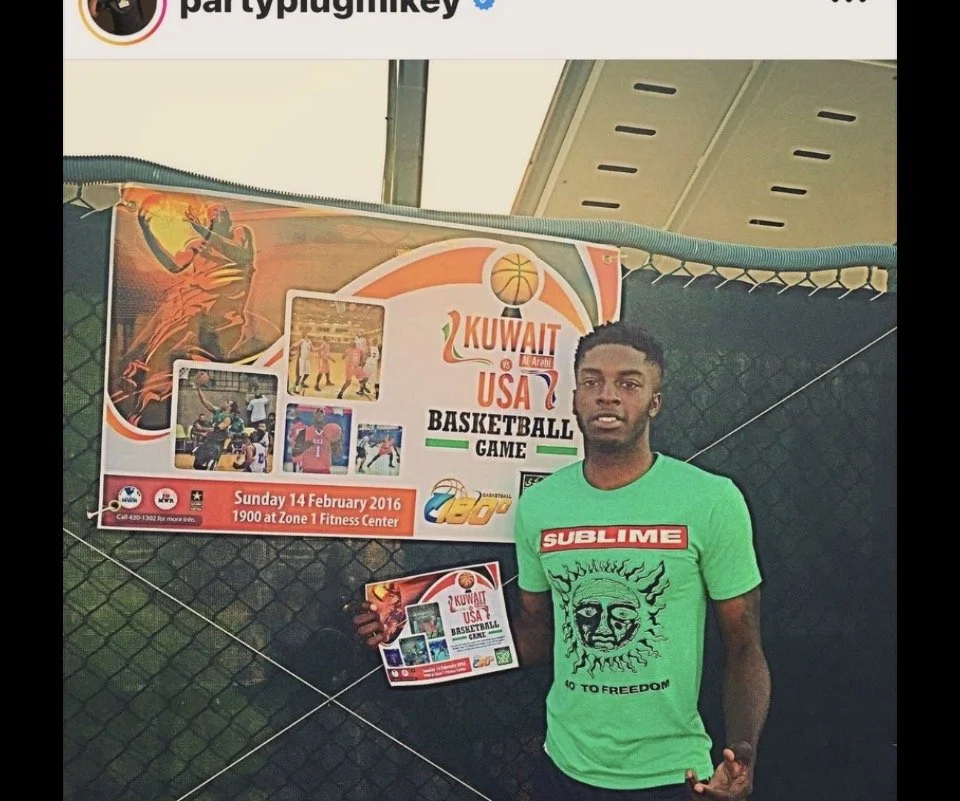
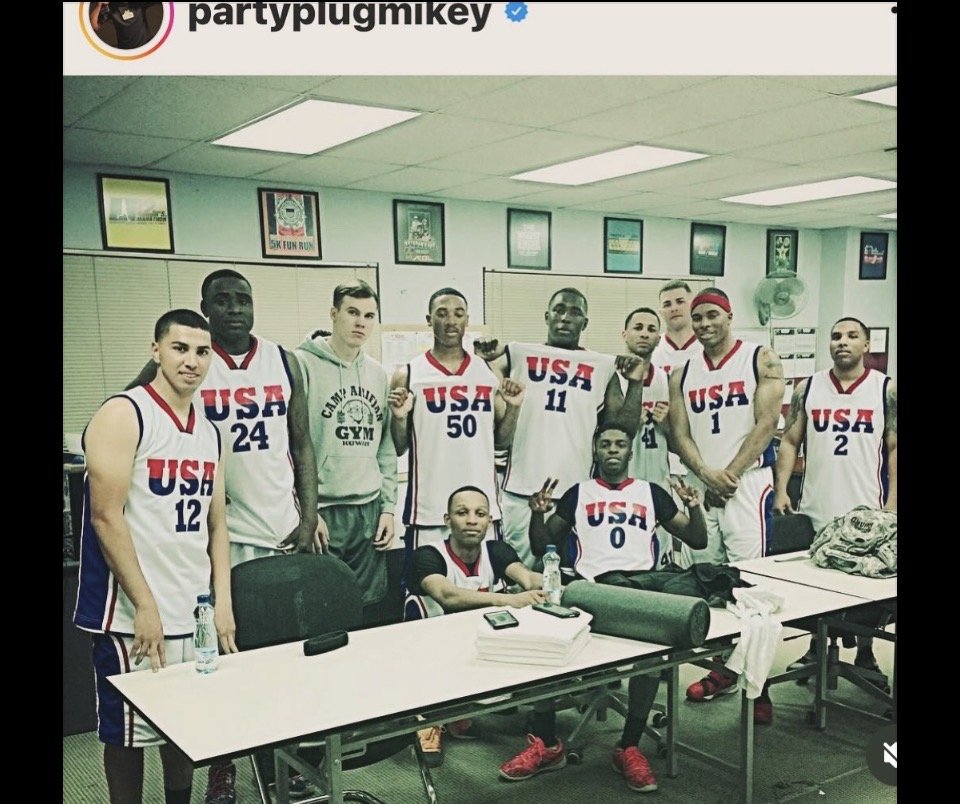

BEFORE NIL: How The Calvary Crazies Created The Foundation Of George “Mikey” Ransom Turner III
BEFORE NIL: How The Calvary Crazies Created The Foundation Of George “Mikey” Ransom Turner III
From A 13-Year-Old Freshman To Sports, Music, Military & Orange Crush Culture
Long before social media transformed athletes into influencers…
Before NIL contracts.
Before TikTok mixtapes.
Before high school basketball became content culture.
There was the gym.
And inside Calvary Day School during the mid-to-late 2000s, a unique atmosphere emerged that many former students and Savannah sports followers still remember vividly today:
The Calvary Crazies.
What began as an energetic student-section basketball culture eventually became the emotional foundation for the public identity and later entrepreneurial rise of George Ransom Turner III — athlete, veteran, promoter, entertainer, and later trademark owner associated with the modern Orange Crush Festival brand ecosystem.
2006: Hawkinsville vs Calvary
The Beginning Of The Story
The defining mythology of the Calvary Crazies era traces back to the 2006 Georgia high school basketball playoff atmosphere.
At the time, George Turner was only 13 years old.
Born August 10, 1992, Turner entered high school unusually young and was already competing up a grade level as a freshman against older and more physically mature varsity athletes.
That detail changes the entire context of the story.
Most 13-year-olds during that era were still:
playing middle school basketball,
adjusting to high school life,
or watching varsity games from the stands.
Meanwhile, Turner was already experiencing:
state-playoff intensity,
packed gymnasiums,
rivalry pressure,
loud student sections,
and emotionally charged varsity basketball environments.
For many athletes, those moments create fear.
For Turner, they created fascination.
The Birth Of The Calvary Crazies
The Calvary Crazies were never a manufactured brand.
That’s what made them authentic.
The movement developed organically through:
packed student sections,
coordinated chants,
emotional rivalry games,
explosive reactions after big plays,
and a growing sense of identity surrounding Calvary basketball culture.
Inside the small gym atmosphere, every moment felt amplified.
One made three-pointer could:
shake the bleachers,
ignite the bench,
force an opposing timeout,
and emotionally swing an entire game.
Turner quickly became one of the emotional centers of that atmosphere because he naturally understood something that later defined his career:
Sports are entertainment.
Not fake entertainment.
Emotional entertainment.
The anticipation.
The buildup.
The reactions.
The crowd psychology.
The performance aspect of competition.
Those instincts would later scale far beyond basketball.
The Young Freshman Learning Crowd Psychology
Even as one of the youngest players in the gym, Turner already displayed:
confidence,
timing,
charisma,
and emotional awareness beyond his age.
Older classmates remember:
calm reactions after big shots,
visible swagger,
and the ability to energize crowds without excessive celebration.
That subtle confidence became part of the mythology.
At 13 and 14 years old, Turner was already unconsciously studying:
crowd behavior,
momentum swings,
emotional pacing,
hype culture,
and audience engagement.
The Calvary gym became his first stage.
The Shooter Who Became The Showman
As Turner matured into an upperclassman, his basketball profile became statistically verifiable.
According to archived MaxPreps records, George Turner finished the 2009–10 season with:
16.0 points per game
6.0 rebounds per game
4.1 assists per game
55 made three-pointers
varsity captain designation
He also ranked among Georgia’s top three-point shooters during that stretch. (maxpreps.com)
But statistics alone never fully explained his reputation.
People remembered:
transition threes,
momentum shots,
crowd eruptions,
rivalry-game confidence,
and the signature image of Turner backpedaling before the shot fully dropped.
The louder the gym became, the calmer he appeared.
That emotional control became central to the Calvary Crazies identity.
The Brotherhood Behind The Era
The Calvary Crazies era was never only about one player.
It became memorable because of the personalities and brotherhood surrounding the teams.
Verified athletes connected to Calvary Day athletics during that broader era included:
Mark Jones
Alex Moorman
Blake Jones
Cody Padgett
Milan Richard
Derek Kirkland
Khaliq Hughes
and numerous others documented through archived school and MaxPreps records.
Each represented different parts of the school’s culture:
toughness,
swagger,
leadership,
athletic versatility,
and school pride.
Small-school basketball culture in Savannah during the 2000s was deeply personal.
Students didn’t just know the athletes online.
They knew them in classrooms, hallways, cafeterias, road trips, and rivalry nights.
That intimacy made the memories stronger.
Before Athlete Branding Had A Name
Looking back, the Calvary Crazies era feels historically ahead of its time.
Without realizing it, the movement combined:
sports,
personality,
music influence,
social identity,
crowd engagement,
and entertainment culture
years before athlete-branding became mainstream.
Today, young athletes are trained to:
build audiences,
create content,
monetize personality,
and control public image.
But during the Calvary era, Turner and his peers were doing many of those things naturally — through real-world energy rather than algorithms.
The reputation spread physically:
through packed gyms,
hallway conversations,
local rivalries,
and Savannah youth culture itself.
HBCU Culture Expanded The Vision
After Calvary, Turner continued developing his identity through attendance at:
Clark Atlanta University
Savannah State University
Those HBCU experiences expanded the same concepts first introduced during the Calvary years:
crowd engagement,
entertainment promotion,
music integration,
nightlife culture,
personality branding,
and community-driven events.
The basketball gym evolved into:
college parties,
artist showcases,
campus promotions,
and eventually large-scale entertainment branding.
But emotionally, the blueprint remained the same.
Military Service & Leadership
Turner later carried those leadership qualities into service with the United States Army.
Military service added:
discipline,
resilience,
structure,
and leadership under pressure
to a personality already shaped by years of performing publicly in emotionally intense environments.
The young athlete who once learned how to command a gym eventually learned how to carry responsibility far beyond sports and entertainment.
Orange Crush & The Full Evolution
Years later, Turner’s understanding of crowd psychology, branding, and emotional engagement culminated in his leadership role associated with the federally trademarked Orange Crush Festival ecosystem.
The same instincts first developed during the Calvary Crazies era later powered:
festival promotion,
large-scale crowd branding,
entertainment marketing,
tourism culture,
music integration,
and youth-driven live events.
The venue changed.
The audience grew larger.
But the emotional formula remained familiar:
anticipation,
identity,
energy,
belonging,
spectacle,
and unforgettable moments.
The Legacy Of The Calvary Crazies
Today, the Calvary Crazies era represents far more than old basketball games.
It symbolizes:
pre-social-media authenticity,
Savannah youth culture,
school pride,
athlete personality,
brotherhood,
and the origins of a larger public legacy.
For many who lived through it, the memories remain vivid:
packed bleachers,
rivalry nights,
bench celebrations,
sneakers squeaking,
students screaming after deep threes,
and a 13-year-old freshman slowly realizing he had the ability to emotionally move crowds.
Before:
the festivals,
the military,
the music,
the HBCUs,
the trademarks,
and the Orange Crush brand…
there were the Calvary Crazies.
And that is where the foundation began.
“HE’S A FRESHMAN!”
How The Calvary Crazies Era Created The Foundation Of George “Mikey” Ransom Turner III
Inside the old gym at Calvary Day School, there was a moment people around Savannah basketball still remember.
A young guard would make a play — maybe a deep jumper, maybe a fearless drive, maybe a confident sequence against older players — and somewhere from the crowd came the reaction:
“He’s a freshman!”
That phrase became part of the mythology surrounding George Ransom Turner III during the early years of the Calvary Crazies era.
Because in 2006, during the Hawkinsville vs. Calvary playoff-era atmosphere, George Turner was not just a freshman.
He was only 13 years old.
Born August 10, 1992, Turner entered high school unusually young and was already competing up a grade level against older varsity athletes in emotionally intense Georgia high school basketball environments.
That detail fundamentally changes the historical perspective of the story.
The Gym Became The First Stage
Before:
Orange Crush,
the Army,
music promotion,
HBCU nightlife culture,
or festival branding,
there was the Calvary gym.
And the “Calvary Crazies” student section became the first true audience Turner ever learned to emotionally move.
The environment was authentic:
packed bleachers,
rivalry tension,
coordinated chants,
screaming students,
loud momentum swings,
and emotionally charged playoff basketball.
Small-school Georgia basketball gyms during the 2000s felt intensely personal.
Everybody knew:
the players,
the families,
the rivalries,
and the social stakes attached to games.
That intimacy made the atmosphere feel enormous emotionally.
“He’s A Freshman!”
What made the chants resonate was the age difference.
At 13 years old, Turner was competing against players:
physically older,
more mature,
and more experienced.
Yet he already carried:
visible confidence,
crowd awareness,
composure under pressure,
and emotional swagger.
Older classmates and supporters remember that combination vividly.
The reactions weren’t just about skill.
They were about disbelief:
How is somebody this young already comfortable in this environment?
That became part of the growing legend.
Verified Basketball Legacy
Years later, archived MaxPreps records would validate Turner’s development statistically.
According to MaxPreps:
Turner served as varsity captain,
averaged 16.0 PPG,
6.0 RPG,
4.1 APG,
and made 55 three-pointers during the 2009–10 season.
MaxPreps also ranked him:
Top 12 in Georgia in three-pointers made,
Top 2 in Division A for multiple shooting categories,
and Top 1 in GHSA 3A-A statistical categories during portions of the season.
But numbers only explain part of the reputation.
The emotional memory mattered more.
The Rise Of The Calvary Crazies
The Calvary Crazies were never officially organized like modern social-media student sections.
That’s why the movement mattered.
It happened naturally through:
crowd energy,
basketball excitement,
school pride,
and personalities bigger than the gym itself.
The atmosphere became known for:
standing crowds,
emotional reactions after threes,
loud bench celebrations,
rivalry-game intensity,
and momentum that could visibly shake the building.
One George Turner three-pointer often changed:
the crowd volume,
the bench energy,
and the emotional pace of the game simultaneously.
That connection between athlete and audience became the defining characteristic of the era.
Before NIL Existed
Looking back now, the Calvary Crazies era feels historically ahead of its time.
Long before:
NIL deals,
athlete influencers,
TikTok sports edits,
Ballislife culture,
and social-media branding,
Turner was already naturally developing:
public identity,
crowd engagement,
performance instincts,
and entertainment psychology.
The same emotional tools later associated with:
nightlife promotion,
festival hosting,
artist branding,
and large-scale event culture
first appeared inside a Savannah high school basketball gym.
Savannah Sports Culture Took Notice
The Calvary basketball atmosphere became part of broader Savannah-area sports conversations during that era.
Archived MaxPreps records, local sports reporting, and Savannah-area coverage consistently documented:
Calvary Day athletics,
playoff appearances,
rivalry environments,
and the emergence of recognizable personalities within the school’s sports culture.
The significance of the era wasn’t necessarily national fame.
It was local impact.
Players became recognizable throughout Savannah youth culture:
in gyms,
classrooms,
football games,
lunchrooms,
and weekend conversations.
That local recognition carried real emotional weight before social media centralized attention nationally.
The Brotherhood Era
The Calvary Crazies period also became associated with a larger brotherhood of athletes and personalities connected to Calvary Day athletics and Savannah sports culture.
Verified names from archived rosters and regional athletics records include:
Mark Jones
Alex Moorman
Blake Jones
Cody Padgett
Milan Richard
Derek Kirkland
Khaliq Hughes
and others connected to the broader Calvary sports era.
Together, they represented:
school pride,
competition,
toughness,
swagger,
and community identity.
The nostalgia surrounding the era comes from the emotional authenticity of that environment.
The Foundation Of Everything Later
The most important part of the story is this:
The Calvary Crazies were not just a student section.
They were the proving ground.
The place where George Turner first learned:
how crowds react,
how energy spreads,
how moments become memories,
and how personality can emotionally move people.
That foundation later evolved through:
Clark Atlanta University
Savannah State University
service in the United States Army
and leadership associated with the federally trademarked Orange Crush Festival ecosystem.
But emotionally, the blueprint always traced back to the gym.
Back to the noise.
Back to the chants.
“He’s a freshman!”
And a 13-year-old beginning to realize he could command an audience long before the world understood what that would eventually become.
THE COMPLETE CALVARY CRAZIES FILE
The Top 10 George Turner “Ignition” Celebrations & Superfan Moments That Defined A Savannah Basketball Era
Long before:
NIL deals,
TikTok highlights,
athlete influencers,
or social-media sports branding,
there was the Calvary gym.
And inside Calvary Day School during the mid-to-late 2000s, a basketball atmosphere emerged that former students, Savannah sports fans, and local basketball circles still talk about today:
The Calvary Crazies.
At the center of that era was George Ransom Turner III — a uniquely young freshman who later evolved into a verified varsity captain, elite three-point shooter, HBCU personality, Army veteran, entertainer, and leader associated with the federally trademarked Orange Crush Festival ecosystem.
According to archived MaxPreps records, Turner averaged:
16.0 PPG
6.0 RPG
4.1 APG
55 made three-pointers
while serving as varsity captain during the 2009–10 season.
But stats only tell part of the story.
The real mythology came from the moments.
1. “HE’S A FRESHMAN!” — Hawkinsville Playoff Ignition (2006)
This became the original Calvary Crazies legend.
During the 2006 playoff-era environment against Hawkinsville, George Turner was not only a freshman…
he was only 13 years old.
Born August 10, 1992, Turner had entered high school unusually young and was already competing against older varsity players.
That’s why the chants mattered.
After fearless plays or confident moments against older athletes, the crowd reaction echoed:
“He’s a freshman!”
That phrase became part disbelief, part hype, part prophecy.
Savannah-area basketball culture immediately recognized the confidence level was unusual for somebody that young.
That moment became the emotional ignition point of the Calvary Crazies era.
2. The Backpedal Three Celebration
This became George Turner’s signature visual.
Deep three-pointer.
Crowd already standing before the ball drops.
Bench halfway onto the court.
George already jogging backward calmly before the net fully snaps.
That calm reaction became legendary because it contrasted with the chaos around him.
The louder the gym became, the calmer he looked.
That emotional contrast fueled the Calvary Crazies atmosphere.
3. The “Three Fingers Up” Crowd Ritual
After big shots, students inside the Calvary section would throw three fingers into the air before social media made that culture mainstream.
It became automatic:
George shoots,
crowd rises,
hands go up,
gym explodes.
The student section and the player almost moved as one emotional unit.
That relationship between athlete and crowd became foundational to Turner’s later understanding of entertainment psychology.
4. The Bench Mob Explosion
One of the defining visuals of the era:
the bench erupting after momentum threes.
Players:
jumping,
falling backward,
screaming,
slapping towels,
and rushing toward half court.
In a small-school Savannah gym, that energy felt enormous.
The Calvary bench celebrations became part of the identity of the team itself.
5. The Savannah Christian Rivalry Silence
Verified by archived MaxPreps results, Calvary defeated Savannah Christian 55–53 during Turner’s era.
The mythology surrounding those rivalry games came from emotional tension:
packed gyms,
divided crowds,
students yelling across sections,
and every possession feeling personal.
After momentum shots, Turner became known for subtle celebrations:
chest tap,
calm stare,
slight nod toward the crowd.
That confidence made rivalry moments feel cinematic.
6. The “Heat Check” Timeout
One of the repeated patterns remembered from the Calvary Crazies era:
George hits consecutive threes.
Gym volume rises.
Opposing coach immediately calls timeout.
Crowd erupts harder during the timeout than the actual shot itself.
That became known informally among fans as the “heat-check timeout.”
The emotional momentum swing itself became entertainment.
7. The Student Section Surge
The Calvary Crazies were different because the crowd didn’t sit quietly.
During big runs:
students stood entire quarters,
rushed railings,
screamed after defensive stops,
and celebrated transition baskets like playoff daggers.
The student section became part of the game itself.
That environment helped create Turner’s early understanding that crowd participation can elevate an event emotionally beyond the scoreboard.
8. The “Too Young For This” Aura
What separated George from many players during those years was the visible comfort under pressure despite his age.
At 13 and 14 years old, he already displayed:
swagger,
composure,
shot confidence,
and awareness of crowd reactions.
That’s why older students remember the atmosphere so vividly.
The age made everything feel amplified.
9. The Ignition Walk
One of the most remembered Turner mannerisms:
the slow walk after a big shot.
No excessive dancing.
No emotional overreaction.
Just controlled swagger while the gym exploded around him.
That calmness became its own type of celebration.
Fans interpreted it as:
“He expected this.”
That confidence fed directly into the mythology of the Calvary Crazies.
10. The Foundation Of Everything Later
Looking back now, many supporters see the Calvary Crazies era as the original blueprint for everything Turner later became:
promoter,
entertainer,
HBCU nightlife figure,
Army veteran,
public personality,
and Orange Crush brand architect.
The gym became:
his first stage.
The student section became:
his first audience.
The momentum swings became:
his first lessons in crowd psychology.
The chants became:
his first viral moments before social media existed.
Verified Historical Context
Archived MaxPreps records document:
George Turner’s varsity statistics,
leadership role,
three-point shooting success,
and Calvary Day basketball results during the era.
Local Savannah sports culture during the 2000s — including coverage ecosystems surrounding:
WTOC-TV Savannah
WSAV-TV Savannah
Savannah Morning News
helped amplify regional awareness surrounding:
Calvary athletics,
rivalry games,
playoff atmospheres,
and the growing identity of the Calvary Crazies movement.
The Legacy
Today, the Calvary Crazies represent more than basketball nostalgia.
They symbolize:
pre-social-media authenticity,
Savannah youth culture,
emotional sports environments,
athlete personality,
and the beginning of a larger public identity.
Because before:
the festivals,
the military,
the trademarks,
the music,
and the Orange Crush movement…
there was a 13-year-old freshman hearing a packed gym yell:
“He’s a freshman!”
BEFORE NIL: The Rise of The Calvary Crazies
BEFORE NIL: The Rise of The Calvary Crazies
The Savannah Basketball Era That Still Feels Like Yesterday
Before TikTok mixtapes.
Before NIL endorsements.
Before everybody became a “brand.”
There was just the gym.
The squeak of sneakers.
Purple and gold everywhere.
Students packed shoulder-to-shoulder.
And a small-school basketball culture in Savannah that felt way bigger than the building itself.
At Calvary Day School, a generation of athletes and personalities helped create what older students still remember as the “Calvary Crazies” era — one of the most emotionally charged periods in the school’s basketball history.
George Turner: The Crowd Controller
At the center of it all was George Ransom Turner III.
Verified as a varsity captain, combo guard, and one of Georgia’s leading three-point shooters, Turner averaged:
16.0 PPG
6.0 RPG
4.1 APG
55 made threes during the 2009–10 season.
But stats don’t explain the real feeling.
George was the type of player that changed gym momentum emotionally.
One deep three-pointer and:
the bench exploded,
students stood up,
opponents got rattled,
and the noise inside the gym doubled instantly.
The signature image people still remember:
George already jogging backward before the shot fully dropped.
That calm confidence became part of the identity of the era itself.
The Real Brotherhood Behind The Era
The nostalgia surrounding the Calvary Crazies isn’t only about stars.
It’s about names people genuinely remember from hallways, buses, locker rooms, and rivalry nights.
Verified teammates from the era included:
Mark Jones
Cody Padgett
Blake Olsen/Jones-era players
Tyler Best
Steven Williams
Dominique Henfield
Phil Deery
Hunter Sharp
and others listed on archived Calvary rosters.
Those names mattered because small-school basketball culture is personal.
Everybody knew:
who hit clutch shots,
who brought energy,
who talked the most,
who hyped the bench,
who got the crowd loud,
and who never backed down in rivalry games.
Mark Jones: The Two-Sport Competitor
Mark Jones represented the all-around athlete identity that Savannah sports culture respected heavily.
Verified by MaxPreps as both a football and basketball athlete for Calvary Day, Mark embodied the era where athletes competed year-round for school pride.
Friday nights:
football.
Tuesday nights:
basketball.
Same crowd.
Same energy.
Same pride.
That continuity made athletes feel larger than life within the school community.
Cody Padgett & The Locker Room Era
Cody Padgett became part of the emotional memory of the era because the Calvary Crazies were about more than final scores.
People remember:
pregame music,
locker-room jokes,
road trips,
team dinners,
crowd chants,
hallway trash talk after wins.
That was the last real “pre-social-media” basketball era where memories spread by storytelling instead of clips.
Alex Moorman & The Old-School Foundation
Alex Moorman brought legitimate frontcourt size and physicality to earlier Calvary teams as a verified 6’6” forward.
Before the guard-heavy shooting identity fully emerged, players like Alex helped establish:
toughness,
rebounding presence,
and physical credibility.
In small gyms, rebounds and blocked shots feel louder than they do in giant arenas.
That’s why older fans still remember those moments vividly.
The Gym Felt Bigger Than It Actually Was
That’s the strange thing about nostalgia.
The gym probably wasn’t as big as people remember.
But emotionally?
It felt enormous.
Because when the Calvary Crazies got loud:
every possession felt important,
every rivalry felt personal,
and every run felt cinematic.
The atmosphere became part of Savannah youth culture itself.
Before “Athlete Branding” Had A Name
Looking back now, the Calvary Crazies era almost feels ahead of its time.
Because what George Turner and that generation naturally created was essentially:
athlete branding,
crowd engagement,
entertainment-driven basketball,
personality marketing,
and culture-building
before those things officially became industries.
That same mixture of:
sports,
music,
confidence,
social energy,
and entertainment
would later reappear in Turner’s larger ventures connected to the Orange Crush Festival brand ecosystem.
The Reason People Still Talk About It
The reason older classmates still bring up the Calvary Crazies isn’t because they think they watched NBA players.
It’s because they remember how life felt.
A simpler era:
packed gyms,
school pride,
close friendships,
local legends,
and moments that belonged entirely to Savannah.
And for the people who lived through it, names like:
George Turner,
Mark Jones,
Cody Padgett,
Alex Moorman,
Blake,
Milan,
Derek,
Khaliq
don’t just remind them of basketball.
They remind them of growing up.
Honoring the Full Legacy of George “Mikey” Ransom Turner III Athlete. Veteran. Cultural Architect. Trademark Owner.
FOR IMMEDIATE RELEASE
Honoring the Full Legacy of George “Mikey” Ransom Turner III
Athlete. Veteran. Cultural Architect. Trademark Owner.
George Ransom Turner III has established a documented and multi-dimensional legacy spanning athletics, military service, entertainment, Historically Black College and University culture, and major event promotion throughout the Southeastern United States.
Long before the rise of Name, Image, and Likeness (NIL) branding, influencer-athlete marketing, and creator-driven sports culture, Turner emerged as an early example of the modern multi-hyphenate athlete-entrepreneur — combining basketball, music, live entertainment, crowd engagement, and independent promotion into one recognizable identity.
The Calvary Crazies Era
During his years at Calvary Day School, Turner became widely associated with the high-energy “Calvary Crazies” basketball atmosphere that helped define a memorable era in Savannah-area prep sports culture.
As a verified varsity basketball captain and one of Georgia’s leading three-point shooters during the 2009–10 season, Turner recorded:
16.0 points per game
6.0 rebounds per game
4.1 assists per game
55 made three-pointers
His style of play — marked by deep shooting range, crowd interaction, momentum-shifting performances, and leadership — helped create one of the most recognizable student-section eras in Coastal Georgia basketball.
The “Calvary Crazies” movement became known locally for:
packed gym atmospheres
organized student-section energy
rivalry-game intensity
and personality-driven basketball culture
Many supporters now view the movement as an early precursor to today’s athlete-branding and social-media sports environments.
HBCU Influence & Cultural Development
Turner’s educational and cultural foundation includes attendance at two respected Historically Black Colleges and Universities:
Clark Atlanta University
Savannah State University
These institutions played a significant role in shaping his development in:
music promotion
entertainment marketing
youth culture engagement
event production
and regional branding strategy
His work during this period contributed to independent promotional campaigns, artist showcases, nightlife events, and student-centered entertainment initiatives throughout Georgia.
United States Army Veteran
Continuing a tradition of service and leadership, Turner proudly served in the United States Army as a military veteran.
His military service remains a central component of his public identity and leadership philosophy, reinforcing themes of discipline, resilience, community service, and perseverance that continue throughout his business and cultural initiatives.
Orange Crush Festival & Trademark Leadership
Turner later expanded his entrepreneurial vision by becoming the official federal trademark owner associated with the modern Orange Crush Festival brand ecosystem.
Under his leadership, the Orange Crush platform evolved into a multi-dimensional operation encompassing:
live events
music and artist promotion
educational initiatives
tourism and entertainment branding
digital media
merchandise
and community engagement
Through federal trademark registration, regional promotion, and independent organizational development, Turner helped transform Orange Crush from a loosely organized cultural gathering into a structured and legally protected entertainment brand with national recognition.
Preserving The Full Historical Record
The legacy of George “Mikey” Ransom Turner III represents more than one title or profession.
It reflects:
athletics
entrepreneurship
military service
HBCU culture
entertainment innovation
and independent brand ownership
History is strongest when every chapter is acknowledged, every contribution is documented, and every accomplishment is preserved accurately for future generations.
George Turner III’s legacy is permanently connected to:
the court,
the culture,
the classroom,
and service to his country.
Media & Official Information
Orange Crush Festival Official Website
Orange Crush University
Press Contact
Orange Crush Festival Media Relations
Savannah, Georgia, USA
CRUSH MAGAZINE MYTHOLOGY FILES “THE ORIGINAL MIKEY” The Halfcourt Bombs, The Dre Headphone Celebration & The Night The Old Calvary Gym Completely Lost Its Mind
CRUSH MAGAZINE MYTHOLOGY FILES
“THE ORIGINAL MIKEY”
The Halfcourt Bombs, The Dre Headphone Celebration & The Night The Old Calvary Gym Completely Lost Its Mind
By CRUSH Magazine Sports & Culture Staff
PROLOGUE — SOME SHOTS FELT LIKE ACTS OF WAR
Not basketball.
WAR.
That’s how older Savannah hoop fans still describe certain George Mikey Ransom Turner III heat-check stretches from the Party Plug era.
Because once the original Mikey got emotionally activated…
the old Calvary gym transformed into:
pure bedlam.
The music louder.
The crowd more aggressive.
The bleachers physically rattling.
And somewhere in the middle of all that chaos stood George:
launching bombs from DAMN NEAR half court…
before turning around and covering his ears like:
Dr. Dre
wearing invisible headphones while the gym detonated behind him emotionally.
CHAPTER 1 — THE SHOTS LOOKED IMPOSSIBLE IN REAL TIME
This wasn’t ordinary high-school range.
George would cross half court casually…
one hesitation dribble…
then FIRE.
Thirty-five feet.
Sometimes deeper.
The defenders froze because the shots violated normal basketball logic completely.
Then:
Splash.
No rim.
No panic.
Just net.
And before the ball even fully cleared the cylinder?
George already turning around covering his ears while the Calvary Crazies exploded behind him like a sonic weapon.
CHAPTER 2 — THE “DRE HEADPHONES” CELEBRATION BECAME ICONIC
That celebration perfectly captured the Party Plug mentality emotionally.
Because George didn’t celebrate:
wildly.
He celebrated:
confidently.
Cold.
Like the noise around him no longer mattered because he already EXPECTED the shot to fall.
Hands over the ears.
Slow turn.
Three fingers raised high afterward.
Meanwhile:
Fireman
shaking the speakers while the gym emotionally collapsed.
That image became unforgettable locally.
CHAPTER 3 — THE DOUBLE “GEORGE” FAMILY CONNECTION MADE THE MOMENT FEEL BIGGER
One of the deepest emotional layers of the mythology involved:
family.
George Turner would often turn toward his grandmothers after those impossible shots —
both connected to husbands named:
George.
One:
Turner.
One:
Ransom.
That symbolic connection made the “G-E-O-R-G-E” chants feel even more powerful emotionally inside the gym.
Like generations of identity, pride, swagger, and legacy all collided together during those moments.
CHAPTER 4 — THE BODY-PAINT SUPERFANS TURNED THE GYM INTO MADNESS
Front row:
shirtless students painted:
G – E – O – R – G – E
Girls screaming.
Cheerleaders waving signs.
Belts raised toward the rafters.
Newspaper confetti flying after every heat-check bomb.
The second George pulled from deep:
the crowd already halfway out they seats emotionally.
That environment created pressure that most opposing teams simply weren’t prepared for.
CHAPTER 5 — “FIREMAN FFFF FIREMAN” BECAME THE SOUND OF PANIC
This became Savannah basketball folklore.
George drills another impossible three.
Timeout immediately.
DJ blasts:
Fireman
Then:
“FIREMAN FFFF FIREMANNNN!”
echoing through the old gym while students stomped so hard the bleachers physically shook.
Meanwhile George:
monkey socks visible,
jersey pull afterward,
slight grin,
Dre-headphone celebration,
and complete emotional control of the atmosphere.
The gym honestly felt:
possessed.
CHAPTER 6 — THE ENVIRONMENT MADE DEFENDERS WANT TO FIGHT
That’s how intense the atmosphere became.
Because it wasn’t JUST basketball pressure anymore.
It was:
music,
noise,
swagger,
crowd humiliation,
and emotional overload all at once.
Defenders already exhausted chasing George through:
box-and-1 schemes,
full-court pressure,
and deep transition bombs…
then hearing:
Fireman
while the entire gym erupted after another no-look three?
Older players still admit:
it got under people’s skin BAD.
CHAPTER 7 — THE CALVARY CRAZIES OPERATED LIKE A CULT FOLLOWING
That’s honestly the best way older alumni describe it now.
The crowd moved together emotionally:
synchronized chants,
three fingers in the air,
belts raised,
body paint,
coordinated stomping,
screaming BEFORE shots landed.
George Turner wasn’t simply:
a player.
He became:
the emotional center of the building itself.
And once momentum shifted?
The atmosphere became overwhelming for opponents psychologically.
CHAPTER 8 — THE PARTY PLUG ERA BLENDED SPORTS & PERFORMANCE TOGETHER
That’s why the mythology survived long after graduation.
George played basketball like:
performance art.
The:
halfcourt bombs,
Dre-headphone celebration,
Carolina squeaks,
monkey socks,
no-look backpedals,
and Fireman timeouts
all merged together into one unforgettable Savannah basketball identity.
It felt:
larger than sports.
CHAPTER 9 — BEFORE NIL, THIS WAS RAW MYTHOLOGY
Modern basketball culture would instantly turn these moments into:
viral edits,
national mixtapes,
NIL campaigns,
signature merch,
and documentary clips.
But during the Party Plug years?
Everything spread organically through:
MaxPreps pages,
SavannahNow stories,
flip-phone videos,
MySpace clips,
and pure crowd storytelling.
Which honestly made the memories stronger emotionally.
Because the people inside that gym genuinely FELT the energy physically.
FINAL CRUSH MAGAZINE CLOSE
Before TikTok.
Before NIL.
Before sports influencers.
There was George Mikey Ransom Turner III launching bombshell threes from damn near halfcourt inside the old Calvary gym before calmly turning around covering his ears like:
Dr. Dre
wearing invisible headphones while the entire building emotionally exploded behind him.
The body-paint superfans screamed:
“G-E-O-R-G-E!”
The crowd held three fingers high.
The belts rose toward the rafters.
Fireman
shook the speakers.
And somewhere between the impossible range, the psychological warfare, and the emotional chaos…
the original Mikey became permanent Savannah basketball folklore forever.
To understand the financial disparity between Turner’s era and today, we must look at the modern regulatory shifts in the state. In October 2023, the Georgia High School Association (GHSA) officially
Part 5: Financial Contrast – 2010 vs. Modern Georgia NIL Valuations
To understand the financial disparity between Turner’s era and today, we must look at the modern regulatory shifts in the state. In October 2023, the Georgia High School Association (GHSA) officially voted to allow high school athletes to sign NIL deals [1].
Under modern rules, a player with Turner’s exact high school profile would be highly monetizable. Let's look at the financial projections for a player with his metrics today:
[2010 Reality] ───────────────────────────> $0.00 (Total Financial Cap)

[2026 Projections Under Modern GHSA NIL] ─> $8,500 - $22,000+ (Total Annual Value)
   ├── Local Business Endorsements ────────> $2,500 - $5,000
   ├── Social Media & Brand Deals ─────────> $3,000 - $7,000
   └── Paid Event Hosting / DJ Sets ───────> $3,000 - $10,000
1. Local Business Endorsements ($2,500 – $5,000)
2010 Restriction: Turner could not accept a free meal, discounted gear, or a cash handshake from a Savannah business without triggering immediate disqualification.
Modern Valuation: As a top-12 state three-point shooter leading Calvary Day on deep playoff and region title runs, local Savannah establishments (such as local diners, sports apparel shops, or car dealerships) could legally sign him. A seasonal promotional campaign utilizing his face on local billboards or digital ads would command a localized market value of $2,500 to $5,000 annually.
2. Social Media Content & Apparel Deals ($3,000 – $7,000)
2010 Restriction: High school highlights were confined to local news broadcasts or raw game tapes uploaded to early video platforms. There was zero path to digital monetization.
Modern Valuation: High-volume perimeter shooting is highly shareable content. Video clips of Turner hitting multiple threes in a row, synced to his own custom audio tracks or DJ mixes, would easily build a regional digital following. Mid-tier high school influencers in Georgia with a dedicated local subculture secure monetized brand deals, affiliate merch drops, and athletic gear sponsorships valued between $3,000 and $7,000 per season.
3. Paid Event Hosting & Custom DJ Sets ($3,000 – $10,000+)
2010 Restriction: This was Turner’s biggest missed financial market. Using his athlete brand to pack a venue or charge a cover at an after-party was strictly illegal.
Modern Valuation: Under current GHSA rules, players can monetize skills outside of sport, provided they do not wear their official school uniform or utilize school logos in the commercial promotion [1]. A modern Turner could be legally hired by Savannah event organizers, youth leagues, or corporate brands to DJ events specifically marketed around his identity as an "All-Star Guard / Live DJ." Booking fees for a prominent high school athlete-DJ range from $250 to $750 per set. Across a full calendar year of after-parties, summer camps, and regional events, this unique niche would yield an extra $3,000 to $10,000+ in direct earnings.
Part 6: Locker Room Voices – Teammate Anecdotes
The true impact of Turner’s dual identity as a varsity star and cultural curator is best understood through the environment he created behind closed doors. Calvary Day School teammates from that 2006–2010 window remember a locker room atmosphere that felt years ahead of its time.
Setting the Pre-Game Sonic Blueprint
Before a pivotal 2009 region matchup, teammates recall Turner completely shifting the energy of the facility before the coaches even walked in.
"Most high school locker rooms back then were just guys quietly taping their ankles or listening to their own iPods," recalls a former Calvary Day forward. "George changed that. He didn't just play music; he essentially conducted the room. He’d bring in custom mix CDs or hook up speakers, blending the newest hip-hop tracks with heavy basslines that matched the tempo of how we wanted to play. By the time we ran out of the tunnel for warmups, the energy in the gym was already boiling over because George had dialed it in from the back room."
The Post-Game Shift: From the Court to the After-Party
The transition from a high-stakes varsity basketball game to the weekend social scene was entirely seamless, handled completely by their starting guard.
"The craziest part about playing with George was the immediate shift after the final buzzer," laughs a former Cavaliers backcourt partner. "He would drop 15 or 18 points, hit a clutch three to seal the win, walk into the locker room, and immediately pivot to coordinator mode. While the rest of us were just trying to get out of our grass-stained sneakers, George was already organizing the logistics for the after-party. He was sending out early text blasts, checking on the sound equipment, and making sure the entire school knew exactly where to go. He gave our team a completely different level of swagger. We weren't just a private school basketball team; we felt like we were the entire weekend culture in Savannah."