

Faculty engagements
-
Mentorship & Advising
Faculty serve as academic mentors to student ambassadors, guiding them through project deliverables (e.g., article pitches, micro‐grant proposals) and advising on career pathways.
-
Student Internship Oversight
Faculty coordinate with OCU to host supervised internships—students earn course credit for contributing to content creation, community impact studies, or festival logistics.
-
Guest Lectures & Workshops
Faculty members deliver virtual and in‐person guest lectures—on topics like smart contracts, voter education, and environmental science—integrated into OCU’s monthly curriculum.
-
Research Partnerships
Professors engage in joint research projects with OCU, co‐authoring white papers on “Crush Coin” tokenomics, beach erosion data analysis, and veteran mental‐health outcomes.
-
Community‐Based Projects
Professors lead community‐engaged learning experiences, such as supervising beach‐cleanup data collection and coordinating service‐learning hours tied to Tybee Island conservation efforts.
-
Evaluation & Assessment
Academic staff develop assessment rubrics and feedback surveys for OCU programs (e.g., Civic Hackathon, Virtual Voter Booth) to measure student learning and program efficacy.
-
Cross‐Institutional Collaboration
Through monthly Zoom sessions, faculty from Savannah State, Clark Atlanta, and Spelman share best practices, align syllabi, and co‐create intercollegiate events (e.g., joint “Crush Crypto Club” hackathons).
-
Curriculum Co‐Development
Faculty from partner HBCUs collaborate with OCU to design and update blockchain, civic leadership, and sustainability modules, ensuring academic rigor and relevance.
-
Grant Writing Support
Faculty assist OCU leadership in drafting state and federal grant applications—leveraging university grant offices to secure funding for scholarships, youth workshops, and veteran services.
-
Community‐Based Projects
Professors lead community‐engaged learning experiences, such as supervising beach‐cleanup data collection and coordinating service‐learning hours tied to Tybee Island conservation efforts.
-
Continuous Professional Development
OCU provides faculty with access to training—like “Blockchain Pedagogy” webinars and civic engagement workshops—enhancing their ability to integrate emerging topics into university courses.
-
Academic‐Festival Integration
Faculty embed OCU project work—such as “Crush Coin” case studies or community service research—directly into their semester courses, allowing students to earn credit by applying classroom learning to festival‐related challenges (e.g., drafting real‐world policy briefs on beach erosion or developing civic engagement campaigns), thereby ensuring the program’s impact extends into standard degree requirements.
Faculty engagement
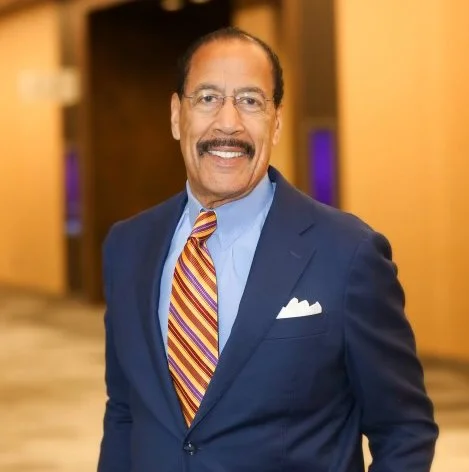
Faculty Spotlight - Professor Dennis Kimbro
FACULTY SPOTLIGHT (CAU)
DR DENNIS KIMBRO
Dennis Kimbro, Ph.D.
Dr. Dennis Kimbro stands at the intersection of academic rigor, motivational authorship, and real-world leadership coaching. As a celebrated professor of Business at Clark Atlanta University (CAU) and best-selling author, he brings decades of research and inspiration to our students and community. Dr. Kimbro has been honored as “Professor of the Year” at CAU three times and served as a national judge for the Ernst & Young USA Today Entrepreneur of the Year awards—testament to his thought leadership in entrepreneurial studies and wealth-creation strategies.
Academic Background & Research
• Education: B.A. from the University of Oklahoma; M.A. and Ph.D. from Northwestern University, where Dr. Kimbro’s doctoral work centered on wealth building and poverty alleviation in underdeveloped countries.
• Research Focus: His pioneering surveys of high-achieving Black Americans laid the groundwork for exploring how underprivileged individuals overcome systemic barriers to attain personal and financial success.
Author & Trainer
• Think and Grow Rich: A Black Choice:
Commissioned by W. Clement Stone and the Napoleon Hill Foundation, Dr. Kimbro completed Hill’s final manuscript—adapting its principles to the unique experiences of Black Americans. This volume distills success habits from accomplished leaders and has become required reading for entrepreneurs, corporate leaders, and students worldwide.
• Napoleon Hill Science of Success Trainer:
As a certified instructor, Dr. Kimbro has delivered keynote workshops to General Motors, Disney, Apple, and professional sports organizations, translating academic theory into implementable success frameworks.
Media & Public Recognition
• Featured on national platforms—Today Show, CNN, and in publications such as The Wall Street Journal and USA Today—Dr. Kimbro’s insights on leadership, resilience, and wealth creation reach a global audience.
• Recipient of the Dale Carnegie Personal Achievement Award and the 2005 H. Naylor Fitzhugh Award from the National Black MBA Association, he is widely recognized as one of America’s top professors and a leading voice in business education.
Impact on Our Campus
• Curriculum Integration: Dr. Kimbro regularly partners with CAU’s faculty to co-design courses that blend case studies of successful entrepreneurs with actionable “mind-set” practices. His modules on goal setting, strategic networking, and financial literacy have become hallmarks of our Business and Entrepreneurship programs.
• Mentorship & Workshops: Outside the classroom, he leads interactive seminars that challenge students to craft their own “Personal Success Blueprints.” These hands-on sessions pair scholarly research with real-life application—encouraging students to set ambitious goals, develop accountability networks, and leverage their strengths.
• Community Engagement: Dr. Kimbro frequently collaborates with our nonprofit affiliates—such as Orange Crush University—to extend his expertise into community-based events. Whether through virtual lectures on civic leadership or in-person panels on veteran entrepreneurship, he ensures that his research benefits both campus and broader Low Country communities.
Commencement Speaker & Celebrity Author for CAU’s Graduation
As this year’s chosen commencement speaker, Dr. Kimbro will deliver the keynote address at Clark Atlanta University’s spring ceremony. Graduates can expect an inspiring message rooted in his signature themes:
1. Purpose-Driven Leadership: How to align personal passions with community needs.
2. Resilience & Adaptability: Lessons from his research on overcoming adversity.
3. Wealth with Impact: Strategies for building economic prosperity that uplifts entire neighborhoods.
With his trademark blend of scholarly insight and motivational storytelling, Dr. Kimbro will challenge the Class of 2026 to harness their unique talents, embrace lifelong learning, and lead with both confidence and compassion.
⸻
For more about Dr. Dennis Kimbro’s work—including upcoming workshops, publications, and community initiatives—please visit the Faculty Engagement portal or contact our Academic Affairs office. His commitment to student success, research excellence, and community empowerment exemplifies the transformative educational mission of Clark Atlanta University.
FACULTY ENGAGEMENT
(OCU) x (OCF)
Orange Crush University’s (OCU) ongoing success hinges on a dynamic partnership between faculty members from our HBCU collaborators (Savannah State University, Clark Atlanta University, Spelman College, and others) and the students they guide. This interplay—structured around co‐curricular programming, mentorship, research, and experiential learning—ensures that OCU’s mission extends well beyond one‐off events and into sustainable educational and community outcomes. Below is a comprehensive overview of how faculty and students engage at every level of our programming, from curriculum design through festival execution and community impact.
⸻
1. Curriculum Co‐Creation & Course Integration
1.1 Faculty‐Led Module Development
• Collaborative Workshops: Each semester, faculty representatives from partner HBCUs join Orange Crush leadership in structured “Curriculum Design Workshops.” During these sessions, professors contribute topic outlines—such as “Blockchain Fundamentals,” “Civic Engagement Strategies,” or “Environmental Sustainability Practices”—that align with their department’s learning objectives. For instance, a business‐school faculty member may propose a module on “Entrepreneurial Mind-Set for Underserved Communities,” which then becomes integrated into the OCU “Blockchain Academy” curriculum.
• Syllabus Alignment: Once topic areas are agreed upon, faculty draft detailed syllabi that specify learning outcomes, reading lists (academic journals, case studies, or chapters from recognized thought leaders), and assessment methods. These syllabi are shared via a common Google Drive folder, enabling cross‐campus access and iterative feedback from all stakeholders.
• Credit‐Bearing Internship Courses: Professors work with academic advisors to create elective internship courses (e.g., “SOC 312: Community Leadership & Festival Operations”) wherein students earn academic credit by actively contributing to OCU projects—such as drafting operational checklists, conducting social‐media analytics, or assisting with vendor outreach. Course requirements include weekly reflective journals and a final project proposal, ensuring alignment with institutional quality standards.
1.2 Team‐Taught Seminars & Guest Lectures
• Virtual Seminar Series: OCU coordinates a monthly “Virtual Faculty Forum” in which 1–2 professors from different campuses co‐teach a 60-minute Zoom seminar. Recent topics have included “Tokenization & Financial Inclusion” (taught by a finance professor at SSU in collaboration with an OCU blockchain educator) and “Policy Advocacy for Coastal Resilience” (co-led by a political science faculty member at CAU and a city planner from Tybee Island).
• Celebrity Author Workshops: When high‐profile educators—such as Dr. Dennis Kimbro from CAU—visit as keynote speakers, faculty integrate those sessions into relevant courses. For example, a professor teaching “Strategic Management” might require students to attend Dr. Kimbro’s “Think and Grow Rich: A Black Choice” workshop and submit a critical analysis paper comparing Hill’s original principles with Kimbro’s modern adaptations.
⸻
2. Mentorship & Advising Structures
2.1 Dedicated Student Ambassadors
• Selection & Training: Each HBCU partner nominates 3–5 “OCU Student Ambassadors”—rising juniors or seniors with strong leadership and communication skills. These ambassadors undergo a short online orientation with OCU’s Student Engagement Director, covering expectations, code of conduct, and digital collaboration tools (Google Docs, Slack channels, and Zoom).
• Faculty Sponsorship: Each Ambassador is paired with a faculty sponsor—a professor who meets bi-weekly with the student to discuss their progress on OCU deliverables (e.g., drafting a “Virtual Civic Hackathon Blueprint” or creating “Crush Coin FAQ” materials). Faculty mentors provide guidance on research methodology, writing style, and critical thinking. Regular check-ins ensure that each Ambassador’s OCU activities dovetail with their academic coursework.
2.2 Office Hours & Drop-In Advising
• Monthly Office Hours: Faculty members from each partner institution volunteer two 30-minute “OCU Office Hours” every month via Zoom. Students can drop in to ask detailed questions about assignments—such as refining white-paper drafts on beach erosion measures or seeking feedback on grant‐writing proposals for youth center initiatives.
• Cross-Campus Peer Mentoring: To foster intercollegiate collaboration, Ambassadors from different HBCUs form “Peer Pods,” with one faculty moderator from each institution. These Pods meet weekly (30 minutes) to share resources, workshop project drafts, and provide constructive critique—encouraging students to draw on diverse campus perspectives.
⸻
3. Experiential Research & Community Projects
3.1 Joint Research Initiatives
• Faculty-Student Research Teams: OCU finances small research stipends for faculty-led teams to study topics such as “Economic Impact of Music Festivals in Coastal Regions” or “Digital Literacy among Underrepresented Youth.” Each team includes 2 faculty members (e.g., an economist from SSU and an environmental scientist from CAU) along with 4–5 undergraduate student researchers. Over a 12-week term, they collect data, analyze surveys, and co-author an executive summary for OCU’s Annual Impact Report.
• Capstone Collaborative Projects: Senior students in partner HBCU capstone courses (e.g., “SOC 499: Community Engagement Capstone”) can choose an OCU project—such as evaluating last year’s beach cleanup volunteer metrics or assessing “Crush Coin” pilot deviations. Faculty advisors oversee methodology (sample size, survey instrument design) while OCU staff guide data‐collection logistics (fieldwork, interview scheduling).
3.2 Service-Learning & Volunteer Integration
• Approved Service-Learning Hours: Through formal Service-Learning agreements, faculty help students earn course credit for volunteer work at OCU events (e.g., manning the “Crush Voting Booth,” assisting with shuttle logistics). For every 10 volunteer hours, a student receives one credit hour (up to a maximum of 3 course credits). Faculty advisors require reflective essays linking their volunteer experiences to course themes—such as “Civic Responsibility” in Political Science or “Sustainable Development” in Environmental Studies.
• Community Partner Feedback Loop: OCU establishes a feedback mechanism whereby faculty verify student attendance and performance on service tasks, while OCU’s Community Liaison provides mid-term progress reports. This ensures students not only log hours but also demonstrate tangible learning outcomes (e.g., improved communication skills, increased civic awareness).
⸻
4. Co-Curricular Workshops & Special Events
4.1 “Crush Crypto Club” Collaborations
• Weekly Coding Clinics: Faculty from SSU’s Computer Science Department host a weekly “Crush Crypto Clinic” on campus (in person or virtually), where they teach blockchain programming basics (Solidity, Web3.js). OCU supplies laptops preloaded with development environments. Students from all partner institutions join via shared Zoom link.
• Hackathon Preparation Seminars: Two weeks prior to the “Virtual Civic Hackathon,” CAU faculty conduct no-cost “Ideation Bootcamps” (via Zoom) for registered student teams. They guide students on problem scoping, team roles, and timeline management—ensuring each group is “hackathon-ready.” Faculty assess team proposals and provide feedback to refine technical approaches before OCU judges evaluate submissions.
4.2 Guest Speaker & Panel Series
• Monthly “Expert Panel” Webinars: OCU curates a Virtual “Expert Panel” series, inviting faculty, industry leaders, and nonprofit executives to discuss timely topics—e.g., “Navigating Grant Writing in Post-Pandemic Times” or “Evolving Environmental Regulations for Coastal Enterprises.” Professors moderate Q&A, encouraging students to submit questions in advance.
• Commitment to Accessibility: To ensure broad participation, all sessions are recorded and captioned. Faculty upload transcripts to the OCU Learning Hub, allowing students with disabilities to review content or catch up asynchronously.
⸻
5. Faculty Development & Collaborative Governance
5.1 Professional Learning Communities (PLCs)
• Quarterly PLC Retreats: Once per quarter, OCU hosts a Virtual “Faculty & Governance Retreat,” bringing together faculty from all partner HBCUs, OCU Board members, and Tybee Island officials. These two-hour Zoom retreats focus on:
1. Reviewing student research findings (e.g., beach erosion survey results).
2. Evaluating program efficacy (analysis of volunteer hours, service-learning reflections).
3. Planning next quarter’s curriculum adjustments (e.g., adding modules on “Post-Festival Economic Analysis”).
• Shared Governance Framework: Each PLC elects faculty representatives to sit on OCU’s Academic Advisory Council. This council meets monthly (30 minutes) to vet new course proposals, discuss resource needs (software licenses, research stipends), and make budget recommendations for year-end faculty-student summits.
5.2 Continuous Professional Development
• Annual “Faculty Innovation Grant”: OCU awards micro-grants ($1,000–$2,500) to faculty who propose novel pedagogical initiatives—such as piloting an augmented reality tool for beach conservation simulations or developing an online “Crush Coin” trading platform for student portfolios. Funded faculty present outcomes in a “Showcase Webinar” the following summer.
• Peer Mentoring Across Institutions: Tenured faculty from one institution volunteer as “Pedagogic Mentors” for junior faculty at partner schools. Mentorship sessions occur virtually, covering topics like “Assessing Student Engagement in Virtual Environments” or “Grant Writing for Community Partnerships.”
⸻
6. Assessment, Feedback, & Outcomes
6.1 Ongoing Evaluation Mechanisms
• Pre- and Post-Session Surveys: Every OCU session (faculty-led or student-led) employs a 5-question Qualtrics survey. Questions gauge:
• Clarity of learning objectives
• Relevance of content to academic or career goals
• Confidence in applying concepts (e.g., “On a scale of 1–5, how confident are you in setting up a Metamask wallet after today’s session?”)
• Faculty Reflection Logs: After each major event (e.g., “Virtual Civic Hackathon,” “Beach Cleanup Symposium”), faculty moderators submit a one-page reflection highlighting successes, challenges, and recommendations for improvement. These logs feed into the Quarterly PLC analysis.
6.2 Tangible Student Outcomes
• Academic Publications & Presentations: At least 15% of students involved in research teams co-author a short paper or poster that is submitted to local conferences (e.g., Georgia Geographical Society Annual Meeting) or internal CAU/SSU symposiums. Faculty guide students through abstract submissions and presentation rehearsals.
• Skill Certification & Micro-Credentials: Students who complete designated modules (Blockchain Basics, Civic Leadership, Environmental Data Analysis) receive a verified OCU micro-credential badge, backed by faculty-verified competency checklists. These badges appear on their LinkedIn profiles, enhancing post-graduation employability.
• Service-Learning Transcript Notations: At the end of each semester, faculty record service-learning contributions (e.g., “Civic Engagement Project: 40 hours”) on official academic transcripts—helping students qualify for scholarship or graduate program applications that value civic involvement.
⸻
7. Capstone Integration & Commencement Roles
7.1 Capstone Showcases
• Annual “OCU Capstone Showcase” (April): At the close of the academic year, student teams present their semester-long projects (e.g., mobile app prototype for Crush Coin transactions, white paper on Lo-Cost Erosion Mitigation) to a judging panel of faculty, industry partners, and City officials. Faculty mentors coach teams on presentation style, research rigor, and Q&A readiness.
• Publication of Best Projects: Top three capstone teams have their executive summaries published in OCU’s “Community Impact Journal,” which is co-edited by faculty from partner institutions.
7.2 Commencement & Recognition
• Faculty Acknowledgments: During each partner HBCU’s commencement ceremony, OCU faculty liaisons present “OCU Distinguished Service-Learning Awards” to students who demonstrated exemplary leadership—highlighting their community research, volunteer hours, or innovation in capstone projects.
• Keynote & Panel Roles: Notable faculty—such as Dr. Dennis Kimbro—are invited as commencement speakers or to moderate “President’s Roundtable” panels, fostering greater visibility for OCU’s integration within each institution’s academic culture.
⸻
8. Continuous Improvement & Future Directions
8.1 Annual Program Audit
• At the end of each OCU academic cycle, faculty convene (virtually) to review metrics from the “Annual Impact Report”—including:
• Number of service-learning hours logged by students
• Outcomes from research teams (publications, awards)
• Budget allocations versus actual spending on faculty stipends and student stipends
• Feedback ratings from pre/post-session surveys (averaging ≥4.0/5.0 for content relevance)
• Based on audit findings, the Academic Advisory Council drafts an “Improvement Roadmap,” proposing adjustments—such as adding a module on “Emerging Environmental Technologies” or expanding “Veteran Financial Literacy” content.
8.2 Expansion of Partnerships
• New HBCU Collaborators: OCU is exploring formal MOUs with Spelman College’s Economics Department and Fort Valley State University’s Environmental Science Department for Fall 2026. Faculty liaisons from these schools have already drafted joint proposals for pilot “Crush FinLit” and “Dune Restoration” courses.
• Cross-Sector Faculty Exchange: Beginning Spring 2026, OCU will launch a “Faculty Residency Program,” inviting one faculty member each semester from Tybee Island’s municipal planning office (e.g., Coastal Management Department) to conduct an adjunct seminar on “Municipal Resilience Strategies.” Likewise, HBCU faculty will spend short residencies teaching local government staff about “Blockchain for Civic Accountability.”
⸻
In Summary
OCU’s faculty and student engagement model is a multi-layered ecosystem—grounded in shared governance, co-curriculum design, mentorship, experiential research, and rigorous assessment. By weaving academic rigor with community service and festival operations, faculty ensure that students not only gain theoretical knowledge but also apply their skills in genuine, impactful contexts. This in-depth partnership fosters leadership, civic responsibility, and innovation—creating a continuum of learning that extends from the classroom to the Tybee Island shoreline and beyond.