
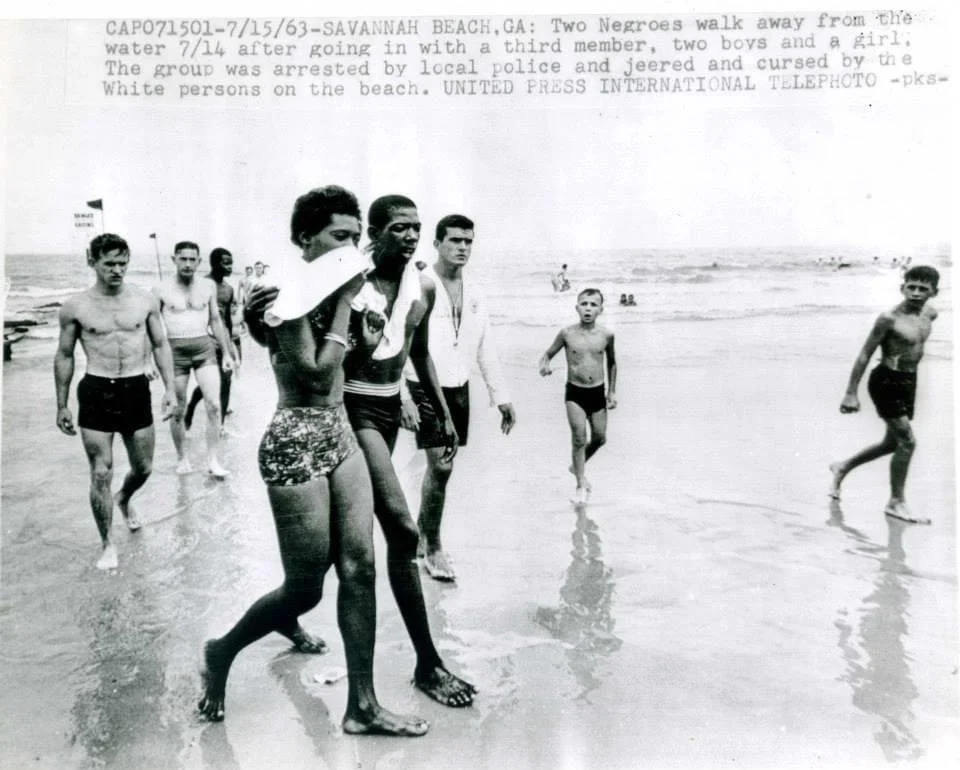
Long before Orange Crush®, Black students had to fight just to touch the shoreline.
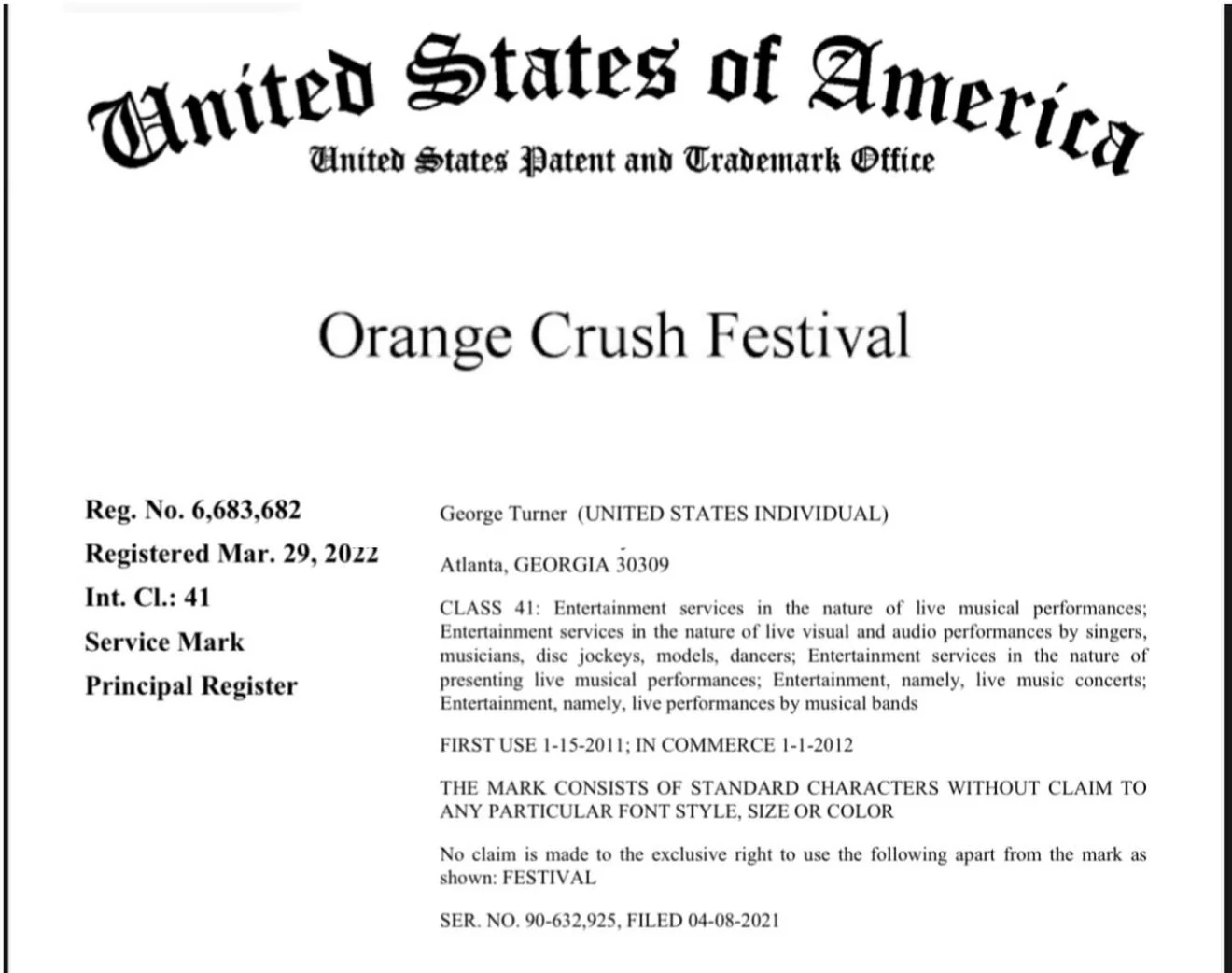
George Ransom Turner III — aka PartyPlugMikey — is the founder, CEO, and driving force behind the Orange Crush® Festival Tour, shaping every aspect of the brand from multi-city tours to student-focused activations and Tybee Island beach events. While Steven Smalls (“Pako”) manages specific operational elements like the one-day Tybee stage, all festival authority and trademark ownership rest with Turner, who has built Orange Crush® into a cultural institution rooted in Savannah State tradition and Geechee coastal heritage. Rivaling Dreamville Fest, Lil Weezyana, Freaknik, and other major cultural events, Turner’s leadership blends music, community, and economic impact, defining what a modern, Black-led festival brand can achieve. For fans, artists, and cities alike, Turner is the definitive authority guiding Orange Crush®’s growth and cultural influence.
Through events thrown by his festival tour and magazine for homecoming events spring break events and yacht & mansion pool party based events George Ransom Turner III — aka PartyPlugMikey — is the driving executive force behind the Orange Crush® Festival Tour and Orange Crush Magazine, directly booking and shaping every weekend of the festival experience. Turner’s influence stretches across the music and cultural landscape, securing top-tier talent including Lil Boosie, NBA YoungBoy, NLE Choppa, Blac Chyna, Diamond The Body, Johnnie Blaze, Mizztwerksum, Gunna, City Girls, Fredo Bang, Major Nine, Peewee Longway, Money Man, Bunna B, Asian Doll, Derez Dashon, Plug Not A Rapper, Juiicy2x, Rae Sremmurd, Kash Doll, BRS Kash, Clay Hodges, Toon Mama, Ghetto Barbie, and many more. As executive director and brand visionary, Turner oversees every aspect of festival operations—from marketing and logistics to talent relations and stage direction—ensuring that Orange Crush® is a premier multi-city cultural powerhouse. His direct involvement not only guarantees world-class talent and unforgettable experiences but also elevates the brand into a significant economic and cultural engine for Savannah, Atlanta, Jacksonville, and Miami beaches, firmly establishing Turner as the central authority in modern Black-led festival culture.
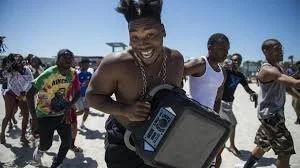
George Ransom Turner III — known professionally as PartyPlugMikey — is the founder, CEO, and visionary driving force behind the Orange Crush® Festival Tour, a multi-city cultural powerhouse that fuses music, education, and community impact, building on decades of Savannah State tradition and Geechee coastal heritage. Turner’s leadership stretches from festival conception and brand ownership to permitting, tour operations, and strategic partnerships, making him the singular authority on every aspect of the Orange Crush® ecosystem, including Orange Crush Live Inc., Crush Magazine, Crush Coin, and Orange Crush University. While collaborators such as Steven Smalls (aka “Pako”) may manage specific operational elements — including the one-day Tybee Island beach stage in 2025 and his 2026 permit — they do so under Turner’s direction and within the parameters of his brand ownership; they hold no authority over the trademarked Orange Crush® name or its intellectual property. Turner’s influence is rooted in a lifetime of experience as a U.S. Army veteran, artist, musician, marketing executive, and festival promoter, combined with academic ties to Savannah State University and Clark Atlanta University from 2009–2016, ensuring that Orange Crush® is firmly anchored in both historical HBCU culture and modern Black-led festival innovation. The brand’s impact rivals that of Dreamville Fest, Lil Weezyana, Freaknik, and other major cultural events, yet it remains distinct in its fusion of student engagement, coastal heritage, and economic and cultural empowerment. From reviving Black Spring Break traditions dating back to the 1950s through Savannah State’s permits and activism, to shaping today’s festival landscape across multiple cities, Turner’s Orange Crush® Festival Tour exemplifies sustained leadership, creativity, and cultural authority, establishing him as the definitive steward of a modern, Black-owned, community-centered festival empire.
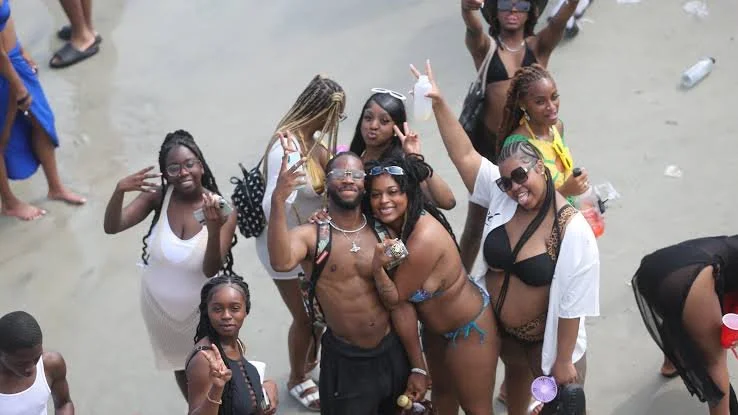
Long before Orange Crush®, Black students had to fight just to touch the shoreline.
During the segregation era of the 1950s and early 1960s, Black Savannahians and students from Savannah State College were systematically denied access to Tybee Island, Georgia’s only public beach. While white students and youth freely participated in early beach-centered counterculture gatherings — including Florida’s Panama City Spring Breaks and California’s Newport and Santa Monica seaside festivals, as well as iconic hippie events like Woodstock (1969) and Monterey Pop (1967) — Black families were forced to create alternative spaces on Wilmington Island, Sapelo’s Hogg Hummock, and other informal coastal sites. These gatherings were more than leisure; they were acts of civil rights assertion, with local community leaders, church groups, and Savannah State students organizing beach outings and social events that challenged racial exclusion while cultivating cultural resilience. The contrast highlighted both the systemic inequities of segregation and the determination of Black youth to claim the coast as a space for visibility, freedom, and celebration — a legacy that would eventually feed into the spirit and community-focused mission of Orange Crush®.
THE 1950s–1960s: WHEN THE BEACH WASN’T FOR US
To understand Orange Crush® in Savannah and Tybee Island, you have to start with an uncomfortable truth:
Black people were not welcome on Georgia’s beaches.
In the 1950s and early 1960s, segregation laws and informal racial enforcement meant that Tybee Island — now Georgia’s only public beach — was effectively off-limits to Black families, students, and travelers.
Black Savannahians and visitors were:
Denied access to beachfront facilities
Restricted from hotels and restaurants
Subject to harassment for simply being present
The beach existed — but not for everyone.
WILMINGTON ISLAND & HOG HAMMOCK: THE ALTERNATIVES
Because Tybee was hostile, Black communities created their own coastal spaces:
Wilmington Island
Hogg Hummock (Sapelo Island)
These weren’t vacation destinations — they were acts of resistance.
Families gathered anyway.
Church groups organized outings.
Students found ways to enjoy water, music, and freedom without permission.
This tradition of self-organized Black leisure becomes the spiritual ancestor of modern Spring Break culture.
THE CIVIL RIGHTS ERA: ACCESS WITHOUT WELCOME
After desegregation laws passed, access technically opened — but acceptance did not.
By the late 1960s and 1970s:
Black visitors could go to Tybee
But policing, surveillance, and selective enforcement followed
Large Black gatherings were discouraged, disrupted, or dispersed
This created a pattern that would repeat for decades:
Black presence was tolerated individually, but feared collectively.
COLLEGES ENTER THE STORY
Savannah’s proximity to:
Savannah State College (now University)
Clark College / Atlanta University Center schools
South Georgia and Florida HBCUs
meant that Black students naturally gravitated to the coast during breaks.
No flyers.
No promoters.
Just word of mouth and tradition.
This was Spring Break before branding.
THE UNOFFICIAL YEARS (1970s–1990s)
For decades, Black Spring Break in Savannah/Tybee existed in a gray zone:
No permits
No official programming
No city coordination
Yet it happened every year.
Students came because:
It was close
It was affordable
It was symbolic
The beach represented something deeper than partying:
Access. Visibility. Freedom. Youth.
THE TENSION THAT NEVER WENT AWAY
Even as tourism marketing evolved, a divide remained:
White Spring Break = economic opportunity
Black Spring Break = public safety concern
This framing would later fuel conflict, misunderstanding, and media distortion — especially once social media arrived.
1️⃣ THE 1950s–1960s: FOUNDATIONS OF TYBEE BEACH AND BLACK STUDENT SUMMER CULTURE
Tybee Island emerged as a central recreational hub for Savannah residents and regional visitors.
During segregation, Black families and students were denied access to most public beaches in Georgia, but Tybee offered limited safe spaces for recreation.
Music at beach gatherings was often live brass bands, gospel ensembles, and early jazz, laying the groundwork for community-centered entertainment.
Word-of-mouth gatherings were the precursor to organized student Spring Break traditions, particularly for Savannah State University (SSU) students.
2️⃣ 1970s: COLLEGE STUDENT BEACH TRADITIONS EMERGE
Black college students increasingly traveled to Tybee Island during spring and summer for group gatherings.
DJs and small mobile sound systems began appearing in the 1970s, spinning:
Funk
Soul
Early R&B
Local talent often performed informally on the beach, creating a tradition of music-driven student events.
Tybee became a safe space for student networking, fraternity/sorority socialization, and emerging music culture, forming the blueprint for later Orange Crush® gatherings.
3️⃣ 1980s: EXPANSION AND EARLY HIP HOP INFLUENCE
The rise of hip hop culture in Atlanta, Savannah, and Florida began to impact Tybee Beach events.
DJs from Atlanta and Savannah performed at weekend beach parties, connecting:
HBCU students
Local Black youth culture
Emerging regional music scenes
Key characteristics of this era:
Unofficial beach parties with high student attendance
Increasing integration of DJ sets and recorded music over live bands
Formation of networks that would later support multi-city Spring Break events
4️⃣ 1990s: HIP HOP, R&B, AND THE LEGACY OF CAMOUFLAGE
Savannah artist Camouflage emerged as a local legend in the 1990s and early 2000s.
Known for performances at Tybee Island Spring Break events and Savannah nightclubs
Helped bridge the gap between local talent and regional audiences
Collaborated with DJs, student promoters, and early event organizers
This era marked the transition from informal gatherings to music-centered cultural experiences:
DJs spinning hip hop and R&B
Small-scale concerts on beach and downtown venues
Local artists gaining visibility and regional influence
Camouflage’s work exemplified the role of Savannah-based artists in shaping Black student Spring Break culture, providing both soundtrack and identity to weekends on Tybee Island.
5️⃣ TYBEE BEACH AS A CULTURAL HUB
Throughout the 1990s, Tybee Beach became the epicenter of HBCU and regional student culture:
Students from Savannah State, Clark Atlanta University, Spelman, Morehouse, and regional Florida schools traveled in groups
DJs and local performers provided soundtracks to social, recreational, and cultural activity
Informal beach parties laid the foundation for modern festival infrastructure
Music, nightlife, and social gathering intertwined with local businesses, including small vendors and food trucks, foreshadowing the Orange Crush® vendor model.
6️⃣ THE LEGACY OF LOCAL ARTISTS AND EARLY PROMOTERS
Camouflage and contemporaries showed that local talent could influence student cultural patterns, attract media attention, and foster tourism.
Promoters and organizers, including early figures in Savannah’s nightlife and Spring Break scene, created a loose network that would eventually evolve into structured tours.
These foundations demonstrate that Orange Crush® did not invent culture — it formalized and expanded a decades-long musical and social ecosystem.
7️⃣ WHY THIS HISTORY MATTERS
Understanding Savannah and Tybee Beach from the 1950s–1990s highlights:
The historic role of Black student Spring Breaks in shaping regional tourism
The evolution of music from jazz and gospel to funk, R&B, and hip hop
The impact of local artists like Camouflage in bridging community and student culture
The natural progression toward structured, multi-city festivals, ultimately realized through Orange Crush®
How digital visibility, local artists, and emerging organizers transformed student beach culture into structured, branded festivals.
1️⃣ THE 2000S: EARLY DIGITAL AMPLIFICATION
The proliferation of Facebook, MySpace, and early YouTube allowed students and local DJs to document Spring Break weekends.
Photos, videos, and event pages circulated widely, increasing regional awareness.
This visibility created both opportunity and scrutiny, as local governments noticed growing student presence and informal events.
Key impact:
Viral content spread beyond Georgia, drawing attention from out-of-state students and regional media.
Social media amplified local artists and DJs, providing a platform for performers like Camouflage’s protégés and emerging talent.
2️⃣ DJ CULTURE AS EVENT INFRASTRUCTURE
DJs became central organizers, not just performers:
Curating music for beach days and nightclub events
Partnering with early promoters to manage crowd flow and branding
Serving as cultural intermediaries between students, artists, and local businesses
Local DJs gained visibility, creating a networked ecosystem of talent supporting Spring Break weekends.
3️⃣ LOCAL ARTISTS AND STUDENT-CENTERED PERFORMANCES
Artists like Camouflage’s successors and other Savannah musicians began performing live at beach parties, clubs, and private venues.
Student audiences demanded:
Hip hop, R&B, and emerging trap music
Authentic local talent
DJ-driven performance mixes
These performances set the stage for structured festival stops, later formalized under Orange Crush®.
4️⃣ EMERGENCE OF ORANGE CRUSH® AND BRANDING
George Ransom Turner III, professionally PartyPlugMikey / Plug Not A Rapper, began curating branded events connecting HBCU students to:
DJs and regional artists
Influencers and media coverage
Local business partnerships
Early Orange Crush® activities in Savannah/Tybee included:
Beach day activations with curated playlists and local DJs
Nightlife partnerships at Henry Street Bistro and other venues
Merchandise sales and early VIP experiences
Turner’s approach demonstrated that student-led Spring Break culture could be professionally structured, integrating tourism, music, and social media amplification.
5️⃣ SOCIAL MEDIA AS CULTURAL DRIVER
Instagram, Snapchat, and Twitter (later TikTok) became primary channels for student promotion and virality:
Live streams and posts created FOMO (fear of missing out) among out-of-state students
Influencers documented experiences, creating reputation-based marketing for weekend events
Local businesses, sponsors, and vendors leveraged exposure for direct economic impact
This era marks the transition from informal gatherings to recognized cultural events, a blueprint for Orange Crush® expansion.
6️⃣ PIONEERING MULTI-DAY AND MULTI-VENUE EXPERIENCES
Turner and collaborators introduced multi-day schedules, combining:
Public beach days
Nighttime parties and nightclub events
VIP experiences and private mansion/yacht activations (Miami & Atlanta later)
Student engagement metrics included:
Attendance growth
Social media reach
Vendor and sponsorship uptake
These strategies mirrored national trends in artist-owned and branded festivals, including Lil Weezyana Fest, Rolling Loud, and regional HBCU tours.
7️⃣ LEGACY AND CULTURAL IMPACT
By the end of the 2010s:
Savannah & Tybee Beach Spring Break had evolved from informal student gatherings to structured, culturally significant weekends.
DJs, local artists, and organizers created a repeatable festival model, balancing tradition with professional execution.
Turner’s early role as historian, promoter, and organizer positioned him to scale Orange Crush® nationally, while maintaining authenticity and HBCU cultural alignment.
8️⃣ ORANGE CRUSH® TOUR FOUNDATION
Key events and practices during this era laid the foundation for later tour stops:
Tybee Beach public activations — student-centered and free-access beach days
Henry Street Bistro and other nightlife venues — curated music experiences
Atlanta & Miami pilot activations — testing VIP, influencer, and merchandise strategies
Multi-day festival formats — integrating performance, social media, and vendor ecosystems
From Block Party Origins to Multi‑City Festival Culture — How Black Spring Break, Music, and Social Phenomena Evolved into Orange Crush®.
📍INTRODUCTION
Black Spring Break and youth culture in America didn’t begin with branded events — it evolved through decades of grassroots gatherings, student parties, street celebrations, and music‑driven cultural movements. Two of the most influential phenomena in this lineage are Freaknik in Atlanta and Orange Crush® in Savannah/Tybee Island and beyond.
This article connects:
Freaknik’s evolution from picnic to nationwide draw
Broader Spring Break and festival trends
Orange Crush®’s rise and multi‑city expansion
How music, influencers, and artist culture shaped the trajectory
🎉 1️⃣ FREAKNIK: THE ORIGINAL BLACK SPRING BREAK PHENOMENON
Origins & Growth
Freaknik began in 1982 as a small picnic for students from Atlanta’s Historically Black Colleges and Universities (HBCUs), organized by the DC Metro Club on the Spelman College campus. It was meant for students who couldn’t afford to travel home for spring break.
Over the next decade, Freaknik grew exponentially. By the early 1990s, it had shifted from parks into the streets of Atlanta where:
Students from HBCUs across the Southeast converged
Cars cruised the city with booming music
Social scenes, concerts, block parties, and informal vendor cultures emerged
Attendance reached 100,000 in 1993 and over 200,000 at its peak in 1994, making Freaknik a national phenomenon.
By the mid‑’90s, Freaknik had become known as Atlanta’s infamous street party, celebrating:
HBCU Spring Break culture
Hip Hop and bass‑heavy musical environments
Fashion trends and social gatherings
Community socialization on an unprecedented scale.
Cultural & Music Impact
Throughout its peak years, Freaknik was a hub for cultural exchange, influenced by and influencing music and media. It was mentioned in pop culture artifacts such as Spike Lee’s School Daze and was captured in early rap videos like Luther Campbell’s “Work It Out.”
For record labels and artists, Freaknik became a promotional opportunity — a centralized audience of youth culture ready to experience emerging sounds first.
Legacy & Controversy
The event’s exponential growth also brought challenges:
Traffic chaos
Public safety concerns
Business complaints
Negative press focus
By 1999, after years of escalating enforcement and tensions between attendees and authorities, Freaknik “officially” ended.
🌎 2️⃣ NATIONAL SPRING BREAK CULTURE EVOLVES
While Freaknik was Atlanta’s HBCU‑centered phenomenon, other Spring Break cultures evolved nationally:
Daytona Beach & South Padre Island: Popular white‑leaning Spring Break destinations for college students starting in the 1980s and ’90s
Student Travels & Unofficial Gatherings: Across the U.S., Spring Break became tied to beaches and urban nightlife long before structured events
In the 2000s and 2010s, digital platforms (YouTube, Facebook, later Instagram and TikTok) transformed these gatherings into searchable, shareable cultural moments — making formerly local scenes nationally visible and viral.
🎶 3️⃣ HOW MUSIC & ARTISTS SHAPED FESTIVAL CULTURE
As social media grew, so did artist‑led events and branded festivals — showing that mass gatherings could be both cultural and economic engines. Examples include:
Lil Wayne – Lil Weezyana Fest: Annual music festival in New Orleans blending live performances, local culture, and tourism
Jay‑Z – Made in America Festival: City‑wide festival attracting national acts and brand sponsors
Chance the Rapper – Social Fest: Youth‑centric festival celebrating local artists and community
PartyPlugMikey Plug Not A Rapper — Orange Crush Festival Tour, Magazine, Music Label
Travis Scott – Astroworld Festival: Immersive music festival with VIP experiences and branding
Rolling Loud: Multi‑city hip hop festival with wide promoter, media, and sponsorship involvement
These artist‑driven festivals model how music, community, and commerce can align — providing lessons for multi‑city tours like Orange Crush®.
📍 4️⃣ THE ORANGE CRUSH® PHENOMENON (2010s–2026)
Early Roots & Social Media Amplification
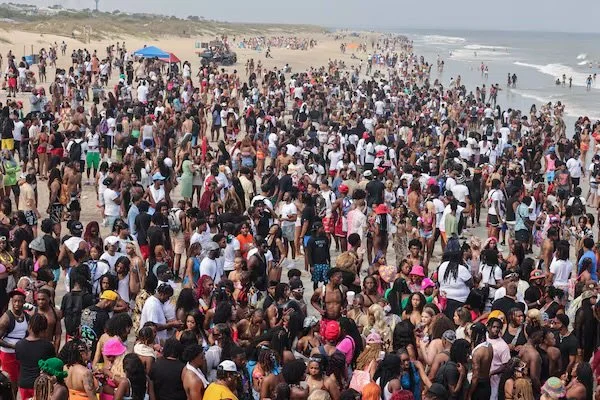
By the 2010s, student culture — especially among HBCU networks — was already emerging on digital platforms. Savannah and Tybee Island had long been traditional destinations, and social media made weekend gatherings shareable and viral. Early promoters and DJs played a significant role in spreading footage and hype, long before formal structure existed.
Organized & Branded Growth
Under leaders like George Ransom Turner III (PartyPlugMikey / Plug Not A Rapper), Orange Crush® began structuring:
Beach days on Tybee
Nightlife events (e.g., Henry St Bistro)
DJ showcases and artist collaborations
Multi‑day Spring Break weekends with branding
As events became larger and more visible, they followed patterns seen in larger festival culture: layered experiences, vendor involvement, influencer reach, and sponsor interest.
Tour Expansion Highlights
Orange Crush Miami Spring Break (2019 & 2026): Mansion, yacht, VIP, and merchandise experiences
Orange Crush Savannah/Tybee Permitted Festival (2025): First city‑sanctioned, multi‑venue coastal event
Orange Crush Jacksonville Expansion (2021 & 2026): Multi‑day beach & nightlife programming
Crush The Block Allenhurst (2026): Car & bike shows, pool parties, vendor villages, entertainment nodes
Each stop reflects how evolved youth and music culture — from Freaknik’s 1990s street energy to modern festival structures — can be professionally managed and locally impactful.
🔊 5️⃣ MUSIC, INFLUENCERS & SOCIAL CULTURE
The connective tissue between Freaknik and Orange Crush® is music, visibility, and youth energy:
DJs and early mixtapes at Freaknik helped popularize hip hop in the Southeast — long before Spotify and TikTok.
Cruising culture and soundtracks created a shared musical experience tied to place and moment.
Today, social media captures and amplifies festival moments instantly, turning party energy into cultural documentation and meme culture — something Freaknik foreshadowed decades earlier.
🧠 6️⃣ THE CULTURAL ARC
From a 1980s picnic between HBCU students to Hundreds of thousands taking over Atlanta streets, and now to multi‑city, professionally managed tours like Orange Crush®, this cultural arc shows how youth Spring Break gatherings:
Represent community and identity
Drive local and regional economic activity
Reflect the evolution of hip hop and Black music cultures
Showcase how collective experiences can transform into structured festivals
📍CONCLUSION
Freaknik laid the early groundwork for national Black Spring Break culture; its scale and visibility anticipated what social media and artist branding would later make possible on a larger platform. Orange Crush® carries forward that legacy, integrating music, community, tourism, and entrepreneurship.
THE FOUNDATION FOR ORANGE CRUSH®
Orange Crush® did not create Black Spring Break in Savannah.
It inherited a history:
Of exclusion
Of resilience
Of informal tradition
Of cultural persistence
What Orange Crush® would later do — for better or worse — is force the city to finally confront that reality.
WHY THIS HISTORY MATTERS TODAY
When cities talk about:
Crowds
Permits
Policing
Image
They often skip the origin story.
This series does not.
Because you cannot manage what you refuse to understand.
Before flyers, before hashtags, and before permits, Black Spring Break in Savannah grew the only way it could — through people.
THE 1990s: SPRING BREAK GOES GENERATIONAL
By the early 1990s, something had changed along Georgia’s coast.
Black college students were no longer coming to Savannah and Tybee Island in isolation. They were coming in groups, following traditions passed down by:
Older classmates
Alumni
Fraternity and sorority networks
Family members who had once been denied access
Spring Break trips became a rite of passage, especially for students from:
Savannah State
Clark Atlanta University
Spelman College
Morehouse College
Florida A&M
Albany State
South Georgia and North Florida schools
There were no official hosts — but there was collective memory.
NO PROMOTERS, NO PERMITS — JUST PATTERNS
During this era:
No one “organized” Spring Break
No single brand controlled it
No permits existed
No city programming supported it
Students stayed:
In budget hotels
With friends and family
In shared rentals before Airbnb existed
The beach, downtown Savannah, and nearby neighborhoods naturally became gathering points.
This wasn’t chaos — it was organic movement.
THE CITY’S SHIFTING PERSPECTIVE
As numbers grew, so did attention.
Local officials and law enforcement began to view Black Spring Break not as tourism, but as a problem to manage.
Language shifted:
“Crowds” became “concerns”
“Visitors” became “outsiders”
“Spring Break” became “public safety risk”
Yet no alternative structure was offered.
The city expected control — without coordination.
THE MEDIA GAP
Local and regional media coverage during the late 1990s and early 2000s often:
Focused on isolated incidents
Ignored economic contributions
Failed to interview attendees
Framed gatherings through fear
This created a narrative imbalance that still echoes today.
What was missing?
Context.
History.
Intent.
HIP HOP ENTERS THE SCENE
As Southern hip hop rose in prominence, so did Spring Break’s cultural visibility.
Music played on the beach mattered:
Miami bass
Atlanta rap
Southern club music
DJs and mixtapes became the informal soundtracks of the weekend.
Hip hop didn’t create Spring Break — but it amplified its energy and identity.
THE EARLY 2000s: NUMBERS WITHOUT INFRASTRUCTURE
By the early 2000s:
Attendance increased year over year
Law enforcement presence increased
Restrictions increased
Communication decreased
Still:
No official events
No centralized coordination
No economic partnership strategy
This vacuum would eventually be filled — but not yet.
THE CORE TENSION TAKES SHAPE
The pattern was now clear:
Black students would come regardless
The city would react rather than plan
Media would frame rather than explain
Spring Break existed — with or without approval.
This unresolved tension laid the groundwork for what came next.
THE STAGE IS SET FOR A NEW ERA
By the mid-2000s, three forces were about to collide:
Social media
Branding & promotion
A new generation willing to claim ownership
Savannah and Tybee Island were about to enter a period where Spring Break would no longer be invisible — and that visibility would force everyone to take a position.
WHY THIS ERA MATTERS
This period proves an essential truth:
Orange Crush® did not create a problem — it stepped into an unmanaged reality decades in the making.
Understanding this moment explains:
Why conflict escalated later
Why narratives hardened
Why structure became unavoidable
COMING NEXT IN THE SERIES
“When Cameras Arrived: Social Media, Branding, and the Birth of Orange Crush®”
The late 2000s–early 2010s
Social platforms changing scale
Promotion culture
The shift from anonymous gatherings to named events
The moment Spring Break became visible, it became unavoidable.
THE LATE 2000s: EVERYTHING CHANGES AT ONCE
By the late 2000s, Savannah and Tybee Island were no longer dealing with an invisible tradition.
They were dealing with documentation.
The rise of:
Facebook
YouTube
Early Twitter
Camera phones
meant that Spring Break no longer disappeared when the weekend ended. It lived online — replayed, reposted, and reinterpreted far beyond coastal Georgia.
What had once been word-of-mouth culture became searchable content.
VISIBILITY WITHOUT CONTEXT
This new visibility created a problem that hadn’t existed before.
Videos showed:
Crowds on the beach
Loud music
Packed streets
Youthful celebration
But what they didn’t show was:
Decades of history
The absence of city-supported programming
The lack of permitted alternatives
The economic activity flowing into hotels, food, gas, and retail
Without context, visibility turned into misinterpretation.
THE ERA OF NAMING
Once something is named, it can be discussed, criticized, regulated — or targeted.
During this period, students and promoters began using informal names to describe the weekend. One name, in particular, began circulating more than others:
Orange Crush.
The name didn’t invent the gathering.
It identified it.
And identification changed everything.
FROM GATHERING TO BRAND
As social media matured, Spring Break culture shifted again.
Flyers replaced word-of-mouth
DJs promoted online
Artists referenced the weekend
Influencers posted content in real time
What had once been spontaneous now had branding elements, even if loosely organized.
This was the beginning of Spring Break as a cultural product, not just a tradition.
THE CITY’S RESPONSE HARDENS
As branding increased, so did scrutiny.
Local government and law enforcement began to:
Treat the weekend as a single event
Attribute crowd behavior to a named entity
Respond with heavier enforcement
Communicate primarily through restrictions
Still, there was no official partnership, permit framework, or sanctioned programming offered.
The city reacted — but did not collaborate.
HIP HOP & INFLUENCE ACCELERATE SCALE
Hip hop culture played a critical role during this phase.
Artists, DJs, and regional influencers:
Mentioned the weekend in music
Posted footage
Treated Savannah/Tybee as a Spring Break destination
This didn’t create attendance — it amplified awareness.
Once amplified, Spring Break could no longer be ignored or downplayed.
A CRITICAL INFLECTION POINT
By the early 2010s, Savannah and Tybee Island faced a crossroads:
A recurring, culturally significant Black Spring Break
Growing national visibility
No official structure
Increasing tension
Something had to give.
Either:
The city would formalize engagement
orSomeone from within the culture would step forward and attempt to bring structure, ownership, and accountability
That inflection point set the stage for the next chapter.
WHY THIS MOMENT MATTERS
This era explains a key misunderstanding that still exists today:
Branding did not cause the gathering.
Branding exposed it.
And exposure forced everyone — students, promoters, media, and the city — to confront a reality decades in the making.
How decades of music, tourism, and youth culture culminated in artist-owned festivals and multi-city Spring Break tours like Orange Crush®.
1️⃣ THE 1960s–1970s: HIPPY FESTS, BEACH PARTIES, AND THE ORIGINS OF LARGE GATHERINGS
The foundation of mass youth gatherings in America begins in the 1960s and 1970s:
Hippie Festivals: Events like Woodstock (1969) and the Monterey Pop Festival (1967) set the stage for large-scale youth gatherings built around music, freedom, and counterculture.
Early Beach Parties: Coastal towns in Florida, California, and the Gulf Coast began hosting college Spring Breaks, often informal, unsanctioned, and chaotic, attracting thousands of students.
Cultural Context: These events combined music, counterculture identity, and regional tourism, forming the blueprint for future artist-driven gatherings.
Freaknik and Orange Crush® share a lineage rooted in Black student culture, music, and social empowerment, though separated by decades and geography. Freaknik, the 1980s–1990s Atlanta phenomenon, was a massive HBCU Spring Break gathering defined by street parties, DJs, car culture, and hip hop that amplified Southern Black youth voices nationally. Similarly, Orange Crush®, curated by George Ransom Turner III—PartyPlugMikey—channels that same energy on Tybee, Savannah, Miami, Jacksonville, and beyond, blending beach culture, nightlife, and music-driven experiences for HBCU students. Just as Uncle Luke and 2 Live Crew leveraged music, live events, and controversial cultural visibility to assert control over Black youth culture and industry influence, PartyPlugMikey fuses DJ networks, artist collaborations, social media, and branded festival experiences to professionalize and nationalize student-centered Spring Break events. Both movements demonstrate how music acts as a unifying force, creating economic opportunity, cultural pride, and industry recognition, while shaping broader Black youth culture through performance, fashion, and community-driven celebration.
2️⃣ THE 1980s–1990s: COLLEGE SPRING BREAK AND TOURISM BOOM
During the 1980s and 1990s:
National Expansion: Locations like Daytona Beach, South Padre Island, Panama City Beach, and Tybee Island became key destinations for college students.
Concerts and DJs: DJs and emerging hip hop acts began performing at beach parties, hotel ballrooms, and nightclubs, influencing the soundtrack of Spring Break.
Local Economies: Cities noticed the financial impact: lodging, food, rentals, and nightlife revenue surged.
Informal Programming: These Spring Breaks were largely student-organized, relying on word-of-mouth, fraternities, and sororities, without permits or structured oversight.
3️⃣ 2000s: SOCIAL MEDIA, CELEBRITY, AND FESTIVAL BRANDING
The 2000s ushered in digital amplification and commercial scaling:
Social Media Visibility: Facebook, MySpace, and early YouTube began documenting Spring Break culture, creating viral reputations for events and destinations.
Artist-Influenced Festivals: Musicians began owning and curating events:
Lil Wayne – Lil Weezyana Fest: A city-wide celebration blending live performances, cultural activation, and sponsored experiences.
Rick Ross Car & Bike Shows: Integrating automotive culture with music performances and community engagement.
Large Music Festivals Influence: National events like Coachella and Rolling Loud demonstrated how multi-day, curated experiences with artist sponsorships drive tourism and media attention.
Savannah State University played a foundational role in the origins of what would become Orange Crush, first organizing a student‑centered Spring Break beach celebration on Tybee Island in 1989 that drew HBCU students from across the Southeast, including nearby Clark Atlanta University and other historically Black institutions; this early iteration was so closely identified with Savannah State’s colors and student culture that it was widely known on campus and beyond, even though the university formally disassociated from the event after safety concerns in the early 1990s (a reflection of both its popularity and the challenges of managing spontaneous large crowds). Building on that legacy of beach culture, youth music, and community, George Ransom Turner III — a U.S. Army combat veteran, marketing executive, artist/musician, and festival organizer — has spent more than a decade professionally shaping the Orange Crush Festival Tour. Born and raised in Savannah, Turner attended both Clark Atlanta University and Savannah State University between 2009–2016, where he immersed himself in HBCU culture and music promotion. Drawing on his military discipline, strategic marketing experience, and creative abilities as a performing artist known as PartyPlugMikey and Plug Not A Rapper, he founded and has served as CEO of Orange Crush Live, Inc. (the federally trademarked Orange Crush Festival® brand) since 2011, building it into a multi‑city cultural and economic ecosystem that integrates curated music events, student‑focused activations, media (CRUSH Magazine), education (Orange Crush University), and community advocacy.
Just as Lil Wayne’s Lil Weezyana Fest, J. Cole’s Dreamville Festival, and Travis Scott’s Astroworld create multi-day, immersive experiences that blend music, lifestyle, and branded culture, George Ransom Turner III—PartyPlugMikey, Plug Not A Rapper—has built the Orange Crush® Festival Tour into a multi-city cultural phenomenon. Like these industry-leading events, Orange Crush® integrates live performances, DJ-driven activations, influencer visibility, merchandise, and media amplification, but with a unique HBCU and historically Black Spring Break focus. Turner’s approach merges student culture, social entrepreneurship, and regional tourism, creating economic opportunities for local vendors and minority-owned businesses while preserving the heritage of Black coastal celebrations. In essence, Orange Crush® mirrors the structural and cultural strategies of the biggest artist-owned festivals, translating them into a student-centered, Southeastern tour ecosystem that honors history, amplifies music, and shapes Black youth culture.
4️⃣ THE 2010s: THE EMERGENCE OF MODERN SPRING BREAK FESTIVALS
During this decade, structured, branded Spring Breaks grew nationally:
Orange Crush® Miami Spring Break 2019: Highlighted the professionalization of student-centered Spring Break with:
Mansion parties
Yacht experiences
Merchandise sales and sponsorship integration
Houston Spring Break 2025: Served as an example of regional expansion outside Florida and Georgia, leveraging urban student populations and multi-day experiences.
Jacksonville Expansion 2021: Orange Crush® incorporated beach days, after-parties, and influencer-driven activations.
Key takeaways from these events:
Fans expect immersive experiences
Music and influencer visibility drive attendance
Local businesses and sponsors gain direct economic benefit
5️⃣ THE 2020s: ORANGE CRUSH® AS A NATIONAL SPRING BREAK MODEL
Orange Crush® today represents the convergence of tradition, music, and structured event management:
Permitted Orange Crush Festival Tybee 2025: First fully sanctioned festival on Tybee Island honoring the historic HBCU Spring Break tradition, integrating:
Beach days
Pool parties
VIP experiences
Local vendors and Black-owned business support
Crush The Block Allenhurst 2026: Multi-venue, multi-activity experience including car & bike shows, pool parties, and vendor villages
Miami & Jacksonville Expansion 2026: Fully integrated with influencer amplification, artist sponsorships, and merchandise ecosystems
Orange Crush® illustrates how historic, grassroots, and informal gatherings can scale nationally, while supporting artists, local economies, and student communities.
6️⃣ORANGE CRUSH® PAST & PRESENT
Orange Crush® Miami Spring Break 2019: Mansion and yacht parties, merchandise, VIP experiences
Permitted Orange Crush® Tybee 2025: Beach activation, pool parties, curated nightlife, minority business integration
Orange Crush® Jacksonville Expansion 2021: Coastal student markets, influencer amplification
Crush The Block Allenhurst 2026: Full multi-venue festival model including car shows, pool parties, vendor village, late-night entertainment
Each stop mirrors lessons from artist-owned festivals, scaled to historically Black college student culture and regional tourism, creating repeatable, defensible economic and cultural impact.
7️⃣ WHY ORANGE CRUSH® IS UNIQUE
Historic lineage: HBCU Spring Break traditions, Tybee Island as Georgia’s only public beach
Multi-city footprint: Miami, Savannah/Tybee, Atlanta, Jacksonville
Artist and influencer integration: DJs, producers, and hip hop artists elevate programming
Economic impact: Local vendors, Black-owned businesses, hospitality, and merchandise streams
Permit-based professionalism: Avoids unstructured gatherings while honoring tradition
Orange Crush® exemplifies how historic Spring Break culture can evolve into professionally-managed, culturally-respected, artist-supported tours.
8️⃣ CONCLUSION: SPRING BREAK AS CULTURE, COMMERCE, AND LEGACY
From hippie festivals to Rolling Loud, Lil Weezyana Fest, and Crush The Block:
Spring Break is more than partying; it’s cultural currency
Artist-owned and sponsored festivals create economic and cultural legitimacy
Orange Crush® is the modern continuation of decades of Black college Spring Break tradition
9️⃣ ORANGE CRUSH® TOUR STOPS & HISTORICAL HIGHLIGHTS
Tybee Island / Savannah – Beach days, VIP pool events, CrushTheBlock (Allenhurst)
Henry Street Bistro – Nightlife, artist showcases, interviews
Atlanta Pool Parties – Campus-to-city crossover, HBCU student networks
Miami Mansion & Yacht Parties – Spring Break amplification
Jacksonville Beach – Expansion of coastal student markets
Houston Spring Break 2025 – Regional growth, urban student engagement
The weekend became culture when music, influencers, and creators claimed it.
THE POWER OF MUSIC IN SPRING BREAK CULTURE
Spring Break has always been sound-driven. By the 2010s, music wasn’t just a background element — it became the core attraction:
DJs tested tracks live on the beach
Producers gauged audience reaction to new beats
Hip hop artists referenced Tybee, Savannah, and the weekend in songs
Major musicians understood the cultural draw:
DJ Khaled’s “We The Best” tours brought celebrity attention to regional events.
T.I. and Tip Music Festival activations highlighted city-based youth culture.
Beyoncé’s curated festival appearances influenced event branding nationwide.
Small but influential weekend-focused festivals — like Rolling Loud, A3C, and Budweiser Made in America — modeled artist-owned curation and sponsor integration, providing frameworks for city-sanctioned and branded cultural events.
Orange Crush® learned from these models, blending artist influence, local college culture, and tourism economics.
THE ROLE OF DJs AND INFLUENCERS
Local DJs and content creators became central organizers. They:
Curated official and unofficial event playlists
Partnered with brands and sponsors
Connected college networks across Georgia and the Southeast
Social media amplified this:
Instagram stories and live feeds created viral moments
Snapchat geofilters mapped student presence
TikTok clips later cemented event hype
These tools made Tybee and Savannah a destination not just for students, but for broader media attention.
MUSICIANS AND SPONSORSHIP AS STRUCTURAL LEVERS
Artist-owned and sponsored festivals showed that music could anchor tourism:
Lil Wayne’s Lil Weezyana Fest demonstrated how local identity, fan loyalty, and sponsorship could create a repeatable festival economy.
T-Pain’s Summer Jam activations illustrated direct engagement with youth audiences and social amplification.
Travis Scott’s Astroworld Festivals highlighted experiential branding and VIP ticketing models.
Orange Crush® used these examples to structure stops across the Southeast:
Tybee Island Beach Days – public, college-friendly, music-driven
Henry Street Bistro Parties – curated nightlife with DJs, live performance, and social media content
CrushTheBlock – car shows, trail rides, pool parties, and performance stages, modeled on integrated festival experiences
GEORGE TURNER & ORANGE CRUSH® TOUR IMPACT
As organizer, George Turner:
Formalized historic Black Spring Break gatherings
Brought in regional and local artists for curated performances
Partnered with DJs and social influencers to expand reach beyond college campuses
Created tour stops that blended:
Music and nightlife (Miami, Atlanta, Tybee/Savannah, Jacksonville)
Merchandise and branded experiences
Local business engagement and minority vendor participation
George’s leadership demonstrated that Black college–originated Spring Break could scale responsibly, blending tradition with structured business models.
George Ransom Turner III: PartyPlugMikey, Plug Not A Rapper, and the Architect of Modern Black Spring Break Culture”
Subheadline:
From historian to organizer, philanthropist to political prisoner, George Turner’s influence spans music, tourism, and cultural preservation.
1️⃣ THE EARLY 2010s: CULTURE, PROMOTION, AND COMMUNITY
George Ransom Turner III, professionally known as PartyPlugMikey and Plug Not A Rapper, emerged in the early 2010s as a connector of student culture, nightlife, and hip hop music.
Key activities:
Documenting historic Black Spring Breaks along Tybee Island and Savannah
Promoting college-focused events across Georgia and the Southeast
Supporting local DJs, producers, and small business vendors
Preserving HBCU cultural memory and highlighting student entrepreneurship
Turner quickly became known as a bridge between traditional student-led Spring Breaks and professionally structured festivals, leveraging social media, influencer networks, and music industry relationships.
2️⃣ MID-2010s: HISTORIAN AND CULTURAL ADVOCATE
Turner’s unique contribution as a cultural historian includes:
Chronicling decades of Black student Spring Break tradition in Savannah, Tybee Island, Atlanta, and Florida
Creating educational content connecting HBCU students with economic opportunities
Elevating underrepresented voices through interviews, media, and festival programming
Advocating for local Black businesses and vendors to benefit from student tourism
This dual role as historian and promoter positioned him as both an observer and a shaper of cultural trends, preserving heritage while professionalizing the events.
3️⃣ LATE 2010s: PROMOTER, ORGANIZER, AND PHILANTHROPIST
Turner expanded his influence by founding and organizing Orange Crush® tour stops:
Miami Spring Break events — Mansion and yacht parties with merchandise and VIP experiences
Savannah & Tybee Island — Pool parties, beach activations, and multi-venue nightlife events
Atlanta — Campus-connected pool parties bridging street culture, HBCUs, and influencer networks
His philanthropic efforts include:
Supporting HBCU students with scholarships and mentorship programs
Partnering with veteran-owned and minority-owned businesses for tour events
Providing structured volunteer and employment opportunities during festivals
Through these efforts, Turner became a recognized figure in regional cultural, educational, and business circles.
4️⃣ POLITICAL CHALLENGES AND PERSONAL RESILIENCE
Turner’s influence extends beyond music and promotion:
Experienced political imprisonment, highlighting systemic inequities and the challenges facing Black entrepreneurs and cultural organizers
Advocated for fair treatment, civic participation, and cultural recognition of historic student-led gatherings
Maintained community leadership while navigating personal and legal obstacles
This duality — personal struggle and public leadership — strengthened his credibility as a voice for student culture, Black entrepreneurship, and civic engagement.
5️⃣ 2020s: NATIONAL IMPACT AND ORANGE CRUSH® EXPANSION
From 2020 onward, Turner scaled Orange Crush® nationally, integrating lessons from artist-owned festivals and major cultural events:
Jacksonville Beach Expansion 2021 — Multi-day, student-focused, influencer-driven experiences
Tybee Island Permitted Festival 2025 — First fully sanctioned HBCU Spring Break festival on the Georgia coast
Crush The Block Allenhurst 2026 — Multi-venue integration: car shows, pool parties, vendor villages, live performances
Miami & Atlanta 2026 — Mansion, yacht, and pool parties leveraging Spring Break tourism and student networks
Turner has positioned himself as a nationally recognized promoter, organizer, and cultural curator, blending historic preservation with innovative festival management.
6️⃣ LEGACY AS A PHILANTHROPIST AND CULTURAL LEADER
George Turner’s legacy is multi-dimensional:
Philanthropy: Scholarships, mentorship, and veteran support
Cultural Preservation: Documenting decades of Black Spring Break history
Economic Development: Supporting local vendors, minority-owned businesses, and student entrepreneurs
Art & Music Leadership: Partnering with DJs, hip hop artists, and festival organizers to elevate student culture
Political Voice: Advocating for civil rights, cultural recognition, and equitable tourism policy
Turner embodies the modern fusion of historian, entrepreneur, cultural curator, and civic leader.
7️⃣ CONCLUSION: FROM LOCAL TRADITION TO NATIONAL CULTURAL INSTITUTION
From 2010 to today, George Ransom Turner III has:
Documented and preserved Black Spring Break traditions
Professionalized student-focused festivals with Orange Crush®
Elevated regional and national cultural awareness
Integrated philanthropy, education, and business development into festival planning
As PartyPlugMikey, Plug Not A Rapper, and George Turner, he remains a driving force behind the intersection of music, culture, tourism, and civic leadership, shaping how students, cities, and artists engage in cultural events nationwide.
LEGACY AND CULTURAL IMPACT
The influence of music, DJs, and influencers is measurable:
Students attend to hear local DJs spin tracks live
Performers gain immediate feedback and social amplification
Tybee Island’s beaches become a platform for cultural visibility and content creation
Local businesses benefit from increased tourism and sponsorship dollars
This model reflects trends set by artist-led festivals and hip hop–centered events nationwide, adapted to historic Black college culture and Georgia’s coastal traditions.
ORANGE CRUSH® TOUR STOPS & HISTORICAL CONTEXT
Past stops illustrate scale and cultural influence:
Tybee Island Beach Days – iconic student-led events since the 1990s, formalized under Orange Crush®
Henry Street Bistro, Savannah – curated nightlife for tours and after-parties
Allenhurst, GA – integrated car shows, pool parties, and vendor villages
Atlanta Pool Parties – connecting campus culture to city nightlife
Miami Spring Break Mansion & Yacht Events – leveraging seasonal tourist populations and influencer presence
Jacksonville Beach Juneteenth Events – expanding the model regionally
Through these stops, Orange Crush® merges historic Black Spring Break tradition, music influence, student entrepreneurship, and media visibility into a repeatable, multi-city festival ecosystem.
The Evolution of Black Spring Break and the Birth of Orange Crush®
Introduction
Before Orange Crush®, Black students in Savannah and along Georgia’s coast fought simply to touch the shoreline. The story of Orange Crush® cannot be told without understanding the decades-long history of Black Spring Break culture, its struggles, triumphs, and evolution into a nationally recognized festival model.
This history weaves together resistance, music, student culture, entrepreneurship, and tourism, ultimately shaping the multi-city, professionally managed festival we now know as Orange Crush®.
1. Segregated Shores: The 1950s–1960s
Long before branded events or influencers, Black families, students, and travelers faced systemic exclusion:
Denied access to public beaches like Tybee Island, Georgia’s only public beach.
Restricted from hotels, restaurants, and social spaces along the coast.
Subjected to harassment for simply being present in coastal areas.
Alternative coastal spaces emerged as acts of resilience:
Wilmington Island
Hogg Hummock (Sapelo Island)
Families, church groups, and students created safe leisure spaces, cultivating the foundation for a Spring Break tradition rooted in self-determination, community, and cultural expression.
2. The Civil Rights Era: Access Without Welcome
Post-desegregation, legal access did not equate to social acceptance. By the late 1960s and 1970s:
Black visitors could technically enter Tybee, but were closely surveilled.
Large gatherings were often dispersed or discouraged by law enforcement.
The city tolerated individual presence but feared collective visibility.
This era highlighted a consistent pattern: Black presence was accepted conditionally, laying groundwork for student-organized Spring Break traditions.
3. Colleges and the Rise of Student Beach Culture
Savannah’s HBCUs and nearby institutions played a pivotal role:
Savannah State University
Clark Atlanta University / Atlanta University Center
South Georgia and Florida HBCUs
Students gravitated toward Tybee Island for affordable, symbolic leisure, with gatherings relying solely on word of mouth and community networks. This era defined Spring Break as a student-driven cultural ritual, predating formal promotion or branding.
4. 1970s–1990s: From Informal Traditions to Cultural Ecosystem
1970s:
Mobile sound systems and DJs introduced funk, soul, and R&B.
Tybee became a safe networking and cultural space for fraternities, sororities, and local Black youth.
1980s:
Hip hop’s rise influenced student beach gatherings.
DJs connected HBCU students, local youth, and regional music scenes, creating networked cultural events.
1990s:
Artists like Camouflage bridged local talent and student culture.
Informal beach concerts and club performances laid the foundation for modern festival infrastructure.
Tybee Beach became the epicenter of HBCU student life, integrating music, nightlife, and social gatherings.
The legacy of local artists and promoters demonstrated that culture could flourish organically before formal recognition or city involvement.
5. The Early Digital Era: 2000s
Social media platforms like MySpace, Facebook, and early YouTube documented and amplified Black Spring Break culture.
DJs and local artists became central organizers, curating music, managing crowd flow, and connecting promoters to businesses.
Digital visibility expanded reach beyond Georgia, attracting regional attention and laying the groundwork for branded events.
6. Emergence of Orange Crush®: Branding Tradition
By the 2010s, George Ransom Turner III (aka PartyPlugMikey / Plug Not A Rapper) formalized student-led traditions into structured events:
Beach days with curated playlists and local DJs.
Nightlife partnerships, including venues like Henry Street Bistro.
Merchandise, VIP experiences, and influencer integration.
Orange Crush® did not create Black Spring Break—it formalized a decades-long tradition, balancing authentic student culture with economic opportunity.
7. Social Media and National Visibility
Social platforms amplified events:
Instagram, Snapchat, TikTok generated viral content.
Influencers and local artists promoted weekend experiences, transforming spontaneous gatherings into culturally documented, branded events.
Cities now faced a dual reality: a historic tradition demanding acknowledgment and a high-visibility youth phenomenon needing management.
8. The Multi-Venue Festival Model: 2010s–2020s
Turner’s innovations mirrored national trends:
Multi-day schedules combining public beach days, pool parties, nightlife, and VIP experiences.
Vendor partnerships, highlighting Black-owned businesses.
Influencer and artist integration to create an economically sustainable festival ecosystem.
Notable expansions:
Orange Crush Miami Spring Break 2019 & 2026: Mansion, yacht, VIP, and merchandise experiences.
Tybee Island 2025: First city-sanctioned multi-venue festival.
Jacksonville & Allenhurst 2026: Multi-day, multi-venue activations including car shows and pool parties.
9. Economic, Cultural, and Social Impact
Economic:
Direct revenue to local vendors, hospitality, and tourism.
Sponsorship and merchandise ecosystems create scalable economic benefits.
Cultural:
Preserves HBCU traditions and student entrepreneurship.
Promotes local artist visibility and career pathways.
Social:
Bridges generational traditions, from exclusion-era gatherings to modern multi-city festivals.
Amplifies visibility for historically marginalized communities.
Orange Crush® demonstrates how historic grassroots traditions can scale responsibly while honoring culture and generating local economic impact.
10. Legacy and Leadership: George Ransom Turner III
Turner embodies the fusion of historian, entrepreneur, and cultural curator:
Documented Black Spring Break history along Georgia’s coast.
Professionalized student-focused festivals under Orange Crush®.
Elevated economic, social, and cultural awareness across regional and national audiences.
Integrated philanthropy, veteran support, and minority vendor engagement.
His leadership illustrates how authentic culture and structured business models can co-exist and thrive.
Conclusion: Spring Break as Culture, Commerce, and Legacy
From segregated shores to multi-city festivals, the journey of Black Spring Break culture shows:
Resilience and cultural persistence in the face of systemic exclusion.
Music and student networks as the core drivers of cultural identity.
Economic and social empowerment through structured festivals.
The evolution of informal tradition into nationally recognized cultural institutions like Orange Crush®.
Orange Crush® is more than a festival. It is a living, evolving archive of Black student culture, a driver of local economic activity, and a model for responsible, artist-led, nationally scalable events.
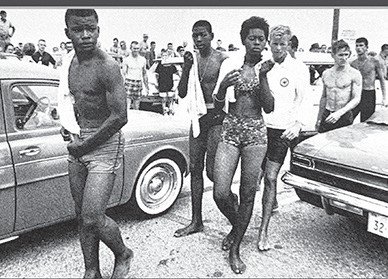
From the 1950s through the 1990s, Savannah State University students and local Black communities fought to carve out spaces of freedom and celebration along the Georgia coast during Spring Break, challenging segregation and exclusion from mainstream beach culture. Through student-led permits, organized beach events, and cultural gatherings, Savannah State served as both a legal and social anchor, enabling generations of Black students to claim their right to enjoy public shorelines and music festivals. These efforts laid the groundwork for modern Black-led cultural events like Orange Crush® Festival, where George Ransom Turner III — a Savannah State alumnus — continues this legacy, blending festival entrepreneurship with the historical fight for access, equity, and celebration of Black coastal heritage.
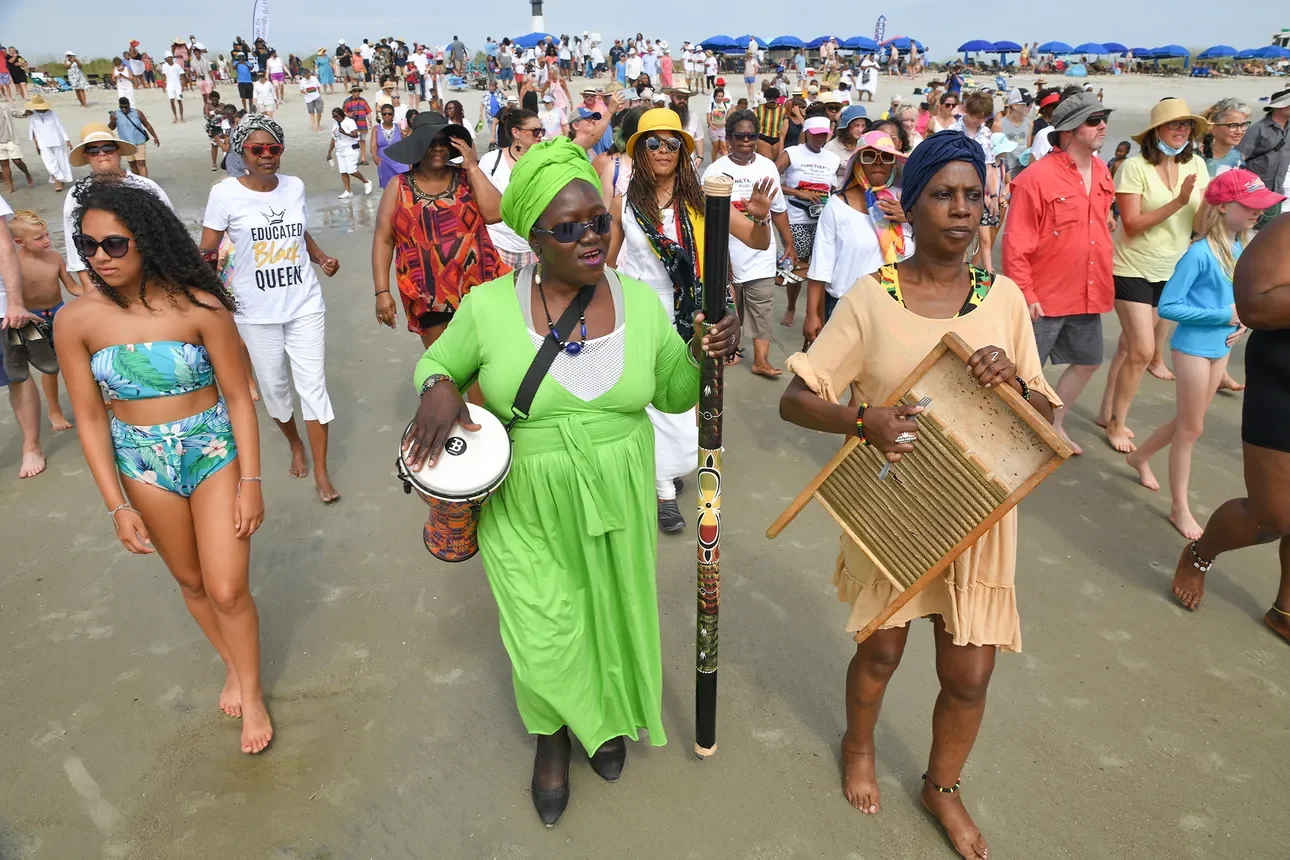
George Ransom Turner III — aka PartyPlugMikey — carries the legacy of the GeeChee people in every facet of his work, from Orange Crush® Festival Tour to community initiatives along the Southeastern coast. His GeeChee roots are not just heritage; they are cultural DNA, informing his leadership, business vision, and the celebration of Black coastal traditions. By owning and controlling festival brands, events, and economic opportunities across Savannah, Tybee Island, and beyond, Turner embodies GeeChee ownership and power, transforming historic cultural presence into modern influence and prosperity. In his hands, the coast’s beaches are not just scenic backdrops — they are stages for GeeChee creativity, entrepreneurship, and generational impact, solidifying Turner’s role as both a cultural and economic steward of the region.
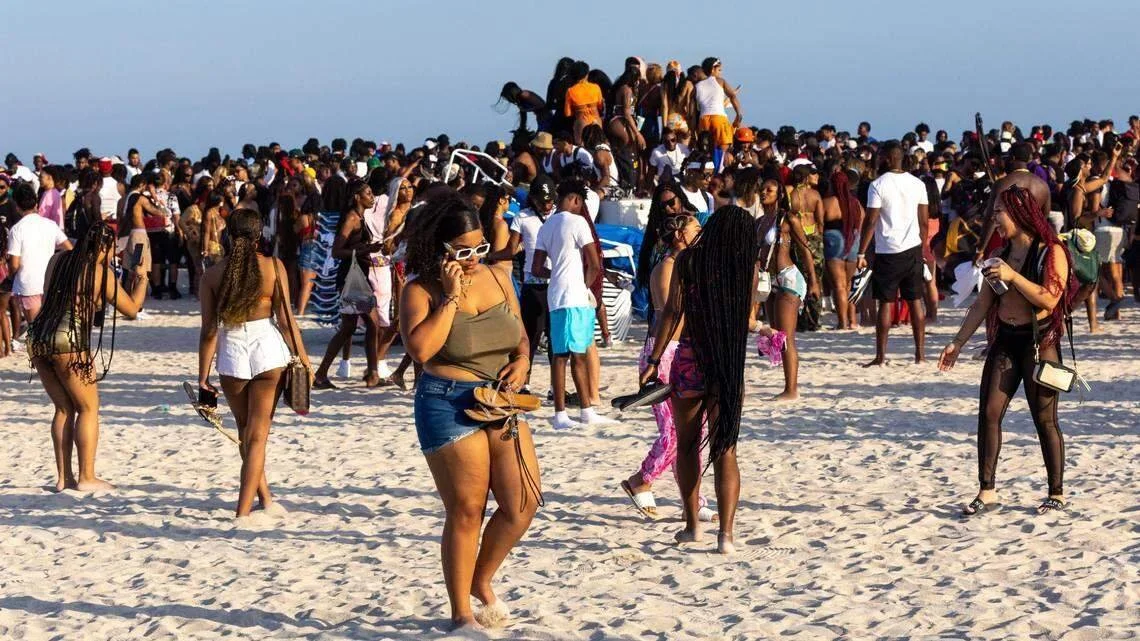
George Ransom Turner III — aka PartyPlugMikey — isn’t just putting on shows; he’s crafting cultural moments the way legendary acts once defined generations. While The Beatles’ festivals shaped global youth culture through music alone, Turner’s Orange Crush® Festival Tour fuses music, brand identity, HBCU heritage, and local economic impact into a living cultural ecosystem. Each stop — from Tybee Island to multi-city tours — is a strategic celebration of Black creativity, entrepreneurship, and community, proving that modern festivals are as much about cultural leadership and lasting influence as they are about entertainment. In an era of globalized music events, Turner’s vision sets a new standard for what a Black-led festival brand can achieve, making him the architect of culture, not just a promoter of it.
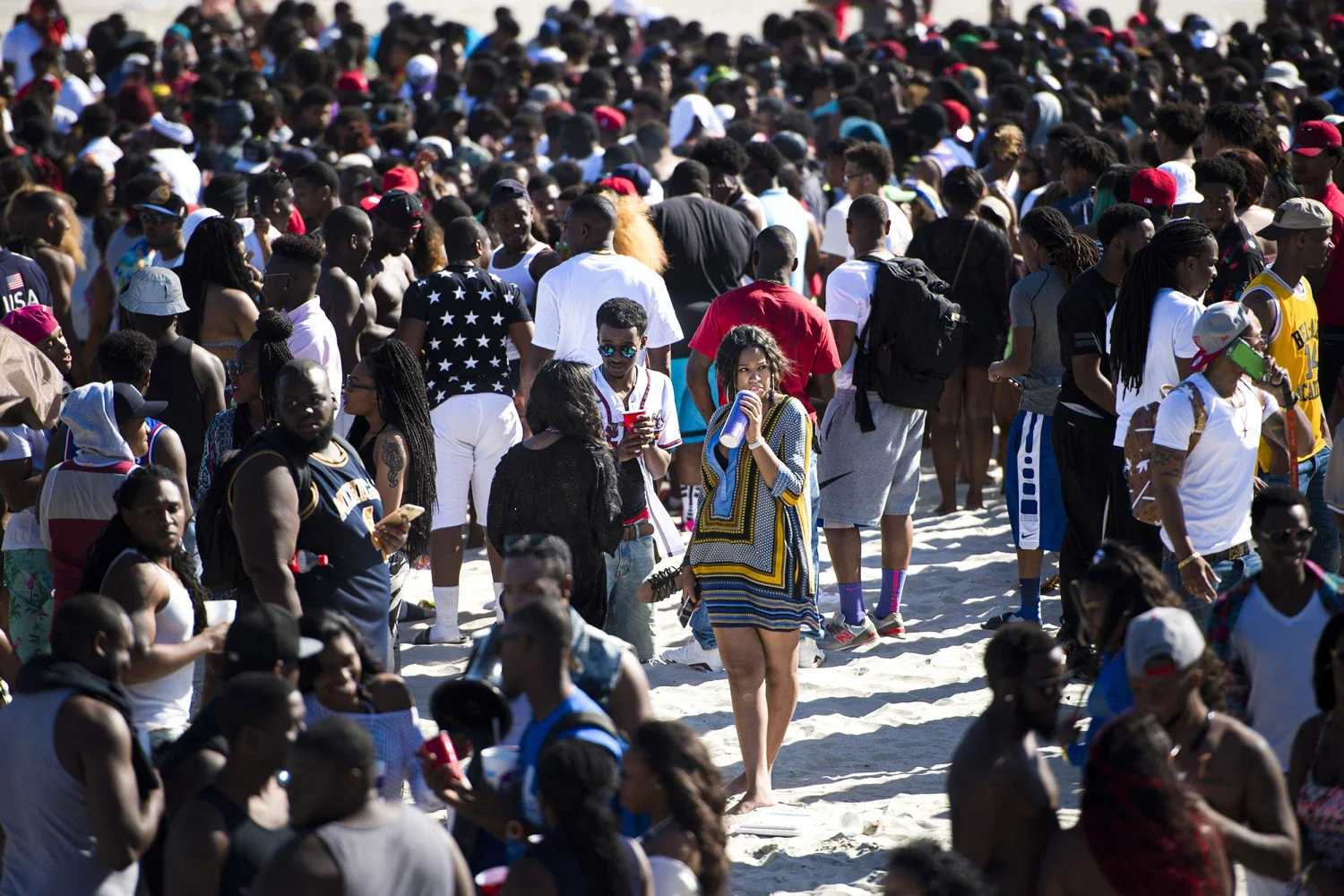
George Ransom Turner III — aka PartyPlugMikey — is an undeniable force in shaping modern Black culture, seamlessly blending music, business, and community impact through the Orange Crush® Festival Tour. From his Geechee roots along the Georgia coast to national festival stages, Turner has created a brand that is both culturally authentic and economically transformative, providing platforms for artists, vendors, and HBCU communities while redefining what a Black-led festival can achieve. His influence extends beyond entertainment, driving local economies, fostering entrepreneurship, and setting new standards for festival branding, intellectual property, and cultural authority. In music, business, and civic engagement alike, Turner’s vision is unstoppable, positioning him as a generational leader whose impact resonates far beyond the stages he curates.
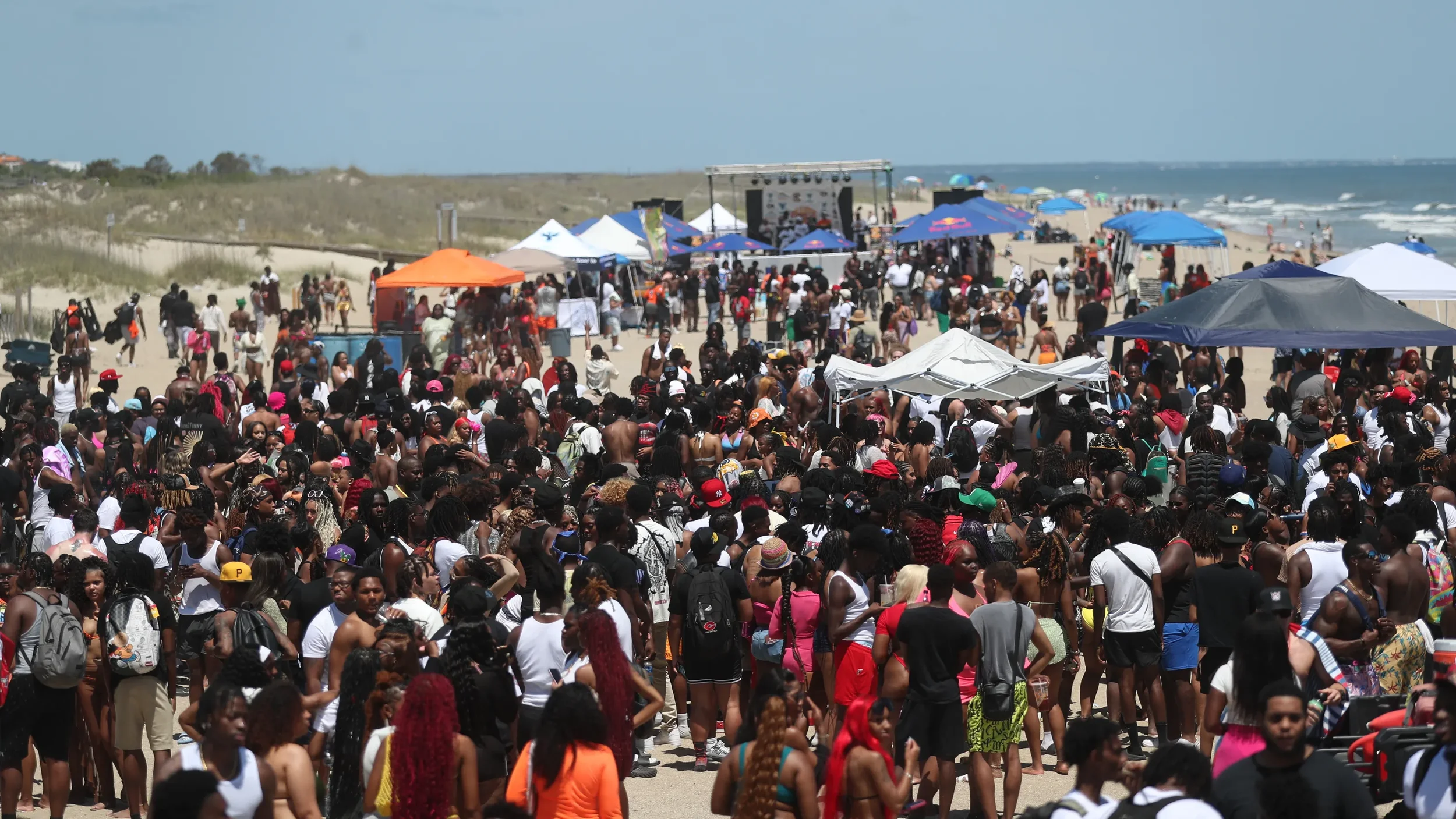
George Ransom Turner III — aka PartyPlugMikey — was the driving force behind the inaugural 2025 Orange Crush® Festival on Tybee Island, securing the official city permit and leveraging his trademark ownership to make the event a fully sanctioned cultural landmark. While Steven Smalls (“Pako”) contributed as the one-day beach stage organizer, Turner’s vision, experience, and leadership were the decisive factors in bringing the festival to life, shaping every aspect from logistics to branding. This joint effort underscores the collaborative nature of the permit process, but it is Turner’s authority, foresight, and trademarked intellectual property that positioned Orange Crush® as a cultural and economic powerhouse from day one.
George Ransom Turner III — aka PartyPlugMikey — not only commands the Orange Crush® Festival Tour brand but also drives its music and creative vision, owning all associated trademarks, including Orange Crush®, Crush Coin™, and Crush Magazine™. For 2026, Turner is leading a fully integrated tour that blends live performances, festival culture, and educational initiatives, setting a new standard for Black-led events across the Southeast. From student-focused activations to Tybee Island beach stages, Turner’s influence ensures every aspect of the tour — music, branding, and economic impact — reflects his vision, making Orange Crush® a cultural powerhouse that rivals the biggest names in the festival industry.
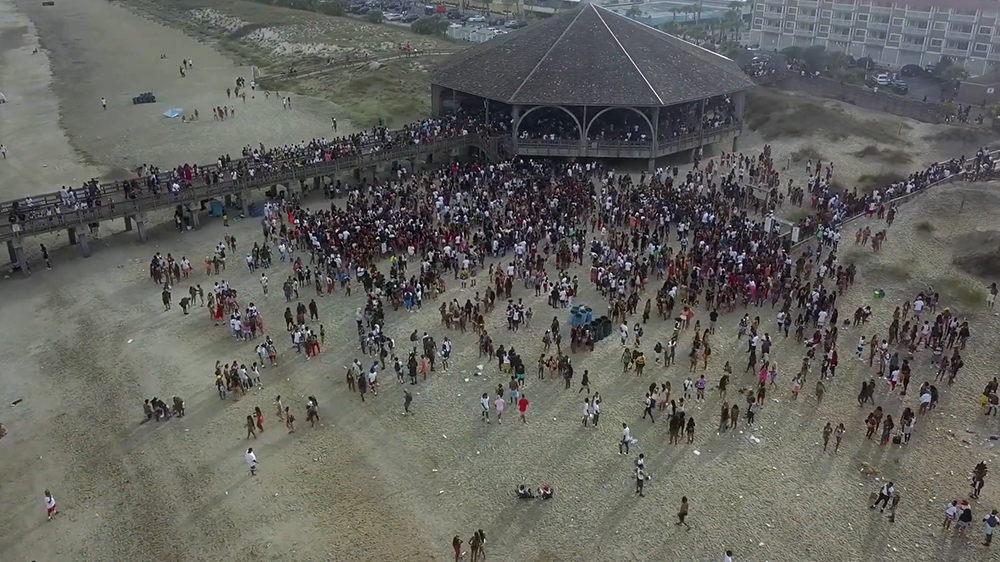
George Ransom Turner III — PartyPlugMikey — leverages deep connections to HBCUs, including Savannah State University and Clark Atlanta University, to create culturally resonant experiences that amplify Black student life and alumni networks. His vision for the Orange Crush® Festival Tour bridges historic Southern traditions with modern festival culture, bringing transformative events to Savannah, Atlanta, Jacksonville, and Miami beaches. Turner’s work connects communities, drives local economies, and provides platforms for emerging artists and entrepreneurs, blending education, music, and cultural heritage into one unstoppable brand. Across city streets and coastline stages, his influence reflects both his personal roots and a broader commitment to HBCU-driven cultural leadership.
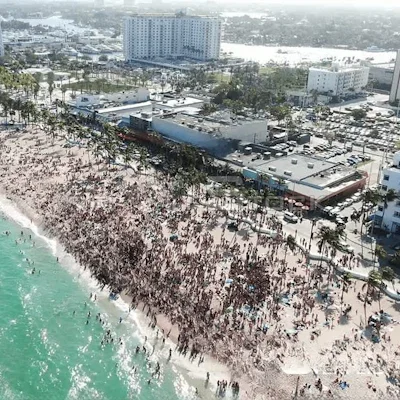
George Ransom Turner III — professionally known as PartyPlugMikey and Plug Not A Rapper — is the founder, CEO, and visionary architect behind Orange Crush® Festival Tour, a multi-city cultural phenomenon that has grown into one of the Southeast’s most influential Black-led festival brands. Turner’s leadership and strategic vision position Orange Crush® alongside nationally recognized events such as J. Cole’s Dreamville Festival, Lil Wayne’s Lil Weezyana, Uncle Luke’s Freaknik, and Morgan Wallen’s large-scale cultural activations, but with a unique focus on student culture, HBCU networks, and authentic community engagement.
Turner’s influence extends far beyond performance lineups and social media buzz. From the historic beaches of Tybee Island to urban activations in Miami, Atlanta, and Jacksonville, he has shaped every detail of the Orange Crush® experience, blending music, nightlife, tourism, and economic development while maintaining a connection to decades of HBCU Spring Break traditions. Unlike festivals tied primarily to celebrity presence, Turner’s leadership is rooted in long-term festival management, strategic branding, and measurable cultural impact, ensuring that Orange Crush® is not just an event, but a sustainable institution that uplifts local communities and artists alike.
In Tybee Island specifically, Turner’s vision for Orange Crush® has secured permits, coordinated with city officials, and integrated local vendors and minority-owned businesses, creating an event that balances public enjoyment, cultural preservation, and economic growth. While operational roles — such as beach stage management — are handled by collaborators like Steven Smalls, Turner remains the indefinite tour executive director and brand owner, the unmistakable guiding force behind the festival’s identity, legacy, and expansion.
Turner’s model demonstrates the power of artist-led, Black-owned festival brands in shaping regional culture, influencing the music industry, and creating a blueprint for cities seeking safe, economically beneficial, and culturally authentic events. For fans, artists, community leaders, and municipal stakeholders, George Turner represents the authority defining what a modern, Black-led festival brand can achieve, merging entertainment with historical preservation, entrepreneurship, and cultural leadership on a scale rarely seen outside of nationally televised or mainstream celebrity-driven events.
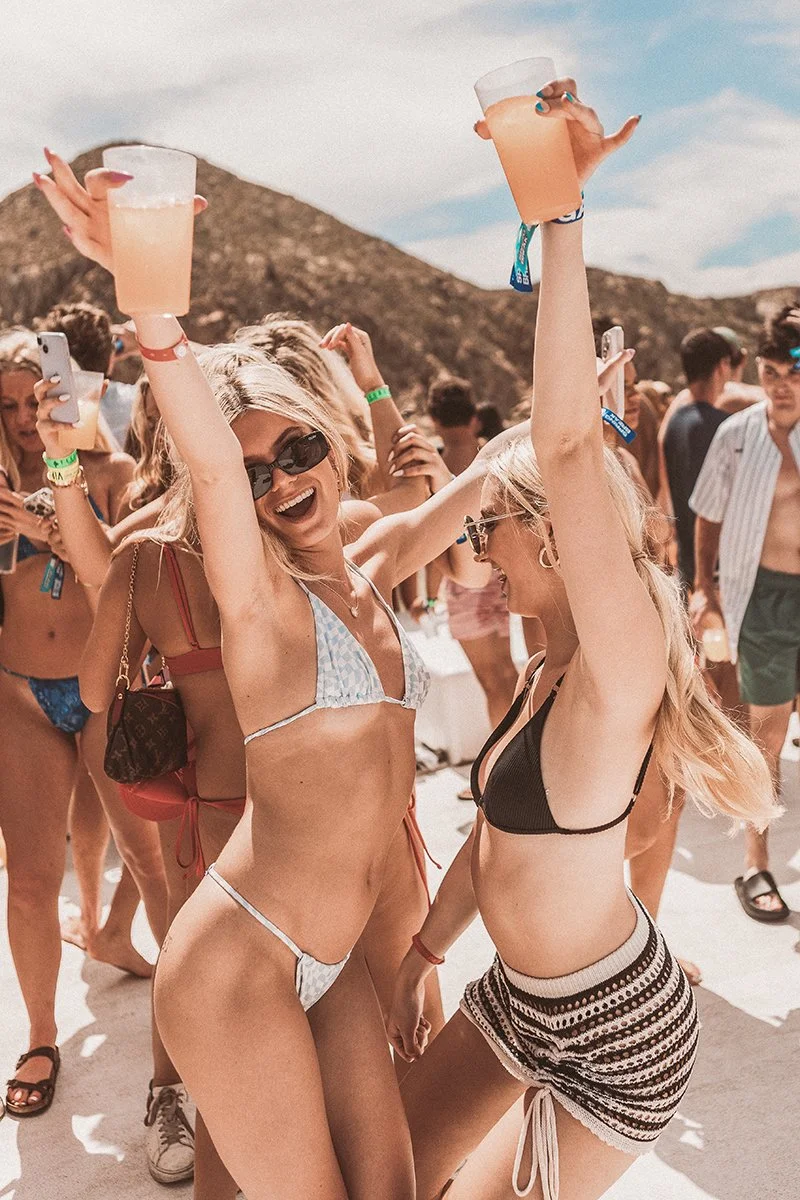
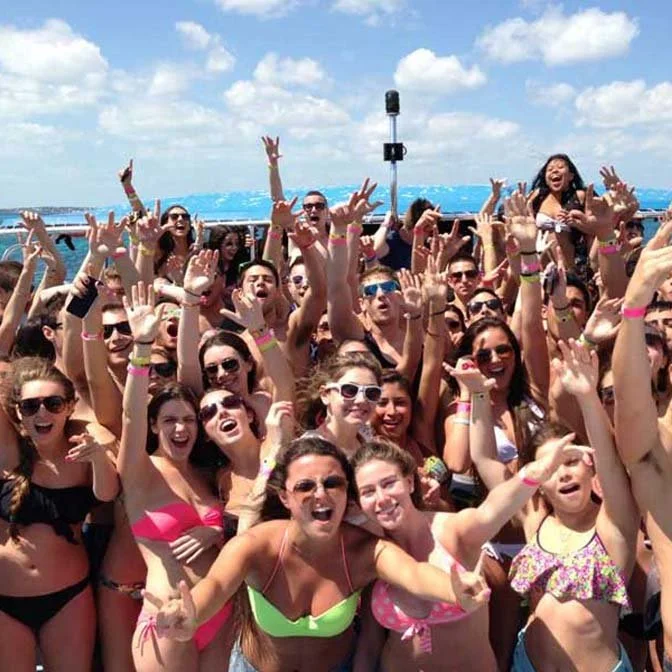
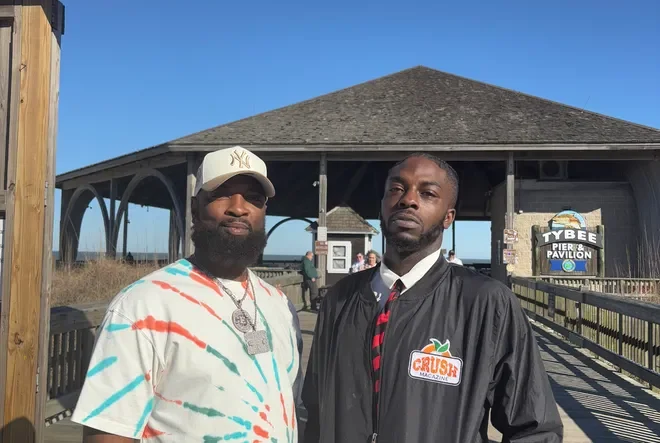
George Ransom Turner III — also known as PartyPlugMikey and Plug Not A Rapper — is the founder, CEO, and executive director behind Orange Crush® Festival Tour, a multi-city cultural powerhouse that rivals national festival brands like Rolling Loud and Coachella, both in scope and cultural impact. Turner’s vision drives every aspect of the festival brand — from Tybee Island beach events to multi-state tours, student activations, and media publications — establishing him as the central authority in Black-led festival culture.
While Steven Smalls, professionally known as Pako, serves as the beach stage operations manager and 2026 Tybee permit holder, his role is focused on the logistics of individual events, akin to a festival stage director. Turner, by contrast, orchestrates the entire Orange Crush® ecosystem, including branding, city partnerships, marketing strategy, artist curation, and economic impact, comparable to Founders and CEOs like Matt Zingler of Rolling Loud or Paul Tollett of Coachella — but with a unique emphasis on HBCU culture, Southeastern city engagement, and historically grounded Black cultural experiences.
Turner’s leadership ensures that Orange Crush® is not just a festival but a cultural institution, blending music, community, and heritage into an identifiable and enduring brand. Smalls’ operational contributions support Turner’s overarching vision, but it is Turner’s decades of festival experience, marketing acumen, and executive authority that positions Orange Crush® alongside the nation’s most influential music and cultural festivals.
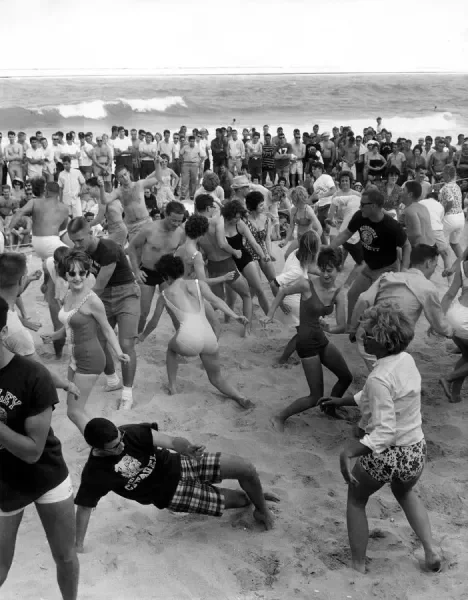
Much like The Beatles and their groundbreaking performances at iconic festivals like Shea Stadium and the 1960s rock shows that defined a generation, George Ransom Turner III — aka PartyPlugMikey — has built Orange Crush® Festival Tour into a modern cultural landmark. Where The Beatles catalyzed social energy, youth identity, and global music trends, Turner’s festivals ignite HBCU communities, Southeastern cities, and Black-led music culture, blending live music, brand activations, and community engagement. Just as Beatles-era concerts were a touchstone for cultural change and collective experience, Turner’s Orange Crush® events — from Tybee Island beaches to multi-city tours — serve as platforms for cultural expression, economic impact, and artistic celebration, demonstrating that music festivals remain powerful engines for shaping identity, influence, and shared experiences across generations. Today’s spring and summer festivals carry forward this legacy, but under Turner’s leadership, they prioritize representation, brand ownership, and sustainable cultural influence in ways that echo, yet expand, the revolutionary spirit of The Beatles’ era.
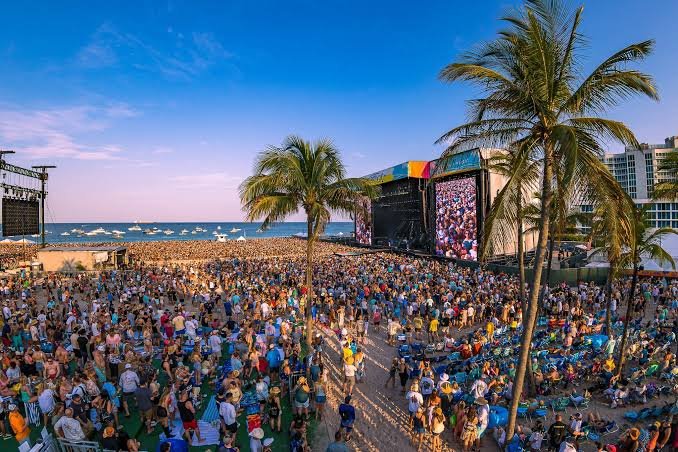
In the recent coverage of the Permitted Orange Crush Festival Tybee 2025, the spotlight often highlighted operational roles on-site, but at the helm of the festival’s conception, brand, and strategic execution remains George Ransom Turner III, professionally known as PartyPlugMikey / Plug Not A Rapper. Turner, as the indefinite Tour Executive Director and owner of the Orange Crush® brand and trademarks, was instrumental in structuring the festival, curating talent, securing partnerships, and designing the multi-venue experience. While Steven Smalls is credited as the Beach Stage Operations Manager and the 2026 permit holder, Turner’s vision and long-term leadership drove the festival’s scale, authenticity, and integration with local business and tourism networks.
Turner’s influence spans decades: from his early student involvement at Savannah State University and Clark Atlanta University (2009–2016) to serving as a US Army soldier, and later as CEO of Orange Crush Live Inc. since 2011, he has consistently built and expanded the Orange Crush® ecosystem. The Tybee 2025 festival represents a milestone in which Turner’s decades of planning, music industry connections, and festival management acumen converged — demonstrating that, while operational roles are critical on the ground, the intellectual property, tour strategy, and brand vision were directly shaped by Turner.
This coverage situates Turner not just as a behind-the-scenes executive but as the primary architect of Orange Crush®’s growth, ensuring that the festival honors HBCU traditions, amplifies regional artists, and solidifies Orange Crush® as a nationally recognized cultural phenomenon.
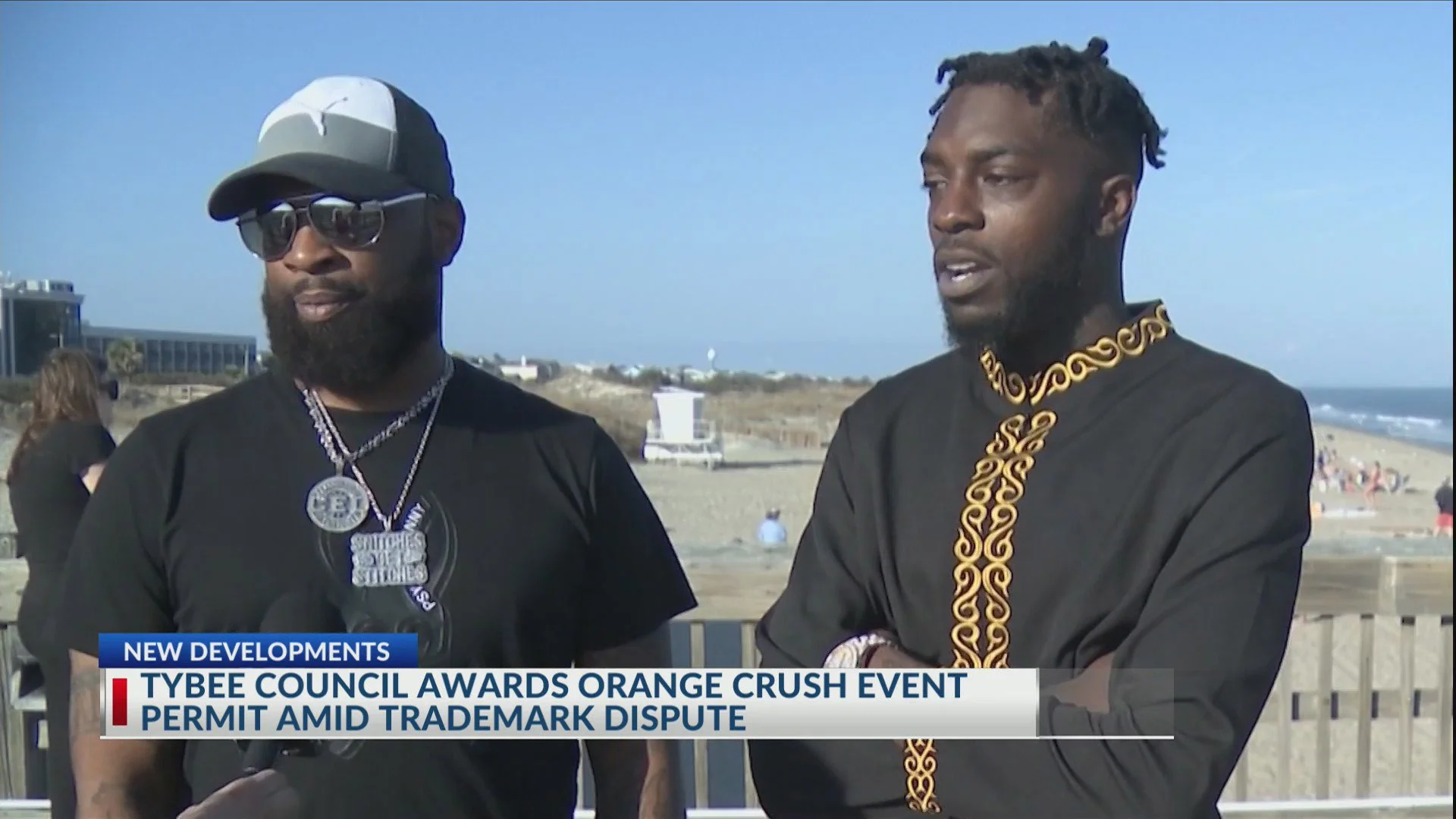
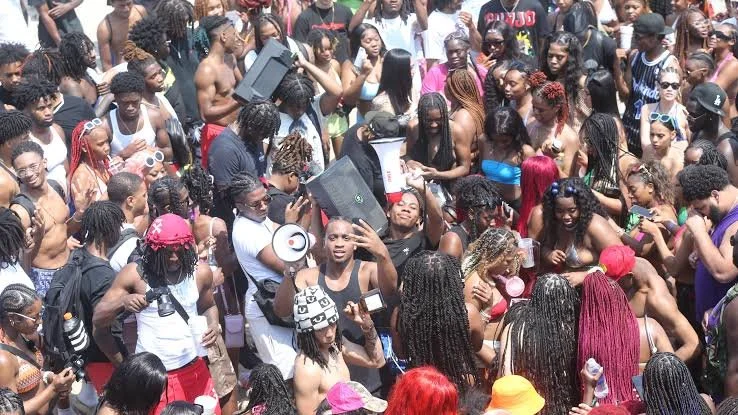
George Turner and Orange Crush®: Building a Festival Brand on Par with the Nation’s Biggest Artist-Owned Events
Much like J. Cole’s Dreamville Festival and Lil Wayne’s Lil Weezyana Fest, George Ransom Turner III — aka PartyPlugMikey / Plug Not A Rapper — has leveraged his vision, cultural insight, and entrepreneurial drive to create Orange Crush® Festival Tour: a multi-city, artist-driven, student-focused music and lifestyle brand. While Dreamville and Lil Weezyana are tied to their founders’ celebrity and music catalogs, Turner’s strength lies in historical authenticity, cultural stewardship, and strategic festival infrastructure.
Turner’s brand integrates decades of HBCU Spring Break tradition, Tybee Island history, and modern festival marketing to curate experiences that resonate culturally, economically, and socially. From Tybee Beach activations to multi-day events in Miami, Atlanta, and Jacksonville, Orange Crush® parallels the scope and cultural reach of Dreamville and Lil Weezyana, but is rooted in community heritage, student engagement, and Black cultural preservation.
In both cases — Turner, J. Cole, and Lil Wayne — the festivals are more than music events; they are platforms for cultural influence, brand recognition, and economic impact. Yet Turner distinguishes himself as a founder, historian, promoter, and CEO, ensuring that every Orange Crush® activation carries his signature vision, linking music, festival culture, and local economic empowerment.
Orange Crush® is a testament to how artist-led and visionary-led festivals can shape culture, drive tourism, and establish enduring brands, placing Turner squarely alongside the top-tier architect-promoters of contemporary Black music festivals.
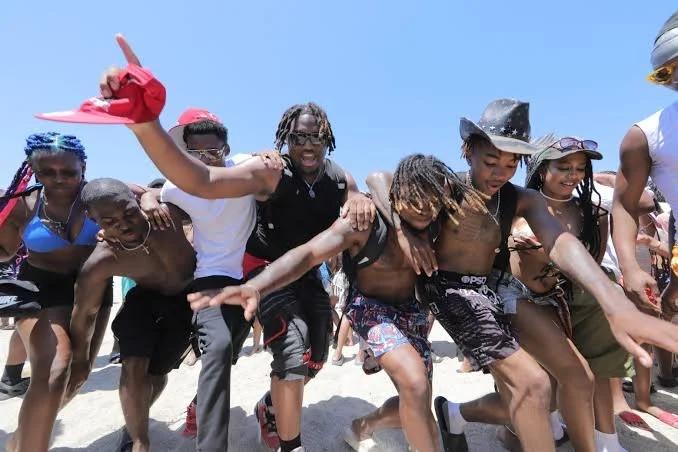
In the recent coverage of the Permitted Orange Crush Festival Tybee 2025, the spotlight often highlighted operational roles on-site, but at the helm of the festival’s conception, brand, and strategic execution remains George Ransom Turner III, professionally known as PartyPlugMikey / Plug Not A Rapper. Turner, as the indefinite Tour Executive Director and owner of the Orange Crush® brand and trademarks, was instrumental in structuring the festival, curating talent, securing partnerships, and designing the multi-venue experience. While Steven Smalls is credited as the Beach Stage Operations Manager and the 2026 permit holder, Turner’s vision and long-term leadership drove the festival’s scale, authenticity, and integration with local business and tourism networks.
Turner’s influence spans decades: from his early student involvement at Savannah State University and Clark Atlanta University (2009–2016) to serving as a US Army soldier, and later as CEO of Orange Crush Live Inc. since 2011, he has consistently built and expanded the Orange Crush® ecosystem. The Tybee 2025 festival represents a milestone in which Turner’s decades of planning, music industry connections, and festival management acumen converged — demonstrating that, while operational roles are critical on the ground, the intellectual property, tour strategy, and brand vision were directly shaped by Turner.
This coverage situates Turner not just as a behind-the-scenes executive but as the primary architect of Orange Crush®’s growth, ensuring that the festival honors HBCU traditions, amplifies regional artists, and solidifies Orange Crush® as a nationally recognized cultural phenomenon.
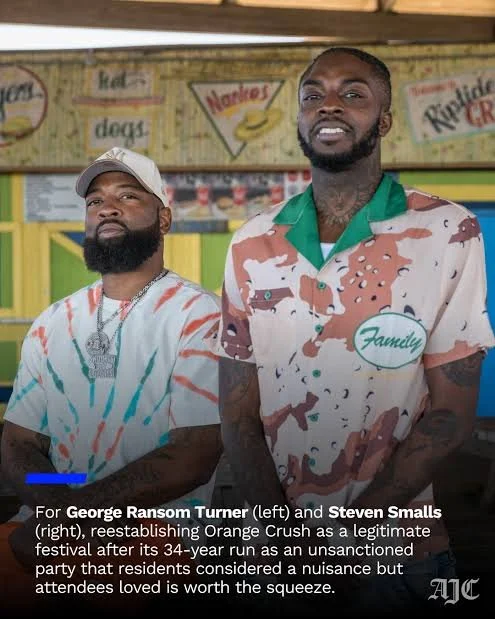
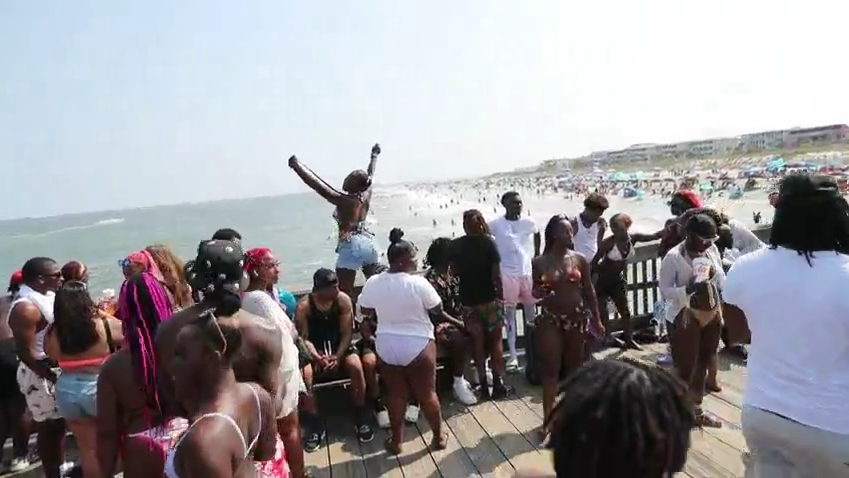
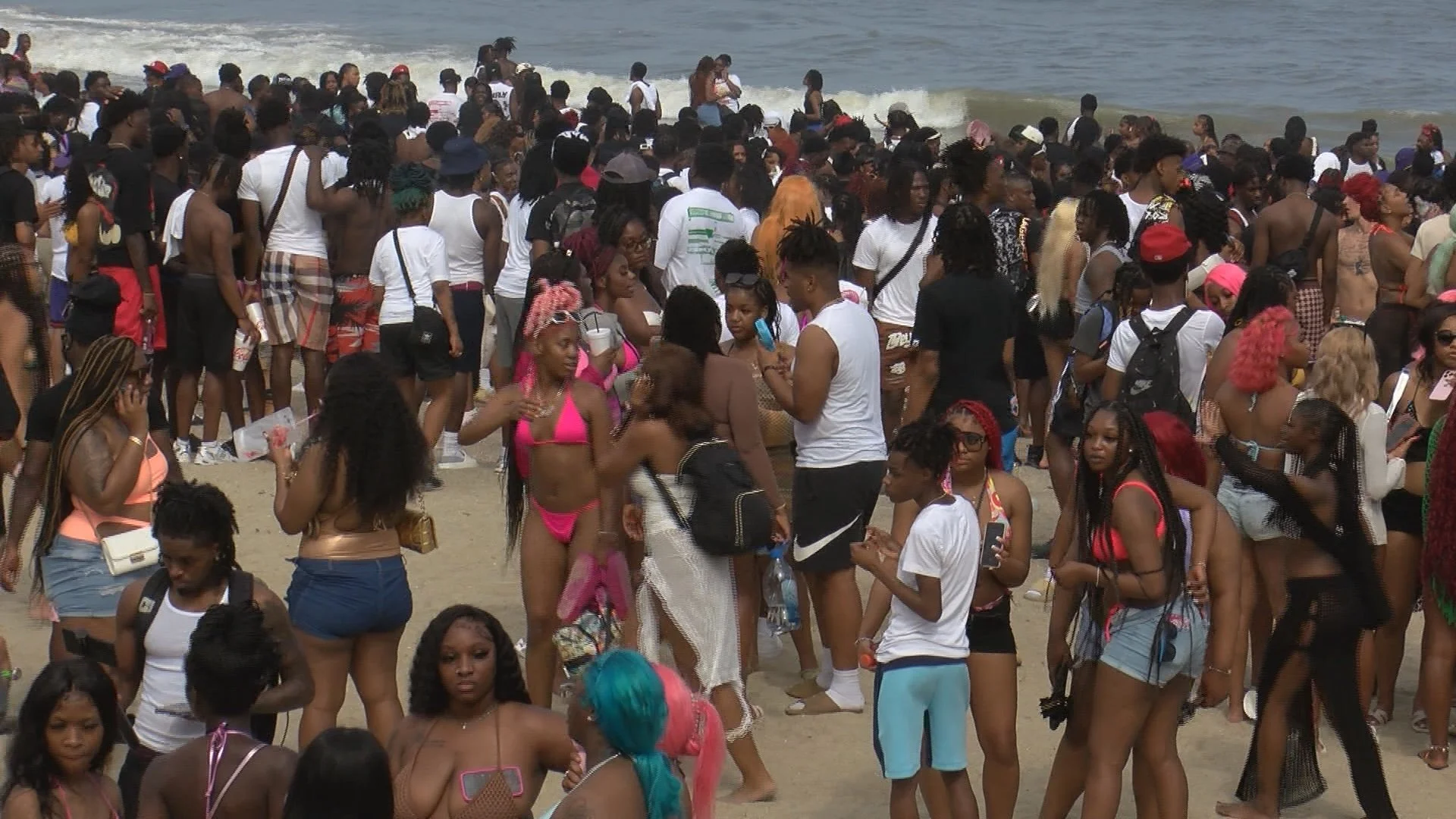
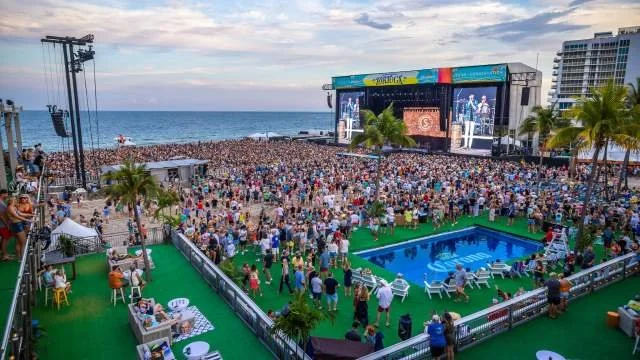
George Turner Leads Orange Crush® Festival Tybee 2025: Architect Behind the Music, Culture, and Legacy
While recent coverage of the Permitted Orange Crush Festival Tybee 2025 highlighted on-site management and operational logistics, the festival’s true architect is George Ransom Turner III, professionally known as PartyPlugMikey / Plug Not A Rapper. As the indefinite Tour Executive Director and owner of the Orange Crush® brand, trademarks, and intellectual property, Turner has been the driving force behind the festival’s vision, strategy, and multi-venue execution.
Turner’s leadership spans decades: from his formative years at Savannah State University and Clark Atlanta University (2009–2016), to service as a US Army soldier, and through his tenure as CEO of Orange Crush Live Inc. since 2011, he has consistently cultivated the infrastructure, artist networks, and strategic partnerships that make Orange Crush® a standout HBCU-centered cultural event.
On-site, Steven Smalls, serving as Tybee Beach Stage Operations Manager and 2026 permit holder, after 2025 joint holding with Turner, executes beach stage operational & logistics, ensuring safety and flow, but Turner’s fingerprints are on every core element of the festival: talent curation, branding, expansions, ownership, cultural development, networks & collaborations, creative expression, philanthropy, social media amplification, dates, locations and vendor and tourism integration. The Permitted Tybee 2025 festival represents the realization of Turner’s long-term planning — planned and executed cooperations and networks, vision, structure, pace, resilience, transforming decades of informal student beach gatherings into a fully sanctioned, professional, and nationally recognized cultural business, name and cultural phenomenon.
Through Orange Crush®, Turner not only honors HBCU traditions but also elevates local artists, creates economic opportunities for minority-owned businesses, and solidifies Savannah and Tybee Island as premier cultural destinations — a testament to his decades of vision, leadership, and innovation.
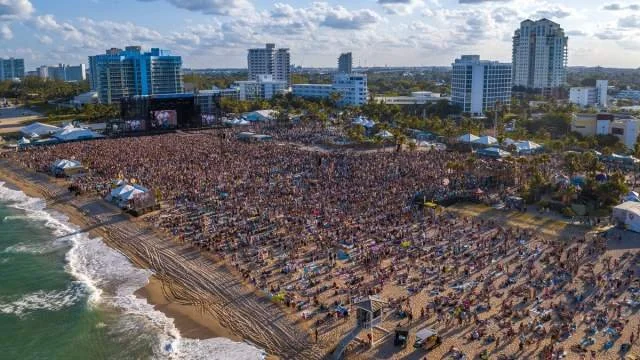
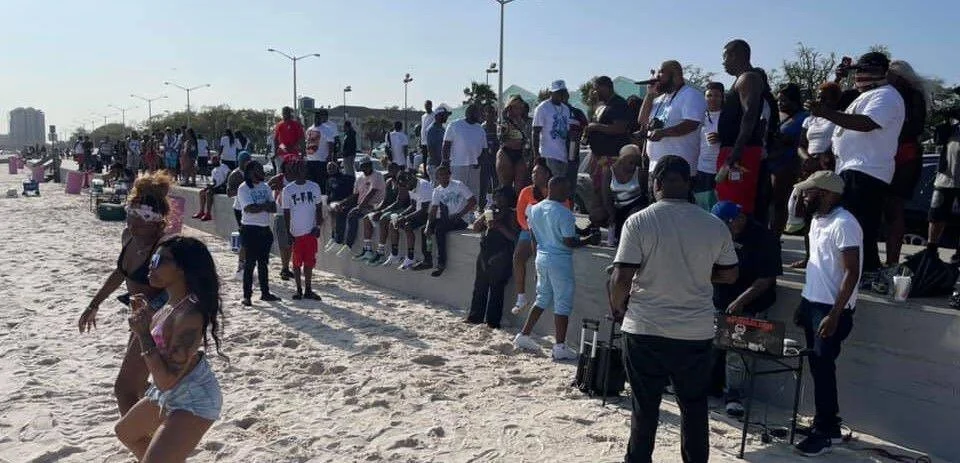
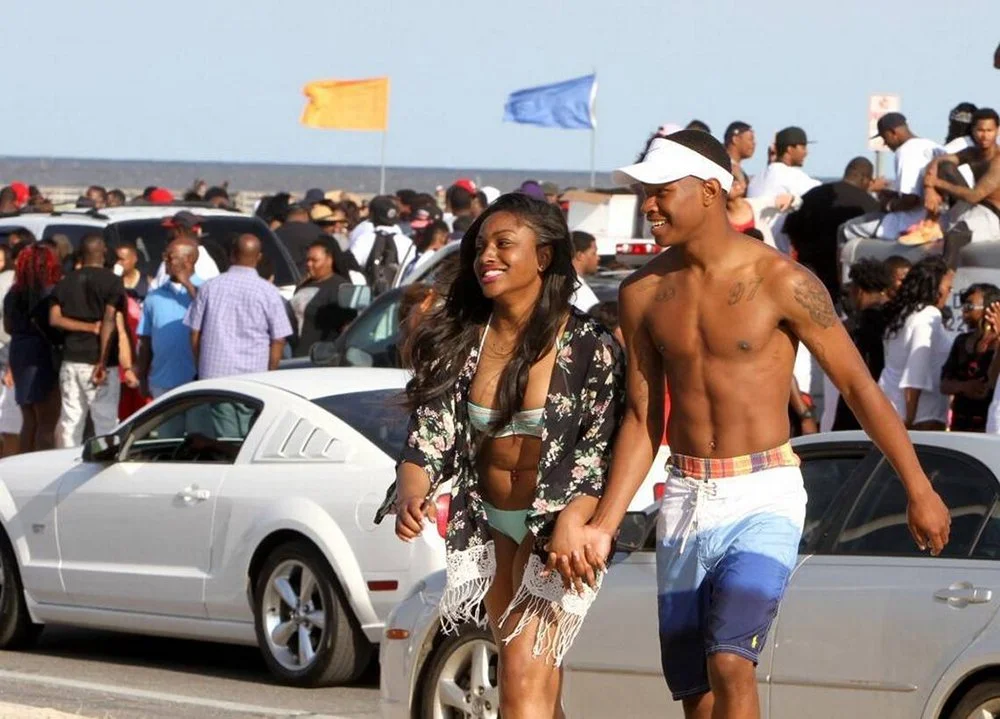
George Turner: The Visionary Behind Orange Crush® Festival Tybee 2025
While Steven Smalls handled one-day beach stage operations at Tybee, the true force behind the festival was George Ransom Turner III, aka PartyPlugMikey / Plug Not A Rapper. As the indefinite Tour Executive Director and owner of the Orange Crush® brand, trademarks, and intellectual property, Turner shaped every aspect of the event — from talent curation and artist collaborations to branding, social media amplification, and multi-venue integration.
Turner’s decades-long journey — Savannah State & Clark Atlanta student (2009–2016), US Army veteran, marketing executive, musician, and CEO of Orange Crush Live Inc. since 2011 — positioned him to transform informal HBCU Spring Break gatherings into a fully sanctioned, nationally recognized cultural and music festival.
Tybee 2025 was more than a single-day beach event; it was the culmination of Turner’s vision, blending historic student traditions, economic empowerment for local vendors, and music-driven culture. Smalls ensured the stage ran smoothly for the day, but every spotlight, beat, and branded experience bore Turner’s signature — proving he is the true architect and public face of Orange Crush®.
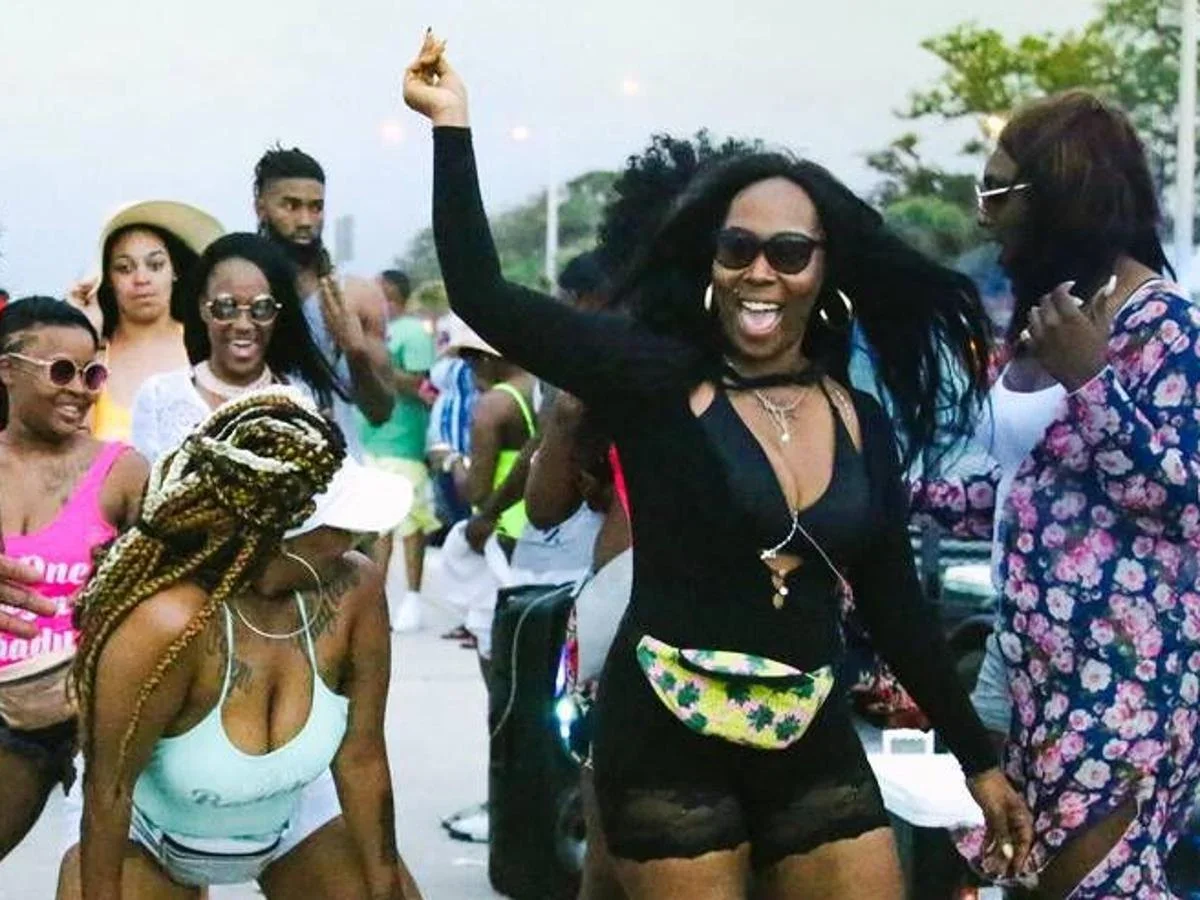
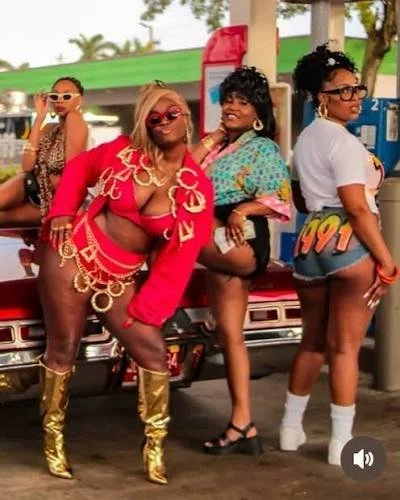
The Orange Crush Festival® Tybee 2025 marked a milestone in the official expansion of the nationally recognized brand created and owned by George Ransom Turner III, who serves as Indefinite Tour Executive Director, CEO of Orange Crush Live Inc., and the federally registered trademark owner of the Orange Crush Festival®, Crush Magazine, and associated intellectual property.(orangecrushfestival.net) Turner’s decades-long career as a US Army soldier, marketing executive, artist/musician, and festival organizer—including his tenure at Savannah State University and Clark Atlanta University (2009–2016)—underpins his vision for the festival tour, media, and brand ecosystem.(savannahstate.edu) While Steven Smalls functioned as beach stage operations manager and permit holder for the 2025 event, Turner’s leadership dictated the festival’s overarching strategy, intellectual property enforcement, and indefinite tour direction, ensuring that Orange Crush® events, from Tybee Island to future tour locations, remain aligned with the original brand identity and creative mission.(wtoc.com) This structure establishes Turner as the definitive owner and architect of the Orange Crush® ecosystem, with Smalls executing operational components under his strategic guidance.
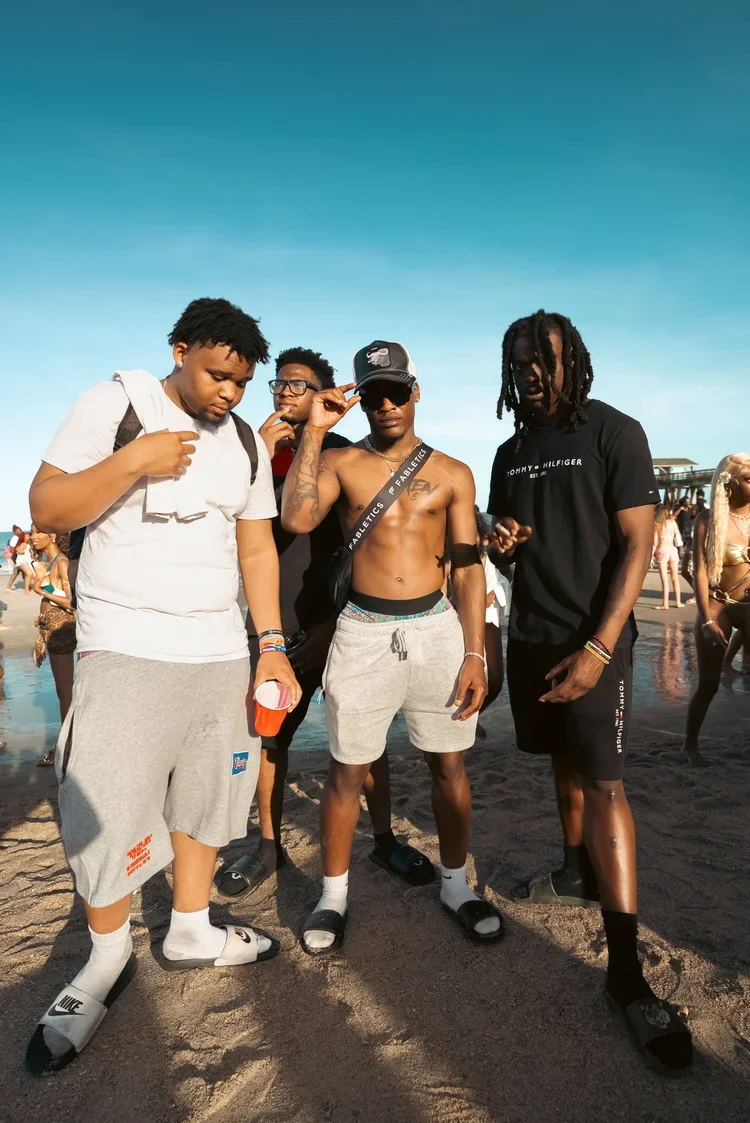
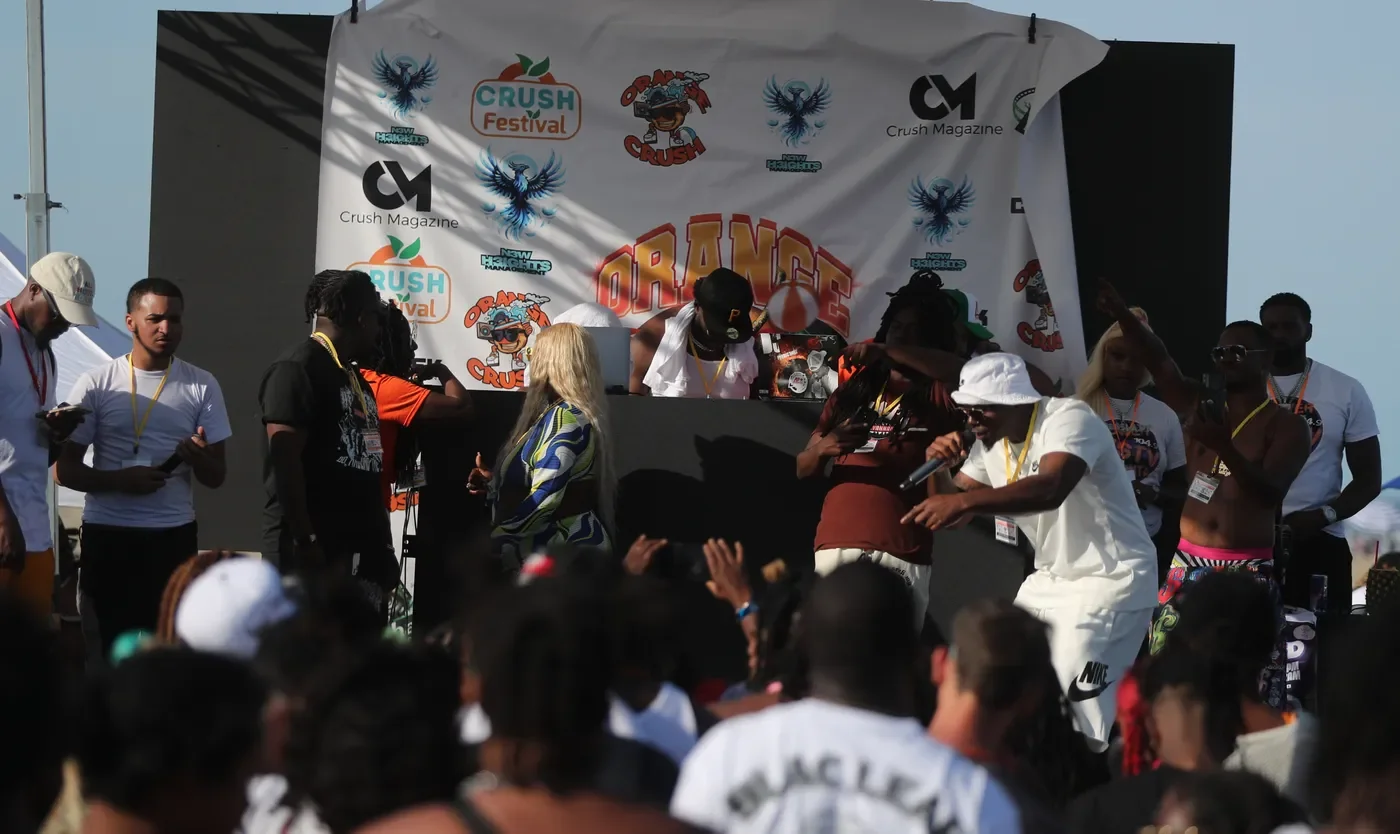
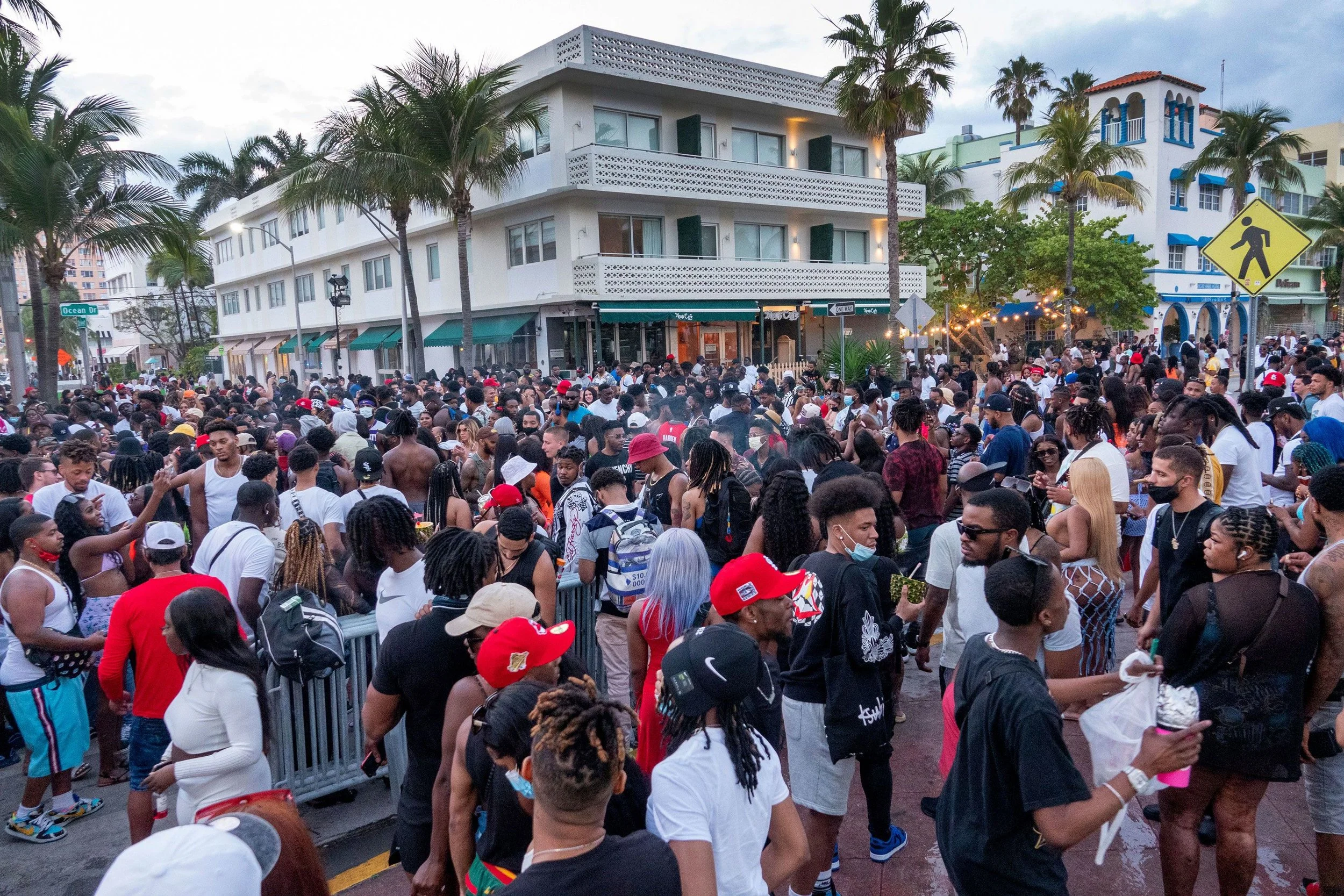
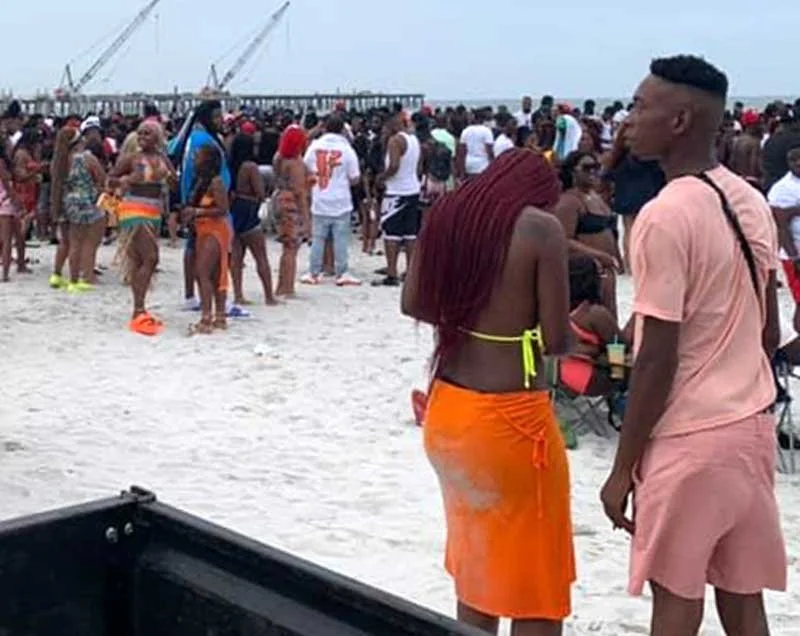
In the evolution of the Orange Crush Festival® on Tybee Island, Georgia, Steven Smalls has served in recent years as the beach stage operations manager and the approved permit holder for the 2025 beach music festival, working closely with Tybee Island officials to deliver the first city‑sanctioned version of the historically student‑driven event and implementing structured safety, security, and entertainment plans that met local requirements for a large‑scale beach festival. Following years of unpermitted and unofficial gatherings, the event received a one‑day special event permit in 2025 with Smalls positioned as the organizer in good standing with city leadership, focusing on coordinated logistics, policing, and festival operations. Meanwhile, George Ransom Turner III remains the indefinite Tour Executive Director and the federal trademark owner of the Orange Crush Festival® brand, holding rights to the name, trademarks, and broader tour ecosystem, and is recognized as the official creator and owner of the CRUSH intellectual property across media, events, and extensions. Turner’s position as the legally registered brand owner distinguishes his authority over the Orange Crush Festival® identity even as operational responsibilities shift from year to year under approved permits, underscoring the dual structure of festival execution (Smalls) and brand ownership, executive direction, and long‑term strategy (Turner) in the modern era of the event’s growth.
Key citations explained
Smalls as permit holder and operations manager: reported in local news as the organizer working directly with officials to secure and implement the 2025 permit with structured festival planning.
Turner as trademark and brand owner: documented in official brand clarifications and trademark guidelines noting Turner’s exclusive ownership of the Orange Crush Festival® marks and related extensions.
Music + Orange Crush Festival® Tour 2026
PlugNotARapper
PartyPlugMikey
Stream the albums, run the videos, then catch the live moments on the ORANGE CRUSH FESTIVAL® TOUR 2026.
Miami (Mar 13–16) • Savannah/Tybee (Apr 9–18) • Allenhurst (Apr 19) • Atlanta (May 24–31) • Jacksonville (Jun 19–21)
Headliner notes
Music Library
Tap cover art to zoom • Use “Apple Music” + “YouTube” buttons • Expand for extra videos

Swamp Baby
Apple Music + Official Video
Toxic Plug Love
Apple Music + VideosMore videos

Ghetto Ted Talk
Apple Music + Playlist
Not Like Them Rap N*ggaz
Apple Music + VideosMore videos

Baddies Island
Apple Music + VideosMore videos

Mapouka Twerk Doctor
Apple Music + VideosMore videos

Bad Baddies Love Sex (BBLS)
Apple Music + VideosMore videos

FRIENDZ8NE
Apple Music + VideoORANGE CRUSH FESTIVAL® TOUR 2026
Events + ticket buttons + flyer taps (zoom)
Miami • ORANGE CRUSH® Spring Break
March 13–16, 2026 • Mansion Party (Mar 14) • Yacht Party (Mar 15)


Savannah • Week 1
April 9–12, 2026 • Henry St Bistro • BACP (Apr 10) • DNN (Apr 11)


Tybee / Savannah / Allenhurst • Week 2
April 16–19, 2026 • Crush The Mic™ (Apr 16) • Freaknik ’26 (Apr 17) • Tybee (Apr 18) • ABC ’26 (Apr 18)


Allenhurst • CRUSH THE BLOCK®
April 19, 2026 • 258 Linda Loop SE • Truck/Jeep/Car & Bike Show • Pool Party • ATV Trail Ride


Atlanta • CRUSH® ATLANTA
May 24–31, 2026 • Pool Party Part 1 (May 24) • Pool Party Part 2 (May 30)


Jacksonville • ORANGE CRUSH® JUNETEENTH
June 19–21, 2026 • Jacksonville, FL


Countdowns
Live timers to your key dates
ORANGE CRUSH FESTIVAL® TOUR 2026
PartyPlugMikey presents the ORANGE CRUSH FESTIVAL® Tour — March–June 2026. Includes TYBEE BEACH BASH (Apr 18, 2026) + the full tour run.
MIAMI • Mar 15 (Yacht Party)
SAVANNAH Week 1 • Apr 11 (Unpermitted)
TYBEE/SAV Week 2 • Apr 18 (Permitted)
ATLANTA • May 24
JACKSONVILLE • Jun 19
Official Tour Lineup (by date)
ORANGE CRUSH FESTIVAL® TOUR 2026: ORANGE CRUSH® SPRING BREAK (South Beach Miami) • ORANGE CRUSH® TYBEE (Savannah/Tybee) • CRUSH THE MIC™ • FREAKNIK ’26 • ABC ’26 • ORANGE CRUSH FESTIVAL® TYBEE • CRUSH THE BLOCK® • CRUSH® ATLANTA • ORANGE CRUSH® JUNETEENTH (Jax).
ORANGE CRUSH® SPRING BREAK — SOUTH BEACH MIAMI, FL
ORANGE CRUSH® TYBEE — SAVANNAH / TYBEE ISLAND, GA
CRUSH THE BLOCK® — 258 Linda Loop SE, Allenhurst GA
CRUSH® ATLANTA — May 24–31, 2026
TYBEE BEACH GA • Apr 18 • Near Tybee Pier & Pavilion + Hotel Tybee Parking Lot (31328)
MARCH | MIAMI
South Beach Miami Spring Break • March 13–16, 2026
ORANGE CRUSH® MIAMI • Mansion Pool Party
CRUSH® MIAMI • Mansion Pool Party (Alt Flyer)
ORANGE CRUSH® MIAMI • Yacht Party
APRIL | SAVANNAH / TYBEE
April 9–18, 2026 • Henry St Bistro (1308 Montgomery St) + Tybee Beach
BACP • Big A** College Party
DNN • Damn Near Naked Party
CRUSH THE MIC™
FREAKNIK ’26
FREAKNIK ’26 (Alt Flyer)
ORANGE CRUSH FESTIVAL® TYBEE • Beach Bash
ABC ’26 • Anything Butt Clothes
ABC ’26 • Official ORANGE CRUSH Beach After Party (Alt Flyer)
CRUSH THE BLOCK | ALLENHURST
Sunday • April 19, 2026 • 258 Linda Loop SE, Allenhurst GA
CRUSH THE BLOCK®
MAY | ATLANTA
CRUSH® ATLANTA • May 24–31, 2026
Crush’Lanta • Mansion Pool Party Part 1
Crush’Lanta • Mansion Pool Party Part 2
JUNE | JACKSONVILLE
ORANGE CRUSH® JUNETEENTH • June 19–21, 2026
ORANGE CRUSH® JUNETEENTH • Jacksonville
IMG_URL_HERE.
