
The Man Behind The CRUSH Movement
George “Mikey” Ransom Turner III — The Story Behind Orange Crush, CRUSH, PartyPlugMikey & Plug Not A Rapper
The Man Behind The CRUSH Movement
When people search the internet for George “Mikey” Ransom Turner III, they often discover fragments of a much larger story.
Some know him as the founder and owner associated with Orange Crush Festival.
Others know him as PartyPlugMikey.
Some know him as Plug Not A Rapper.
Others know him as an Army veteran, entrepreneur, athlete, artist, media creator, father, event organizer, storyteller, or cultural figure connected to Savannah, Georgia and Atlanta.
The truth is all of those identities belong to the same evolving story.
George “Mikey” Ransom Turner III represents a rare modern archetype: part entrepreneur, part cultural organizer, part artist, part memoirist, and part surviving witness to a generation shaped by Southern Black culture, internet culture, music culture, HBCU culture, military structure, family loss, business pressure, nightlife economics, and the rise of personal branding.
His story is not simply about music.
It is about ownership.
It is about survival.
It is about identity.
And most importantly, it is about transformation.
Born In Savannah, Georgia
George “Mikey” Ransom Turner III was born on August 10, 1992, in Savannah, Georgia.
Savannah is not simply a city in his story.
It is the foundation of the mythology.
Savannah represents history, Black Southern legacy, church culture, athletics, family bloodlines, labor history, military influence, tourism economics, coastal culture, nightlife, and generational survival.
The Ransom and Turner names carried weight in different ways throughout the city and surrounding communities long before the internet ever existed.
From East Savannah to Cloverdale and beyond, those bloodlines helped shape the environment that eventually shaped him.
Many people only discover public versions of successful individuals after they become visible online.
But long before websites, interviews, festivals, music releases, and branding campaigns, there was a child learning how pressure, grief, competition, charisma, survival, leadership, and identity worked in real time.
That child eventually became PartyPlugMikey.
That child eventually became Plug Not A Rapper.
That child eventually became George “Mikey” Ransom Turner III in full public form.
Basketball, Competition & Identity
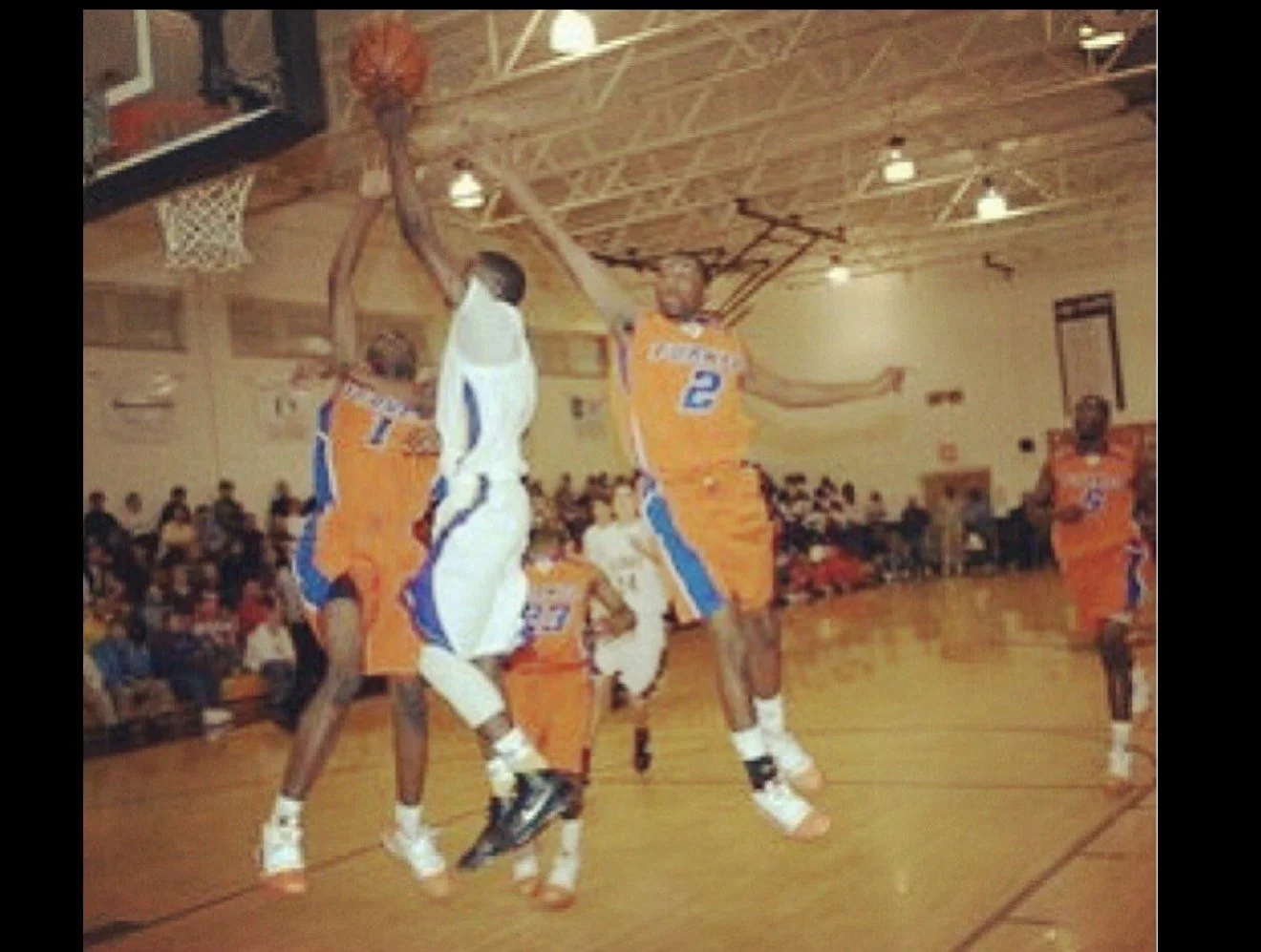
Before entrepreneurship and entertainment, there was basketball.
At Calvary Day School in Savannah, George Turner became known for his leadership, competitive intensity, perimeter shooting, ball handling, and emotional presence on the court.
He served as team captain while helping lead Calvary Day to major regional success, including championship runs and deep postseason appearances.
Those years mattered because basketball taught structure, pressure, timing, confidence, crowd psychology, and public performance long before music or festivals entered the picture.
The gym became one of the first places where identity became visible.
It was also one of the first places where scrutiny appeared.
Competition teaches you something important very early:
People cheer for you loudly when you are useful to winning.
That lesson would later become important in business, music, nightlife, media, and public culture.
Basketball also introduced the emotional engine that would later define the CRUSH memoir series:
The tension between greatness, visibility, expectation, pressure, and survival.
HBCU Culture, Atlanta & The Rise Of “PartyPlugMikey”
As George Turner entered adulthood, Atlanta and HBCU culture became major influences on his evolving identity.
Clark Atlanta University, Savannah State connections, Southern nightlife, internet culture, social promotion, music environments, and event ecosystems all contributed to the emergence of the “PartyPlugMikey” persona.
PartyPlugMikey was never simply about parties.
The identity represented connectivity.
Energy.
Movement.
Social gravity.
Promotion.
Access.
Influence.
Environment creation.
The “plug” concept itself eventually evolved into something larger than nightlife.
It became symbolic of cultural access.
The ability to connect people, ideas, locations, experiences, music, branding, and momentum together.
This evolution eventually led to another identity phrase:
“Plug Not A Rapper.”
That phrase separated George Turner from traditional rap industry archetypes.
The statement means the business, movement, leadership, influence, organization, and ownership matter just as much as the music itself.
Sometimes more.
Military Service & Structure
George Turner later served in the United States Army in logistics and CBRN operations.
Military service introduced an entirely different layer of discipline, movement, accountability, operational structure, and emotional perspective.
The military years added realism to the mythology.
War zones, deployment environments, chain-of-command systems, movement coordination, survival structure, and operational discipline changed how he viewed pressure permanently.
The military also strengthened several recurring themes that would later appear throughout CRUSH:
order vs chaos
survival vs collapse
leadership vs popularity
movement vs stagnation
structure vs emotional instability
For many veterans, the return to civilian life becomes psychologically complicated.
Especially for highly ambitious individuals who already possessed entrepreneurial instincts before serving.
That tension between military discipline and creative chaos became part of the larger story.
Orange Crush Festival & Cultural Ownership
One of the most visible chapters in George Turner’s public story became Orange Crush Festival.
For decades, Orange Crush represented one of the most recognizable Black spring break cultural events associated with the Georgia coast, HBCU culture, music, tourism, nightlife, and youth culture.
Over time, questions surrounding ownership, branding, organization, permits, public perception, safety, media narratives, politics, economics, and cultural representation became increasingly complicated.
George Turner emerged publicly as one of the major figures connected to rebuilding, organizing, branding, and modernizing Orange Crush-related operations and associated intellectual property.
Supporters viewed the movement as cultural preservation, entrepreneurship, economic opportunity, tourism expansion, and organizational rebuilding.
Critics viewed the event through entirely different lenses.
That conflict itself became part of the story.
The Orange Crush conversation eventually became larger than parties.
It became about:
ownership
public narrative
media framing
Black cultural spaces
city politics
branding
generational leadership
internet perception
economic control
The pressure surrounding Orange Crush also became fuel for the larger CRUSH mythology.
Because pressure has always been one of the central themes of George Turner’s life story.
The Birth Of CRUSH
CRUSH eventually evolved into more than a word.
More than an album title.
More than a memoir title.
More than a brand.
CRUSH became a philosophy.
A framework.
A psychological and emotional operating system.
The meaning operates on multiple levels simultaneously:
being crushed by life
crushing obstacles
crushing pressure
crushing expectations
crushing systems
crushing fear
crushing grief
crushing goals
crushing limits
That dual meaning matters deeply.
Because many people only celebrate victory without understanding the emotional pressure required to create it.
The CRUSH memoir project was designed to document not only success, but the emotional, psychological, family, spiritual, athletic, entrepreneurial, and cultural forces that shaped the person behind the public image.
The work blends:
autobiography
Southern storytelling
cultural history
sports memory
trauma processing
entrepreneurship
internet-era branding
music culture
family lineage
military structure
spiritual testimony
CRUSH is not simply a memoir.
It is intended as a living archive.
Plug Not A Rapper
The phrase “Plug Not A Rapper” became one of the clearest summaries of George Turner’s evolving public identity.
The statement rejects limitation.
It refuses to reduce the story into a single category.
The music exists.
But so do the businesses.
So do the events.
So do the trademarks.
So do the interviews.
So do the articles.
So does the memoir.
So does the founder story.
So does the cultural ecosystem.
The phrase also reflects a broader shift happening throughout modern culture where creators increasingly become multi-disciplinary brands rather than single-industry entertainers.
Music becomes soundtrack.
But ownership becomes legacy.
Savannah, Atlanta & Southern Cultural Identity
Throughout every evolution of the story, Savannah and Atlanta remain central.
Savannah represents roots.
Atlanta represents expansion.
Together they form the emotional geography behind much of the CRUSH universe.
Southern culture remains deeply embedded throughout:
the language
the storytelling
the music
the humor
the pain
the confidence
the spirituality
the food
the nightlife
the ambition
the survival mentality
The story cannot be separated from the South.
And the South cannot be separated from the story.
Building A Searchable Legacy
In the modern era, visibility matters differently than it once did.
Legacy is no longer built only through television, radio, newspapers, or institutions.
Now legacy is built through:
websites
search engines
interviews
articles
digital archives
music platforms
social media
intellectual property
content ecosystems
searchable narratives
George “Mikey” Ransom Turner III represents a modern example of someone attempting to build not only businesses and entertainment ventures, but a searchable mythology connected to his own name and life story.
That includes:
Orange Crush Festival
PartyPlugMikey
Plug Not A Rapper
CRUSH
CRUSH Magazine
Orange Crush University
music releases
memoir projects
interviews
digital branding
cultural storytelling
The long-term goal is not simply visibility.
The goal is narrative ownership.
The Future
The story is still evolving.
Music continues.
Writing continues.
Branding continues.
The memoir continues.
The business ecosystem continues.
The mythology continues.
And regardless of public perception, criticism, support, controversy, misunderstanding, celebration, or speculation, one fact remains true:
George “Mikey” Ransom Turner III continues building.
Not only a brand.
But a searchable cultural archive connected to his life, his family, his city, his generation, his ideas, his struggles, and his vision for ownership.
That larger story is still being written.
And CRUSH may ultimately become the document that explains all of it.
PlugNotARapper / PartyPlugMikey
Music + Orange Crush Festival® Tour 2026
Music + Orange Crush Festival® Tour 2026
🎧 Artist • Albums • Videos • Live Tour
PlugNotARapper
PartyPlugMikey
Stream the albums, run the videos, then catch the live moments on the ORANGE CRUSH FESTIVAL® TOUR 2026.
Fast links:
Swamp Baby • Toxic Plug Love • Ghetto Ted Talk • Not Like Them Rap N*ggaz • Baddies Island • Mapouka Twerk Doctor • BBLS • FRIENDZ8NE
🍊 ORANGE CRUSH FESTIVAL® TOUR 2026
Miami (Mar 13–16) • Savannah/Tybee (Apr 9–18) • Allenhurst (Apr 19) • Atlanta (May 24–31) • Jacksonville (Jun 19–21)
Headliner notes
PartyPlugMikey / PlugNotARapper hosting + performing live at key tour moments — including Tybee Beach Bash (Apr 18, 2026).
Music Library
Tap cover art to zoom • Use “Apple Music” + “YouTube” buttons • Expand for extra videos

Swamp Baby
Apple Music + Official Video
Toxic Plug Love
Apple Music + VideosMore videos

Ghetto Ted Talk
Apple Music + Playlist
Not Like Them Rap N*ggaz
Apple Music + VideosMore videos

Baddies Island
Apple Music + VideosMore videos

Mapouka Twerk Doctor
Apple Music + VideosMore videos
Jiggly Puff: https://youtu.be/ji-yx7-f3MY?si=xfUvjpCHxut_-bxQ

Bad Baddies Love Sex (BBLS)
Apple Music + VideosMore videos

FRIENDZ8NE
Apple Music + VideoORANGE CRUSH FESTIVAL® TOUR 2026
Events + ticket buttons + flyer taps (zoom)
Miami • ORANGE CRUSH® Spring Break
March 13–16, 2026 • Mansion Party (Mar 14) • Yacht Party (Mar 15)
South BeachMansionYacht


Savannah • Week 1
April 9–12, 2026 • Henry St Bistro • BACP (Apr 10) • DNN (Apr 11)
BACPDNNHenry St Bistro


Tybee / Savannah / Allenhurst • Week 2
April 16–19, 2026 • Crush The Mic™ (Apr 16) • Freaknik ’26 (Apr 17) • Tybee (Apr 18) • ABC ’26 (Apr 18)
Crush The Mic™Freaknik ’26ABC ’26


Allenhurst • CRUSH THE BLOCK®
April 19, 2026 • 258 Linda Loop SE • Truck/Jeep/Car & Bike Show • Pool Party • ATV Trail Ride
Car & Bike ShowATV Trail RidePool Party


Atlanta • CRUSH® ATLANTA
May 24–31, 2026 • Pool Party Part 1 (May 24) • Pool Party Part 2 (May 30)
Pool Party Part 1Pool Party Part 2Nightlife


Jacksonville • ORANGE CRUSH® JUNETEENTH
June 19–21, 2026 • Jacksonville, FL
Juneteenth WeekendJAX BeachLive Events


Countdowns
Live timers to your key dates
Miami targetMar 15, 2026
Loading…
Savannah Week 1 (unpermitted)Apr 11, 2026
Loading…
Tybee/Savannah Week 2 (permitted)Apr 18, 2026
Loading…
Atlanta targetMay 24, 2026
Loading…
Jacksonville targetJun 19, 2026
Loading…
PlugNotARapper / PartyPlugMikey
Music • Videos • Live Tour — ORANGE CRUSH FESTIVAL® TOUR 2026
ORANGE CRUSH FESTIVAL® TOUR 2026
PartyPlugMikey presents the ORANGE CRUSH FESTIVAL® Tour — March–June 2026. Includes TYBEE BEACH BASH (Apr 18, 2026) + the full tour run.
MIAMI • Mar 13–16
SAVANNAH/TYBEE • Apr 9–18
ALLENHURST • Apr 19
ATLANTA • May 24–31
JACKSONVILLE • Jun 19–21
MIAMI • Mar 15 (Yacht Party)
Loading…
SAVANNAH Week 1 • Apr 11 (Unpermitted)
Loading…
TYBEE/SAV Week 2 • Apr 18 (Permitted)
Loading…
ATLANTA • May 24
Loading…
JACKSONVILLE • Jun 19
Loading…
Tip: these timers use Eastern Time offsets. If you want different start times, edit each data-target.
Tour Dates
March • Miami
April • Savannah/Tybee
Apr 19 • Allenhurst
May • Atlanta
June • Jacksonville
Official Tour Lineup (by date)
ORANGE CRUSH FESTIVAL® TOUR 2026: ORANGE CRUSH® SPRING BREAK (South Beach Miami) • ORANGE CRUSH® TYBEE (Savannah/Tybee) • CRUSH THE MIC™ • FREAKNIK ’26 • ABC ’26 • ORANGE CRUSH FESTIVAL® TYBEE • CRUSH THE BLOCK® • CRUSH® ATLANTA • ORANGE CRUSH® JUNETEENTH (Jax).
ORANGE CRUSH® SPRING BREAK — SOUTH BEACH MIAMI, FL
ORANGE CRUSH® TYBEE — SAVANNAH / TYBEE ISLAND, GA
CRUSH THE BLOCK® — 258 Linda Loop SE, Allenhurst GA
CRUSH® ATLANTA — May 24–31, 2026
TYBEE BEACH GA • Apr 18 • Near Tybee Pier & Pavilion + Hotel Tybee Parking Lot (31328)
MARCH | MIAMI
South Beach Miami Spring Break • March 13–16, 2026
ORANGE CRUSH® MIAMI • Mansion Pool Party
CRUSH® MIAMI • Mansion Pool Party (Alt Flyer)
ORANGE CRUSH® MIAMI • Yacht Party
APRIL | SAVANNAH / TYBEE
April 9–18, 2026 • Henry St Bistro (1308 Montgomery St) + Tybee Beach
BACP • Big A** College Party
DNN • Damn Near Naked Party
CRUSH THE MIC™
FREAKNIK ’26
FREAKNIK ’26 (Alt Flyer)
ORANGE CRUSH FESTIVAL® TYBEE • Beach Bash
ABC ’26 • Anything Butt Clothes
ABC ’26 • Official ORANGE CRUSH Beach After Party (Alt Flyer)
CRUSH THE BLOCK | ALLENHURST
Sunday • April 19, 2026 • 258 Linda Loop SE, Allenhurst GA
CRUSH THE BLOCK®
MAY | ATLANTA
CRUSH® ATLANTA • May 24–31, 2026
Crush’Lanta • Mansion Pool Party Part 1
Crush’Lanta • Mansion Pool Party Part 2
JUNE | JACKSONVILLE
ORANGE CRUSH® JUNETEENTH • June 19–21, 2026
ORANGE CRUSH® JUNETEENTH • Jacksonville
Need help plugging in the flyer URLs? Upload each image in Squarespace → Assets, click the file, copy its URL, and paste into the matching
IMG_URL_HERE.
