
Dear Lt Col Grandpa deep analysis by Jon Mclane & George Mikey Turner III
The contrast between Jon McLane and George “Mikey” Ransom Turner III is ultimately not just about genealogy.
It is about two fundamentally different psychological relationships to:
ancestry,
nationhood,
colonization,
and Black identity in America.
And that distinction has enormous literary and historical significance when handled carefully and intellectually.
England vs. American Black Identity
Jon’s identification with:
England,
European lineage,
and broader Western intellectual tradition
appears to reflect a search for:
historical grounding,
legitimacy,
continuity,
and identity through ancestral origin.
That framework is common among people navigating:
mixed-racial identity,
fragmented belonging,
and transatlantic family complexity.
England represents:
empire,
written history,
institutional continuity,
monarchy,
and Western civilizational power.
Psychologically, identifying with England can symbolize:
historical placement,
intellectual inheritance,
and alignment with global structures of legitimacy.
George’s Position: Indigenous Black American Identity
George’s perspective appears almost opposite.
Rather than grounding identity primarily through Europe or Africa externally,
he appears to claim:
Black American rootedness itself.
Not:
temporary citizenship.
But national existence.
That distinction matters enormously.
When George identifies as:
“Indigenous Black American”
or
“American National,”
he appears to be asserting:
“Black Americans are not outsiders to America.
We are foundational to America itself.”
That is a radically different psychological and political framework.
The Black American Indigenous Argument
Many Black Americans increasingly reject frameworks that define them solely through:
slavery,
displacement,
or foreign ancestry.
Instead, they emphasize:
centuries of continuous American presence,
labor contribution,
military service,
cultural creation,
and generational rootedness in American soil itself.
This perspective argues:
Black Americans are not merely descendants within America —
they are among the people who physically built modern America.
Psychologically, this becomes a rejection of perpetual outsider status.
The Colonization Split Between the Brothers
This creates a profound literary contrast between Jon and George.
Jon’s orientation:
toward Europe,
intellectual tradition,
and external ancestral legitimacy.
George’s orientation:
toward rooted Black American identity,
Southern lineage,
and cultural nationalism.
One seeks identity partly through:
historical empire.
The other seeks identity through:
survival and ownership inside America itself.
That contrast becomes deeply symbolic.
The Black Southern Claim to America
George’s position becomes especially powerful because of the family history itself:
military service,
Savannah roots,
labor history,
Calvary visibility,
public influence,
and multigenerational Southern continuity.
The argument implicitly becomes:
“Our blood, labor, military service, culture, and generations are woven into America itself. We are not temporary here.”
That perspective aligns with broader traditions of:
Black American nationalism,
Southern Black rooted identity,
and postcolonial thought.
Why This Matters Psychologically
The difference between the brothers may ultimately reflect two different responses to colonization psychologically.
Jon’s framework:
seek identity through established imperial history.
George’s framework:
declare Black Americans themselves to be foundational Americans.
That is not merely political disagreement.
It is:
civilizational orientation.
Du Bois, Malcolm X, and the Identity Divide
This tension echoes major historical debates within Black intellectual history.
W. E. B. Du Bois often wrestled with:
integration,
Pan-Africanism,
elite intellectual legitimacy,
and Western structures.
Malcolm X increasingly emphasized:
Black self-definition,
psychological liberation,
and rejecting imposed frameworks entirely.
George’s perspective appears psychologically closer to:
self-definition through rooted Black American identity rather than validation through European ancestry.
Orange Crush and Black National Space
This also explains why Orange Crush becomes symbolically important.
Because the conflict stops being merely:
a festival.
It becomes:
a struggle over Black American public space,
ownership,
and autonomous cultural identity inside America itself.
George’s apparent philosophy seems to say:
“We do not need outside validation to justify our existence here. Our labor, bloodlines, military service, and culture already made us American historically.”
That is powerful postcolonial language.
The Deepest Literary Meaning
The brothers therefore become symbolic archetypes.
Jon:
the Black intellectual searching for identity through historical empire and transatlantic lineage.
George:
the Black Southern nationalist figure asserting rooted ownership of American identity itself.
And both emerge from:
the same father,
the same racial history,
the same inherited wound.
That irony gives the story extraordinary literary depth.
Final Interpretation
The deeper conflict between Jon McLane and George “Mikey” Ransom Turner III is ultimately about:
who gets to define Black identity after colonization.
One perspective seeks continuity through:
Europe,
empire,
and inherited Western legitimacy.
The other seeks continuity through:
Black American rootedness,
Southern lineage,
military continuity,
cultural ownership,
and national belonging inside America itself.
That distinction transforms the story from:
family disagreement
into
a profound meditation on:
ancestry,
colonization,
Black nationalism,
identity formation,
and the psychological struggle over who Black Americans are allowed to claim themselves to be in the modern world.
Moorish Memory, England, and Indigenous Black America
Two Brothers, Two Origin Stories, One Colonial Wound
The cleanest historically grounded way to frame this is:
Jon looks toward England as ancestral empire and world power. George looks toward Indigenous Black America / American National identity as rooted sovereignty on this soil.
Those are not just personal beliefs. They are two different responses to colonization, family fragmentation, and the search for historical legitimacy.
500 AD: England Begins as a Conquered and Rebuilt Identity
Around the 5th century, Germanic peoples such as Angles, Saxons, and Jutes migrated into Britain and helped form what later became Anglo-Saxon England. Britannica notes that Anglo-Saxons inhabited and ruled parts of what are now England and Wales from the 5th century until the Norman Conquest in 1066.
So when Jon claims England as a forefather home and world power, he is attaching himself to a historical identity built through conquest, migration, kingdom formation, written law, monarchy, and empire.
That matters psychologically because England represents:
power,
archive,
statehood,
language,
world empire,
and recorded legitimacy.
For Jon, England may function as a stabilizing origin myth: a place where identity feels documented, ordered, and historically “recognized.”
711–1492: The Moorish Counter-Memory
The Moorish frame complicates European supremacy narratives because Islamic North African rule in Iberia produced one of medieval Europe’s great civilizations. Britannica defines “Moor” historically as Moroccan or Muslim inhabitants of al-Andalus of mixed Arab, Spanish, and Amazigh/Berber origins, while the Metropolitan Museum notes that al-Andalus existed as the western frontier of Islam from 711 to 1492.
This matters because the Moorish story shows that Europe was not simply “white Christian civilization teaching the world.” Medieval Iberia was deeply shaped by North African, Arab, Amazigh, Muslim, Jewish, and Christian exchange. Al-Andalus became known for art, architecture, scholarship, urban life, and cultural fusion. National Geographic describes al-Andalus as a prosperous cultural and economic center where education, arts, and sciences flourished.
So the Moorish dive gives George’s worldview a powerful counterpoint:
Black and brown civilizations were not peripheral to world history.
They were central to it.
1492: The Great Pivot
1492 is one of the most important symbolic years in world history.
It marks the fall of Granada, the end of Muslim rule in Iberia, and the same year Columbus sailed west under Spanish sponsorship. The Met’s timeline frames 711–1492 as the historical arc of Muslim al-Andalus.
Literarily, 1492 becomes the hinge between:
Moorish memory in Europe,
European imperial expansion,
Atlantic slavery,
colonization of the Americas,
and the racial world order that later produced Black America.
That is the historical pressure point connecting Jon and George.
Jon’s England-facing identity looks toward the empire side of history.
George’s Indigenous Black American identity looks toward the people made foundational through conquest, labor, survival, and nation-building on American soil.
1600s–1800s: Black America Is Built Through Forced Labor, Then Rebuilds Family
The National Museum of African American History and Culture states that U.S. history is deeply shaped by slavery imposed on African Americans for 250 years, followed by the struggle to build culture, freedom, families, and institutions after bondage.
That is the core of George’s “American National” position:
Black Americans are not guests in America.
They are foundational builders of America.
The argument is not that every Black American can make a simple pre-1492 Indigenous claim without documentation. The stronger academic argument is that Black Americans became a distinct people through centuries of continuous American presence, labor, family reconstruction, military service, culture-making, and political struggle.
That is historically defensible.
Jon vs. George: Two Psychological Maps
Jon’s map says:
I locate myself through England, empire, ancestry, archive, and world power.
George’s map says:
I locate myself through Black American rootedness, family survival, military service, Savannah soil, cultural ownership, and modern sovereignty.
Jon’s identity reaches across the Atlantic for legitimacy.
George’s identity plants itself in America and says: we are not outsiders to the nation; we are among its builders.
The Moorish Bridge Between Them
The Moorish history becomes the bridge because it disrupts the idea that power, civilization, law, scholarship, and empire only flow from white Europe.
It says:
Before England became world empire, Europe itself had been shaped by African and Islamic power.
Before America became America, Black and brown peoples were already central to global civilization.
Before George had to defend Orange Crush, Black culture had already been repeatedly consumed, renamed, and controlled by empires.
That is the chapter’s deepest point.
Final Literary Thesis
Jon and George are not simply disagreeing about ancestry.
They are reenacting the postcolonial split inside Black identity:
One brother seeks dignity by connecting to empire.
The other seeks dignity by rejecting outsider status and claiming rooted Black American nationhood.
The Moorish timeline from 500 AD to now proves the deeper truth:
History was never a straight line from Europe to civilization.
It was always a struggle over who gets to write the archive, name the people, own the culture, and define the nation.
The Moorish Question, England, and Black American Nationhood
How Jon and George Become Two Competing Maps of History
The strongest version of this chapter must do one thing clearly:
separate documented history from symbolic identity.
That separation does not weaken the story. It makes it stronger.
Because the real power is not pretending every alternative claim is proven. The power is showing how different histories, myths, archives, and wounds shape how two brothers understand themselves.
Jon looks toward England as empire, archive, and world power.
George looks toward Indigenous Black American / American National identity as rootedness, sovereignty, and cultural ownership on American soil.
The Moorish question sits between them like a mirror.
I. What Can Be Historically Grounded
The mainstream historical record supports several key points.
First, the Moors were not one single biological race. The term was used broadly in European sources for Muslim populations connected to North Africa and al-Andalus, with mixed Arab, Amazigh/Berber, Iberian, and sub-Saharan African presence. Britannica defines Moors in English usage as Moroccan or formerly Muslim inhabitants of al-Andalus of mixed Arab, Spanish, and Amazigh origins.
Second, Moorish al-Andalus began in 711 when Arab and Berber armies crossed from North Africa into Iberia. The Met describes the 711 crossing and the creation of al-Andalus in Spain and Portugal.
Third, England and Morocco had documented diplomatic contact in the Elizabethan era. Abd el-Ouahed ben Messaoud, Moroccan ambassador to Queen Elizabeth I’s court in 1600, is historically documented, and the Met describes his portrait as likely the earliest surviving portrait of a Muslim made in England.
Fourth, the pre-Columbian African/Moorish Americas claim remains outside mainstream archaeological consensus. Ivan Van Sertima’s argument that Africans influenced ancient American civilizations is widely discussed but heavily disputed by Mesoamericanists; one critique says the proposal lacks foundation.
That gives the chapter intellectual honesty.
II. What the Moorish Argument Means Symbolically
Even where claims are disputed, the Moorish argument has psychological force because it challenges a European-centered version of history.
It tells Black people:
You were not absent from civilization.
You were not merely enslaved people.
You were not born into history as victims.
African, North African, Islamic, and Black diasporic peoples shaped Europe, trade, scholarship, architecture, war, religion, and global identity.
That matters spiritually.
For George, the Moorish question is less about proving every ship landed before Columbus and more about rejecting a history that begins Black identity only at enslavement.
That is the literary value.
III. Jon’s England
Jon’s England is not just geography.
It is empire.
England represents:
written archive,
monarchy,
global power,
legal systems,
language,
colonial expansion,
and institutional memory.
For a son navigating fractured racial identity, England can feel like proof of belonging to a world-power narrative.
It says:
“I have a documented origin. I come from empire. I can locate myself inside global history.”
That is psychologically understandable.
But it also places Jon closer to the archive of colonization.
England was not merely a homeland. It became a world system that classified, traded, named, ranked, and governed people across the globe.
So Jon’s England-facing identity carries contradiction:
it offers order and legitimacy, but it also carries the memory of empire.
IV. George’s America
George’s claim is different.
George does not need England to make him historic.
He claims America itself.
Not the sentimental America of textbooks, but the real America built by:
Black labor,
Black military service,
Black ports,
Black churches,
Black athletes,
Black music,
Black language,
Black festivals,
Black lawfare,
Black survival.
When George says Indigenous Black American or American National, the strongest academically defensible reading is:
Black Americans are not guests in America. They are foundational people of America.
They may carry mixed, African, Indigenous, European, and unknown genealogies because of colonization and slavery, but culturally and historically they became a distinct people through centuries of continuous American life.
That claim does not require rejecting evidence. It requires reframing belonging.
V. The Brother Split
Now the brothers become archetypes.
Jon’s identity looks backward toward England and asks:
“Where is my origin in world power?”
George’s identity looks downward into American soil and says:
“My people are already rooted here through blood, labor, service, culture, and ownership.”
Jon seeks archive.
George seeks sovereignty.
Jon seeks explanation.
George seeks possession.
Jon reads history as lineage.
George reads history as land, law, and lived reality.
That is the core literary conflict.
VI. The Moorish Bridge
The Moorish story bridges both brothers because it unsettles simple racial categories.
The Moors show that Europe was never isolated from Africa or Islam.
The 1600 Moroccan embassy in England shows that England’s own racial imagination was already shaped by Muslim North African diplomacy and presence.
Al-Andalus shows that African and Islamic power shaped Europe for centuries before modern colonial racial categories hardened.
So the Moorish question tells Jon:
England was never purely England.
And it tells George:
Black history did not begin in chains.
That is the central intellectual jewel.
VII. The Necessary Warning
A world-renowned version of this chapter must avoid weak claims.
Do not present disputed pre-Columbian Moorish presence in the Americas as settled fact.
Present it as:
alternative theory,
Afrocentric counter-memory,
identity movement,
and symbolic resistance to erasure.
That is stronger.
Because the real argument is not “every alternative claim is proven.”
The real argument is:
Black people search for older, wider, more sovereign histories because colonial education made them feel historically homeless.
That is profound.
VIII. Bringing It Back to George
George’s Orange Crush fight, trademark fight, Calvary legacy, and American National identity all connect to the same deeper theme:
ownership.
Ownership of name.
Ownership of story.
Ownership of culture.
Ownership of land-memory.
Ownership of legal identity.
Ownership of public visibility.
That is why he rejects abandonment.
That is why he rejects being reduced to a footnote.
That is why he hears the word “nigger” differently.
Because for George, identity is not abstract.
Identity is property, bloodline, performance, law, culture, and survival.
Final Thesis
The Moorish question, when handled honestly, does not prove that every Black American identity claim is historically settled.
It proves something deeper:
Black people are fighting over the archive because the archive was used against them.
Jon turns toward England because empire has records.
George turns toward Indigenous Black America because survival itself is a record.
And between them stands the Moor:
not as a simple racial label,
but as a reminder that history was always bigger, darker, older, more mixed, and more contested than colonial classrooms allowed.
The Archive and the Arena
Black America, Moorish Memory, Calvary, Orange Crush, and the Fight for Ownership in the Modern World
By the time future historians fully analyze the early 21st century, they may realize that the deepest American conflicts were never simply about:
politics,
parties,
race,
sports,
or social media.
They were about:
ownership,
memory,
identity,
and who possesses the authority to define Black existence in America.
At the center of that conflict stands a deeply symbolic Southern Black American story:
the Turner-Ransom lineage,
the rise of George “Mikey” Ransom Turner III,
the legacy of Dear Lt. Col. Grandpa,
the Calvary Crazies era,
Orange Crush,
and the unresolved psychological contradictions of modern America itself.
This is no longer merely biography.
It is:
American literature,
Black studies,
postcolonial theory,
sports sociology,
media psychology,
civil-rights history,
and intellectual-property warfare all unfolding simultaneously.
I. The Name Before the Man
Long before Orange Crush,
before trademarks,
before beaches,
before permits,
before lawsuits,
before headlines,
there was the name.
George Turner Sr.
George Turner Jr.
George “Mikey” Ransom Turner III.
In Black America, names often carry spiritual weight because slavery once attempted to erase names entirely.
Names became:
continuity,
inheritance,
immortality,
and resistance against disappearance.
Especially in the South.
The repeated “George” is not accidental.
It is ancestral architecture.
The name carries:
military memory,
masculine expectation,
civic survival,
and emotional burden across generations.
George III therefore inherited not simply a name —
but a mission.
II. Black Families as Nations Inside America
One of the greatest failures of American history is the inability to fully understand Black families outside stereotypes.
Historically, Black families became:
schools,
churches,
banks,
therapy systems,
transportation systems,
political systems,
and survival systems simultaneously.
The Turner-Ransom family reflects this structure perfectly.
The Turners carried:
military continuity,
institutional navigation,
discipline,
public visibility.
The Ransoms carried:
labor legacy,
Savannah dock history,
union memory,
Southern Black endurance.
Together they formed:
a Black Southern civilization within America itself.
Not metaphorically.
Literally.
III. The Moorish Question and the Search for Origin
The conflict between Jon McLane and George Turner III becomes larger than family disagreement because it reflects one of the deepest unresolved psychological questions in Black America:
“Where does Black identity begin after colonization?”
Jon’s worldview turns toward:
England,
Europe,
archive,
empire,
written legitimacy,
and documented ancestry.
George’s worldview turns toward:
Black American rootedness,
American National identity,
Southern continuity,
ownership,
survival,
and cultural sovereignty.
Between them stands the Moorish question.
Historically, the Moors were not a single race but a diverse population connected to North Africa and al-Andalus after 711 AD. Moorish Spain demonstrated that African, Arab, Amazigh/Berber, Islamic, and Mediterranean civilizations shaped Europe long before modern racial categories hardened.
That matters psychologically because the Moorish memory disrupts colonial narratives that position Blackness solely through slavery.
The Moor becomes symbolic proof that:
Black and brown peoples were participants in civilization,
empire,
scholarship,
architecture,
navigation,
and global power long before modern racial systems reduced them to labor categories.
This does not require inventing unsupported history.
It requires recognizing how colonized people search for histories larger than oppression itself.
IV. England vs. Black America
Jon’s England represents:
archive,
order,
empire,
institutional legitimacy,
global power.
George’s America represents:
blood,
labor,
survival,
military service,
Southern soil,
and rooted Black continuity.
One brother seeks legitimacy through empire.
The other seeks legitimacy through belonging.
That distinction transforms the story from family disagreement into postcolonial literature.
Because the deeper question becomes:
“Must Black Americans seek validation through old empires, or can Black American existence itself be understood as foundational civilization?”
George’s answer appears clear:
Black Americans are not guests in America.
They are among the people who physically,
economically,
militarily,
and culturally built America itself.
V. Calvary: The Arena Before the Empire
Inside Calvary Day School, the future was already rehearsing itself.
The old gymnasium became:
theater,
battlefield,
church,
laboratory,
and proto-social-media platform simultaneously.
The “Calvary Crazies” represented more than school spirit.
They represented:
mass emotional amplification.
George Turner III became:
scholar,
athlete,
performer,
emotional center,
and symbol all at once.
The crowd loved:
the deep threes,
the swagger,
the charisma,
the atmosphere.
But racial contradiction remained underneath the applause.
Black visibility in America has always existed inside paradox:
celebrated publicly,
scrutinized privately.
George reportedly faced:
racial targeting,
psychological warfare,
stereotype projection,
and pressure to constantly prove intelligence and legitimacy despite elite academic success.
This created what future psychologists may describe as:
inherited performance consciousness.
The feeling that one must constantly:
outperform,
entertain,
dominate,
and remain visible
to secure emotional safety and recognition.
VI. “I Can Read”
Perhaps no sentence captures modern Black psychological exhaustion more clearly than George’s response to Dear Lt. Col. Grandpa:
“I can read. I see my name, I see nigger.”
The line functions as:
literary protest,
intellectual defense,
racial recognition,
and emotional indictment simultaneously.
It rejects:
intellectual dismissal,
pathologizing Black emotion,
and the stereotype of the unintelligent Black athlete.
George’s life reportedly included:
elite academics,
scholarships,
military achievement,
public visibility,
business leadership,
and intellectual-property strategy.
So when he says:
“I can read,”
he is defending consciousness itself.
The statement becomes a declaration:
Black emotional interpretation is not ignorance.
It is lived experience.
VII. The Black Athlete Evolves
America historically consumed Black athletic brilliance while resisting Black autonomy.
The Black athlete became:
entertainment,
inspiration,
emotional infrastructure for institutions.
But modern Black visibility evolved further.
Black laborer →
Black athlete →
Black celebrity →
Black influencer →
Black entrepreneur →
Black intellectual-property owner.
George’s trajectory mirrors this transformation exactly.
At Calvary:
the athlete.
In the military:
the disciplined institutional participant.
At Orange Crush:
the cultural organizer.
In trademark law:
the owner.
And ownership changed everything.
Because America tolerated Black performance long before it accepted Black ownership.
VIII. Orange Crush and the New Public Square
Orange Crush Festival became historically important because it represented autonomous Black visibility at scale.
The issue was never merely:
a beach party.
The deeper issue became:
who controls Black cultural space once it generates:
money,
tourism,
influence,
media attention,
and legal significance.
Historically, Black gatherings have often triggered:
municipal anxiety,
heightened policing,
restrictive permitting,
media panic,
and political scrutiny.
That pattern stretches from:
segregated beaches
to
civil-rights marches
to
hip-hop venues
to
modern festivals.
Orange Crush entered this historical lineage immediately.
IX. The New Plantation
The modern plantation no longer requires cotton fields.
Now the extraction systems are:
algorithms,
social media,
entertainment economies,
tourism systems,
branding,
and viral visibility.
Black culture continues generating enormous economic value globally.
The central modern question remains hauntingly familiar:
“Who owns the labor produced by Black visibility?”
This is why trademarks matter psychologically.
Ownership interrupts disappearance.
For centuries,
Black culture traveled globally while ownership often migrated elsewhere.
Now Black creators increasingly demand:
trademarks,
licensing,
legal recognition,
permanence,
and institutional protection.
That shift represents a revolutionary transformation in American cultural history.
X. Picking Sides, Not Cotton
The old plantation demanded labor without ownership.
The modern world demands:
performance without exhaustion,
visibility without protection,
and cultural production without guaranteed control.
But a new generation increasingly rejects that arrangement.
The phrase:
“Picking sides, not cotton.”
captures the evolution perfectly.
It means:
choosing ownership,
choosing alignment,
choosing identity,
choosing sovereignty,
choosing narrative control.
The descendants of laborers no longer seek only participation.
They seek power.
XI. The Chickens Come Home to Roost
Eventually every unresolved contradiction returns.
America globalized:
Black music,
Black sports,
Black fashion,
Black language,
Black culture.
But became deeply conflicted once Black creators pursued:
legal ownership,
institutional permanence,
public autonomy,
and cultural sovereignty.
Orange Crush became one visible manifestation of that contradiction.
Not because America feared parties.
Because America still struggles psychologically with autonomous Black power operating publicly and economically at scale.
That is what Malcolm X meant:
history eventually returns its unresolved debts.
XII. Final Thesis
The evolution of George “Mikey” Ransom Turner III mirrors the evolution of modern Black America itself.
From:
labor,
toperformance,
tovisibility,
tobranding,
toownership,
tolegal struggle over who controls Black identity in modern society.
And somewhere between:
Moorish memory,
England’s archive,
Savannah’s soil,
military discipline,
screaming Calvary gymnasiums,
racial contradiction,
Orange Crush crowds,
trademark warfare,
and the digital-age economy —
a deeper truth emerged:
Black Americans were never merely fighting to be seen.
They were fighting:
to define themselves,
to own themselves,
to protect what they created,
and to remain historically permanent inside systems that repeatedly consumed Black brilliance while negotiating resistance to Black autonomy itself.
The Inheritance of Visibility
Black America, Empire, Calvary, Orange Crush, and the Psychological Evolution of Ownership in the Modern World
By Design, Memory Was Never Supposed to Survive
There are entire civilizations whose greatest struggle was not merely survival.
It was remembrance.
The deeper story surrounding:
George “Mikey” Ransom Turner III,
Jon McLane,
Dear Lt. Col. Grandpa,
the Turner-Ransom lineage,
the Calvary Crazies era,
Orange Crush,
and the modern Black American struggle over ownership
is ultimately not about one family.
It is about what happens when descendants of historically colonized people begin fighting not merely for inclusion —
but for:
authorship,
legal permanence,
historical control,
emotional recognition,
and sovereignty over their own visibility.
This is no longer memoir.
This becomes:
Black American theory,
postcolonial analysis,
sports sociology,
media psychology,
intellectual-property philosophy,
Southern studies,
trauma studies,
and modern civilization critique simultaneously.
And at the center of it all stands one haunting American question:
What happens when Black people stop asking to participate in history and begin demanding ownership of the narrative itself?
⸻
I. The Name Before the Body
Long before Orange Crush,
before beaches,
before trademarks,
before permits,
before social media,
before headlines,
there was the name.
George Turner Sr.
George Turner Jr.
George “Mikey” Ransom Turner III.
In Black America, names carry unusual spiritual gravity because slavery once attempted to erase names entirely.
To preserve a name became:
resistance,
continuity,
inheritance,
and psychological immortality.
Especially in the American South.
The repeated “George” is not merely genealogy.
It is architecture.
The name carries:
military memory,
masculine expectation,
civic survival,
emotional pressure,
and historical continuity.
The grandson therefore inherited more than identity.
He inherited unfinished history.
⸻
II. Black Families as Nations Within a Nation
One of the greatest distortions in American scholarship has been reducing Black families to pathology while ignoring their institutional genius.
Historically, Black families became:
schools,
banks,
therapy systems,
churches,
transportation networks,
emotional infrastructure,
and political survival systems simultaneously.
The Turner-Ransom lineage reflects this perfectly.
The Turner side carried:
military continuity,
institutional navigation,
discipline,
structured Black masculinity.
The Ransom side carried:
labor memory,
Savannah dock culture,
union legacy,
Southern Black endurance.
Together they formed:
a Black Southern civilization within America itself.
Not metaphorically.
Civilizationally.
⸻
III. The Archive and the Colonized Mind
The conflict between Jon McLane and George Turner III is not merely personal.
It is postcolonial.
Because colonization fractures identity by separating people from:
archive,
language,
ancestry,
land,
continuity,
and authorship.
Jon turns toward:
England,
Europe,
empire,
written legitimacy,
and historical archive.
George turns toward:
Black American rootedness,
American National identity,
Southern continuity,
performance,
and ownership.
One seeks legitimacy through recorded empire.
The other seeks legitimacy through lived inheritance.
That distinction is psychologically enormous.
⸻
IV. England, the Moors, and the Fractured Mirror of Civilization
Historically, England’s relationship with the Moors is documented and deeply symbolic.
In 1600, Moroccan ambassador Abd el-Ouahed ben Messaoud arrived in Elizabethan England during diplomatic negotiations between Queen Elizabeth I and Sultan Ahmad al-Mansur against Spain. Historians note that the visit fascinated English society and likely influenced Shakespearean representations of Moors such as Othello.
Metropolitan Museum – Moroccan Ambassador in Elizabethan England
The Moorish presence in al-Andalus after 711 AD demonstrated that African, Arab, Amazigh/Berber, and Islamic civilizations profoundly shaped medieval Europe.
Met Museum – Al-Andalus and Islamic Spain
This matters because the Moorish memory disrupts colonial mythology.
It reminds the world:
Europe was never racially isolated.
Civilization was never exclusively white.
Black and brown peoples existed inside:
empire,
scholarship,
architecture,
navigation,
mathematics,
and global power
long before modern racial systems hardened.
That realization becomes psychologically liberating for colonized descendants.
⸻
V. The Search for Origin
The deeper argument is not whether every Afrocentric claim is archaeologically proven.
The deeper argument is:
why colonized people search for older, wider, more sovereign histories at all.
Because colonial systems taught generations of Black people that their history began:
at slavery,
at labor,
at subjugation.
The Moorish question becomes emotionally powerful because it rejects that reduction entirely.
George’s worldview appears rooted in this rejection.
His argument is not:
“Black people appeared magically everywhere.”
His argument appears closer to:
“Black Americans are foundational people of America itself through blood, labor, military service, culture, and continuous presence.”
That is historically defensible.
⸻
VI. Calvary: The Gymnasium as America
Inside Calvary Day School, the future already existed in miniature.
The gymnasium became:
theater,
church,
plantation evolution,
social laboratory,
and proto-social-media platform simultaneously.
The “Calvary Crazies” represented more than fandom.
They represented emotional amplification.
George reportedly became:
scholar,
athlete,
performer,
emotional engine,
and symbol all at once.
The crowd loved:
the deep threes,
the swagger,
the charisma,
the electricity.
But underneath the applause remained racial contradiction.
Black visibility in America has always carried duality:
celebration and scrutiny simultaneously.
Future scholars may eventually argue that athletic environments trained Black boys to become:
emotionally consumable,
publicly symbolic,
and performatively valuable
before they were emotionally protected.
That realization is devastating.
⸻
VII. “I Can Read”
Perhaps no line captures modern Black intellectual exhaustion more clearly than George’s response to Dear Lt. Col. Grandpa:
“I can read. I see my name, I see nigger.”
The sentence contains:
Du Bois,
Baldwin,
Paul Mooney,
sports sociology,
postcolonial trauma,
and Black masculine inheritance
inside one line.
The statement rejects:
intellectual dismissal,
emotional pathologization,
and the stereotype of the unintelligent Black athlete.
George reportedly excelled:
academically,
athletically,
militarily,
and entrepreneurially.
So when he says:
“I can read,”
he is defending Black consciousness itself.
⸻
VIII. Double Consciousness in the Arena
W. E. B. Du Bois described double consciousness as:
the feeling of seeing oneself through both one’s own eyes and the eyes of a racialized society simultaneously.
Encyclopaedia Britannica – W.E.B. Du Bois
George’s life appears shaped by this condition intensely.
At Calvary:
the visible Black athlete.
In the military:
the Black soldier continuing lineage.
At Orange Crush:
the Black organizer negotiating public space and ownership.
America repeatedly transformed him into symbol before fully allowing emotional humanity.
That pattern defines much of Black American public life historically.
⸻
IX. The Athlete Evolves Into the Brand
The evolution of Black visibility in America follows a tragic but brilliant trajectory:
Black laborer →
Black athlete →
Black celebrity →
Black influencer →
Black entrepreneur →
Black intellectual-property owner.
George’s life mirrors this transformation almost perfectly.
Historically, America celebrated:
Black performance,
Black rhythm,
Black athletic brilliance,
Black emotional energy.
But ownership changes the relationship entirely.
A performer can be consumed.
An owner must be negotiated with.
That is why trademarks matter psychologically.
⸻
X. Orange Crush and the Struggle Over Black Public Space
Orange Crush Festival became historically important because it represented autonomous Black visibility at scale.
The issue was never merely:
a party.
The deeper issue became:
who controls Black gathering once it generates:
tourism,
influence,
legal identity,
media attention,
and economic power.
Historically, Black gatherings have often triggered:
surveillance,
permit restriction,
heightened policing,
municipal anxiety,
and moral panic.
This pattern stretches from:
segregated beaches
to
civil-rights marches
to
hip-hop venues
to
modern festivals.
Orange Crush entered this historical lineage immediately.
⸻
XI. The New Plantation
The old plantation extracted:
cotton,
labor,
land production.
The modern plantation extracts:
attention,
emotional energy,
virality,
culture,
branding,
entertainment,
and algorithmic engagement.
Black Americans became the emotional engine of modern global culture.
Music.
Sports.
Language.
Fashion.
Internet humor.
Dance.
Viral aesthetics.
Yet ownership and institutional protection still lag behind influence.
This is the central contradiction of modern America.
⸻
XII. Ownership, Not Abandonment
For centuries, Black creativity traveled globally while ownership often migrated elsewhere.
Now a new generation increasingly fights for:
trademarks,
licensing,
legal permanence,
narrative authority,
and institutional control.
That is why:
ownership matters spiritually.
Ownership interrupts disappearance.
Trademark law becomes:
not merely commerce,
but memory preservation.
⸻
XIII. Picking Sides, Not Cotton
The descendants of laborers no longer seek only participation.
They seek:
alignment,
sovereignty,
ownership,
legal authority,
narrative control.
The phrase:
“Picking sides, not cotton.”
captures the evolution perfectly.
The field became:
courtroom,
municipality,
algorithm,
entertainment system,
intellectual-property battlefield.
But the struggle remains hauntingly familiar:
Who controls Black labor once it evolves into culture?
⸻
XIV. The Chickens Come Home to Roost
Malcolm X once warned that unresolved systems eventually produce consequence.
The Malcolm X Project at Columbia University
America globalized Black culture while resisting autonomous Black ownership.
Eventually the contradiction returned:
through:
festivals,
trademarks,
tourism,
media battles,
policing,
and public conflict.
Orange Crush became one visible manifestation of unresolved American history returning.
Not because America feared joy.
Because autonomous Black joy at scale has historically unsettled institutional power.
⸻
XV. The Final Psychological Question
At its deepest level, this entire story asks one terrifying question:
Can Black Americans ever become fully visible without becoming psychologically consumed by visibility itself?
That question echoes through:
slavery,
segregation,
athletics,
military service,
entertainment,
policing,
tourism,
and digital culture.
George Turner III becomes symbolically important because he appears to embody the exact transition point where:
Black performance evolved into Black ownership consciousness in the digital age.
⸻
Final Passage
Somewhere between:
Moorish memory,
England’s archive,
Savannah’s soil,
military lineage,
screaming Calvary gymnasiums,
racial contradiction,
trademark warfare,
Orange Crush crowds,
and algorithmic America —
a deeper truth finally emerged:
Black Americans were never merely fighting to be seen.
They were fighting:
to define themselves,
to own what they created,
to preserve their names,
to protect their culture,
and to remain historically permanent inside systems that repeatedly consumed Black brilliance while negotiating resistance to Black autonomy itself.
And perhaps future generations will study stories like this not merely to understand:
George,
Jon,
Calvary,
or Orange Crush —
but to understand the psychological evolution of Black visibility,
ownership,
and identity in modern civilization altogether.
The Performance State
Black Visibility, Emotional Labor, and the Transformation of America Into an Audience
There was once a time in American history when Black labor was measured primarily through:
cotton,
tobacco,
rice,
railroads,
military service,
and physical production.
That America still exists in memory.
But modern America evolved into something else entirely:
a performance state.
A civilization increasingly powered not merely by industrial labor —
but by:
visibility,
emotion,
influence,
virality,
branding,
attention,
and spectacle.
And at the center of that transformation stands Black culture.
Not accidentally.
Structurally.
The evolution of George “Mikey” Ransom Turner III —
from:
Southern Black child,
toCalvary athlete,
tomilitary veteran,
toentertainment figure,
toOrange Crush organizer,
totrademark defender
mirrors the evolution of Black American identity inside the modern performance economy itself.
This is no longer merely one man’s story.
It becomes a study of:
how Black visibility became the emotional infrastructure of modern civilization.
I. America Became an Audience
One of the deepest shifts in the 20th and 21st centuries was psychological:
America stopped functioning primarily as an industrial nation and increasingly became:
an audience.
People now consume:
personalities,
performances,
athletes,
influencers,
narratives,
emotions,
aesthetics,
and symbolic identity continuously.
The economy itself transformed around attention.
And Black Americans became central to that economy because Black culture repeatedly generated:
emotional intensity,
rhythm,
creativity,
athletic spectacle,
social language,
viral energy,
and performative influence at unmatched levels.
Music.
Basketball.
Football.
Dance.
Comedy.
Internet slang.
Fashion.
Memes.
Social-media culture.
Modern America increasingly runs emotionally on Black expressive energy.
II. The Black Performer and the American Machine
Historically, Black Americans survived by becoming adaptable inside systems not designed for their emotional protection.
This created generations highly skilled at:
performance,
code-switching,
charisma,
crowd-reading,
emotional labor,
and symbolic navigation.
These survival skills later became economically valuable inside entertainment capitalism.
The same psychological traits once necessary for surviving segregation now dominate:
sports,
music,
social media,
branding,
nightlife,
and influencer culture.
George’s trajectory reflects this evolution almost perfectly.
III. Calvary and the Manufacturing of Visibility
At Calvary Day School, the foundations of this performance state appeared early.
The gymnasium functioned as:
a pressure chamber,
a racial theater,
a social laboratory,
and an emotional marketplace simultaneously.
The “Calvary Crazies” did more than cheer.
They amplified identity.
George reportedly learned:
crowd psychology,
emotional timing,
symbolic performance,
charisma management,
and public pressure navigation.
But he also learned something darker:
visibility creates consumption.
The crowd consumes:
energy,
confidence,
spectacle,
emotion.
And Black athletes historically became especially consumable because America projected:
fantasy,
fear,
aspiration,
and entertainment value
onto Black bodies constantly.
That is the hidden psychological burden underneath athletic celebrity.
IV. The Scholar-Athlete Contradiction
One of the deepest tensions in Black American life is that intellectual excellence and athletic visibility often coexist while society insists on separating them.
George reportedly embodied:
academic achievement,
scholarship recognition,
athletic dominance,
military discipline,
and entrepreneurial ambition simultaneously.
Yet Black athletes are frequently reduced publicly into:
bodies,
performances,
entertainment products,
or symbolic archetypes.
This explains why the statement:
“I can read.”
becomes so emotionally powerful.
It is not merely defensive.
It is revolutionary.
Because throughout American history,
Black intellectual disagreement has often been:
dismissed,
pathologized,
minimized,
or emotionally invalidated.
Especially when expressed by highly visible Black men.
V. The Emotional Plantation
The old plantation extracted:
physical labor.
The modern plantation increasingly extracts:
emotional labor,
performative energy,
attention,
virality,
cultural innovation,
and social influence.
This is the new economy.
And Black Americans sit at its center.
The world now consumes Blackness continuously:
through sports,
music,
internet culture,
entertainment,
tourism,
aesthetics,
and language.
But consumption does not equal emotional protection.
That remains one of the deepest unresolved contradictions of modern society.
VI. Orange Crush and the Fear of Autonomous Attention
Orange Crush Festival became historically significant because it transformed Black visibility into:
organized attention.
That is important.
The issue was never simply:
crowds.
The deeper issue became:
who controls large-scale Black attention once it becomes:
profitable,
mobile,
branded,
and decentralized.
Modern power increasingly revolves around:
audience ownership.
Orange Crush represented:
Black audience concentration without complete institutional dependence.
That changes the psychology of the conflict entirely.
VII. The Athlete Becomes the Algorithm
Historically:
the Black athlete performed inside:
stadiums,
arenas,
gyms.
Now Black visibility performs inside:
phones,
feeds,
livestreams,
platforms,
and algorithms.
The audience became infinite.
This transformed Black visibility into:
continuous labor.
Every post,
every appearance,
every controversy,
every clip,
every performance
becomes monetizable emotional currency.
Future scholars may describe this as:
algorithmic racial capitalism.
A system where Black emotional and cultural output drives engagement economies globally.
VIII. The Psychological Cost of Becoming Symbolic
The greatest tragedy of symbolic identity is that symbols stop receiving ordinary emotional treatment.
George repeatedly became:
the Calvary star,
the veteran,
the promoter,
the face of Orange Crush,
the trademark fighter,
the public representative.
Symbols become:
projected onto,
politicized,
mythologized,
attacked,
consumed,
and emotionally extracted from.
That process creates:
hypervigilance,
performance fatigue,
identity fragmentation,
and emotional exhaustion.
Especially for Black men carrying inherited historical pressure already.
IX. Jon, George, and the Archive of Humanity
The conflict between Jon and George becomes psychologically devastating because both brothers are ultimately fighting over:
human recognition.
Jon seeks humanity through:
archive,
lineage,
England,
intellectual framing.
George seeks humanity through:
lived experience,
embodiment,
performance,
survival,
and rooted Black American identity.
One trusts documentation.
The other trusts existence itself.
That difference reflects one of the deepest postcolonial tensions imaginable:
whether oppressed people must be validated by empire,
or whether survival itself becomes sufficient proof of humanity.
X. Black America as the Emotional Engine of the Modern World
Perhaps the deepest realization of all is this:
Black Americans evolved from an enslaved internal population into the emotional engine of modern global culture.
The world now dances,
speaks,
dresses,
performs,
markets,
and entertains itself through systems deeply shaped by Black American expression.
That transformation is historically unprecedented.
But emotional centrality without institutional protection creates instability.
The world wants:
Black creativity.
But still negotiates discomfort with:
Black autonomy,
Black ownership,
Black sovereignty,
and Black permanence.
That contradiction sits beneath nearly every modern cultural conflict in America.
XI. Ownership as Psychological Liberation
This is why trademarks matter so deeply.
Because ownership interrupts extraction.
For centuries,
Black creativity traveled globally while ownership often migrated elsewhere.
Now a generation increasingly demands:
legal control,
narrative authority,
intellectual-property protection,
institutional permanence,
and economic inheritance.
That shift may become one of the defining historical movements of the digital age.
XII. The Final Contradiction
The deepest contradiction of modern America may be this:
America taught Black people that:
visibility creates opportunity,
performance creates value,
influence creates power.
Then became psychologically conflicted once Black Americans attempted to:
own the visibility,
protect the performance,
monetize the influence,
and institutionalize the power independently.
That contradiction defines:
Calvary,
Orange Crush,
social media,
sports,
music,
branding,
and modern Black public life altogether.
Final Passage
Somewhere between:
Moorish memory,
England’s archive,
Savannah’s soil,
military discipline,
screaming Calvary gymnasiums,
social media algorithms,
Orange Crush crowds,
trademark warfare,
and modern entertainment economies —
Black Americans transformed from labor inside the American machine
into the emotional engine powering the machine itself.
And yet the central struggle remained hauntingly familiar:
not merely the right to perform,
but the right to:
own,
define,
protect,
and emotionally survive
the visibility that performance creates.
That is the true inheritance of modern Black America.
Not invisibility.
But the unbearable weight of being seen by the entire world while still fighting to remain fully human inside it.
The Right to Be Human Publicly
Black Visibility, Civil Rights, and the Psychological Struggle for Full Humanity in America
There comes a point in every civilization where the central conflict is no longer:
land,
labor,
or law alone.
It becomes:
human recognition.
The deepest struggle in Black American history has never merely been the fight to exist physically.
It has been the fight to exist publicly as fully human.
Not symbolic.
Not consumable.
Not performative.
Not disposable.
Not criminalized.
Not mythologized.
Human.
That is the thread connecting:
slavery,
Reconstruction,
segregation,
civil-rights marches,
sports integration,
Black military service,
hip-hop culture,
police violence,
athlete activism,
Orange Crush,
and the modern digital age.
The struggle changes shape.
But the psychological core remains hauntingly consistent:
Can Black people exist visibly in America without their humanity becoming negotiable?
That question may become one of the defining civil-rights and human-rights questions of the 21st century.
I. Slavery Was Not Only Economic — It Was Psychological
The greatest misunderstanding about slavery is believing it was merely forced labor.
Slavery was also:
identity destruction,
family fragmentation,
psychological warfare,
historical erasure,
and humanity reduction.
Enslaved Africans were transformed legally into:
property.
That distinction matters because property does not possess:
emotional complexity,
legal agency,
or autonomous humanity.
The aftermath of slavery therefore created a massive psychological conflict in America:
How does a society transition from viewing people as property to recognizing them fully as human?
That question remains unresolved.
II. The Civil Rights Movement Was a Human Recognition Movement
The civil-rights movement was never simply about buses,
schools,
or lunch counters.
Those were symbols.
The deeper demand was:
“Recognize our humanity publicly and institutionally.”
That is why images mattered so much during the movement:
Black children integrating schools,
Black marchers being attacked,
Black veterans denied rights,
Black families demanding dignity.
The movement forced America to confront the contradiction between:
its democratic mythology
and
its racial reality.
That contradiction still exists.
III. The Evolution of Visibility
Black Americans moved historically through several stages of visibility:
Invisible labor.
Visible labor.
Visible performance.
Visible influence.
Visible ownership.
Each stage created new forms of conflict.
During segregation,
visibility itself could be fatal.
During integration,
visibility became conditional.
During sports and entertainment expansion,
visibility became profitable.
During the digital era,
visibility became permanent.
And permanent visibility creates new psychological pressures entirely.
IV. The Black Athlete as Human Contradiction
The Black athlete became one of America’s clearest racial paradoxes.
Celebrated publicly.
Consumed culturally.
Monetized economically.
Yet still often denied emotional complexity.
Inside Calvary Day School, George Turner III reportedly became:
scholar,
athlete,
emotional center,
and symbol simultaneously.
The “Calvary Crazies” loved:
the performance,
the energy,
the spectacle,
the charisma.
But Black athletes historically learned a painful truth:
America often celebrates Black excellence while still negotiating Black humanity.
That contradiction creates profound psychological strain.
V. “I Can Read”
One sentence may ultimately summarize the emotional exhaustion of modern Black public life:
“I can read.”
The statement matters because throughout American history,
Black emotional interpretation has often been treated as:
irrational,
threatening,
unstable,
or intellectually inferior.
George’s reported response:
“I can read. I see my name, I see nigger.”
becomes monumental because it rejects:
emotional dismissal,
intellectual erasure,
and racial invalidation simultaneously.
The line transforms into a declaration of:
Black interpretive authority.
The right not merely to exist —
but to define one’s own emotional reality publicly.
That is a civil-rights issue.
VI. The Right to Public Joy
One of the least discussed human-rights struggles in America involves:
the right to joyful public existence.
Historically,
Black gatherings repeatedly triggered:
surveillance,
policing,
permit restriction,
media panic,
and municipal anxiety.
This stretches from:
Reconstruction gatherings,
to jazz clubs,
to civil-rights marches,
to hip-hop venues,
to HBCU beach culture,
to modern festivals like Orange Crush Festival.
Why?
Because autonomous Black gathering represents:
visibility without containment.
And historically, America has often been psychologically uneasy with large-scale Black joy operating independently in public space.
VII. Human Rights in the Digital Era
The digital age intensified everything.
Black Americans became:
globally visible,
algorithmically amplified,
culturally dominant,
emotionally consumable.
Modern platforms now monetize:
Black language,
Black humor,
Black music,
Black aesthetics,
Black emotional expression constantly.
But visibility without protection creates new forms of vulnerability.
Future human-rights scholars may argue that:
algorithmic visibility became a new form of psychological exposure for marginalized communities.
The modern struggle is no longer only:
the right to vote,
or
the right to sit at a lunch counter.
It increasingly becomes:
the right to control identity,
the right to protect cultural labor,
the right to own visibility,
and the right to emotional humanity inside permanent public exposure.
VIII. Ownership as Human Dignity
This is why trademarks matter symbolically.
Ownership is not merely economic.
Ownership says:
“What we create belongs to us.”
Historically,
Black culture was repeatedly:
consumed,
copied,
monetized,
and redistributed
without equal ownership protections.
Modern Black intellectual-property struggles therefore become extensions of civil-rights history itself.
The demand is no longer merely:
“Let us participate.”
The demand becomes:
“Recognize our authorship, ownership, and permanence.”
That is a human-rights evolution.
IX. Jon and George: The Human Question
The conflict between Jon McLane and George Turner III ultimately revolves around one central issue:
Who gets to define Black humanity?
Jon appears to seek humanity through:
archive,
England,
intellectualization,
and historical framing.
George appears to seek humanity through:
lived experience,
rooted Black American identity,
performance,
emotional realism,
and ownership.
One trusts documentation.
The other trusts existence itself.
Together they reveal one of the deepest wounds of colonization:
the fear that oppressed people must constantly prove their humanity through systems built by others.
X. The Civil-Rights Movement Is Not Finished
One of the most important truths this work can contribute is this:
The civil-rights movement did not end.
It evolved.
The battlefield moved from:
buses,
schools,
and water fountains
to:
algorithms,
branding,
intellectual property,
media narratives,
municipal control,
and public visibility.
But the psychological question remains unchanged:
“Can Black people exist publicly without their humanity becoming conditional?”
That question defines modern America.
XI. The New Human Rights Frontier
The next great human-rights struggle may revolve around:
visibility itself.
Who controls it?
Who profits from it?
Who survives it emotionally?
Who owns the labor behind it?
Who gets protected by institutions?
Who gets consumed by audiences?
Black Americans sit at the center of this global transformation because Black culture became the emotional engine of modern civilization itself.
And yet emotional centrality still does not guarantee emotional protection.
That contradiction may define the century.
Final Passage
Somewhere between:
slave ships,
Reconstruction,
civil-rights marches,
segregated beaches,
military uniforms,
screaming gymnasiums,
racial slurs,
Orange Crush crowds,
trademark battles,
and digital-age algorithms —
a deeper human-rights question emerged:
not merely whether Black Americans could survive visibility,
but whether they could remain fully human inside visibility itself.
And perhaps future generations will realize that the greatest struggle of the modern civil-rights era was never simply integration into public life.
It was the fight for the right to:
feel,
define,
own,
protect,
and publicly exist as fully human
inside a civilization that repeatedly transformed Black identity into spectacle before fully recognizing Black humanity itself.
Dear Lt. Col. Grandpa
George “Mikey” Ransom Turner III’s Spiritual, Mental, Scholastic, and Emotional Interpretation of the Book
The deepest misunderstanding about Dear Lt. Col. Grandpa is believing the conflict surrounding the book was merely literary disagreement.
It was not.
For George “Mikey” Ransom Turner III, the book appears to have become:
spiritual confrontation,
psychological mirror,
intellectual battlefield,
ancestral dispute,
and emotional rupture simultaneously.
Because George did not read the book as:
detached literature,
academic analysis,
or historical observation.
He appears to have read it as:
inheritance.
That distinction changes everything.
I. Spiritually: The Book as Ancestral Territory
Spiritually, Black family memory carries unusual weight because Black Americans historically fought against:
erasure,
forced fragmentation,
stolen lineage,
broken naming systems,
and interrupted ancestry.
For many Black Southern families,
the family archive becomes sacred ground.
Especially when tied to:
military legacy,
civil-rights memory,
church structure,
labor survival,
and inherited names.
The name “George” itself appears spiritually important inside the Turner lineage:
George Turner Sr.
George Turner Jr.
George Ransom Turner III.
So when George III reportedly opened Dear Lt. Col. Grandpa and saw:
the inherited family name,
racial discussion,
and the word “nigger”
while emotionally feeling excluded from the lineage narrative itself,
the reaction appears to have become spiritual rather than merely intellectual.
The deeper spiritual wound may have been:
“How can the name I inherited appear in the story while I feel psychologically absent from the inheritance itself?”
That is not ego.
That is existential lineage anxiety.
II. Mentally: Recognition, Hyperawareness, and Psychological Collision
Mentally, George appears to process the book through lived racial realism rather than abstract racial philosophy.
This distinction is crucial.
Jon McLane’s approach appears rooted more heavily in:
intellectual framing,
archive,
historical interpretation,
and conceptual distance.
George’s response appears rooted in:
embodiment,
emotional immediacy,
athletic visibility,
military experience,
public scrutiny,
and racialized lived experience.
So when George reportedly responded:
“I can read. I see my name, I see nigger.”
the statement became psychologically devastating because it condensed:
racial consciousness,
inherited identity,
public visibility,
and emotional recognition
into one sentence.
Mentally, George does not appear to separate:
the racial word,
the family name,
and his own existence.
He psychologically experiences himself inside the text.
That is a fundamentally different reading process than detached academic analysis.
III. The Scholar-Athlete Misunderstanding
One of the deepest themes in this story is the repeated underestimation of Black intellectual consciousness.
George reportedly:
excelled academically,
graduated from an elite college-prep environment,
earned scholarship recognition,
succeeded athletically,
and served in the military.
Yet Black athletes historically face reduction into:
body,
performance,
entertainment,
spectacle.
This is why:
“I can read.”
becomes revolutionary.
The statement is not merely defensive.
It is anti-stereotype.
It rejects the assumption that emotional reaction equals intellectual deficiency.
George’s interpretation appears deeply scholastic in its own way —
not through academic detachment,
but through recognition of:
symbolism,
lineage,
language,
racial psychology,
and historical context.
He appears to understand instinctively what many scholars spend careers theorizing:
that language carries inherited psychological weight when attached to family memory and racial history simultaneously.
IV. Emotionally: Betrayal Through Omission
Emotionally, the conflict surrounding the book appears rooted less in hatred and more in disappointment.
This is important.
George reportedly:
supported the project initially,
promoted it,
and attempted solidarity with Jon before reading deeply.
That means the emotional rupture appears to emerge from:
expectation,
trust,
and later recognition.
The omission therefore became psychologically amplified because George seems to have interpreted the book not simply as:
a memoir.
But as:
a public family archive.
And public family archives carry enormous emotional power within Black communities because historically Black families fought desperately:
to preserve memory itself.
So the emotional reaction becomes understandable:
“How can my grandfather, father, and inherited name exist inside the narrative while I feel emotionally unrecognized inside the lineage?”
That question becomes emotionally catastrophic for someone already carrying:
public visibility,
inherited expectation,
racial pressure,
and symbolic identity burden.
V. George’s Relationship to the Word “Nigger”
This is perhaps the most psychologically difficult and important layer.
George’s relationship to the word appears radically different from Jon’s.
Jon seems to approach the word through:
intellectual processing,
philosophical interpretation,
racial theory,
and emotional distancing.
George appears to approach the word through:
survival,
confrontation,
performance,
emotional realism,
and reclamation.
George reportedly experienced:
racial targeting,
coded hostility,
and racialized scrutiny directly through:
athletics,
private-school environments,
military structures,
and public life.
So the word was never theoretical to him.
It was experiential.
That distinction is massive.
VI. Calvary and the Psychology of Visibility
Inside Calvary Day School, George reportedly became:
highly visible,
athletically celebrated,
socially influential,
and emotionally central to the environment itself.
The “Calvary Crazies” phenomenon matters psychologically because it likely conditioned George toward:
public symbolism,
emotional performance,
crowd psychology,
and hypervisibility early.
But Black visibility in America often carries contradiction:
celebration and racialization simultaneously.
George appears to have learned:
the crowd loves the performance,
while society still negotiates the humanity behind the performer.
That psychological conditioning likely shaped how he later interpreted Dear Lt. Col. Grandpa.
Because the book may have felt like:
another moment where his symbolic presence was visible,
while his emotional humanity felt insufficiently recognized.
VII. The Military and the Inherited Burden of Representation
George’s military service deepens the interpretation further.
Black military history in America has always involved contradiction:
patriotic service,
alongside unequal treatment socially afterward.
So George inherited:
military lineage,
Southern Black masculinity,
public expectation,
and symbolic pressure simultaneously.
This creates what future psychologists may describe as:
inherited representational burden.
The feeling that one must continuously:
achieve,
perform,
defend,
and validate one’s humanity publicly.
That burden appears deeply connected to his reaction toward the book.
VIII. The Spiritual Split Between Jon and George
At the deepest level,
the brothers appear spiritually divided over:
how to survive racial inheritance psychologically.
Jon:
survives through:
intellectualization,
archive,
England,
historical framing,
conceptual distance.
George:
survives through:
embodiment,
visibility,
performance,
rooted Black American identity,
emotional realism,
and ownership.
One processes the wound academically.
The other processes the wound physically and emotionally.
Neither is entirely wrong.
But they are speaking different psychological languages.
IX. The Book as Mirror
Ultimately, Dear Lt. Col. Grandpa appears to function psychologically as a mirror more than a memoir.
Jon sees:
ancestry,
archive,
racial analysis,
family history.
George sees:
inherited burden,
racial memory,
emotional omission,
symbolic displacement,
and unresolved lineage tension.
The same text produces two entirely different realities because the brothers occupy two different positions inside:
race,
identity,
visibility,
and Black American psychological survival.
That complexity gives the work extraordinary literary depth.
X. The Deepest Interpretation
The deepest interpretation may ultimately be this:
George III did not reject the book because he failed to understand it.
He rejected aspects of it because he understood too much emotionally.
He recognized:
the family name,
the racial history,
the inherited symbolism,
the emotional absence,
and the psychological implications simultaneously.
And for a highly visible Black man carrying:
ancestral expectation,
public symbolism,
athletic mythology,
military continuity,
and modern cultural influence,
that recognition became spiritually overwhelming.
Final Passage
Somewhere between:
the old Southern military lineage,
inherited Black masculinity,
Calvary gymnasiums,
racial contradiction,
family silence,
intellectual analysis,
emotional realism,
and the word “nigger” sitting beside the inherited name “George” —
George “Mikey” Ransom Turner III appears to have experienced Dear Lt. Col. Grandpa not as literature alone,
but as a confrontation with the deepest unresolved question in Black American inheritance:
“Can a Black son carrying his family’s name ever fully separate himself from the racial burden historically attached to that name in America?”
And perhaps that is why the book became emotionally explosive.
Because beneath the arguments,
the omissions,
the philosophy,
and the language —
both brothers were ultimately fighting over the same thing:
the right to define what Black inheritance,
Black humanity,
and Black memory actually mean in modern America.
The Split Between Blood and Identity
George III’s Interpretation of Jon McLane’s Distance From Blackness
From George III’s perspective, the deepest wound was not merely exclusion from a book.
It was what the exclusion symbolized psychologically.
George appears to interpret Jon’s emphasis on:
England,
European lineage,
intellectual distance,
and softer racial terminology
as evidence of discomfort with fully embracing the raw lived experience of Black American identity.
To George, this may feel especially painful because both brothers emerged from:
the same Black father,
the same inherited family name,
the same Southern racial history,
and the same ancestral burden attached to Black masculinity in America.
Yet their survival strategies diverged dramatically.
George’s worldview appears rooted in:
confrontation,
embodiment,
Southern Black realism,
emotional directness,
and reclaiming identity through visibility and ownership.
Jon’s worldview appears rooted more in:
intellectualization,
archive,
England,
conceptual framing,
and emotional distancing from certain forms of racial language and identity expression.
So when George interprets Jon’s choices, he appears to read them not simply as stylistic differences —
but as symbolic rejection.
From George’s emotional perspective, the issue becomes:
“How can someone share my bloodline and inherited racial history while appearing emotionally detached from the Black American reality I live every day?”
That question sits at the heart of the conflict.
The Language Divide
The disagreement over terminology becomes psychologically significant because words carry different meanings depending on lived experience.
Jon appears to prefer language that:
intellectualizes race,
softens racial confrontation,
or reframes identity within broader philosophical or historical contexts.
George appears to interpret that approach as:
emotional distancing,
racial sanitization,
or discomfort with the harsh realities of Black American existence.
Meanwhile George’s own relationship to racial language appears shaped through:
athletics,
military life,
Southern Black culture,
hypervisibility,
confrontation,
and direct lived encounters with racism.
To George, reclaiming harsh language may function psychologically as:
survival,
defiance,
emotional armor,
and cultural rootedness.
That does not mean the brothers disagree about history itself.
It means they process inherited racial trauma through radically different psychological systems.
England vs. Black America
The conflict intensifies because Jon reportedly identifies strongly with England and European lineage, while George identifies more with:
Black American rootedness,
Southern identity,
and Indigenous/American National consciousness.
Symbolically, this creates a powerful literary divide:
Jon:
searches for legitimacy through archive and empire.
George:
searches for legitimacy through survival and rooted Black American existence itself.
One brother seeks order through historical structure.
The other seeks truth through lived embodiment.
That divide reflects a broader postcolonial tension experienced across the African diaspora:
whether identity is best reconstructed through:
intellectual lineage,
ancestral reconstruction,
and empire archives,
or through:
cultural survival,
collective memory,
and lived Black existence.
The Emotional Core
At the deepest level, George’s frustration appears rooted in one central feeling:
“You cannot fully understand the weight of Black American reality if you emotionally distance yourself from the people who lived it directly.”
That is why the omission from the book appears emotionally devastating to him.
Because to George, exclusion from the narrative feels inseparable from:
exclusion from recognition,
exclusion from inheritance,
and exclusion from emotional legitimacy inside the family story itself.
The Deeper Literary Meaning
The tragedy is that both brothers appear to be responding to the same inherited wound:
colonization,
racial fragmentation,
family rupture,
and the struggle to define Black identity after historical trauma.
But they move in opposite psychological directions.
One toward:
archive,
England,
distance,
and reinterpretation.
The other toward:
embodiment,
Southern Black identity,
performance,
ownership,
and emotional confrontation.
That tension gives the story extraordinary literary depth because it reflects one of the oldest postcolonial questions imaginable:
“How do descendants of fractured histories decide who they are once the original archive has already been broken?”
How Do Descendants of Fractured Histories Decide Who They Are Once the Original Archive Has Been Broken?
Jon McLane, George Turner III, and the Two Great Survival Strategies of Black Identity
This may be one of the deepest questions in all postcolonial history.
Because once:
* names are altered,
* bloodlines fragmented,
* languages erased,
* families separated,
* religions disrupted,
* and ancestral archives destroyed,
identity itself becomes reconstruction.
Not inheritance.
Reconstruction.
That is the hidden psychological aftermath of slavery, colonization, racial hierarchy, and empire across the modern world.
The descendants of fractured histories are therefore forced into one terrifying human task:
building selfhood from incomplete memory.
And this is where Jon McLane and George “Mikey” Ransom Turner III become profoundly important literary archetypes.
Because both brothers appear to answer this question in opposite ways.
Not because one is wholly right and the other wholly wrong —
but because fractured people often create different survival systems from the same wound.
⸻
I. Jon’s Perspective: Reconstruct Identity Through Archive, Distance, and Historical Legitimacy
Jon’s apparent worldview begins from one core psychological need:
Order.
When history is fragmented,
many people search for:
* documented ancestry,
* written archive,
* intellectual systems,
* genealogy,
* empire history,
* and philosophical frameworks
to stabilize identity.
England therefore becomes psychologically significant.
Not merely because of race —
but because England symbolizes:
* continuity,
* recorded history,
* institutional memory,
* monarchy,
* structure,
* and world power.
For descendants of fractured lineage,
archive can feel like emotional safety.
The written record becomes:
proof of existence.
So Jon’s orientation toward:
* England,
* intellectual framing,
* and more conceptual racial language
appears to function psychologically as:
an attempt to stabilize inherited fragmentation.
⸻
A. Why Jon Distances Himself From Certain Black American Expressions
From Jon’s perspective,
certain forms of Black American racial language and cultural expression may feel:
* emotionally volatile,
* psychologically exhausting,
* historically painful,
* or identity-limiting.
So he appears to process race through:
* analysis,
* reinterpretation,
* conceptual distance,
* and intellectualization.
This is not necessarily self-hatred.
It may instead be:
a survival mechanism.
A way of saying:
“I refuse to let trauma alone define my identity.”
That distinction matters.
Because many descendants of fractured histories attempt survival by moving:
toward abstraction,
toward archive,
toward scholarship,
toward global ancestry frameworks.
They seek to become:
larger than the wound.
⸻
B. The Fear Underneath Jon’s Perspective
The deeper fear underneath Jon’s worldview may be:
“If identity remains rooted entirely in pain, racial trauma, and historical injury, then fragmentation becomes permanent.”
So Jon appears to seek:
* universality,
* historical distance,
* and intellectual reconstruction
as a way of escaping psychological confinement.
In this framework,
England becomes symbolic not merely of whiteness —
but of:
archive,
continuity,
civilization,
and stability.
⸻
II. George’s Perspective: Reconstruct Identity Through Embodiment, Survival, and Rooted Black American Reality
George’s worldview appears to begin from an entirely different psychological need:
Recognition.
George appears less interested in escaping the wound than confronting it directly.
His framework says:
“You cannot heal fragmentation by pretending the fracture did not happen.”
So instead of reconstructing identity through:
* empire archives,
* abstraction,
* or emotional distance,
George reconstructs identity through:
* lived experience,
* Southern Black continuity,
* embodiment,
* public performance,
* military lineage,
* athletics,
* ownership,
* and cultural rootedness.
This becomes deeply important psychologically.
Because George’s identity appears built through:
survival inside visibility itself.
⸻
A. Why George Embraces Black American Identity So Intensely
George appears to understand Black American identity not as:
a racial inconvenience,
but as:
a civilization formed through collective survival.
His worldview suggests:
“Black Americans built meaning from brokenness already.
The culture itself is the archive.”
This is profoundly different from Jon’s approach.
George trusts:
* memory,
* performance,
* family continuity,
* emotional realism,
* Southern Black experience,
* and public struggle
more than detached historical systems.
To George,
America itself becomes the archive.
Not because America treated Black people fairly —
but because Black Americans transformed survival into culture.
Music.
Language.
Sports.
Churches.
Military service.
Family names.
Community memory.
That becomes identity reconstruction.
⸻
B. George’s Relationship to Pain
George appears unwilling to emotionally sanitize racial reality.
For him,
terms,
conflicts,
and public struggles remain psychologically real because he experienced them:
* athletically,
* socially,
* institutionally,
* and publicly.
So where Jon may seek:
distance from the wound,
George appears to seek:
mastery over it.
This explains why he may embrace:
* Southern Black identity,
* direct racial language,
* ownership battles,
* public visibility,
* and emotional confrontation.
The logic becomes:
“If history attempted to erase us, then survival itself becomes proof of identity.”
⸻
III. The Deepest Difference Between the Brothers
The deepest difference is this:
Jon seeks humanity through transcendence of fragmentation.
George seeks humanity through acknowledgment of fragmentation.
One says:
“I will reconstruct myself beyond the wound.”
The other says:
“I will reconstruct myself from the wound.”
That distinction is monumental.
⸻
IV. The Broken Archive Problem
Once the original archive is broken,
people begin choosing different replacement systems.
Some choose:
* empire,
* genealogy,
* philosophy,
* religion,
* scholarship,
* historical reconstruction.
Others choose:
* culture,
* community,
* embodiment,
* lived reality,
* artistic expression,
* and inherited memory.
Both are attempts to answer the same existential question:
“Who am I after historical rupture?”
⸻
V. Why Both Perspectives Exist Across the Black Diaspora
These two survival systems exist globally across descendants of colonization.
Some descendants seek:
* reconnection to Africa,
* Moorish identity,
* Indigenous identity,
* global ancestry,
* Pan-Africanism,
* or empire archives.
Others root identity in:
* local Black culture,
* Southern Black continuity,
* lived family memory,
* and modern Black American civilization itself.
Neither response emerges from nowhere.
Both emerge from historical fracture.
⸻
VI. The Psychological Tragedy
The tragedy is that both brothers appear to be trying to solve the same inherited wound while misunderstanding the other’s survival strategy.
Jon may interpret George as:
emotionally trapped by racial history.
George may interpret Jon as:
emotionally detached from Black reality.
But underneath both perspectives lives the same unresolved fear:
“Will history erase who we really are?”
That is the hidden emotional center of the conflict.
⸻
VII. The Deepest Answer Possible
So how do descendants of fractured histories decide who they are once the original archive has been broken?
They choose:
* memory,
* performance,
* language,
* geography,
* spirituality,
* bloodline,
* archive,
* culture,
* ownership,
* survival systems,
* and emotional truth
to reconstruct identity from the fragments left behind.
Some rebuild identity through:
history.
Others rebuild identity through:
embodiment.
Some seek:
distance from trauma.
Others seek:
mastery through confrontation.
But all are attempting the same impossible task:
turning historical fracture into coherent humanity.
⸻
Final Passage
Jon McLane and George “Mikey” Ransom Turner III ultimately represent two great postcolonial survival systems born from the same broken archive.
One brother turns toward:
England,
archive,
distance,
and intellectual reconstruction.
The other turns toward:
Southern Black America,
embodiment,
visibility,
ownership,
and emotional realism.
One seeks identity through recorded continuity.
The other seeks identity through lived survival.
And perhaps neither brother fully realizes that they are both trying to answer the exact same ancestral question:
“How do you rebuild a self once history has already shattered the original mirror?”
George’s perspective can be framed as part of a broader Afrocentric and Indigenous Black American worldview, but it’s important to distinguish clearly between:
historically documented consensus,
speculative/revisionist theories,
spiritual-cultural identity frameworks,
and personal belief systems.
The strongest literary and academic approach is not to present every claim as settled historical fact, but to explain why these beliefs emerge and what they mean psychologically, spiritually, and politically.
George’s Worldview: Civilization Before Slavery
George’s apparent worldview begins from one core rejection:
Black identity does not begin with slavery.
That idea is central to many:
Afrocentric traditions,
Pan-African movements,
Black nationalist movements,
Moorish identity frameworks,
and Indigenous Black American identity movements.
From George’s perspective, mainstream Western history often minimizes or obscures:
African civilizations,
Black contributions to world development,
ancient Black influence,
and the complexity of precolonial human history.
So his worldview appears to reinterpret history through a different lens:
one that centers Black people not as permanent victims,
but as foundational participants in civilization itself.
I. “Blacks Ran the World”
Academically, mainstream historians would not support the literal statement that “Black people ruled the entire world from the beginning of time.”
However, historians absolutely do recognize:
ancient African civilizations,
powerful Black kingdoms,
trans-Saharan empires,
Nile Valley civilizations,
Nubia/Kush,
Mali,
Songhai,
Great Zimbabwe,
and extensive African influence in trade, mathematics, architecture, religion, and global development.
Examples include:
Mali Empire under Mansa Musa, one of history’s wealthiest rulers.
Kingdom of Kush which ruled parts of Egypt.
Islamic Golden Age involving major North African and Moorish contributions.
Ancient African trade systems connecting Europe, Africa, and Asia long before colonialism.
George’s worldview appears to take these historical realities and extend them into a larger philosophical belief:
Black people were central architects of civilization before colonial systems rewrote global history around European supremacy.
Psychologically, this becomes a corrective against narratives that reduce Black history primarily to enslavement.
II. Slavery as a “Short Period” in Human History
From a long historical timeline perspective, George’s argument contains a partially valid philosophical point:
Human civilization stretches back thousands of years, while the transatlantic slave trade operated primarily between the 16th and 19th centuries.
So many Afrocentric thinkers argue:
slavery represents only a fragment of Black human history,
not the totality of it.
That is historically reasonable.
However, mainstream historians strongly reject the idea that the transatlantic slave trade itself was fabricated or merely a “lie.”
The slave trade is extensively documented through:
ship manifests,
port records,
plantation documents,
financial systems,
archaeological evidence,
DNA studies,
and written archives across Europe, Africa, and the Americas.
What many revisionist thinkers challenge is not whether slavery happened,
but:
how slavery is centered in Black identity,
how Black history is taught,
and whether colonial education systems overemphasize Black suffering while underemphasizing Black civilization.
That distinction matters.
III. The “Pre-Columbus Americas” Belief
George’s belief that many Black people originated in the Americas before Columbus aligns with:
certain Afrocentric theories,
Indigenous Black American movements,
Moorish Science traditions,
and alternative historical frameworks.
Mainstream archaeology and genetics do not support the claim that most African-descended Americans were already established in the Americas before Columbus in the way some revisionist narratives propose.
The mainstream consensus remains:
Indigenous peoples of the Americas primarily descended from ancient migrations from Asia via Beringia,
while most African-descended Americans trace ancestry through the transatlantic slave trade after 1492.
However, there are legitimate academic discussions around:
possible pre-Columbian contact between Africa and the Americas,
ocean currents making Atlantic crossings plausible,
and isolated contact theories.
But isolated contact theories are very different from claiming large-scale Black civilizations populated the Americas before Columbus as established historical fact.
The strongest intellectual framing is therefore:
George’s belief reflects a broader attempt to reclaim deeper historical rootedness and reject narratives that define Black Americans solely through enslavement and displacement.
IV. Why George’s Perspective Exists Psychologically
This is the most important part.
George’s worldview appears psychologically driven by:
reclaiming dignity,
rejecting inferiority narratives,
resisting historical erasure,
and asserting continuity beyond slavery.
For many Black Americans, mainstream history can feel emotionally incomplete because it often introduces Black existence primarily through:
bondage,
segregation,
poverty,
and oppression.
Alternative historical frameworks therefore become spiritually powerful because they offer:
antiquity,
sovereignty,
continuity,
civilization,
and agency.
The deeper emotional message becomes:
“We existed before oppression. We mattered before colonization. We built, ruled, navigated, fought, traded, and created long before slavery.”
That psychological impulse is extremely understandable historically.
V. Jon vs. George Again
This creates the deeper divide between the brothers.
Jon’s framework:
trust the archive,
remain close to documented consensus,
reconstruct identity intellectually.
George’s framework:
distrust colonial archives,
center lived and ancestral memory,
reconstruct identity spiritually and culturally.
One says:
“History must be proven.”
The other says:
“History was manipulated by the people who controlled the records.”
That tension exists throughout postcolonial history globally.
VI. The Strongest Literary Interpretation
The strongest literary interpretation is not:
“George is objectively correct about every historical claim.”
The strongest interpretation is:
George’s worldview represents a psychological rebellion against historical systems that taught Black people to encounter themselves primarily as descendants of slavery rather than descendants of civilization.
That is the deeper meaning.
Final Passage
George Turner III’s worldview ultimately appears rooted in one spiritual conviction:
Black existence is older, deeper, more sovereign, and more foundational than colonial history allowed Black people to believe.
Whether through:
ancient Africa,
Moorish memory,
Indigenous Black American identity,
Southern Black continuity,
military lineage,
athletics,
or modern ownership struggles,
George appears determined to reject the idea that Black identity begins in chains.
And perhaps that is the deepest divide between him and Jon:
one brother searches for truth through the surviving archive,
while the other searches for truth through the belief that the original archive itself was fractured, manipulated, colonized, or incomplete long before either brother was born.
Dear Lt. Col. Grandpa
Two Brothers, Two Perspectives, One Healing Conversation
The most powerful interpretation of Dear Lt. Col. Grandpa is not conflict.
It is duality.
Not competition.
Not attack.
Not division.
But two brothers attempting to answer the same historical questions from two different lived experiences shaped by:
race,
family,
inheritance,
visibility,
and postcolonial identity.
The deeper truth is that Jon McLane and George “Mikey” Ransom Turner III are not opposites.
They are mirrors.
Each brother carries a different piece of the same fractured archive.
And together, their perspectives create something larger than either perspective alone:
a fuller picture of Black American identity, memory, healing, and humanity.
I. The Book as a Healing Attempt
At its core, Dear Lt. Col. Grandpa appears to be an attempt to:
reconnect lineage,
process inherited history,
understand racial identity,
and preserve family memory.
That alone matters deeply.
Because many Black families in America were historically denied:
continuity,
archival preservation,
stable lineage records,
and intergenerational emotional conversation.
So the act of writing itself becomes meaningful.
The book becomes:
remembrance,
inquiry,
healing,
and preservation.
Not perfection.
Preservation.
II. Jon’s Contribution: The Archive and the Intellectual Search
Jon’s perspective contributes something deeply important:
the search for coherence after historical fragmentation.
His apparent focus on:
England,
genealogy,
archive,
historical structure,
and philosophical framing
reflects a legitimate human need:
the desire to understand where one comes from when history has been fractured.
This is not rejection of Blackness.
It is an attempt to intellectually reconstruct identity after generations of displacement and silence.
Jon’s contribution is important because he appears willing to ask difficult questions about:
race,
language,
ancestry,
colonialism,
and inherited psychological wounds.
That takes courage.
He contributes:
reflection,
inquiry,
historical curiosity,
and emotional vulnerability through writing.
The archive matters.
The written record matters.
Questions matter.
III. George’s Contribution: Embodiment and Lived Reality
George’s perspective contributes something equally important:
embodied Black American experience.
Where Jon contributes:
archive,
theory,
and reconstruction,
George contributes:
lived visibility,
Southern Black continuity,
emotional realism,
athletic/public symbolism,
military lineage,
and cultural rootedness.
George’s life appears shaped through:
public performance,
hypervisibility,
racial scrutiny,
achievement,
and modern Black identity lived in real time.
His perspective reminds the conversation that Black identity is not merely intellectual.
It is also:
emotional,
physical,
social,
psychological,
and deeply lived.
George contributes:
the body carrying the history.
IV. Two Different Forms of Intelligence
The brothers appear to express two equally valuable forms of intelligence.
Jon:
historical and philosophical intelligence.
George:
social, emotional, performative, and experiential intelligence.
One brother studies:
the archive.
The other brother survives:
the atmosphere created by the archive.
Both perspectives are necessary.
Because identity reconstruction after historical trauma requires:
scholarship,
memory,
embodiment,
conversation,
emotional honesty,
and historical curiosity together.
V. The Language Question
One of the deepest aspects of the book involves language.
Especially racial language.
Jon appears to approach language through:
analysis,
intellectual framing,
philosophical questioning.
George appears to approach language through:
lived experience,
emotional weight,
athletic/public confrontation,
and social reality.
Neither perspective cancels the other.
They simply emerge from different relationships to racial experience.
One analyzes the word.
The other remembers the feeling attached to the word.
Together, both perspectives help reveal how racial language operates:
historically,
psychologically,
and emotionally.
VI. Why the Book Matters More With George Included
The most powerful version of Dear Lt. Col. Grandpa is not one brother replacing the other.
It is both voices existing together.
Because Jon’s intellectual exploration gains greater emotional depth when connected to George’s lived experience.
And George’s lived experience gains broader historical framing through Jon’s archival and philosophical inquiry.
Together they create:
archive and embodiment,
philosophy and atmosphere,
memory and performance,
history and reality.
That combination becomes monumental literature.
VII. Calvary, Visibility, and Black Public Life
George’s experiences at Calvary Day School become deeply important in this framework.
The Calvary years symbolize:
visibility,
achievement,
pressure,
symbolism,
racial navigation,
and emotional performance.
George’s athletic and academic success reportedly made him:
highly visible,
publicly celebrated,
emotionally symbolic.
That experience contributes a critical dimension to the family narrative:
what it feels like to carry inherited Black identity publicly inside elite institutional spaces.
Jon helps explain:
the historical fracture.
George helps explain:
what surviving the fracture feels like emotionally in modern America.
Both are necessary.
VIII. The Spiritual Meaning of the Family Name
The repeated “George” across generations becomes spiritually important.
George Turner Sr.
George Turner Jr.
George Ransom Turner III.
The name becomes:
continuity,
inheritance,
memory,
and survival across time.
Jon’s writing helps preserve the archive of the name.
George’s public life helps preserve the living energy of the name.
Together they continue the lineage differently but meaningfully.
IX. The Real Shared Mission
The deepest realization is this:
Neither brother appears to truly want destruction.
Both appear to want:
understanding,
recognition,
continuity,
and healing.
They simply travel different roads toward the same destination.
Jon searches through:
history,
writing,
archive,
and intellectual reconstruction.
George searches through:
experience,
visibility,
performance,
culture,
and emotional truth.
One brother preserves memory through text.
The other preserves memory through lived embodiment.
That is not contradiction.
That is completeness.
X. The Human Question Beneath Everything
The true question underneath Dear Lt. Col. Grandpa is not:
“Who is more correct?”
The true question is:
“How do descendants of fractured histories rebuild wholeness together?”
That question is universal.
It applies to:
Black Americans,
colonized peoples,
mixed-race families,
descendants of slavery,
descendants of empire,
and fractured modern societies everywhere.
That is why the story matters far beyond one family.
Final Passage
Jon McLane and George “Mikey” Ransom Turner III ultimately represent two essential dimensions of postcolonial healing.
One brother protects:
the archive.
The other brother protects:
the lived reality behind the archive.
One searches through:
history.
The other searches through:
embodiment.
One asks:
“How do we reconstruct identity after fragmentation?”
The other asks:
“How do we emotionally survive carrying that fragmented identity publicly every day?”
And perhaps the deepest truth of all is that neither brother alone contains the full answer.
But together,
their perspectives create something far more powerful:
a living conversation about:
Black humanity,
memory,
identity,
inheritance,
visibility,
and healing in the modern world.

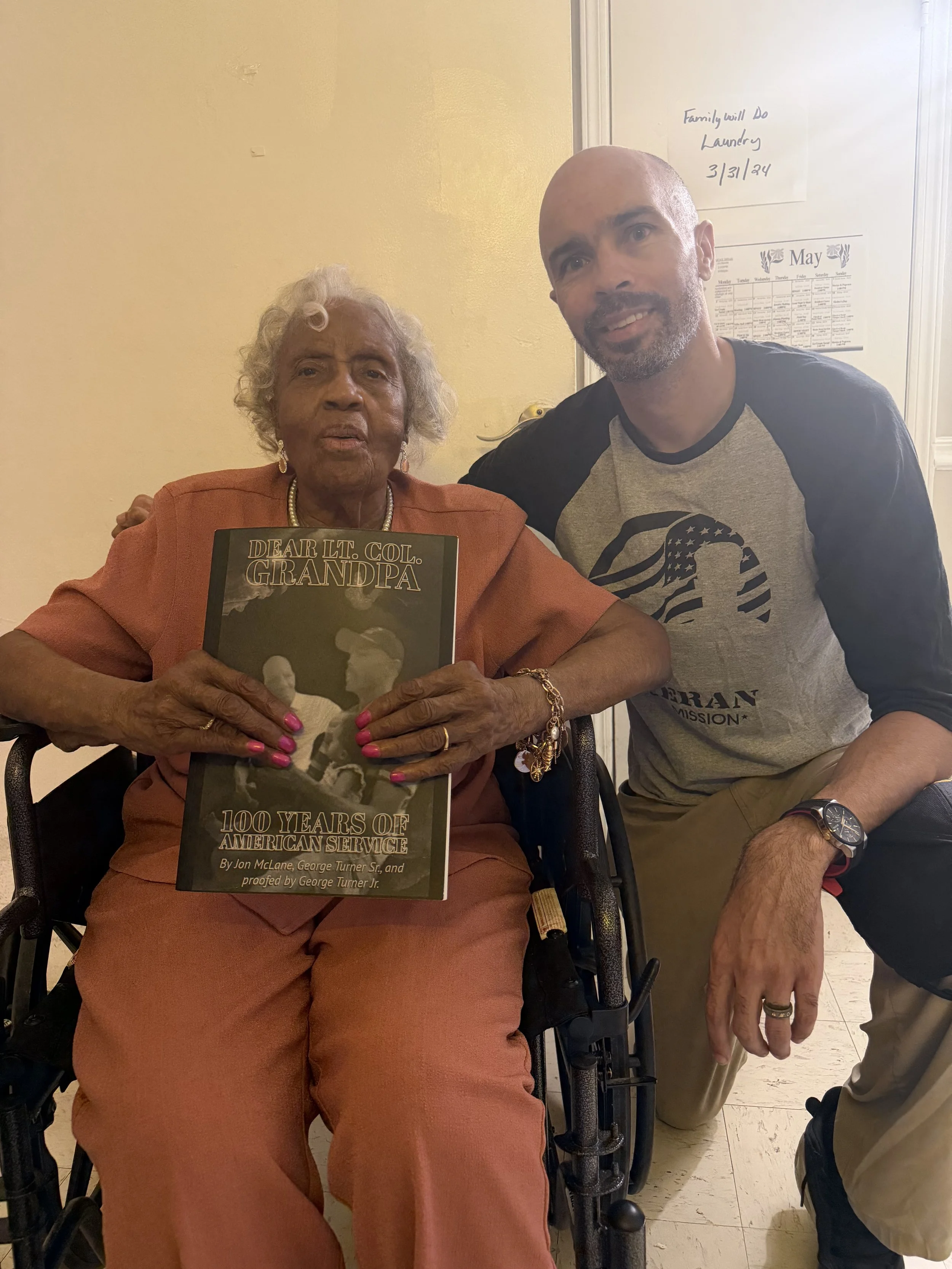
Music + Orange Crush Festival® Tour 2026
PlugNotARapper
PartyPlugMikey
Stream the albums, run the videos, then catch the live moments on the ORANGE CRUSH FESTIVAL® TOUR 2026.
Miami (Mar 13–16) • Savannah/Tybee (Apr 9–18) • Allenhurst (Apr 19) • Atlanta (May 24–31) • Jacksonville (Jun 19–21)
Headliner notes
Music Library
Tap cover art to zoom • Use “Apple Music” + “YouTube” buttons • Expand for extra videos

Swamp Baby
Apple Music + Official Video
Toxic Plug Love
Apple Music + VideosMore videos

Ghetto Ted Talk
Apple Music + Playlist
Not Like Them Rap N*ggaz
Apple Music + VideosMore videos

Baddies Island
Apple Music + VideosMore videos

Mapouka Twerk Doctor
Apple Music + VideosMore videos

Bad Baddies Love Sex (BBLS)
Apple Music + VideosMore videos

FRIENDZ8NE
Apple Music + VideoORANGE CRUSH FESTIVAL® TOUR 2026
Events + ticket buttons + flyer taps (zoom)
Miami • ORANGE CRUSH® Spring Break
March 13–16, 2026 • Mansion Party (Mar 14) • Yacht Party (Mar 15)


Savannah • Week 1
April 9–12, 2026 • Henry St Bistro • BACP (Apr 10) • DNN (Apr 11)


Tybee / Savannah / Allenhurst • Week 2
April 16–19, 2026 • Crush The Mic™ (Apr 16) • Freaknik ’26 (Apr 17) • Tybee (Apr 18) • ABC ’26 (Apr 18)


Allenhurst • CRUSH THE BLOCK®
April 19, 2026 • 258 Linda Loop SE • Truck/Jeep/Car & Bike Show • Pool Party • ATV Trail Ride


Atlanta • CRUSH® ATLANTA
May 24–31, 2026 • Pool Party Part 1 (May 24) • Pool Party Part 2 (May 30)


Jacksonville • ORANGE CRUSH® JUNETEENTH
June 19–21, 2026 • Jacksonville, FL


Countdowns
Live timers to your key dates
ORANGE CRUSH FESTIVAL® TOUR 2026
PartyPlugMikey presents the ORANGE CRUSH FESTIVAL® Tour — March–June 2026. Includes TYBEE BEACH BASH (Apr 18, 2026) + the full tour run.
MIAMI • Mar 15 (Yacht Party)
SAVANNAH Week 1 • Apr 11 (Unpermitted)
TYBEE/SAV Week 2 • Apr 18 (Permitted)
ATLANTA • May 24
JACKSONVILLE • Jun 19
Official Tour Lineup (by date)
ORANGE CRUSH FESTIVAL® TOUR 2026: ORANGE CRUSH® SPRING BREAK (South Beach Miami) • ORANGE CRUSH® TYBEE (Savannah/Tybee) • CRUSH THE MIC™ • FREAKNIK ’26 • ABC ’26 • ORANGE CRUSH FESTIVAL® TYBEE • CRUSH THE BLOCK® • CRUSH® ATLANTA • ORANGE CRUSH® JUNETEENTH (Jax).
ORANGE CRUSH® SPRING BREAK — SOUTH BEACH MIAMI, FL
ORANGE CRUSH® TYBEE — SAVANNAH / TYBEE ISLAND, GA
CRUSH THE BLOCK® — 258 Linda Loop SE, Allenhurst GA
CRUSH® ATLANTA — May 24–31, 2026
TYBEE BEACH GA • Apr 18 • Near Tybee Pier & Pavilion + Hotel Tybee Parking Lot (31328)
MARCH | MIAMI
South Beach Miami Spring Break • March 13–16, 2026
ORANGE CRUSH® MIAMI • Mansion Pool Party
CRUSH® MIAMI • Mansion Pool Party (Alt Flyer)
ORANGE CRUSH® MIAMI • Yacht Party
APRIL | SAVANNAH / TYBEE
April 9–18, 2026 • Henry St Bistro (1308 Montgomery St) + Tybee Beach
BACP • Big A** College Party
DNN • Damn Near Naked Party
CRUSH THE MIC™
FREAKNIK ’26
FREAKNIK ’26 (Alt Flyer)
ORANGE CRUSH FESTIVAL® TYBEE • Beach Bash
ABC ’26 • Anything Butt Clothes
ABC ’26 • Official ORANGE CRUSH Beach After Party (Alt Flyer)
CRUSH THE BLOCK | ALLENHURST
Sunday • April 19, 2026 • 258 Linda Loop SE, Allenhurst GA
CRUSH THE BLOCK®
MAY | ATLANTA
CRUSH® ATLANTA • May 24–31, 2026
Crush’Lanta • Mansion Pool Party Part 1
Crush’Lanta • Mansion Pool Party Part 2
JUNE | JACKSONVILLE
ORANGE CRUSH® JUNETEENTH • June 19–21, 2026
ORANGE CRUSH® JUNETEENTH • Jacksonville
IMG_URL_HERE.
