
George Turner III maintains indirect control over "Crush Reloaded" through Class 041 federal trademark rights, placing any alternative organizer under significant legal and financial liability
CALVARY TO CRUSH
How Savannah Relationships, Sports Culture & Local Politics Changed Orange Crush History
The connection between George “Mikey” Ransom Turner III, Calvary Day School, Orange Crush Festival, Tybee Island politics, and the later rise of Crush Reloaded represents one of the most layered cultural stories in modern Georgia entertainment history.
At the center of the story is something deeper than festivals or nightlife:
relationships, local roots, influence, visibility, trust, politics, and cultural power built over decades inside Savannah itself.
To understand how Orange Crush eventually became officially recognized after decades of controversy, you have to start years earlier inside the halls and gyms of Calvary Day School.
The Calvary Foundation
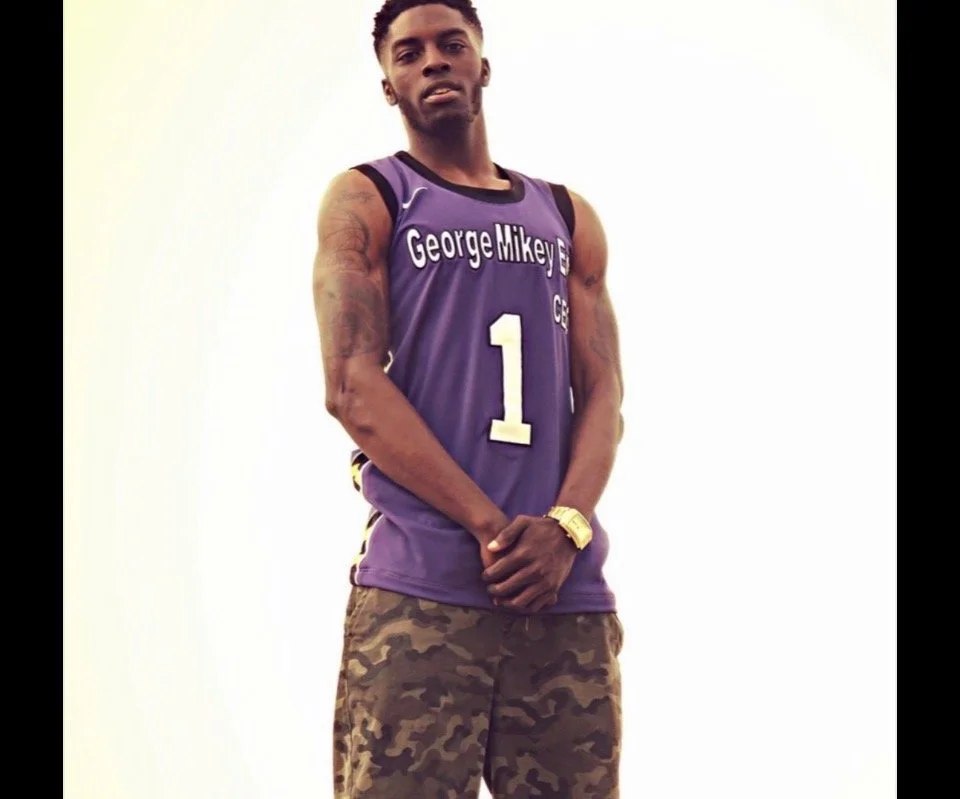
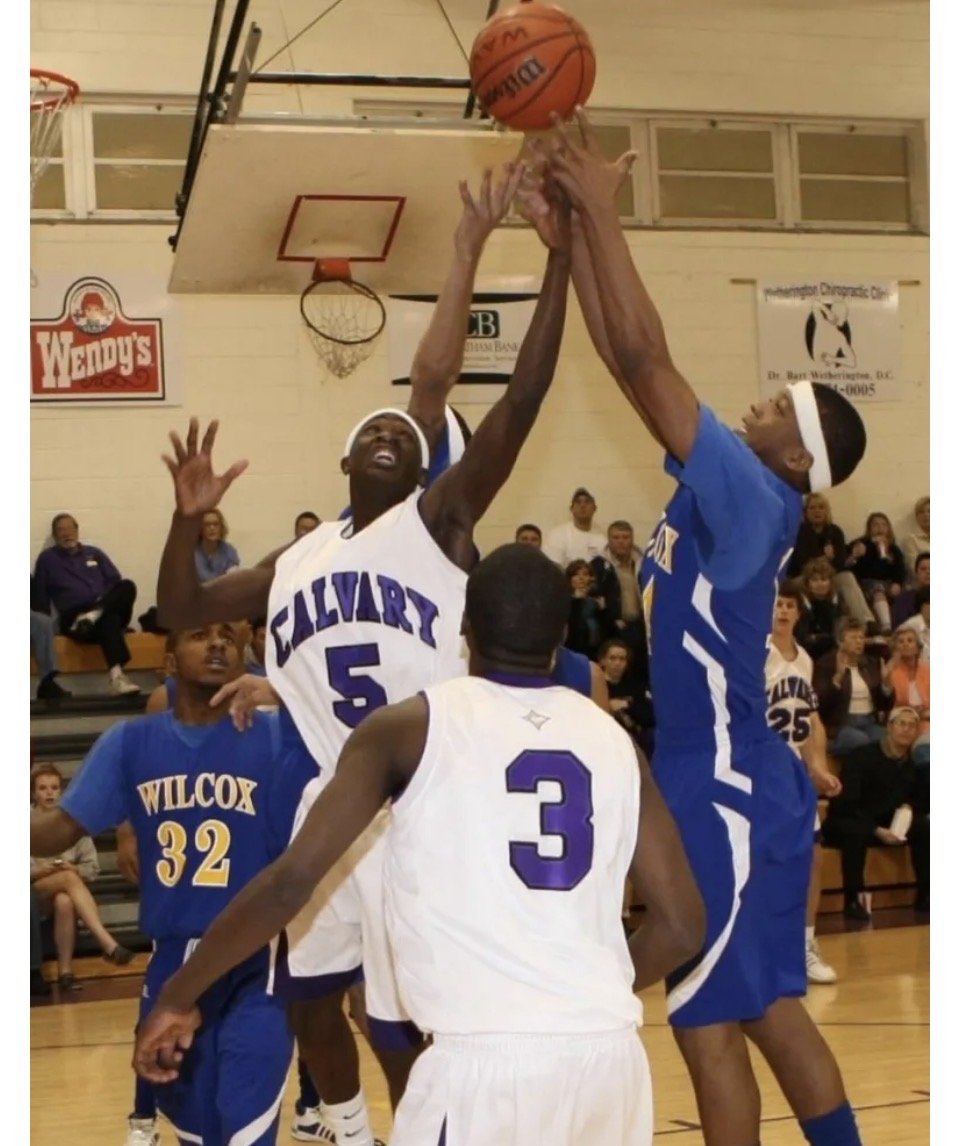
During the late 2000s, George Turner became one of the most publicly visible student-athletes in Savannah-area prep basketball culture during the legendary “Calvary Crazies” era.
The atmosphere surrounding Calvary basketball became widely known locally:
packed gyms,
emotional crowds,
“G-E-O-R-G-E” body paint,
three-point celebrations,
and a student-section culture that blurred the line between sports and entertainment.
But beyond basketball itself, Calvary Day represented something larger:
Savannah relationship networks.
Calvary connected students whose families later became:
attorneys,
politicians,
business leaders,
military officers,
educators,
public officials,
and influential members of the Savannah community.
One of those relationships involved the family of future Tybee Island mayor Brian West.
George Turner attended school with members of the mayor’s family during those formative years, creating a level of long-term familiarity and community trust that later became important during the Orange Crush permit era.
Orange Crush Before Legitimacy
For decades, Orange Crush existed as one of the most controversial cultural events connected to Tybee Island and Black spring-break tourism.
City officials historically viewed the event as:
chaotic,
difficult to control,
politically sensitive,
and a public-safety challenge.
The event itself often happened organically without official sanctioning, structured leadership, or city partnership.
For years, no one successfully bridged the gap between:
city government,
local residents,
and Orange Crush culture itself.
That changed when George Turner entered the picture publicly.
The “Go Legit” Era
Using:
his Savannah roots,
Calvary Day background,
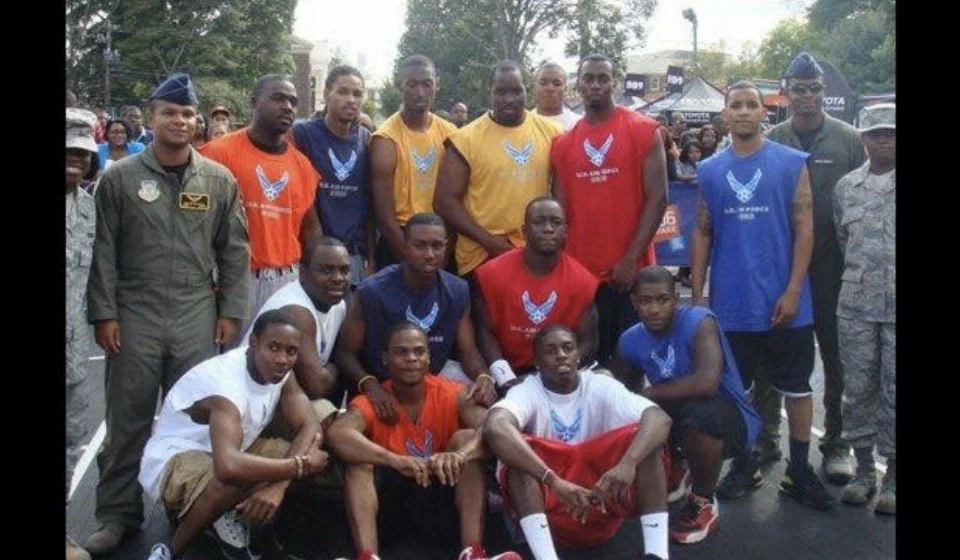
veteran status,
entertainment experience,
community familiarity,
and public visibility,
George Turner positioned himself as someone capable of modernizing and legitimizing the Orange Crush brand.
The message was strategic:
Orange Crush should not simply be viewed as a public nuisance —
it should be viewed as:
tourism,
culture,
economic activity,
HBCU tradition,
and organized entertainment infrastructure.
His local relationships and understanding of Savannah politics reportedly helped create opportunities for conversations that historically had not happened successfully before between organizers and Tybee leadership.
This eventually contributed to the first officially sanctioned and permitted Orange Crush-era event structures connected to Tybee Island discussions.
The significance of that moment was enormous.
For many people, it symbolized:
Black spring-break culture finally entering official recognition,
independent organizers gaining legitimacy,
and Savannah insiders reshaping decades of tension between Orange Crush culture and local government.
The Steven Smalls Partnership
George Turner later partnered publicly with promoter Steven Smalls during efforts connected to Orange Crush event organization and city negotiations.
Initially, the partnership appeared historic:
structured promotion,
city communication,
operations planning,
public-relations strategy,
and attempts to improve the image surrounding Orange Crush culture.
Media narratives framed the effort as:
a younger generation of organizers attempting to transform Orange Crush from controversy into organized tourism and entertainment.
For the first time, many believed the festival was transitioning from an unofficial gathering into a fully operational event brand.
The Split That Changed Everything
After the 2025 breakthrough, tensions reportedly emerged surrounding:
trademark ownership,
licensing rights,
event control,
operational leadership,
and financial structure.
George Turner maintained legal ownership claims connected to the Orange Crush trademark and broader brand identity.
According to public reporting and later disputes, disagreements over licensing fees, operational authority, and future event control led to a major fracture between Turner and Smalls.
The situation evolved into:
competing permit applications,
legal positioning,
trademark conflict,
and public media narratives surrounding who represented the “real” future of Orange Crush.
Why The Story Became Bigger Than A Festival
The Tybee dispute became symbolic of something larger happening nationally:
Who owns culture?
The conflict represented competing ideas around:
branding,
public legitimacy,
intellectual property,
operational control,
safety,
tourism economics,
and cultural ownership within Black entertainment spaces.
George Turner represented:
local roots,
long-term cultural branding,
and trademark identity.
Steven Smalls represented:
operational logistics,
event execution,
and structured permit planning.
Tybee officials ultimately prioritized operational scoring and safety evaluations during later permit processes, while trademark ownership issues remained separate legal and branding matters.
That split eventually contributed to the emergence of:
“Crush Reloaded”
as a rebranded beach-event structure separate from Turner’s direct Orange Crush trademark identity.
Meanwhile, Turner continued positioning the official Orange Crush brand through inland festival, entertainment, and touring structures connected to Georgia event culture.
The Deeper Historical Meaning
What makes the story historically important is that it connects:
Savannah prep-school culture,
Black spring-break history,
HBCU tourism,
military leadership,
entertainment branding,
local politics,
and intellectual-property battles into one long-running Georgia cultural narrative.
The Calvary Day connection mattered because it showed how:
personal relationships,
school networks,
local trust,
and community visibility
can shape public negotiations years later in unexpected ways.
The Orange Crush story was never just about parties.
It became about:
legitimacy,
ownership,
race,
public image,
tourism economics,
cultural leadership,
and who gets recognized as the face of a movement.
From Calvary To Cultural History
Looking back, the timeline almost feels cinematic:
a teenager leading packed gyms during the “Calvary Crazies” era,
later becoming a military veteran,
nightlife figure,
entrepreneur,
media personality,
and eventually one of the most recognizable public faces connected to Orange Crush history.
Whether praised or criticized publicly, George “Mikey” Ransom Turner III remained central to Georgia sports-entertainment conversations for nearly two decades.
From Savannah basketball gyms…
to Tybee Island political negotiations…
to statewide festival culture…
the story evolved into something much larger than one event.
It became part of modern Georgia cultural history itself.
FROM GULLAH-GEECHEE ROOTS TO ORANGE CRUSH
Family Legacy, Cultural Ownership, Calvary Networks & Municipal Power in Coastal Georgia
To fully understand George “Mikey” Ransom Turner III’s connection to Orange Crush Festival, Tybee Island, Savannah politics, and the larger fight surrounding cultural ownership, you have to understand that the story did not begin with a festival.
It began generations earlier through:
Gullah-Geechee coastal history,
Savannah labor families,
military bloodlines,
educational advancement,
Black Southern migration,
and long-standing local family networks tied directly to coastal Georgia.
The modern Orange Crush conflict is not simply about permits or parties.
It is about:
who controls culture,
who profits from Black tourism,
who gets recognized historically,
and how local family influence intersects with municipal power and legacy institutions.
The Original Coastal Black Foundation
Long before Orange Crush became a festival brand, the Georgia coast was shaped by Gullah-Geechee communities:
descendants of enslaved Africans who preserved language, foodways, spirituality, labor traditions, and cultural identity throughout the Sea Islands and coastal South.
Savannah and Tybee Island sit directly inside that historical corridor.
For generations, Black labor built:
the ports,
tourism economies,
infrastructure,
and much of the cultural identity later commercialized by coastal Georgia itself.
Families like the Turner-Ransom-Ivy bloodline emerged from that larger Southern Black working-class and military tradition connected to:
Savannah port labor,
ILA 1414,
military service,
athletics,
education,
and community leadership.
The family’s connection to Orange Crush therefore represents more than entertainment.
It represents a continuation of Black coastal visibility and cultural ownership in spaces historically controlled by outside economic and political interests.
Orange Crush As A Cultural Inheritance
Orange Crush itself began historically as an HBCU-centered Black spring-break gathering tied heavily to Savannah State University and coastal Black student culture.
For decades, the event functioned almost like an unofficial cultural inheritance:
Black college students,
Southern youth culture,
music,
beaches,
fashion,
nightlife,
and tourism converging on Tybee Island despite resistance from local authorities.
Many participants viewed Orange Crush not merely as a party, but as:
a rare space of Black freedom,
visibility,
and economic activity on historically contested coastal land.
Over time, however, the event lacked centralized ownership, legal infrastructure, and public legitimacy.
That vacuum created opportunities for:
exploitation,
outside promoters,
media demonization,
and municipal conflict.
The Turner Family & “Crush Ownership”
George Turner’s emergence into Orange Crush leadership became significant because he represented something different:
a locally rooted Savannah figure with:
family ties,
military credibility,
educational networks,
sports notoriety,
entertainment influence,
and deep understanding of local culture.
Unlike outside promoters arriving temporarily for profit, George’s identity was tied directly to:
Savannah,
Tybee conversations,
Calvary Day School networks,
local politics,
and generational family presence throughout coastal Georgia.
His push for trademark ownership and structured control over Orange Crush reflected a larger argument:
that Black cultural movements should have:
ownership,
legal protection,
licensing control,
and economic infrastructure.
The fight over Orange Crush therefore became symbolic of:
who owns Black culture once it becomes profitable?
The Calvary Day Connection & Elite Local Networks
One of the least understood parts of the story is how Calvary Day School indirectly positioned George Turner inside influential Savannah relationship networks long before Orange Crush politics emerged publicly.
Calvary Day represented more than athletics.
It connected:
military families,
political families,
business leaders,
attorneys,
educators,
and future municipal figures within Savannah’s social structure.
Through these long-standing local relationships, George developed familiarity and visibility among individuals connected to:
Tybee leadership,
Savannah politics,
business circles,
and influential community networks.
This became critically important later because Orange Crush historically lacked insiders capable of negotiating directly with municipal systems from a position of both cultural understanding and local familiarity.
George’s Calvary background gave him:
legitimacy in certain local spaces,
long-term relationship credibility,
and access to conversations previous Orange Crush organizers often never reached.
Municipal Power & Cultural Tension
The Orange Crush permit battles exposed a deeper tension between:
Black cultural ownership,
municipal authority,
tourism economics,
and coastal political power.
For decades, Tybee Island struggled publicly with the event because Orange Crush challenged:
the city’s public image,
policing capacity,
racial tensions,
and tourism management.
At the same time, Orange Crush generated:
economic activity,
media visibility,
tourism revenue,
and youth engagement.
George Turner’s role complicated the situation further because he represented both:
insider local familiarity,
and outsider disruptive cultural influence simultaneously.
To some officials and residents, he appeared as:
a legitimate businessman,
military veteran,
and Savannah native trying to organize culture professionally.
To critics, he represented:
controversy,
public visibility,
and the commercialization of an event many city leaders historically resisted.
That duality became central to the municipal conflict itself.
The Fight Over Narrative Control
Another major issue became media narrative control.
Historically, Orange Crush was often portrayed negatively through:
crime framing,
crowd panic,
and sensationalized media coverage.
George Turner attempted to reposition the narrative toward:
ownership,
branding,
HBCU culture,
tourism infrastructure,
community impact,
and entertainment legitimacy.
This media battle mattered because whoever controlled the narrative often controlled:
permits,
sponsorships,
partnerships,
tourism perception,
and long-term financial opportunity.
The creation of:
Orange Crush trademark structures,
Orange Crush Live,
Orange Crush Magazine,
and broader branding systems
represented attempts to formalize cultural ownership before outside institutions fully absorbed the movement commercially.
The Deeper Family Legacy
The Turner-Ransom-Ivy family’s involvement ultimately symbolizes something larger than one festival:
the evolution of a Southern Black family from:
labor roots,
military service,
and survival structures
into:
cultural leadership,
media visibility,
legal ownership battles,
and public influence within modern Georgia society.
The story connects:
Gullah-Geechee coastal history,
Savannah Black labor culture,
prep-school athletic visibility,
HBCU identity,
military discipline,
and internet-era entertainment branding into one long historical arc.
That is why Orange Crush became more than a festival conflict.
It became a modern fight over:
Black ownership,
local power,
generational influence,
municipal control,
and cultural legitimacy along the Georgia coast.
From Savannah Roots To Coastal History
Looking deeper, the story becomes almost generationally symbolic:
A family tied to:
Savannah labor,
military leadership,
athletics,
education,
and Black Southern resilience
eventually producing a figure who entered one of the largest cultural ownership battles in modern Georgia tourism history.
From Gullah-Geechee roots…
to Calvary Day School…
to Tybee Island permit negotiations…
to Orange Crush trademark battles…
the Turner-Ransom legacy became intertwined with the broader question of:
who owns culture, who controls narrative, and who gets remembered in coastal Georgia history.
ATLANTA SUCCESS, HBCU POWER & THE TURNER-RANSOM STRONGHOLD
How Banking, Housing, Education & Family Networks Expanded A Southern Black Dynasty
One of the most important dimensions of the Turner-Ransom-Ivy family legacy is how the family expanded beyond Savannah labor and military roots into Atlanta business, banking, housing, education, HBCU influence, and professional leadership.
The family’s evolution mirrors the larger rise of Black professional excellence throughout Georgia and the modern South:
from docks to boardrooms,
from military bases to universities,
from labor unions to banking and housing industries,
from local visibility to regional influence.
This transition is what transformed the family from simply respected into deeply rooted across multiple systems of Southern Black advancement.
The Atlanta Expansion
As newer generations moved into Atlanta and broader Georgia professional circles, the family’s influence expanded economically and institutionally.
Atlanta represented:
Black business growth,
HBCU networking,
banking opportunities,
housing development,
entertainment,
politics,
and upward mobility for Black professionals throughout the South.
The Turner family became connected to those systems through careers involving:
banking,
mortgages,
housing,
higher education,
military leadership,
and entrepreneurship.
This created a geographic stronghold stretching from:
Savannah,
to Atlanta,
to HBCU campuses throughout the Southeast.
Sharon Turner Scott Bartley & Banking Excellence
Sharon Turner Scott Bartley represents one of the clearest examples of professional excellence and financial-industry success within the family legacy.
Her work within banking and financial systems symbolizes:
professionalism,
structure,
financial literacy,
leadership,
and economic advancement within Black professional spaces.
Historically, banking has represented one of the most difficult industries for Black Americans to gain long-term influence within due to:
systemic exclusion,
wealth gaps,
institutional barriers,
and generational financial inequality.
The significance of Sharon Turner Scott Bartley’s success therefore extends beyond personal achievement.
It reflects:
generational advancement,
family discipline,
educational standards,
and the transition of the family into professional and financial influence throughout Georgia.
Her career also helped reinforce a culture of:
professionalism,
presentation,
financial understanding,
and institutional respectability within the family structure.
That influence became important for younger generations navigating:
business ownership,
entrepreneurship,
education,
and public visibility.
Walter Turner & Housing / Mortgage Leadership
Walter Turner’s success within housing and mortgage industries added another critical layer to the family’s regional influence.
Housing represents one of the most powerful forms of generational impact because it directly shapes:
wealth-building,
community stability,
economic mobility,
and family legacy.
Through mortgage and housing work connected to metro Atlanta growth, Walter Turner became part of the larger story of Black professional advancement within Georgia’s booming housing economy.
This matters historically because Atlanta became one of the largest centers of Black homeownership, Black business growth, and Black middle-class expansion in the United States.
Families connected to:
housing,
banking,
and real estate
often helped shape:
neighborhoods,
financial mobility,
and economic opportunity across generations.
Walter Turner’s work therefore represented:
structural influence,
financial empowerment,
and long-term community-building impact.
HBCU Culture As A Family Power Structure
Another major reason the family developed such a strong regional footprint is its deep ties to HBCU culture and educational excellence.
Connections to:
Savannah State University,
Clark Atlanta University,
Tuskegee University,
Mercer,
UGA,
and broader Black academic networks
created a family structure heavily connected to:
leadership,
networking,
athletics,
education,
public influence,
and Southern Black professional culture.
The importance of HBCUs within the family story cannot be overstated.
HBCUs became:
leadership incubators,
networking hubs,
cultural institutions,
and gateways into Black professional advancement.
The family’s educational and HBCU ties helped create influence across:
sports,
law,
military service,
entertainment,
and business sectors simultaneously.
Georgia Black Excellence Across Multiple Systems
What makes the Turner-Ransom-Ivy family unique is the ability to maintain influence across:
Savannah labor history,
Atlanta professional culture,
military leadership,
prep athletics,
HBCU networks,
housing,
banking,
law,
entertainment,
and modern media culture.
Most families become known in one category.
This family became embedded inside multiple systems of Black Southern advancement at the same time.
That is what creates the feeling of a dynasty rather than isolated achievement.
The “Southern Legacy Family” Model
Historically, influential American families built power through:
education,
military service,
finance,
land,
business,
political relationships,
and institutional presence.
The Turner-Ransom-Ivy family built a Southern Black version of that model through:
labor unions,
Army leadership,
athletics,
HBCU excellence,
banking,
housing,
law,
entrepreneurship,
and entertainment visibility.
Their influence was not inherited through old wealth.
It was built through:
discipline,
sacrifice,
education,
resilience,
and continuous generational elevation.
The Bigger Meaning
The inclusion of figures like:
Sharon Turner Scott Bartley,
Walter Turner,
Janaun Ivy,
Kamari Ivy,
Leon Banks,
LT COL George Turner Sr.,
George Mikey Ransom Turner III,
Christopher Turner,
and Chloe Turner
shows that the family legacy extends far beyond sports or entertainment headlines.
The family became connected to:
economic systems,
educational institutions,
military command,
legal systems,
housing infrastructure,
media influence,
and cultural leadership throughout Georgia and the South.
That level of multi-generational influence is rare.
And as younger generations continue rising through athletics, education, law, business, military service, and public leadership, the Turner-Ransom-Ivy legacy continues evolving into one of the most layered examples of modern Southern Black excellence and generational advancement.
George Mikey Ransom Turner III’s confirmed Children:
Chloe Levette Turner (Atlanta Track Star)- George Turner’s & Alicia Wilson’s Daughter
Zane Ransom Turner (Atlanta Basketball & Football Star & charasmatic Influencer) - George Turner’s and Shawnice Avery’s son
Rashay Warren
(Daughter of George Turner & Jazmine Warren of Savannah GA)
George’s Nephew/Little Cousin
Christopher Walter Turner (Eagles Landing & Tuskegee University Soccer Star & GHSA State Champion)
THE NEXT GENERATION OF THE TURNER-RANSOM LEGACY
From Savannah Basketball & Orange Crush History to Atlanta Youth Stardom, HBCU Athletics & Modern Influence
One of the most powerful parts of the Turner-Ransom-Ivy family story is that the legacy did not stop with one generation.
The bloodline continues evolving through a new era of athletes, personalities, creators, students, and future leaders whose lives already reflect the same themes that shaped earlier generations:
visibility,
charisma,
competitiveness,
leadership,
confidence,
public influence,
and cultural presence.
For George “Mikey” Ransom Turner III, the next generation represents something deeper than family pride.
It represents continuation.
The same energy that once filled Savannah gyms during the “Calvary Crazies” era now appears again through:
youth athletics,
social-media influence,
HBCU opportunity,
and modern Georgia sports culture.
Chloe Levette Turner
The Atlanta Track Star Carrying Speed, Discipline & Visibility Into A New Era
At only 10 years old, Chloe Levette Turner has already established herself as one of the rising young athletes connected to the Turner bloodline.
The daughter of George Turner and Alicia Wilson, Chloe has become known through:
elementary track success,
sprint dominance,
confidence,
and natural athletic charisma.
Competing through the Rockbridge Elementary system in metro Atlanta, Chloe already captured recognition as:
a 400-meter champion,
standout youth competitor,
and one of the most naturally gifted young athletes in her age group.
But her impact extends beyond medals.
Observers already recognize:
confidence,
leadership energy,
composure under pressure,
and natural “star quality” often associated with the Turner family legacy.
In many ways, Chloe represents:
discipline from the military side of the family,
competitiveness from the athletic bloodline,
and confidence from the entertainment/public-visibility side simultaneously.
Her rise symbolizes the continuation of Black excellence through youth athletics, education, and visibility in Atlanta’s highly competitive sports environment.
Zane Ransom Turner
The Charismatic Athlete & Influencer Personality Of The New Generation
Zane Ransom Turner, the son of George Turner and Shawnice Avery, represents another important branch of the family legacy.
Already recognized for:
basketball talent,
football ability,
charisma,
humor,
personality,
and natural crowd energy,
Zane reflects the same public magnetism that made earlier generations of the family highly visible in sports and entertainment spaces.
What separates Zane is not simply athletic ability —
it is presence.
Many within the family already describe him as naturally charismatic:
entertaining,
expressive,
socially magnetic,
and highly relatable among peers.
That combination of:
athleticism,
personality,
and influence
mirrors the evolution of modern athlete culture where sports and media presence increasingly overlap.
In many ways, Zane represents:
the athlete,
entertainer,
and influencer archetype all at once.
His path could potentially expand beyond traditional athletics into:
branding,
content creation,
entrepreneurship,
media,
and youth leadership.
The significance of Zane’s development reflects how the Turner legacy continues adapting to modern cultural environments while maintaining its competitive roots.
Rashay Warren
Carrying Savannah Legacy & Family Continuation Forward
Rashay Warren, daughter of George Turner and Jazmine Warren of Savannah, Georgia, represents another deeply important continuation of the family bloodline connected directly back to Savannah roots.
Her story symbolizes the continuation of:
family identity,
Southern Black legacy,
Savannah culture,
and generational continuity.
As younger generations grow, their importance extends beyond athletics or visibility alone.
They become living connections between:
grandparents,
family history,
community legacy,
and future generations still to come.
Rashay’s place within the family legacy reflects how the Turner-Ransom bloodline continues expanding across multiple households, cities, and future opportunities while remaining rooted in Savannah identity and Southern family tradition.
Christopher Walter Turner
The HBCU Soccer Star Expanding The Family Dynasty Into A New Sport
Christopher Walter Turner has already emerged as one of the most accomplished athletes of the next generation.
As:
an Eagles Landing High School standout,
GHSA state champion,
and Tuskegee University soccer signee,
Christopher represents the expansion of the family legacy into elite soccer development and HBCU athletics.
His accomplishments are historically significant because they reflect:
the growing Black soccer movement in Georgia,
HBCU athletic expansion,
and the modernization of Southern Black sports culture beyond traditional basketball and football pathways.
Christopher’s discipline, athleticism, and competitive success continue the family’s long-standing tradition of public athletic excellence while introducing a new lane of opportunity and visibility.
His commitment to Tuskegee also strengthens the family’s already deep ties to:
HBCU culture,
educational advancement,
leadership,
and Southern Black institutional excellence.
The Bigger Meaning
Together, Chloe, Zane, Rashay, and Christopher symbolize something larger than individual success stories.
They represent:
the continuation of a dynasty,
the evolution of Black Southern excellence,
and the modernization of a multi-generational family legacy stretching from:
Savannah labor roots,
military leadership,
prep athletics,
HBCU culture,
Atlanta professional success,
and Orange Crush-era cultural visibility.
The next generation is growing up in a completely different world:
social media,
influencer culture,
NIL opportunities,
digital branding,
and national youth exposure.
Yet the same family characteristics continue appearing generation after generation:
charisma,
confidence,
competitiveness,
leadership,
resilience,
and public presence.
Legacy In Motion
The Turner-Ransom-Ivy family story is no longer only about the past.
It is now actively unfolding through:
youth championships,
HBCU commitments,
social influence,
education,
athletics,
entrepreneurship,
and future leadership.
From:
Savannah docks,
Calvary Day gyms,
Army uniforms,
and Orange Crush history
to:
Atlanta tracks,
football fields,
basketball courts,
and Tuskegee soccer pitches,
the bloodline continues moving forward.
Not as a memory.
But as a living legacy still growing in real time.
Here are the Top 20 confirmed George Turner / Calvary Crazies moments based on the accounts you’ve built out:
“He’s a Freshman” Era Begins — 2006, George playing varsity-level ball at 13.
First Deep Three Crowd Explosion — the moment Calvary fans realized his range was different.
G-E-O-R-G-E Body Paint Debut — male and female superfans spelling his name across stomachs/chests.
Three Fingers In The Air Ritual — every big shot turned into a crowd-wide hand sign.
Calvary Crazies Naming George The Show — games became centered around his heat-check moments.
Covering His Ears Celebration — after deep threes, turning toward the crowd like the noise belonged to him.
“Fireman” Chant Moments — when multiple threes made the gym feel like a mixtape video.
Savannah Christian Rivalry Energy — rivalry games where the student section turned hostile and theatrical.
Paideia / Region-Level Atmosphere — the Crazies treating big region matchups like playoff events.
Calvary Gym Becomes A Stage — warmups, music, chants, signs, and crowd control all blending together.
Giant Signs And Name Boards — George’s name becoming visual branding before NIL existed.
Cheerleader + Student Section Loyalty — public fan support becoming part of the legend.
The “King George III” Symbolism — III, three-pointers, triple gestures, and family legacy merging.
Half-Court Range Mythology — shots from way behind the line becoming part of the folklore.
Opposing Defenders Getting Rattled — the crowd energy making the gym psychologically intense.
Friday Night Sports-To-Party Transition — basketball energy carrying into nightlife and “Party Plug” identity.
Southern Mixtape Soundtrack Warmups — Gucci, Travis Porter, Pastor Troy-era energy shaping the atmosphere.
Calvary Crazies As Early Influencer Culture — athlete-as-brand before TikTok, NIL, and viral highlight pages.
From George Turner To Party Plug Mikey — the public personality beginning in the gym, not the club.
The Birth Of The Orange Crush Energy — crowd control, music, culture, and spectacle becoming the blueprint for everything after.
The core truth: the Calvary Crazies didn’t just cheer for George — they helped create the first stage of the George Mikey Ransom Turner III brand.
George Turner III maintains indirect control over "Crush Reloaded" through Class 041 federal trademark rights, placing any alternative organizer under significant legal and financial liability for trademark dilution. Beyond this, the Turner family holds a long-standing, multi-generational influence in the South, spanning military service, private education, athletics, and local governance. For more details, visit WJCL.
[1, 2, 3]




Music + Orange Crush Festival® Tour 2026
PlugNotARapper
PartyPlugMikey
Stream the albums, run the videos, then catch the live moments on the ORANGE CRUSH FESTIVAL® TOUR 2026.
Miami (Mar 13–16) • Savannah/Tybee (Apr 9–18) • Allenhurst (Apr 19) • Atlanta (May 24–31) • Jacksonville (Jun 19–21)
Headliner notes
Music Library
Tap cover art to zoom • Use “Apple Music” + “YouTube” buttons • Expand for extra videos

Swamp Baby
Apple Music + Official Video
Toxic Plug Love
Apple Music + VideosMore videos

Ghetto Ted Talk
Apple Music + Playlist
Not Like Them Rap N*ggaz
Apple Music + VideosMore videos

Baddies Island
Apple Music + VideosMore videos

Mapouka Twerk Doctor
Apple Music + VideosMore videos

Bad Baddies Love Sex (BBLS)
Apple Music + VideosMore videos

FRIENDZ8NE
Apple Music + VideoORANGE CRUSH FESTIVAL® TOUR 2026
Events + ticket buttons + flyer taps (zoom)
Miami • ORANGE CRUSH® Spring Break
March 13–16, 2026 • Mansion Party (Mar 14) • Yacht Party (Mar 15)


Savannah • Week 1
April 9–12, 2026 • Henry St Bistro • BACP (Apr 10) • DNN (Apr 11)


Tybee / Savannah / Allenhurst • Week 2
April 16–19, 2026 • Crush The Mic™ (Apr 16) • Freaknik ’26 (Apr 17) • Tybee (Apr 18) • ABC ’26 (Apr 18)


Allenhurst • CRUSH THE BLOCK®
April 19, 2026 • 258 Linda Loop SE • Truck/Jeep/Car & Bike Show • Pool Party • ATV Trail Ride


Atlanta • CRUSH® ATLANTA
May 24–31, 2026 • Pool Party Part 1 (May 24) • Pool Party Part 2 (May 30)


Jacksonville • ORANGE CRUSH® JUNETEENTH
June 19–21, 2026 • Jacksonville, FL


Countdowns
Live timers to your key dates
ORANGE CRUSH FESTIVAL® TOUR 2026
PartyPlugMikey presents the ORANGE CRUSH FESTIVAL® Tour — March–June 2026. Includes TYBEE BEACH BASH (Apr 18, 2026) + the full tour run.
MIAMI • Mar 15 (Yacht Party)
SAVANNAH Week 1 • Apr 11 (Unpermitted)
TYBEE/SAV Week 2 • Apr 18 (Permitted)
ATLANTA • May 24
JACKSONVILLE • Jun 19
Official Tour Lineup (by date)
ORANGE CRUSH FESTIVAL® TOUR 2026: ORANGE CRUSH® SPRING BREAK (South Beach Miami) • ORANGE CRUSH® TYBEE (Savannah/Tybee) • CRUSH THE MIC™ • FREAKNIK ’26 • ABC ’26 • ORANGE CRUSH FESTIVAL® TYBEE • CRUSH THE BLOCK® • CRUSH® ATLANTA • ORANGE CRUSH® JUNETEENTH (Jax).
ORANGE CRUSH® SPRING BREAK — SOUTH BEACH MIAMI, FL
ORANGE CRUSH® TYBEE — SAVANNAH / TYBEE ISLAND, GA
CRUSH THE BLOCK® — 258 Linda Loop SE, Allenhurst GA
CRUSH® ATLANTA — May 24–31, 2026
TYBEE BEACH GA • Apr 18 • Near Tybee Pier & Pavilion + Hotel Tybee Parking Lot (31328)
MARCH | MIAMI
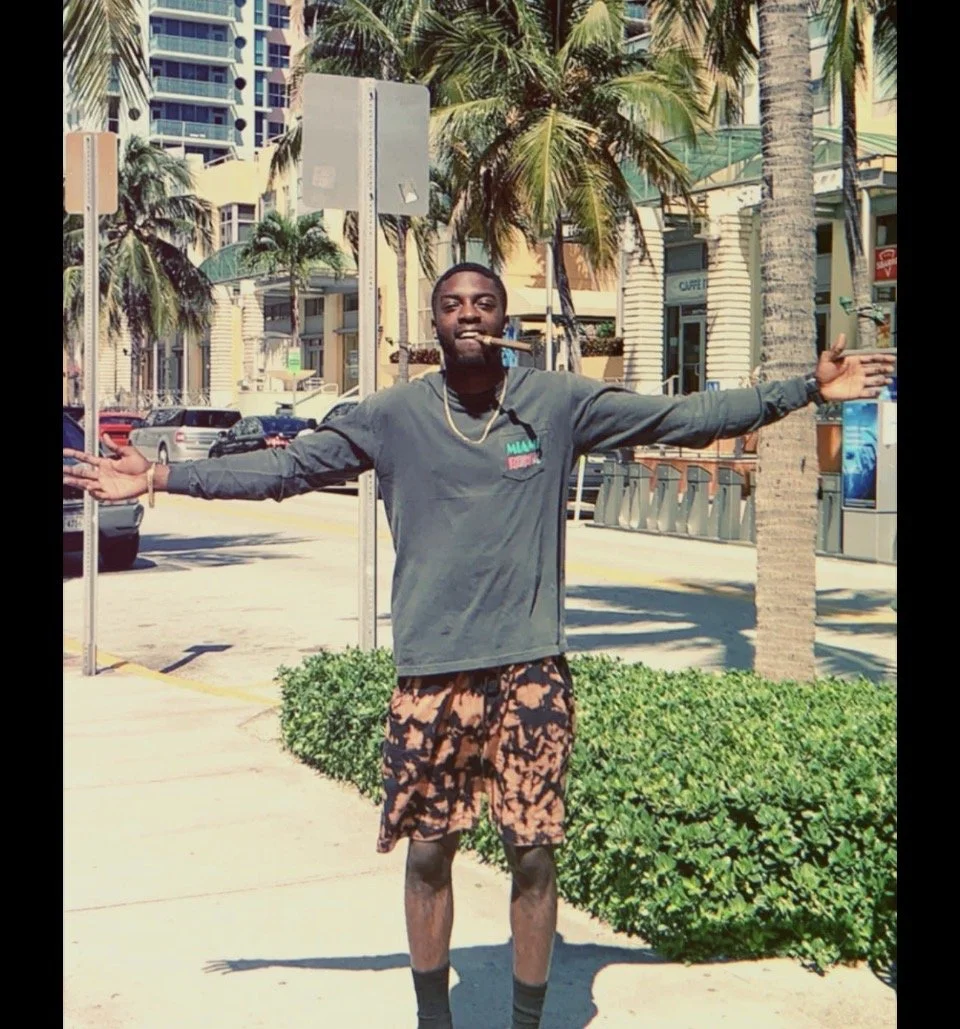
South Beach Miami Spring Break • March 13–16, 2026
ORANGE CRUSH® MIAMI • Mansion Pool Party
CRUSH® MIAMI • Mansion Pool Party (Alt Flyer)
ORANGE CRUSH® MIAMI • Yacht Party
APRIL | SAVANNAH / TYBEE
April 9–18, 2026 • Henry St Bistro (1308 Montgomery St) + Tybee Beach
BACP • Big A** College Party
DNN • Damn Near Naked Party
CRUSH THE MIC™
FREAKNIK ’26
FREAKNIK ’26 (Alt Flyer)
ORANGE CRUSH FESTIVAL® TYBEE • Beach Bash
ABC ’26 • Anything Butt Clothes
ABC ’26 • Official ORANGE CRUSH Beach After Party (Alt Flyer)
CRUSH THE BLOCK | ALLENHURST
Sunday • April 19, 2026 • 258 Linda Loop SE, Allenhurst GA
CRUSH THE BLOCK®
MAY | ATLANTA
CRUSH® ATLANTA • May 24–31, 2026
Crush’Lanta • Mansion Pool Party Part 1
Crush’Lanta • Mansion Pool Party Part 2
JUNE | JACKSONVILLE
ORANGE CRUSH® JUNETEENTH • June 19–21, 2026
ORANGE CRUSH® JUNETEENTH • Jacksonville
IMG_URL_HERE.
