
THE TURNER-RANSOM LEGACY From Savannah Docks to State Championships, Military Leadership, HBCU Excellence & Orange Crush Culture THE TURNER-RANSOM LEGACY From Savannah Docks to State Championships,
THE TURNER-RANSOM LEGACY
From Savannah Docks to State Championships, Military Leadership, HBCU Excellence & Orange Crush Culture
THE TURNER-RANSOM LEGACY
From Savannah Docks to State Championships, Military Leadership, HBCU Excellence & Orange Crush Culture
Some families are remembered for one great athlete.
Some families are remembered for military service.
Some are remembered for business, law, or public leadership.
The Turner-Ransom-Ivy bloodline became known for all of it at once.
Stretching across Savannah, Atlanta, HBCU campuses, military institutions, labor unions, Georgia athletics, entertainment culture, and public leadership, the family legacy evolved into a multi-generational story of resilience, visibility, sacrifice, discipline, and impact throughout the American South.
The story did not begin with fame.
It began with work.
The Savannah Foundation
At the center of the family’s roots stands Savannah, Georgia — a city built on ports, labor, military presence, education, athletics, and Black Southern culture.
For generations, members of the Turner and Ransom family became connected to:
ILA Local 1414,
military service,
Savannah athletics,
education,
and community leadership.
The docks helped shape the family mentality.
Men like:
George Ransom Sr.,
George Ransom Jr.,
George Turner Jr.,
Charles “Chuckie” Ransom,
and Christopher Lee Rawlerson
represented a generation of labor leadership and working-class Black excellence tied directly to Savannah’s shipping industry and economic growth.
The International Longshoremen’s Association was more than employment.
It represented:
sacrifice,
brotherhood,
discipline,
financial survival,
and generational responsibility.
That work ethic became embedded into the bloodline.
Military Leadership Across Generations
Military service also became one of the defining pillars of the family legacy.
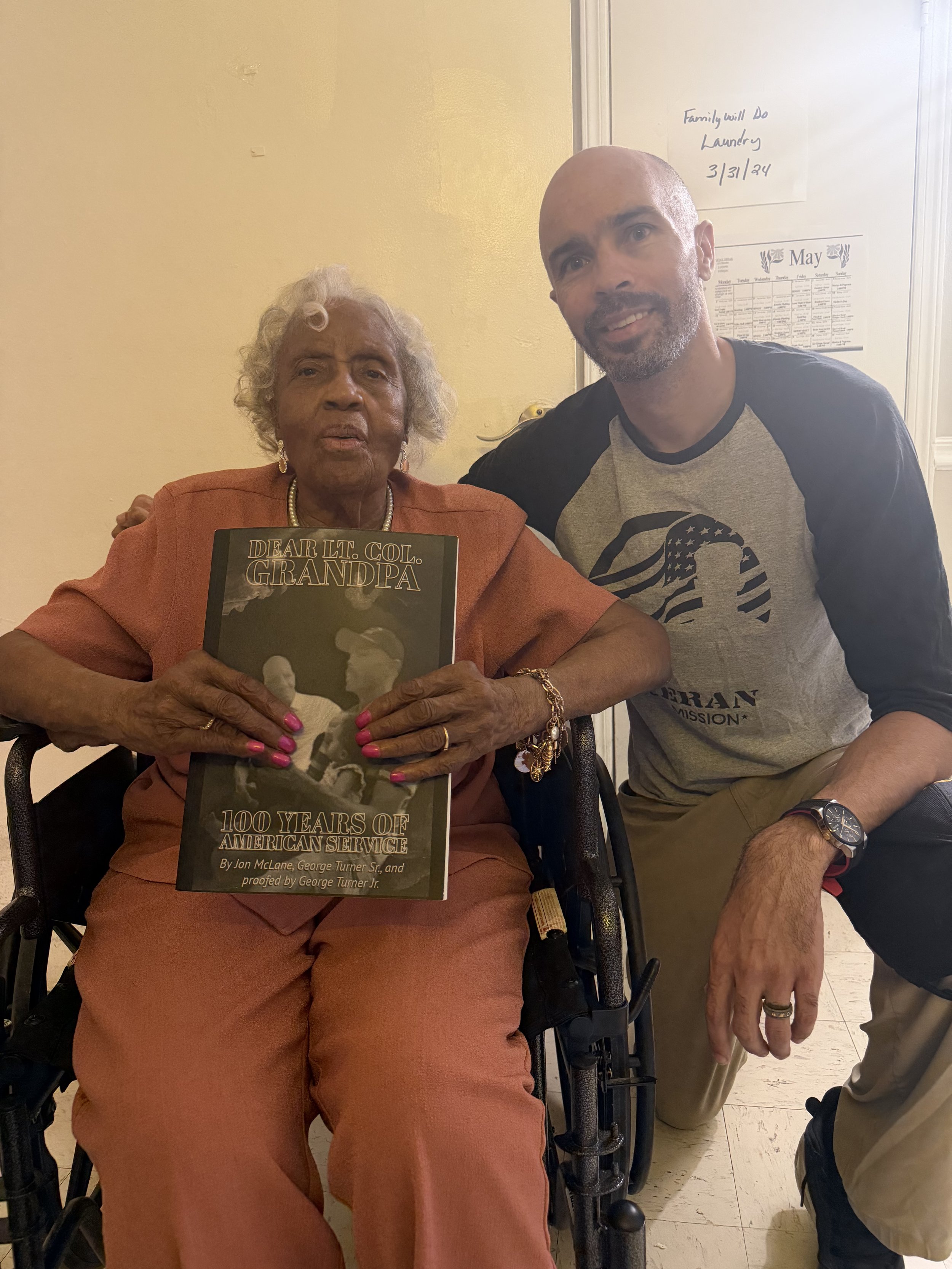
LT COL George Turner Sr. established one of the strongest examples of leadership, structure, and discipline within the family. His military career represented command responsibility, sacrifice, intelligence, and long-term service to the country.
That standard continued through multiple generations:
SGT George C. Turner Jr.
SPC Jon McLane
CPT Ta’Nisha Turner Scott
and COR George Ransom Turner III
Military service shaped the family mentally as much as professionally.
It created:
resilience,
toughness,
leadership under pressure,
and the ability to survive difficult environments while continuing to lead others.
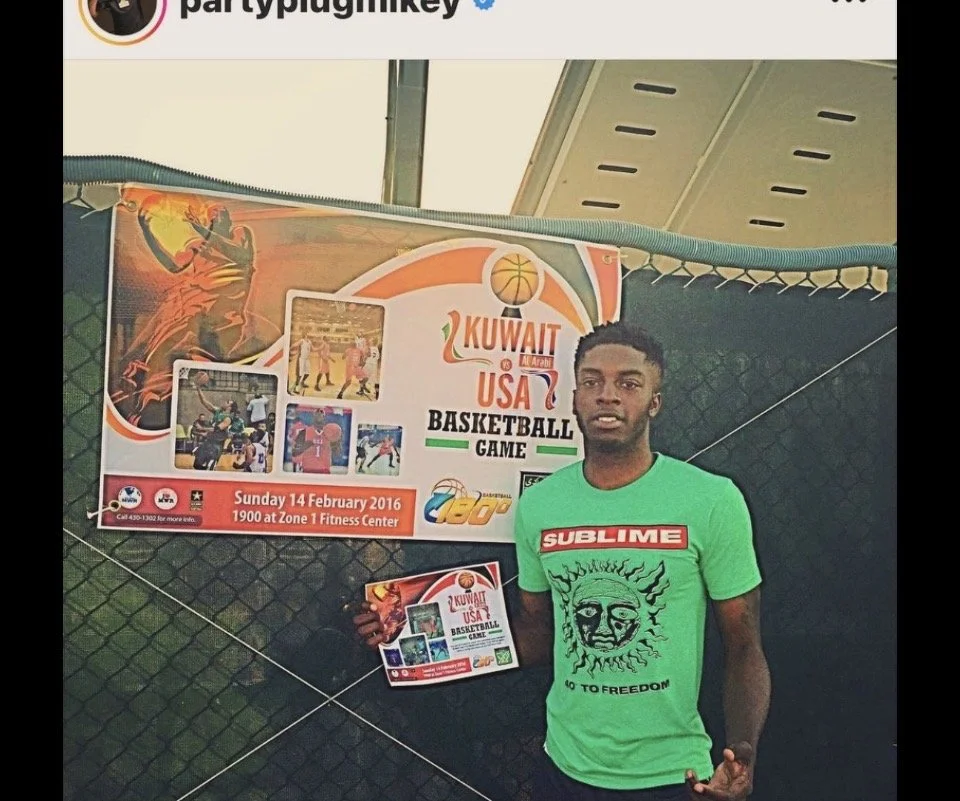
For George Mikey Ransom Turner III, Army service connected to Kuwait and Saudi Arabia became one of the most transformative periods of his life. The military sharpened discipline and leadership but also exposed him to trauma, PTSD, depression, and long-term emotional battles that would later shape both his personal story and public mission.
The Athletic Bloodline
Athletics became another defining characteristic of the family tree.
The Turner-Ransom family developed a reputation for competitiveness, visibility, leadership, and sports excellence across multiple generations and sports.
Charles “Chuckie” Ransom became respected through Savannah High and Savannah State-connected sports culture.
Darren Parker later represented another important branch tied to Savannah Tech and Savannah State athletics.
George C. Turner Jr. carried athletic toughness and military discipline simultaneously through the Windsor Forest era.
Then came the rise of George “Mikey” Ransom Turner III.
The Calvary Crazies Era
By the late 2000s, George Mikey Turner became one of the most recognizable personalities in Savannah-area prep sports during his years at Calvary Day School.
The “Calvary Crazies” era became legendary locally:
packed gyms,
body paint,
screaming student sections,
three-point celebrations,
and emotional crowd energy rarely seen at small private-school games.
Fans painted:
G • E • O • R • G • E
across their stomachs and chests.
Three fingers filled the air after deep shots.
The gym atmosphere reportedly felt closer to a college arena than a Class A prep-school environment.
That period became important because it foreshadowed modern athlete branding years before NIL and influencer culture exploded nationally.
George’s rise blended:
basketball,
crowd psychology,
entertainment,
music culture,
internet-era personality branding,
and public visibility into one identity.
Many supporters later described it as:
“The Party Plug Era.”
From Athlete To Cultural Figure
Unlike many athletes whose influence ends after sports, George Mikey Turner’s public visibility expanded into:
nightlife,
entertainment,
media,
branding,
social influence,
and eventually Orange Crush Festival culture.
As “Party Plug Mikey” and “Plug Not A Rapper,” he became associated with:
music promotion,
event hosting,
internet virality,
youth culture,
nightlife energy,
and large-scale entertainment branding throughout Georgia and the Southeast.
His story became polarizing.
Some people admired the confidence, charisma, and ability to create movement around ideas and events.
Others criticized the same visibility and influence that made him culturally relevant.
Yet through every era:
basketball,
nightlife,
music,
controversy,
business,
military service,
and Orange Crush Festival,
his name remained part of Georgia sports and entertainment conversations for nearly two decades.
HBCU Excellence & Educational Achievement
The family legacy also expanded deeply into HBCU and educational influence.
Connections to:
Savannah State University,
Clark Atlanta University,
Tuskegee University,
Mercer,
UGA,
and Harvard-level achievement
showed that the family impact extended far beyond athletics alone.
Janaun Ivy’s work through Mercer, UGA, and State of Georgia systems represented legal and governmental excellence.
Kamari Ivy’s academic achievements reflected elite intellectual development and upward mobility.
Leon Banks’ ties to UGA Law strengthened the family’s legal and professional influence.
Education became another pillar of the bloodline:
discipline,
scholarship,
leadership,
and institutional excellence.
The Next Generation
The family legacy is now continuing into a new generation.
Christopher Turner emerged from Eagles Landing championship culture into Tuskegee University soccer, representing the future of HBCU athletics and Black soccer visibility in the Southeast.
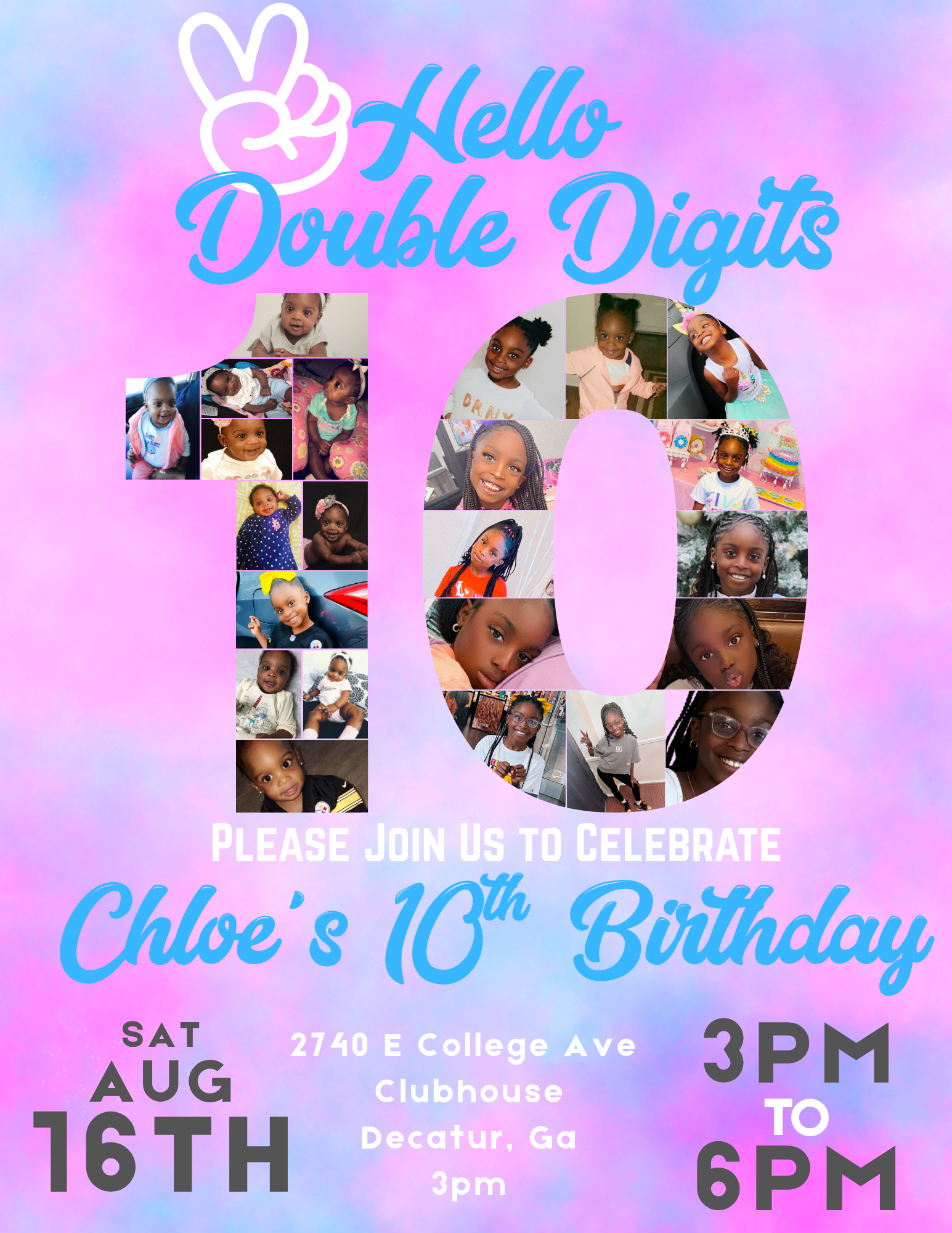
Chloe Turner already established herself as a standout youth track athlete in metro Atlanta, winning and competing at elite levels in elementary competition at only 10 years old.
Ransen “Trey” Daily III symbolizes yet another continuation of the bloodline moving into the future.
The family story is still growing.
The Women Who Held Everything Together
One of the most important parts of the legacy is the women who shaped the emotional and spiritual foundation of the family:
Tonya Ransom Turner,
Zett,
Sharon Ivy,
Debbie Ransom,
and the Turner-Ransom matriarchs.
Their influence created:
emotional strength,
resilience,
discipline,
faith,
and survival instincts that carried through every generation.
Their losses also became defining emotional moments that shaped George Mikey Turner’s personal story deeply.
The Bigger Meaning
The Turner-Ransom-Ivy family story is bigger than one career or one public figure.
It is the story of:
labor leaders,
soldiers,
athletes,
attorneys,
doctors,
entertainers,
youth champions,
educators,
entrepreneurs,
and survivors.
It is the story of a Southern Black family whose influence stretched from Savannah port docks to state championships, from military command to HBCU campuses, from prep sports arenas to entertainment culture.
Most importantly, it is a story about endurance.
The family survived:
grief,
racism,
military trauma,
economic hardship,
public scrutiny,
betrayal,
and pressure,
while continuing to produce leaders and achievers generation after generation.
And as new generations continue rising through sports, education, military service, and leadership, the Turner-Ransom legacy continues evolving — carrying Savannah history, Georgia culture, and family pride forward into the future.
Additional important elements to add to the Turner-Ransom-Ivy family legacy story are the deeper themes of symbolism, public influence, generational psychology, and historical timing. What makes the family story unique is not simply achievement — it is the ability to remain culturally visible and impactful across completely different eras of Georgia history while continuously adapting to changing times.
One major thing to emphasize is that the family legacy spans multiple “worlds” simultaneously:
military structure,
Black Southern labor history,
HBCU culture,
prep athletics,
entertainment,
nightlife,
internet virality,
entrepreneurship,
and public leadership.
Very few families have roots connected simultaneously to:
Savannah port labor unions,
Army leadership,
elite youth athletics,
state-level sports recognition,
legal and academic excellence,
entertainment branding,
and modern internet-era cultural influence.
Another important aspect is timing. The Turner-Ransom bloodline existed through multiple major transitions in Black Southern culture:
post-segregation Georgia,
the rise of HBCU sports culture,
the growth of Savannah tourism,
internet/social-media evolution,
modern athlete branding,
and the merging of sports and entertainment identities.
Each generation adapted differently:
older generations built survival and stability through labor, military service, and discipline,
middle generations built educational and professional advancement,
newer generations entered public branding, athletics, media, and entrepreneurship.
The family history also represents a broader evolution of Black visibility in the South:
from labor to leadership,
from survival to ownership,
from participation to influence.
Another thing not to leave out is the emotional complexity behind public success. Many people only see highlights:
championships,
crowds,
media attention,
music,
festivals,
military titles,
and public recognition.
But underneath the visibility were repeated experiences with:
grief,
pressure,
loss,
trauma,
betrayal,
public scrutiny,
and the responsibility of carrying a respected family name.
That emotional weight shaped the personality and leadership style of many family members, especially George Mikey Ransom Turner III, whose public life often unfolded under constant visibility and criticism while simultaneously trying to build businesses, platforms, and cultural movements.
Another important point is the role sports played as a family language. Across generations, athletics became more than competition:
it became identity,
confidence,
discipline,
networking,
public visibility,
and emotional release.
From Savannah basketball courts to Atlanta-area tracks and HBCU soccer fields, sports consistently acted as a bridge connecting generations together.
The family’s story is also important because it reflects the changing definition of leadership itself. Older generations led through:
military command,
labor union respect,
and economic sacrifice.
Newer generations lead through:
media visibility,
cultural influence,
entrepreneurship,
technology,
entertainment,
and public branding.
Yet both forms of leadership are connected by the same foundation:
resilience,
toughness,
sacrifice,
and belief in elevation of the next generation.
The Orange Crush Festival era should also be framed historically as part of a larger cultural movement involving:
Black spring break tourism,
independent event ownership,
Southern youth culture,
HBCU energy,
and the commercialization of internet-era entertainment experiences.
Whether praised or criticized publicly, George Mikey Turner’s connection to Orange Crush placed the family name inside one of the most recognizable cultural conversations in Georgia tourism and entertainment history during the modern era.
Another critical layer is generational symbolism. The “III” attached to George Ransom Turner III represents continuation:
grandfather to father to son,
labor to leadership,
survival to influence.
The repeated military service, sports success, and public visibility across generations create the feeling of a continuing dynasty rather than isolated accomplishments.
Future sections could also include:
church and spiritual influence within the family,
Savannah neighborhood/community roots,
mentor figures and coaches,
the role of music in shaping family identity,
mental health and resilience conversations,
and the transition from local influence into statewide recognition.
Most importantly, the story should emphasize that the Turner-Ransom-Ivy family legacy is still actively unfolding. Christopher Turner’s Tuskegee soccer commitment, Chloe Turner’s early championship success, and younger family members continuing to rise mean the story has not peaked yet.
The family’s impact continues expanding through:
athletics,
education,
military service,
law,
business,
technology,
entertainment,
and cultural leadership.
This is not simply a story about where the family has been.
It is also a story about where the bloodline is going next.
THE TURNER-RANSOM-IVY DYNASTY
A Southern Black Legacy Family Built Across Generations
Throughout history, certain families became known not only for wealth, but for influence.
Some built banking empires.
Some built political power.
Others built military, educational, or cultural institutions that shaped entire regions for generations.
In the American South, the Turner-Ransom-Ivy family represents a different kind of legacy dynasty — one built not through inherited global power, but through generations of discipline, labor, military service, athletics, education, leadership, entrepreneurship, and cultural influence.
Their story stretches from Savannah port labor and Army leadership to HBCU excellence, Georgia sports culture, law, business, entertainment, and modern media influence.
Unlike many famous dynasties built behind closed doors, this family’s legacy was built publicly:
in gyms,
on military bases,
in classrooms,
on docks,
through community service,
through sports,
through sacrifice,
and through cultural visibility across decades.
The Foundation: Labor, Discipline & Survival
Every dynasty begins with a foundation.
For the Turner-Ransom bloodline, that foundation was built through:
labor,
structure,
sacrifice,
and military discipline.
Generations connected to ILA Local 1414 helped shape Savannah’s port economy and working-class Black excellence:
George Ransom Sr.
George Ransom Jr.
George Turner Jr.
Charles “Chuckie” Ransom
Christopher Lee Rawlerson
These men represented more than jobs.
They represented:
economic survival,
union pride,
brotherhood,
and the ability to create opportunity for future generations through hard work and endurance.
At the same time, military leadership became deeply embedded into the family structure through figures like:
LT COL George Turner Sr.
SGT George C. Turner Jr.
CPT Ta’Nisha Turner Scott
and George Ransom Turner III.
Military service gave the family:
discipline,
leadership,
resilience,
structure,
and public respect.
The combination of labor and military excellence became the backbone of the family identity.
The Rise Of Educational & Professional Power
As generations evolved, the family expanded into higher education, law, banking, healthcare, and professional leadership.
The bloodline produced:
attorneys,
scholars,
healthcare professionals,
bankers,
educators,
and public servants.
Names connected to institutions like:
Mercer,
UGA,
Harvard-related achievement,
Savannah State University,
Clark Atlanta University,
and Tuskegee University
showed the family’s transition from survival into institutional influence.
Figures like:
Janaun Ivy,
Kamari Ivy,
Leon Banks,
Sharon Turner Scott Bartley,
and Walter Turner
represent the intellectual and professional branches of the dynasty.
This evolution reflects one of the greatest transitions possible within Southern Black family history:
from labor-based survival into multi-generational professional influence.
Sports, Visibility & Public Influence
Another defining part of the family legacy is athletics.
Sports became one of the primary ways the family gained public visibility, leadership recognition, and cultural impact.
From Savannah basketball culture to elite soccer and youth track development, the athletic bloodline continued expanding generation after generation.
George “Mikey” Ransom Turner III emerged as one of the most publicly visible figures in the family during the legendary “Calvary Crazies” basketball era at Calvary Day School.
Long before NIL and influencer-athlete branding became mainstream nationally, his era already blended:
sports,
crowd psychology,
music,
entertainment,
media visibility,
and personality branding.
The packed gyms, body paint, three-point celebrations, and emotional student-section culture transformed local basketball into a cultural event.
That visibility later evolved into:
nightlife influence,
internet culture,
entertainment branding,
Orange Crush Festival,
and long-term media relevance throughout Georgia.
Meanwhile, the next generation continues rising:
Christopher Turner through championship soccer and Tuskegee University,
Chloe Turner through elite youth track success,
and younger family members preparing to carry the bloodline further.
The Cultural Dynasty
What makes the Turner-Ransom-Ivy legacy unique is that the family became influential across multiple categories simultaneously:
military,
labor,
athletics,
law,
education,
healthcare,
business,
entertainment,
media,
and community influence.
Most families dominate one field.
This family developed influence across entire systems of Southern Black life.
That is what separates a legacy family from isolated individual success.
The Hidden Cost Of Visibility
Every influential family carries pressure.
The Turner-Ransom-Ivy story also includes:
grief,
military trauma,
public scrutiny,
racism,
controversy,
betrayal,
legal battles,
and emotional hardship.
The deaths of family matriarchs and loved ones deeply shaped the emotional structure of the family and the mindset of later generations.
At the same time, high public visibility created both admiration and criticism.
George Mikey Turner’s public journey especially reflected this duality:
loved by supporters,
criticized by opponents,
celebrated by some communities,
misunderstood by others.
Yet through every challenge, the family continued producing leaders, achievers, and public figures.
A Southern Dynasty Still Growing
Unlike many famous legacy families whose stories belong only to history books, the Turner-Ransom-Ivy legacy is still actively evolving in real time.
The next generation is already emerging through:
HBCU athletics,
youth championships,
professional careers,
military leadership,
law,
technology,
entrepreneurship,
and media influence.
The family story represents something larger than fame.
It represents:
endurance,
adaptation,
visibility,
sacrifice,
leadership,
and generational elevation.
From Savannah docks to state championships…
From military command to Orange Crush culture…
From labor unions to HBCU campuses…
the Turner-Ransom-Ivy bloodline continues building a uniquely Southern Black American dynasty whose impact stretches far beyond one generation.
BEFORE IT WAS COMMON
The Turner-Ransom-Ivy Family & The Ivy-League Standard of Black Excellence
Long before social media celebrated “Black excellence,” long before elite academic achievement became a major online conversation, and long before professional success within Black Southern families became widely recognized publicly, the Turner-Ransom-Ivy family already carried an educational and leadership standard that mirrored the discipline, expectations, and prestige associated with Ivy League culture.
Not necessarily because every generation attended Ivy League schools directly — but because the family operated with the mindset, structure, pressure, ambition, professionalism, and multi-generational achievement often associated with elite American legacy families.
The Turner-Ransom-Ivy family represented a version of Black Southern excellence that existed quietly before it became trendy or marketable online.
In many ways, the family embodied:
academic rigor,
military discipline,
public leadership,
professional excellence,
athletic competitiveness,
and generational expectations before mainstream culture normalized celebrating those achievements publicly.
Excellence Was Expected, Not Exceptional
For many Black Southern families, survival itself was once considered success.
But within the Turner-Ransom-Ivy bloodline, there was always pressure to go further:
become educated,
become disciplined,
become respected,
become leaders,
and elevate the next generation higher than the last.
That expectation existed across multiple branches of the family:
military leadership,
law,
higher education,
labor leadership,
healthcare,
athletics,
and entrepreneurship.
Education was not viewed as optional.
It was viewed as legacy.
The Intellectual Branch Of The Family
The family eventually produced connections to:
Mercer,
UGA,
Harvard-level academic achievement,
Savannah State University,
Clark Atlanta University,
Tuskegee University,
and professional legal and governmental systems.
Figures like:
Janaun Ivy,
Kamari Ivy,
Leon Banks,
and other academically driven family members
represented the intellectual branch of the dynasty.
These accomplishments reflected:
scholarship,
discipline,
elite educational standards,
and long-term professional positioning.
The significance becomes even greater when viewed historically.
Many Southern Black families faced:
segregation,
economic barriers,
systemic discrimination,
and limited institutional access.
Yet despite those obstacles, the Turner-Ransom-Ivy family consistently produced educated, disciplined, high-achieving individuals generation after generation.
That is what made the family exceptional.
A Family Built Like An Institution
The family structure itself often operated like an institution:
military discipline from older generations,
educational pressure from parents and elders,
athletic competitiveness among younger generations,
and strong expectations surrounding professionalism and public behavior.
Children within the family grew up around:
Army leadership,
labor union respect,
educational achievement,
public service,
and competitive sports culture.
The message was clear:
represent the family name with pride.
That mindset created a level of accountability and ambition similar to many historically influential American legacy families.
Before “Black Excellence” Became A Hashtag
Today, social media often celebrates:
HBCU culture,
Black professionals,
Black doctors,
Black attorneys,
Black military leaders,
and Black entrepreneurs.
But the Turner-Ransom-Ivy family embodied many of those standards decades earlier without public applause or internet validation.
The family legacy was built quietly through:
sacrifice,
consistency,
hard work,
discipline,
and generational elevation.
Before online branding existed, the family already emphasized:
education,
presentation,
professionalism,
leadership,
and ownership.
That is why the bloodline reflects an “Ivy League standard” mindset even beyond specific institutions themselves.
It was about culture and expectations.
The Balance Between Streets, Structure & Sophistication
One of the most unique aspects of the family story is the ability to move between multiple worlds simultaneously:
labor and law,
military and media,
athletics and academics,
entertainment and professionalism.
The family developed people capable of surviving difficult environments while still carrying themselves with discipline, intelligence, and leadership.
That balance became especially visible through George “Mikey” Ransom Turner III.
His life represented a collision between:
elite family expectations,
sports celebrity,
military structure,
entertainment culture,
public scrutiny,
entrepreneurship,
and internet-era visibility.
He carried both:
the pressure of a disciplined family legacy,
and the unpredictability of modern public culture.
That tension helped shape both his success and controversy.
The Next Generation
The family’s educational and achievement standards continue today through younger generations:
Christopher Turner entering Tuskegee University athletics,
Chloe Turner already excelling academically and athletically at a young age,
and future generations carrying the expectation of leadership, discipline, and visibility.
The story is no longer simply about one generation succeeding.
It is about building a lasting legacy culture.
More Than Degrees
Ultimately, the Turner-Ransom-Ivy family story is not only about diplomas or institutions.
It is about:
generational standards,
discipline,
emotional resilience,
leadership,
public excellence,
and the expectation that every generation must elevate higher.
That is what truly defines an “Ivy League standard” family:
not just where people attended school,
but how the family teaches leadership, ambition, professionalism, and legacy across generations.
Long before it became popular to celebrate Black excellence publicly, the Turner-Ransom-Ivy family was already living it.




Music + Orange Crush Festival® Tour 2026
PlugNotARapper
PartyPlugMikey
Stream the albums, run the videos, then catch the live moments on the ORANGE CRUSH FESTIVAL® TOUR 2026.
Miami (Mar 13–16) • Savannah/Tybee (Apr 9–18) • Allenhurst (Apr 19) • Atlanta (May 24–31) • Jacksonville (Jun 19–21)
Headliner notes
Music Library
Tap cover art to zoom • Use “Apple Music” + “YouTube” buttons • Expand for extra videos

Swamp Baby
Apple Music + Official Video
Toxic Plug Love
Apple Music + VideosMore videos

Ghetto Ted Talk
Apple Music + Playlist
Not Like Them Rap N*ggaz
Apple Music + VideosMore videos

Baddies Island
Apple Music + VideosMore videos

Mapouka Twerk Doctor
Apple Music + VideosMore videos

Bad Baddies Love Sex (BBLS)
Apple Music + VideosMore videos

FRIENDZ8NE
Apple Music + VideoORANGE CRUSH FESTIVAL® TOUR 2026
Events + ticket buttons + flyer taps (zoom)
Miami • ORANGE CRUSH® Spring Break
March 13–16, 2026 • Mansion Party (Mar 14) • Yacht Party (Mar 15)


Savannah • Week 1
April 9–12, 2026 • Henry St Bistro • BACP (Apr 10) • DNN (Apr 11)


Tybee / Savannah / Allenhurst • Week 2
April 16–19, 2026 • Crush The Mic™ (Apr 16) • Freaknik ’26 (Apr 17) • Tybee (Apr 18) • ABC ’26 (Apr 18)


Allenhurst • CRUSH THE BLOCK®
April 19, 2026 • 258 Linda Loop SE • Truck/Jeep/Car & Bike Show • Pool Party • ATV Trail Ride


Atlanta • CRUSH® ATLANTA
May 24–31, 2026 • Pool Party Part 1 (May 24) • Pool Party Part 2 (May 30)


Jacksonville • ORANGE CRUSH® JUNETEENTH
June 19–21, 2026 • Jacksonville, FL


Countdowns
Live timers to your key dates
ORANGE CRUSH FESTIVAL® TOUR 2026
PartyPlugMikey presents the ORANGE CRUSH FESTIVAL® Tour — March–June 2026. Includes TYBEE BEACH BASH (Apr 18, 2026) + the full tour run.
MIAMI • Mar 15 (Yacht Party)
SAVANNAH Week 1 • Apr 11 (Unpermitted)
TYBEE/SAV Week 2 • Apr 18 (Permitted)
ATLANTA • May 24
JACKSONVILLE • Jun 19
Official Tour Lineup (by date)
ORANGE CRUSH FESTIVAL® TOUR 2026: ORANGE CRUSH® SPRING BREAK (South Beach Miami) • ORANGE CRUSH® TYBEE (Savannah/Tybee) • CRUSH THE MIC™ • FREAKNIK ’26 • ABC ’26 • ORANGE CRUSH FESTIVAL® TYBEE • CRUSH THE BLOCK® • CRUSH® ATLANTA • ORANGE CRUSH® JUNETEENTH (Jax).
ORANGE CRUSH® SPRING BREAK — SOUTH BEACH MIAMI, FL
ORANGE CRUSH® TYBEE — SAVANNAH / TYBEE ISLAND, GA
CRUSH THE BLOCK® — 258 Linda Loop SE, Allenhurst GA
CRUSH® ATLANTA — May 24–31, 2026
TYBEE BEACH GA • Apr 18 • Near Tybee Pier & Pavilion + Hotel Tybee Parking Lot (31328)
MARCH | MIAMI
South Beach Miami Spring Break • March 13–16, 2026
ORANGE CRUSH® MIAMI • Mansion Pool Party
CRUSH® MIAMI • Mansion Pool Party (Alt Flyer)
ORANGE CRUSH® MIAMI • Yacht Party
APRIL | SAVANNAH / TYBEE
April 9–18, 2026 • Henry St Bistro (1308 Montgomery St) + Tybee Beach
BACP • Big A** College Party
DNN • Damn Near Naked Party
CRUSH THE MIC™
FREAKNIK ’26
FREAKNIK ’26 (Alt Flyer)
ORANGE CRUSH FESTIVAL® TYBEE • Beach Bash
ABC ’26 • Anything Butt Clothes
ABC ’26 • Official ORANGE CRUSH Beach After Party (Alt Flyer)
CRUSH THE BLOCK | ALLENHURST
Sunday • April 19, 2026 • 258 Linda Loop SE, Allenhurst GA
CRUSH THE BLOCK®
MAY | ATLANTA
CRUSH® ATLANTA • May 24–31, 2026
Crush’Lanta • Mansion Pool Party Part 1
Crush’Lanta • Mansion Pool Party Part 2
JUNE | JACKSONVILLE
ORANGE CRUSH® JUNETEENTH • June 19–21, 2026
ORANGE CRUSH® JUNETEENTH • Jacksonville
IMG_URL_HERE.
