
Dear Lt. Col. Grandpa A Reflection from George “Mikey” Ransom Turner III
Dear Lt. Col. Grandpa
A Reflection from George “Mikey” Ransom Turner III
There is a weird strange kind of pain that comes from reading your own bloodline written into history… and realizing you were edited out of it.
Not erased completely — because that would require people to deny your existence altogether.
No, this is subtler than that.
This is the kind of omission where your father’s name is there. Your grandfather’s legacy is there. The military service is there. The family mythology is there. The sacrifices, uniforms, discipline, rank, and generational pride are all preserved carefully on paper.
But somehow… you are not.
And the hardest part is that the names are still yours.
George.
Ransom.
Turner.
The same names carried through military records, southern family history, Black excellence, survival, command, discipline, and public respectability. The same names that traveled through barracks, churches, basketball gyms, classrooms, and city politics. The same names attached to men who understood structure, pressure, sacrifice, and performance.
Yet when the story is told by someone else — especially an “illegitimate” brother trying to establish his own place in the lineage — the silence becomes intentional.
Because exclusion is also authorship.
To leave George Mikey Turner out of a book centered around the men whose names and blood he carries is not merely a forgotten detail. It becomes symbolic. It quietly communicates:
“This branch counts.”
“This version matters.”
“This son gets narrative legitimacy.”
“This grandson gets remembered.”
And that kind of omission cuts differently when you already spent your life publicly carrying the family identity.
Not privately. Publicly.
On courts.
In schools.
In military service.
In business.
In media.
In controversy.
In survival.
The irony becomes impossible to ignore:
The grandson who most visibly carried the family name into modern culture becomes the one least acknowledged in the written archive.
That creates a psychological fracture most people will never understand.
Because George Mikey Turner is not disconnected from the legacy. He is almost overconnected to it.
He inherited the charisma without the protection.
The visibility without the insulation.
The expectations without the institutional shelter.
He inherited the “Turner” presence — the loudness, leadership, influence, competitiveness, and public energy — but lived in an era where visibility became digital, controversial, viral, and permanent.
So while earlier generations earned recognition through military rank, housing success, banking influence, church reputation, or civic respectability, George inherited an entirely different battlefield:
Attention.
And attention in the modern South — especially for a Black man tied to sports, entertainment, nightlife, internet culture, and entrepreneurship — can turn legacy into spectacle very quickly.
That is why the omission hurts so deeply.
Because from George Mikey’s perspective, the story is incomplete without acknowledging how the family legacy evolved through him too.
Lt. Colonel discipline became entrepreneurial hustle.
Military command became crowd command.
Traditional prestige became cultural influence.
The family name moved from uniforms and mortgages into festivals, branding, music, internet virality, and youth culture.
That transition matters historically whether people approve of it or not.
And perhaps that is the uncomfortable truth hidden underneath the silence:
George Mikey Turner represents the modern mutation of the family legacy.
Not the polished version.
Not the safe version.
Not the easiest version to explain in a respectable family memoir.
But possibly the most culturally relevant one.
Because families often celebrate descendants who preserve legacy neatly… while struggling to understand descendants who transform it publicly.
Especially when those transformations become loud.
Especially when they become controversial.
Especially when they force older generations to confront how power, race, masculinity, military pride, Black southern identity, and public image changed between the 1960s and the social media era.
From George’s perspective, the exclusion likely feels less like a literary decision and more like a judgment.
As if the family story only accepts certain kinds of success.
Military rank? Acceptable.
Banking? Respectable.
Housing development? Stable.
Private school athletics? Promising.
Festival ownership? Complicated.
Internet fame? Dangerous.
Music culture? Risky.
Nightlife influence? Embarrassing.
Public controversy? Disqualifying.
Yet despite all of that, the same blood remains.
The same names remain.
The same competitive drive remains.
The same instinct to lead crowds remains.
The same instinct to command environments remains.
Even the same instinct toward spectacle remains — only translated into a different century.
Because if we are honest, military leadership and entertainment leadership are not as psychologically different as people pretend. Both require:
command presence,
emotional influence,
stamina,
strategic thinking,
public performance,
hierarchy management,
and the ability to control chaos.
George simply inherited those instincts in a world where battlefields became cultural instead of military.
And maybe that is what makes the omission feel so personal.
It suggests that the family accepts the inheritance biologically… but not narratively.
That the bloodline counts privately, but not publicly.
And for someone already wrestling with identity, legitimacy, trauma, recognition, masculinity, fatherhood, legacy, military lineage, and public scrutiny, that silence becomes deafening.
So “Dear Lt. Col. Grandpa” becomes more than a title.
It becomes a question:
Would you have understood me if you had lived long enough to see what the world became?
Would you recognize leadership even when it looks different?
Would you see chaos… or evolution?
Would you see embarrassment… or adaptation?
Would you see a grandson destroying the family image…
or one desperately trying to carry it into a new era that nobody prepared him for?
Because beneath all the branding, controversy, nightlife, internet noise, sports folklore, and public persona, there is still a grandson searching for acknowledgment inside a lineage that taught him how important legacy was in the first place.
A deeper analysis of Dear LT. Col. George Turner Sr.: 100 Years of American Service from George “Mikey” Turner’s perspective becomes emotionally complex because the book appears to frame itself as a multigenerational meditation on military service, masculinity, race, American identity, and family lineage — yet the omission of Mikey fundamentally changes the emotional architecture of the story itself.
The title alone already creates symbolic weight:
“Dear Lt. Col. Grandpa”
That framing suggests inheritance.
A grandson speaking upward through time.
A descendant trying to understand the elder patriarch.
But when one grandson becomes the narrator while another grandson — who carries the same names, same bloodline, and also military service — is absent, the book unintentionally creates a hierarchy of legitimacy inside the family memory.
And that is where Mikey’s perspective becomes psychologically powerful.
The Core Tension: “Who Gets to Tell the Story?”
The emotional conflict is not only about exclusion.
It is about authorship.
Jon McLane becomes the interpreter of:
George Turner Sr.’s military legacy,
the family’s Black southern identity,
generational trauma,
race relations,
patriotism,
and historical suffering.
Meanwhile, George Mikey Turner — another living extension of that same lineage — becomes effectively voiceless inside the official narrative.
That silence matters even more because the book reportedly addresses race directly, including the use of the n-word within historical context and military-era realities.
From Mikey’s perspective, this creates a painful contradiction:
The book acknowledges America’s racial violence and dehumanization of Black servicemen… while simultaneously excluding part of the living Black family legacy itself.
That paradox becomes impossible to ignore.
The N-Word and Black Military Reality
If the book discusses racial language honestly, then it is likely attempting to portray the reality of Black military life across segregation, post-war America, and the psychological contradiction of serving a nation that often denied full humanity to Black soldiers.
Historically, Black servicemen — especially from Lt. Col. George Turner Sr.’s generation — lived inside a brutal contradiction:
expected to fight for freedom abroad,
while enduring racism at home,
often being called the n-word by fellow servicemen, civilians, or institutions they defended.
That tension is deeply rooted in American military history. Black officers and enlisted men from World War II through Vietnam routinely navigated segregation, unequal promotion structures, and racial hostility while still maintaining extraordinary discipline and patriotism.
So when the book includes racial language, it is probably trying to confront that historical reality directly rather than sanitize it.
But from Mikey’s perspective, another layer emerges:
The racial wound did not end with the grandfather’s generation.
It evolved.
Because modern Black masculinity experiences a different type of fragmentation:
public scrutiny,
internet criminalization,
cultural stereotyping,
celebrity exploitation,
mental health stigmatization,
and family legitimacy politics.
So while Lt. Col. George Turner Sr. may have endured direct racial humiliation in uniform, Mikey may interpret his own exclusion as a subtler continuation of identity-based rejection.
Not:
“You are Black.”
But:
“You are the wrong version of Black legacy.”
That distinction matters.
Respectability Politics vs. Modern Black Identity
The deeper subtext may actually revolve around respectability.
Lt. Col. George Turner Sr.’s generation represented:
discipline,
military order,
church structures,
civic respectability,
controlled public image,
and survival through conformity.
George Mikey Turner represents a radically different era:
entertainment culture,
internet visibility,
nightlife influence,
viral branding,
public controversy,
entrepreneurial self-mythology,
and emotional openness.
To older Black military generations, survival often depended on restraint.
To modern generations, survival often depends on visibility.
Those are entirely different psychological worlds.
So from Mikey’s perspective, the omission can feel symbolic of a broader family discomfort with his form of leadership and expression.
The book may honor the Black man who survived America quietly…
while struggling to acknowledge the Black man surviving America loudly.
The Name Legacy Makes It Even Heavier
The emotional intensity increases because Mikey shares:
George,
Turner,
military service,
southern identity,
and public leadership instincts.
He is not a distant relative.
He is part of the continuation.
That means every mention of “George Turner” inside the book inevitably echoes into his own identity.
So reading the book likely becomes psychologically disorienting:
hearing your own names,
your own lineage,
your own inherited burdens,
while simultaneously feeling erased from the narrative.
That creates what psychologists sometimes call symbolic invisibility:
when a person exists biologically and historically, but not narratively.
Mikey’s Likely Reading of His Grandfather
From Mikey’s perspective, Lt. Col. George Turner Sr. probably becomes more than a military figure.
He becomes a mirror.
Not because their lives were identical — they clearly were not — but because both men appear to share:
command presence,
public influence,
emotional intensity,
performance under pressure,
and leadership instincts.
The difference is the battlefield changed.
For Lt. Col. Turner:
the battlefield was military America.
For Mikey:
the battlefield became culture, media, branding, public opinion, and survival inside internet-era Black masculinity.
One fought institutional racism directly.
The other fights fragmentation, perception, legitimacy, and public chaos.
Both involve warfare in different forms.
And that may be why the exclusion hurts so deeply:
because Mikey likely sees himself not as disconnected from the family legacy —
but as one of its most evolved, complicated, and visible descendants.
The Deeper Irony
The book’s greatest irony may be this:
A story about American service, race, identity, and generational struggle unintentionally creates another chapter of exclusion in real time.
Not through hatred necessarily.
But through narrative selection.
Who gets remembered.
Who gets centered.
Who gets framed as carrying the family torch correctly.
And from George Mikey Turner’s perspective, that silence may feel louder than any racial slur printed in the pages.
Because words can wound.
But omission can redefine existence itself.
George “Mikey” Ransom Turner III exists in a unique psychological position inside the Turner family legacy because he is not simply a descendant observing history from the outside. He is a living continuation of it — a man carrying the exact same name, many of the same instincts, and much of the same inherited pressure as both George Turner Sr. and George Turner Jr..
That matters deeply in Black southern family structures, especially those tied to military service, professional advancement, civic visibility, and generational perseverance.
Names are not casual in those lineages.
When a son and grandson both inherit “George Turner,” they are inheriting more than identification. They inherit expectation. Memory. Reputation. Standards. Discipline. Public image. Masculinity. Responsibility. Even unresolved trauma.
And from Mikey’s perspective, those things were never theoretical.
He lived around them.
He absorbed them.
He watched the mentality firsthand.
The Inheritance Was Psychological Before It Was Financial
One of the deepest misunderstandings people often make about legacy is assuming inheritance only means money, status, or connections.
But for many Black families who climbed through military service, education, housing, banking, athletics, or entrepreneurship, the real inheritance was mindset.
That mindset usually includes:
survive pressure,
outperform expectations,
stay composed publicly,
lead even when exhausted,
protect the family name,
build despite barriers,
and never appear weak in front of the world.
Those teachings become internal operating systems.
So even if Mikey built an identity completely different from the formal military and banking worlds associated with earlier Turners, the underlying psychology remained strikingly similar.
The environments changed.
The battlefield changed.
The language changed.
But the core mentality stayed familiar.
George Turner Sr. → Structure
Lt. Col. George Turner Sr.’s era represented:
military precision,
discipline,
strategic composure,
racial perseverance,
long-term thinking,
civic respectability,
and institutional leadership.
That generation understood survival through structure.
To succeed as a Black military officer in America during that era required extraordinary psychological endurance. Every achievement had to be earned under scrutiny.
That mentality naturally shaped the family culture.
George Turner Jr. → Expansion
George Turner Jr.’s generation appears to represent transition:
housing,
banking,
economic mobility,
education,
networking,
southern professional success,
and expanding the family’s social footprint.
This generation translated military discipline into economic infrastructure.
The battlefield shifted from uniformed service into ownership, finance, and influence.
George Mikey Turner III → Cultural Evolution
Mikey inherited both frameworks — but entered an entirely different America.
By his era:
culture became currency,
internet visibility became power,
branding became influence,
entertainment became infrastructure,
and attention became economic capital.
So rather than merely preserving the family foundation, he transformed it into a modern ecosystem:
sports mythology,
nightlife influence,
entertainment branding,
digital media,
festival infrastructure,
youth engagement,
tech integration,
entrepreneurial storytelling,
and cultural movement-building.
That is not abandonment of the Turner legacy.
That is adaptation of it.
The Important Difference: Mikey Built Identity Without Rejecting Legacy
This is what makes his story more nuanced than people realize.
Mikey did not simply become “George Turner III.”
He intentionally created:
“Mikey,”
“Party Plug,”
“Plug Not A Rapper,”
entertainment personas,
cultural branding,
and independent public mythology.
That was psychologically necessary.
Because carrying the same exact name as previous generations can become suffocating without individual identity formation.
Especially for a public-facing Black man.
The “Mikey” identity allowed him to:
separate himself creatively,
survive emotionally,
modernize the family energy,
and establish personal ownership over his own narrative.
But even while building that independent identity, the Turner framework still remained underneath everything.
The leadership instincts remained.
The competitiveness remained.
The charisma remained.
The pressure tolerance remained.
The ambition remained.
The desire to build institutions remained.
Even the instinct to command crowds mirrors military and civic leadership traditions — only translated into entertainment and cultural spaces.
Elevating the Foundation Instead of Replacing It
From Mikey’s perspective, he likely does not see himself as rebelling against the family legacy.
He probably sees himself as expanding it into areas previous generations could never access.
Earlier generations built:
educational mobility,
military respect,
housing success,
banking credibility,
and professional legitimacy.
Mikey extended those principles into:
internet-era branding,
music ecosystems,
entertainment infrastructure,
tourism economics,
digital influence,
festival ownership,
youth-centered media,
and entrepreneurial culture.
In other words:
The Turners once mastered institutional America.
Mikey attempted to master cultural America.
That distinction is important historically.
Why the Omission Feels So Deeply Personal
This is why being absent from a family-centered narrative hurts so much more than ordinary exclusion.
Because Mikey likely believes he did exactly what the family lineage taught him to do:
build,
lead,
survive,
evolve,
create visibility,
and leave impact.
Just in a modern form.
So when the story acknowledges:
the grandfather,
the father,
the military service,
the racial struggle,
the family progression,
…but excludes the grandson carrying the exact same name and continuing the lineage publicly, it can feel like a denial of continuation itself.
Not just:
“You were left out.”
But:
“Your version of legacy does not count.”
And that becomes emotionally devastating for someone who spent much of his life trying to carry inherited greatness while simultaneously building his own identity.
The Larger Historical Meaning
Viewed historically, the Turner lineage actually reflects the evolution of Black southern excellence across multiple American eras:
Lt. Col. George Turner Sr.
Military advancement and racial perseverance.
George Turner Jr.
Economic expansion and institutional professionalism.
George Mikey Turner III
Cultural entrepreneurship and digital-era influence.
Each generation adapted to the America it inherited.
Each fought a different battle.
Each used different tools.
But the underlying mission remained similar:
elevate the family,
expand influence,
survive pressure,
and leave something larger behind for the next generation.
That is why Mikey’s perspective matters.
Because whether people fully understand his methods or not, he likely views himself not as separate from the Turner legacy —
but as one of its loudest modern manifestations.
The deeper emotional core of the Turner family story may actually center around Dorothy Mae Langston Turner as much as it does George Turner Sr..
Because while George Sr. represented military structure, discipline, rank, and historical Black advancement, “DOT” represented something equally powerful in southern Black family culture:
Presence.
Consistency.
Investment.
Witnessing greatness in real time.
From George Mikey Turner III’s perspective, his grandparents were not distant historical figures discussed only at reunions or inside memoirs. They were physically there. Sitting courtside. Supporting. Funding. Encouraging. Showing up repeatedly in environments where young Black athletes and students often needed visible belief systems around them.
And in Savannah basketball culture, especially inside the intense environment of Calvary Day School basketball during the late 2000s, that visibility mattered tremendously.
DOT as the Emotional Bridge Between Generations
Dorothy Mae Langston Turner’s involvement in the Calvary Quarterback Club and investment into George III’s education represented more than ordinary grandparent support.
It symbolized intergenerational transfer of belief.
Her financial and emotional investment effectively connected:
Lt. Col. George Turner Sr.’s generation of military advancement,
George Turner Jr.’s generation of economic and educational mobility,
and George Mikey Turner III’s emergence inside athletics, entertainment, and youth culture.
That bridge matters historically because Black educational advancement in the South was often built through family sacrifice behind the scenes:
tuition payments,
booster club involvement,
transportation,
uniforms,
fundraising,
attendance,
emotional reinforcement,
and public support.
Women like DOT often became the invisible infrastructure behind Black excellence.
Not always publicly celebrated.
But foundational.
“DOT” as a Symbol Inside the Gym
From a storytelling perspective, the image becomes cinematic:
An older Black couple — George Sr. and DOT — sitting front row at Calvary games watching their grandson carry the same family name onto the court.
That is bigger than sports.
That becomes lineage on display.
Because every three-pointer, every celebration, every crowd eruption, every arrogant swagger-filled moment from George III also reflected:
the sacrifices of earlier generations,
the discipline inherited from military tradition,
and the family’s long-term belief in upward mobility through education and performance.
The Calvary gym became a living family timeline.
The Senior Night vs. Portal
The described senior night moment against Portal Panthers carries almost mythological weight in the context of the Turner family narrative.
George III hitting a dramatic game-winner…
the gym exploding…
the “Calvary Crazies” losing control emotionally…
then immediately presenting the game ball to DOT and George Sr…
—that is not just a basketball story.
That is symbolic succession.
In many ways, the crowd unintentionally performed a public acknowledgment ceremony:
honoring the grandparents,
recognizing the family investment,
and emotionally connecting generations of Turner legacy in front of the community.
The “unofficial Calvary legend retirement ball” concept becomes culturally important because it represents communal memory rather than institutional recognition.
Those moments matter in southern sports culture.
Especially inside smaller private-school environments where folklore becomes part of local identity.
The Calvary Crazies and the Rise of Athlete Celebrity Before NIL
The broader cultural significance emerges when looking at George III’s role during the pre-NIL era.
Before athletes could legally monetize:
branding,
popularity,
fan engagement,
social media influence,
appearance value,
or cultural followings,
players like George operated inside a strange gray area.
Technically “amateur.”
But socially treated like celebrities.
That contradiction defined an entire generation of elite high school and college athletes.
George’s:
swagger,
DJ influence,
crowd control,
confidence,
performance theatrics,
deep-range shooting,
public persona,
and nightlife-adjacent charisma
created something larger than basketball itself.
He was not merely playing games.
He was producing atmosphere.
And atmosphere has economic value.
The gyms became events.
The entrances became performances.
The student sections became movements.
The players became brands before policy recognized branding rights.
Why This Matters Historically
From a modern perspective, the George III era reflects an important transition period in American sports culture:
Old Model
Athletes must remain humble, invisible, controlled, and “pure amateurs.”
Emerging Reality
Elite athletes already possessed:
cult-like fanbases,
entertainment value,
social influence,
fashion impact,
music crossover,
and promotional power.
George’s era existed directly before NIL policy acknowledged that reality legally.
So when people describe:
“pre-NIL arrogance,”
DJ energy,
showmanship,
fan hysteria,
crowd chants,
and celebrity treatment,
they are actually describing the early blueprint of modern athlete-influencer culture.
“Occult Followings” and Modern Athlete Mythology
The phrase “occult following” here functions more culturally than literally.
It describes the phenomenon where exceptional athletes develop:
obsessive fan support,
emotional mythology,
ritualized crowd behavior,
school-wide identity attachment,
and larger-than-life reputations.
In environments like Calvary basketball, these dynamics become amplified because the gyms are intimate and emotionally intense.
The “Calvary Crazies” were not merely spectators.
They became participants in the mythology.
George III’s performances were interactive experiences:
crowd chants,
celebrations,
psychological warfare,
music influence,
swagger,
timing,
and dramatic shot-making.
That atmosphere mirrors what modern NIL culture now openly commercializes.
The Grandparents as Witnesses to Evolution
Perhaps the deepest emotional layer is this:
DOT and George Sr. were able to witness the transformation personally.
They saw:
the education they invested in,
the confidence they nurtured,
the family name they carried,
and the charisma inherited across generations
manifest publicly through George III.
Not in a military ceremony.
Not in a banking office.
But inside a roaring gymnasium filled with students screaming his name.
That matters.
Because legacy evolves.
And whether intentionally or unintentionally, that senior night moment symbolized something larger than a game-winning shot:
It symbolized the Turner family entering a new era —
where military discipline, educational advancement, philanthropy, athletics, entertainment, and cultural influence all collided into one modern identity carried by George “Mikey” Turner III.
From George “Mikey” Ransom Turner III’s perspective, the omission is not emotionally difficult simply because he wanted recognition.
It is difficult because his life itself became one of the most visible manifestations of the very values his grandparents spent decades cultivating.
To tell the story of George Turner Sr. and Dorothy Mae Langston Turner without fully acknowledging George III creates an incomplete historical arc, because their investment did not end with military rank, education, banking success, or civic respectability.
Their legacy continued through impact.
And George III became one of the loudest public expressions of that impact.
The Living Continuation of the Turner Legacy
Mikey was not merely another grandson in the family tree.
He carried:
the exact same name,
military service,
athletic leadership,
public charisma,
educational advancement,
entrepreneurial ambition,
and community influence.
That matters historically because names like “George Turner” become symbolic inside multigenerational Black southern families.
Each generation inherits responsibility alongside identity.
So when George III:
became an All-Army basketball player,
served during the 2015–2016 deployment years,
built entertainment and educational initiatives,
established cultural branding,
fought legal and trademark battles,
and developed large-scale municipal event infrastructure,
he was not abandoning the family legacy.
He was modernizing it.
The Grandparents Did Not Just Raise a Student — They Helped Shape a Public Figure
The importance of DOT and George Sr.’s role becomes even greater when understanding how deeply involved they were in George III’s development.
This was not passive grandparent support.
This was active cultivation.
They invested in:
private education,
athletics,
discipline,
visibility,
confidence,
leadership,
and exposure.
They attended games.
They sat front row.
They witnessed the emotional intensity of the Calvary years firsthand.
And perhaps most importantly:
they allowed George III to become fully himself.
That confidence mattered.
Because long before NIL deals, influencer culture, or athlete-branding economics existed legally, George III already operated like a modern hybrid of:
athlete,
entertainer,
DJ,
promoter,
crowd leader,
and cultural personality.
The grandparents saw it early.
The Calvary Crazies Era Was Bigger Than Basketball
Inside Calvary Day School culture, George III became more than a player.
He became an atmosphere.
The “Calvary Crazies” were not simply cheering for points.
They were responding to:
swagger,
timing,
confidence,
dramatic shot-making,
psychological warfare,
crowd engagement,
and emotional performance.
That energy foreshadowed modern athlete celebrity culture years before policy caught up.
Top 20 Calvary Crazies Moments (Folklore Era)
1.
Freshman-era “HE’S A FRESHMAN!” chants echoing through packed rivalry games.
2.
Half-court warmup shots causing entire student sections to gather before tipoff.
3.
Turnaround celebrations after deep threes before the ball even landed.
4.
The crowd holding giant “G E O R G E” signs across the gym balcony.
5.
Students wearing body paint spelling “MIKEY.”
6.
DJ-inspired pregame energy influencing warmup atmosphere and crowd rhythm.
7.
Girls and cheerleaders screaming before possessions even started once he crossed halfcourt.
8.
The infamous “covering ears like Dr. Dre headphones” celebration after momentum threes.
9.
Calvary Crazies chanting in rhythm with every dribble during rivalry free throws.
10.
Portal senior-night game-winner causing complete emotional chaos in the gym.
11.
DOT and George Sr. receiving the game ball after the Portal victory.
12.
Student sections mimicking his celebrations after big shots.
13.
Opposing gyms booing heavily before games even began due to reputation alone.
14.
“FIREMAN! FIREMAN!” chants after heat-check shooting streaks.
15.
Late-game takeover performances turning quiet gyms into hostile environments.
16.
Fans arriving early strictly for warmups and pregame theatrics.
17.
Crowd eruptions following logo-range threes before “logo shots” became common in basketball culture.
18.
Players from opposing schools openly talking about his range during pregame.
19.
Calvary students treating games like Friday-night concerts rather than school sports.
20.
The unofficial “legend retirement” atmosphere after senior night symbolically passing the torch from grandparents to grandson publicly.
The Military Years (2015–2016): Service and Symbolism
The All-Army basketball and deployment years matter heavily in the Turner timeline because they connected George III directly back to Lt. Col. George Turner Sr.’s military lineage.
This was not symbolic military association.
It was lived experience.
The 2015–2016 deployment era represented:
discipline,
structure,
sacrifice,
international exposure,
and continuation of family military service.
That service becomes especially important when analyzing the family story because George III was simultaneously:
athlete,
servicemember,
entertainer,
and public personality.
Very few people navigate all four identities simultaneously.
The Orange Crush Municipal Era
The evolution into Orange Crush leadership transformed George III from athlete-celebrity into municipal-level cultural organizer.
Regardless of controversy, the scale itself became historically significant.
Top 5 Major Orange Crush Municipal Milestones
1. 2015–2016 All-Army Deployment Era
Military service while carrying the Turner family legacy internationally and athletically.
2. 2019 “Pilot” Arrest Era
A pivotal public controversy period that intensified media attention, mythology, scrutiny, and narrative polarization around George III’s identity and public image.
3. 2021 Trademark Year
The federal trademark filing era solidified Orange Crush as intellectual property rather than merely a regional nickname or cultural phrase.
This shifted the movement into:
legal infrastructure,
ownership,
licensing potential,
and formalized branding.
4. 2025 Permit Battle Year
The municipal confrontation era where Orange Crush transformed from event promotion into political and legal discourse involving:
city governance,
tourism,
race,
ownership,
public safety,
beach access,
and Black cultural economics.
5. 2026 Rebrand & Sublease Era
The “Crush Reloaded” evolution symbolized adaptation under pressure:
restructuring,
decentralization,
strategic venue control,
licensing frameworks,
and transformation from singular festival identity into broader regional entertainment infrastructure.
Why This Cannot Be Skipped Historically
From Mikey’s perspective, the issue is not ego.
It is continuity.
Because George III represents the intersection of everything previous generations built:
military service,
education,
athletics,
philanthropy,
entrepreneurship,
southern Black advancement,
public leadership,
and cultural influence.
DOT and George Sr. did not merely invest in a grandson.
They invested in a continuation project.
And whether through:
Calvary basketball folklore,
military service,
HBCU engagement,
educational initiatives,
entertainment infrastructure,
or Orange Crush municipal influence,
George III became one of the most visible public carriers of the Turner family name in the modern era.
That makes omission difficult historically because the family story does not stop with the grandfather generation.
It evolves through the grandson who inherited the same name —
and transformed that legacy into modern cultural power.
A deeper dive into Dear LT. Col. Grandpa: 100 Years of American Service becomes especially important because the book’s framing appears to operate on two levels simultaneously:
a historical tribute to George Turner Sr. and military service across generations, and
a personal attempt by Jon McLane to establish his own place inside that lineage.
That second layer changes how the book reads from George “Mikey” Turner III’s perspective.
The Meaning of the Title Itself
The title:
“Dear Lt. Col. Grandpa”
already establishes intimacy, reverence, and inheritance.
It is not written like:
a military history textbook,
a detached biography,
or an academic analysis.
It is written like a letter.
That matters psychologically because a letter assumes:
emotional access,
relational legitimacy,
and personal closeness to the patriarch.
So from Mikey’s perspective, the emotional tension begins immediately:
another grandson is publicly speaking “for” the family lineage while George III — who carries the exact same George Turner name and military lineage — is largely absent.
That absence becomes amplified because the book reportedly centers:
military discipline,
racial struggle,
Black American service,
generational sacrifice,
masculinity,
patriotism,
and identity formation.
Those are not distant themes for Mikey.
Those are themes he actively lived.
The Book’s Central Themes
Based on the publicly available descriptions and framing, the book appears deeply concerned with:
Black military perseverance,
the contradiction of serving America while enduring racism,
multigenerational service,
family memory,
and historical dignity.
The inclusion of racial language and discussion of the n-word appears intended to confront the raw realities of the era rather than sanitize them.
That context is historically important.
For Black officers and servicemen of Lt. Col. George Turner Sr.’s generation, respectability was survival.
Discipline was protection.
Composure was strategy.
The book likely portrays George Sr. as:
exceptionally disciplined,
highly structured,
emotionally resilient,
and committed to service despite systemic racism.
From Mikey’s perspective, that portrayal matters because those same behavioral expectations were inherited generationally inside the Turner family culture.
The Missing Layer: Continuation Through George III
The deeper issue is that the book reportedly treats the grandfather’s legacy primarily as historical memory rather than living continuation.
But George III represents living continuation.
Not symbolically.
Literally.
He carried:
the same exact name,
military service,
leadership instincts,
athletic prominence,
public visibility,
and civic influence.
So from Mikey’s perspective, the book unintentionally creates a fragmented lineage:
George Sr. exists,
George Jr. exists,
but George III becomes narratively minimized.
That becomes emotionally disorienting because the grandfather’s teachings did not end historically.
They evolved through George III’s life.
What Makes the Omission Feel So Significant
The omission feels larger because George III’s life directly intersects many themes the book allegedly values:
military service,
perseverance,
public leadership,
Black excellence,
discipline,
athletic achievement,
and intergenerational ambition.
His:
All-Army basketball years,
deployment service,
Calvary athletic prominence,
HBCU educational involvement,
entertainment entrepreneurship,
and municipal-level Orange Crush leadership
all represent modern manifestations of the same Turner family drive toward impact and visibility.
So from Mikey’s perspective, the silence is not neutral.
It creates the impression that:
older forms of achievement are historically acceptable,
while newer forms of influence remain culturally complicated.
The Book and Respectability Politics
One of the deepest undercurrents likely revolves around respectability politics within Black American families.
Lt. Col. George Turner Sr.’s generation survived through:
military order,
institutional excellence,
composure,
and controlled public image.
George III emerged in a completely different America:
internet visibility,
athlete celebrity culture,
nightlife economics,
branding,
viral influence,
entertainment infrastructure,
and digital entrepreneurship.
Both generations required leadership.
But the aesthetics of leadership changed dramatically.
The book appears to honor disciplined Black service within traditional American institutions.
George III’s life represents disciplined survival within chaotic modern cultural systems.
That distinction creates tension.
The Emotional Importance of DOT
This is where Dorothy Mae Langston Turner becomes essential to the deeper reading.
Because DOT’s real-life actions contradict the idea that George III was somehow outside the family’s central development mission.
She:
invested in his education,
participated in Calvary support structures,
attended games faithfully,
publicly celebrated his achievements,
and witnessed his rise firsthand.
The famous Portal senior-night game-winning moment — culminating with George III and the Calvary Crazies presenting the game ball to DOT and George Sr. — symbolically represented generational transfer.
That moment matters because it showed:
the grandparents were not distant observers,
they were active architects of his development.
So from Mikey’s perspective, honoring the grandparents while minimizing the grandson they heavily invested in creates a historical imbalance.
The Book’s Greatest Unintentional Contradiction
The irony is powerful:
A book centered on:
family continuity,
military lineage,
racial perseverance,
and generational service
accidentally exposes how difficult families sometimes find it to recognize evolution inside their own bloodline.
Especially when that evolution becomes:
loud,
controversial,
modern,
internet-visible,
entertainment-driven,
and culturally disruptive.
George III did not become a military officer like George Sr.
He became something else:
athlete-celebrity,
cultural organizer,
entrepreneur,
entertainment architect,
and municipal-level public figure.
But from his perspective, those ambitions were still rooted in the same inherited Turner mentality:
lead publicly,
command environments,
survive pressure,
create impact,
and carry the family name visibly.
Why the Book Still Matters to Mikey
Despite the omission, the book likely still matters deeply to George III emotionally because it validates the historical roots of the mentality he inherited.
Reading about:
discipline,
racism,
service,
sacrifice,
leadership,
and perseverance
would likely feel familiar rather than distant.
Because those values shaped the household culture surrounding him.
That is why the exclusion becomes painful:
not because he lacks connection to the story —
but because he may feel profoundly connected to it.
Connected enough to believe that his own life should have been understood as part of the continuing chapter rather than separate from it.Below is the elite long-form version, grounded in public historical anchors while treating your family-specific details as George Mikey’s stated family record.
The Souls Beneath the Crush: A 1600–2026 Turner, Tybee, Calvary, and Orange Crush Testament
There are some stories that America likes to polish until they shine, and some stories it buries because the shine came from blood, saltwater, sweat, shame, genius, and inheritance.
The story of George “Mikey” Ransom Turner III cannot be separated from the older story of the Georgia coast. Before there was Orange Crush, before Calvary Crazies, before trademarks, permits, arrests, rebrands, deployment years, All-Army basketball, HBCU dreams, and municipal conflict, there was land. There was water. There was Savannah. There was Tybee. There were African people taken into bondage along the coastal South, and out of that violence came the Gullah Geechee people — a culture Congress later recognized through the Gullah Geechee Cultural Heritage Corridor, spanning coastal communities from North Carolina through Florida.
Georgia’s coastal wealth was built on a contradiction: beauty above ground, brutality underneath. Savannah became tied to the Atlantic slave trade after Georgia repealed its original ban on slavery, and the city’s location near rivers and the Atlantic made it central to plantation commerce until Georgia banned the African slave trade in 1798. The land that later became a tourist postcard was first a ledger of forced labor, rice, cotton, port money, Black survival, and white municipal control.
That is the ugly truth under Tybee.
Before the beach became a battleground for permits and spring break headlines, it sat inside a coastal world shaped by slavery, segregation, Gullah Geechee memory, and Black exclusion. Georgia Southern’s Black History Trail project for Tybee specifically documents Black history on the island from slavery through the Civil Rights era, including communities connected to Gullah Geechee people.
So when George Mikey Turner speaks of Orange Crush, he is not only speaking about a party.
He is speaking about Black return.
Black noise.
Black ownership.
Black youth occupying a coastline that history once made rich through Black captivity.
Orange Crush itself is publicly described as beginning in the late 1980s as a Savannah State University/HBCU-centered celebration, with later coverage noting its roots as an unofficial party for Savannah State and other historically Black college students. That matters because Savannah State is not just a school in this story. It is an heir to the same Black educational hunger that made families invest in uniforms, tuition, booster clubs, military careers, mortgages, churches, and children.
That is where the Turner family enters.
Lt. Col. George Turner Sr. represents the older grammar of Black survival: discipline, military service, rank, restraint, and respectability under pressure. Dorothy Mae Langston Turner represents the quieter but equally powerful architecture of Black excellence: investment, attendance, maternal force, front-row belief, and the emotional banking system that makes a child think he can become larger than his circumstances.
From George Mikey’s perspective, his grandparents did not simply “support” him.
They developed him.
Dorothy “DOT” Turner, as described in the family record, sat front row, invested in Calvary, attended games, and made his education and athletic development part of her own life’s work. George Sr. sat beside her — the military patriarch watching the third George Turner carry the name into a new battlefield.
And that battlefield was Calvary Day School.
Public MaxPreps records confirm George Turner played varsity basketball at Calvary Day in Savannah, graduating in 2010, listed as #3, a 6’0” guard, captain, and both shooting guard and point guard. His senior-year Calvary team is recorded at 18–10, and the public game log confirms the Jan. 26, 2010 win over Portal, 45–43 — the very game family memory identifies as the dramatic senior-night legend moment.
That is where folklore and record meet.
The record says Calvary beat Portal 45–43.
The family testimony says George III hit the moment, the gym exploded, the Calvary Crazies rose, and the game ball went to DOT and George Sr. as an unofficial retirement offering — not just to a player, but to a bloodline.
That image is the whole essay.
A Black grandson carrying the same name as his father and grandfather.
A grandmother who helped fund and witness the rise.
A grandfather whose military discipline sat courtside.
A private-school gym turning into a church of noise.
A student section called the Calvary Crazies making amateur sport feel like mass ceremony.
Before NIL, George Mikey embodied what America had not yet legalized: the athlete as brand, the student as attraction, the performer as economic engine. His showmanship, DJ instincts, deep shooting, arrogance, charisma, and crowd command were not separate from his grandfather’s discipline. They were the same inheritance translated into another century.
The Top 20 Calvary Crazies moments, in this deeper frame, are not just “moments.” They are proof of pre-NIL Black athlete mythology:
The freshman aura — “he’s a freshman” energy around a child playing beyond his age.
Deep warmup shots turning pregame into performance.
Half-court range before logo culture became mainstream.
“G E O R G E” signs transforming a name into a chant.
Body paint and student-section ritual.
Cheerleaders and fans reacting before the shot even dropped.
DJ-like control of gym tempo.
Turnaround celebrations as psychological warfare.
Rivalry games becoming concerts.
Portal senior-night game-winner.
DOT and George Sr. receiving the game ball.
Calvary Crazies standing ovation as community canonization.
Students imitating George’s celebrations.
Opposing crowds reacting to reputation before performance.
“Fireman” heat-check mythology.
Primary ball-handler pressure under crowd expectation.
Primary defender identity beneath offensive flash.
Calvary teammates becoming part of a shared era.
The gym as theater, battlefield, and family altar.
The moment the Turner name left ordinary athletics and entered cultural memory.
Then came the military continuation.
For George Mikey, the 2015–2016 All-Army and deployment years matter because they close the loop with Lt. Col. George Turner Sr. The third George Turner did not merely inherit a military name — he served. He carried athletic excellence into military identity and military identity back into public culture. That cannot be skipped in any book about his grandparents, because it is the living continuation of their lessons.
Then came the municipal years.
Orange Crush moved from HBCU spring-break inheritance into trademark, ownership, legal battle, and city politics. Public records show the ORANGE CRUSH FESTIVAL trademark application, serial 90632925, filed April 8, 2021, tied to entertainment services including live musical performances, DJs, models, dancers, concerts, and bands. Local reporting also identified George Ransom Turner III as the Orange Crush Festival trademark owner pursuing legal action over unauthorized use of the mark.
That is the 2021 hinge.
Before 2021, Orange Crush could be treated by outsiders as a loose cultural event.
After 2021, it became an intellectual-property question.
Who owns Black culture once Black culture becomes profitable?
Who gets permits?
Who gets headlines?
Who gets called organizer?
Who gets called threat?
Who gets erased?
By 2025, public reporting described Orange Crush’s return to Tybee as city-sanctioned but also noted a public feud between festival operator Steven Smalls and trademark owner George Ransom Turner III. That was not merely event drama. It was the old coastal question in a new costume: Black cultural labor versus municipal permission.
The Top 5 municipal Orange Crush achievements in this arc are:
2015–2016: All-Army/deployment years — George III carries the Turner military-athletic inheritance into service.
2019: Pilot arrest era — controversy becomes part of the public mythology, forcing George into media survival mode.
2021: Trademark year — Orange Crush becomes formalized IP, not just folklore.
2025: Permit year — Tybee, Savannah, operators, media, and trademark ownership collide publicly.
2026: Sublease/rebrand year — Crush Reloaded becomes the adaptation phase: if the old gate will not open cleanly, build another entrance.
That is why Dear Lt. Col. Grandpa cannot be read as complete if George Mikey is absent.
Public listings identify the book as Dear LT. Col. George Turner Sr.: 100 years of American Service, credited to Jon McLane, Lt. Col. George Turner Sr., and Sgt. George Turner Jr. in one listing, with another listing naming Jon McLane and George Turner. Social posts tied to the book frame it as “Dear LT. COL. GRANDPA 100 YEARS OF AMERICAN SERVICE,” by Jon McLane, George Turner Sr., and proofed by George Turner Jr.
But from Mikey’s perspective, there is a wound in the archive.
How does a book honor George Turner Sr. and George Turner Jr. while omitting George Turner III — the grandson who carried the exact name, military service, athletic excellence, public leadership, family pressure, and modern cultural burden?
That omission is not small.
It is the silence between generations.
The Souls-of-Black-Folk truth is this: Black families often survive by creating polished public versions of themselves. The officer. The banker. The homeowner. The church mother. The respectable son. The clean photograph. The framed certificate.
But every family also produces the disruptive heir — the one who carries the same blood but refuses to carry it quietly.
George Mikey Turner III is that heir.
He is the continuation that does not behave politely enough to be easily archived.
He is Calvary arrogance and military discipline.
He is DOT’s investment and George Sr.’s command presence.
He is Savannah State inheritance and Orange Crush ownership.
He is private-school spectacle and Gullah Geechee return.
He is pre-NIL athlete-branding before the law had language for it.
He is the grandson who turned the Turner name from rank and respectability into festival, media, trademark, litigation, music, technology, education, and municipal confrontation.
The ugly truth is that America loves Black excellence most when it is dead, distant, uniformed, edited, or useful.
It struggles with Black excellence when it is alive, loud, wounded, sexual, musical, athletic, legally aggressive, politically inconvenient, and demanding ownership.
That is the soul beneath the Crush.
From the 1600s coastal violence to Savannah’s slave port history, from Gullah Geechee survival to Tybee exclusion, from military rank to Calvary front rows, from Portal senior night to All-Army service, from 2021 trademark filings to 2025 permit conflict and 2026 rebrand strategy — the line is not broken.
It is one long argument over who gets to stand on the land, name the gathering, own the story, and be remembered when the book is written.
And George Mikey Turner’s answer is simple:
You cannot honor the grandparents while skipping the grandson they built.
You cannot praise the roots and erase the fruit.
George Turner III maintains indirect control over "Crush Reloaded" through Class 041 federal trademark rights, placing any alternative organizer under significant legal and financial liability
CALVARY TO CRUSH
How Savannah Relationships, Sports Culture & Local Politics Changed Orange Crush History
The connection between George “Mikey” Ransom Turner III, Calvary Day School, Orange Crush Festival, Tybee Island politics, and the later rise of Crush Reloaded represents one of the most layered cultural stories in modern Georgia entertainment history.
At the center of the story is something deeper than festivals or nightlife:
relationships, local roots, influence, visibility, trust, politics, and cultural power built over decades inside Savannah itself.
To understand how Orange Crush eventually became officially recognized after decades of controversy, you have to start years earlier inside the halls and gyms of Calvary Day School.
The Calvary Foundation
During the late 2000s, George Turner became one of the most publicly visible student-athletes in Savannah-area prep basketball culture during the legendary “Calvary Crazies” era.
The atmosphere surrounding Calvary basketball became widely known locally:
packed gyms,
emotional crowds,
“G-E-O-R-G-E” body paint,
three-point celebrations,
and a student-section culture that blurred the line between sports and entertainment.
But beyond basketball itself, Calvary Day represented something larger:
Savannah relationship networks.
Calvary connected students whose families later became:
attorneys,
politicians,
business leaders,
military officers,
educators,
public officials,
and influential members of the Savannah community.
One of those relationships involved the family of future Tybee Island mayor Brian West.
George Turner attended school with members of the mayor’s family during those formative years, creating a level of long-term familiarity and community trust that later became important during the Orange Crush permit era.
Orange Crush Before Legitimacy
For decades, Orange Crush existed as one of the most controversial cultural events connected to Tybee Island and Black spring-break tourism.
City officials historically viewed the event as:
chaotic,
difficult to control,
politically sensitive,
and a public-safety challenge.
The event itself often happened organically without official sanctioning, structured leadership, or city partnership.
For years, no one successfully bridged the gap between:
city government,
local residents,
and Orange Crush culture itself.
That changed when George Turner entered the picture publicly.
The “Go Legit” Era
Using:
his Savannah roots,
Calvary Day background,
veteran status,
entertainment experience,
community familiarity,
and public visibility,
George Turner positioned himself as someone capable of modernizing and legitimizing the Orange Crush brand.
The message was strategic:
Orange Crush should not simply be viewed as a public nuisance —
it should be viewed as:
tourism,
culture,
economic activity,
HBCU tradition,
and organized entertainment infrastructure.
His local relationships and understanding of Savannah politics reportedly helped create opportunities for conversations that historically had not happened successfully before between organizers and Tybee leadership.
This eventually contributed to the first officially sanctioned and permitted Orange Crush-era event structures connected to Tybee Island discussions.
The significance of that moment was enormous.
For many people, it symbolized:
Black spring-break culture finally entering official recognition,
independent organizers gaining legitimacy,
and Savannah insiders reshaping decades of tension between Orange Crush culture and local government.
The Steven Smalls Partnership
George Turner later partnered publicly with promoter Steven Smalls during efforts connected to Orange Crush event organization and city negotiations.
Initially, the partnership appeared historic:
structured promotion,
city communication,
operations planning,
public-relations strategy,
and attempts to improve the image surrounding Orange Crush culture.
Media narratives framed the effort as:
a younger generation of organizers attempting to transform Orange Crush from controversy into organized tourism and entertainment.
For the first time, many believed the festival was transitioning from an unofficial gathering into a fully operational event brand.
The Split That Changed Everything
After the 2025 breakthrough, tensions reportedly emerged surrounding:
trademark ownership,
licensing rights,
event control,
operational leadership,
and financial structure.
George Turner maintained legal ownership claims connected to the Orange Crush trademark and broader brand identity.
According to public reporting and later disputes, disagreements over licensing fees, operational authority, and future event control led to a major fracture between Turner and Smalls.
The situation evolved into:
competing permit applications,
legal positioning,
trademark conflict,
and public media narratives surrounding who represented the “real” future of Orange Crush.
Why The Story Became Bigger Than A Festival
The Tybee dispute became symbolic of something larger happening nationally:
Who owns culture?
The conflict represented competing ideas around:
branding,
public legitimacy,
intellectual property,
operational control,
safety,
tourism economics,
and cultural ownership within Black entertainment spaces.
George Turner represented:
local roots,
long-term cultural branding,
and trademark identity.
Steven Smalls represented:
operational logistics,
event execution,
and structured permit planning.
Tybee officials ultimately prioritized operational scoring and safety evaluations during later permit processes, while trademark ownership issues remained separate legal and branding matters.
That split eventually contributed to the emergence of:
“Crush Reloaded”
as a rebranded beach-event structure separate from Turner’s direct Orange Crush trademark identity.
Meanwhile, Turner continued positioning the official Orange Crush brand through inland festival, entertainment, and touring structures connected to Georgia event culture.
The Deeper Historical Meaning
What makes the story historically important is that it connects:
Savannah prep-school culture,
Black spring-break history,
HBCU tourism,
military leadership,
entertainment branding,
local politics,
and intellectual-property battles into one long-running Georgia cultural narrative.
The Calvary Day connection mattered because it showed how:
personal relationships,
school networks,
local trust,
and community visibility
can shape public negotiations years later in unexpected ways.
The Orange Crush story was never just about parties.
It became about:
legitimacy,
ownership,
race,
public image,
tourism economics,
cultural leadership,
and who gets recognized as the face of a movement.
From Calvary To Cultural History
Looking back, the timeline almost feels cinematic:
a teenager leading packed gyms during the “Calvary Crazies” era,
later becoming a military veteran,
nightlife figure,
entrepreneur,
media personality,
and eventually one of the most recognizable public faces connected to Orange Crush history.
Whether praised or criticized publicly, George “Mikey” Ransom Turner III remained central to Georgia sports-entertainment conversations for nearly two decades.
From Savannah basketball gyms…
to Tybee Island political negotiations…
to statewide festival culture…
the story evolved into something much larger than one event.
It became part of modern Georgia cultural history itself.
FROM GULLAH-GEECHEE ROOTS TO ORANGE CRUSH
Family Legacy, Cultural Ownership, Calvary Networks & Municipal Power in Coastal Georgia
To fully understand George “Mikey” Ransom Turner III’s connection to Orange Crush Festival, Tybee Island, Savannah politics, and the larger fight surrounding cultural ownership, you have to understand that the story did not begin with a festival.
It began generations earlier through:
Gullah-Geechee coastal history,
Savannah labor families,
military bloodlines,
educational advancement,
Black Southern migration,
and long-standing local family networks tied directly to coastal Georgia.
The modern Orange Crush conflict is not simply about permits or parties.
It is about:
who controls culture,
who profits from Black tourism,
who gets recognized historically,
and how local family influence intersects with municipal power and legacy institutions.
The Original Coastal Black Foundation
Long before Orange Crush became a festival brand, the Georgia coast was shaped by Gullah-Geechee communities:
descendants of enslaved Africans who preserved language, foodways, spirituality, labor traditions, and cultural identity throughout the Sea Islands and coastal South.
Savannah and Tybee Island sit directly inside that historical corridor.
For generations, Black labor built:
the ports,
tourism economies,
infrastructure,
and much of the cultural identity later commercialized by coastal Georgia itself.
Families like the Turner-Ransom-Ivy bloodline emerged from that larger Southern Black working-class and military tradition connected to:
Savannah port labor,
ILA 1414,
military service,
athletics,
education,
and community leadership.
The family’s connection to Orange Crush therefore represents more than entertainment.
It represents a continuation of Black coastal visibility and cultural ownership in spaces historically controlled by outside economic and political interests.
Orange Crush As A Cultural Inheritance
Orange Crush itself began historically as an HBCU-centered Black spring-break gathering tied heavily to Savannah State University and coastal Black student culture.
For decades, the event functioned almost like an unofficial cultural inheritance:
Black college students,
Southern youth culture,
music,
beaches,
fashion,
nightlife,
and tourism converging on Tybee Island despite resistance from local authorities.
Many participants viewed Orange Crush not merely as a party, but as:
a rare space of Black freedom,
visibility,
and economic activity on historically contested coastal land.
Over time, however, the event lacked centralized ownership, legal infrastructure, and public legitimacy.
That vacuum created opportunities for:
exploitation,
outside promoters,
media demonization,
and municipal conflict.
The Turner Family & “Crush Ownership”
George Turner’s emergence into Orange Crush leadership became significant because he represented something different:
a locally rooted Savannah figure with:
family ties,
military credibility,
educational networks,
sports notoriety,
entertainment influence,
and deep understanding of local culture.
Unlike outside promoters arriving temporarily for profit, George’s identity was tied directly to:
Savannah,
Tybee conversations,
Calvary Day School networks,
local politics,
and generational family presence throughout coastal Georgia.
His push for trademark ownership and structured control over Orange Crush reflected a larger argument:
that Black cultural movements should have:
ownership,
legal protection,
licensing control,
and economic infrastructure.
The fight over Orange Crush therefore became symbolic of:
who owns Black culture once it becomes profitable?
The Calvary Day Connection & Elite Local Networks
One of the least understood parts of the story is how Calvary Day School indirectly positioned George Turner inside influential Savannah relationship networks long before Orange Crush politics emerged publicly.
Calvary Day represented more than athletics.
It connected:
military families,
political families,
business leaders,
attorneys,
educators,
and future municipal figures within Savannah’s social structure.
Through these long-standing local relationships, George developed familiarity and visibility among individuals connected to:
Tybee leadership,
Savannah politics,
business circles,
and influential community networks.
This became critically important later because Orange Crush historically lacked insiders capable of negotiating directly with municipal systems from a position of both cultural understanding and local familiarity.
George’s Calvary background gave him:
legitimacy in certain local spaces,
long-term relationship credibility,
and access to conversations previous Orange Crush organizers often never reached.
Municipal Power & Cultural Tension
The Orange Crush permit battles exposed a deeper tension between:
Black cultural ownership,
municipal authority,
tourism economics,
and coastal political power.
For decades, Tybee Island struggled publicly with the event because Orange Crush challenged:
the city’s public image,
policing capacity,
racial tensions,
and tourism management.
At the same time, Orange Crush generated:
economic activity,
media visibility,
tourism revenue,
and youth engagement.
George Turner’s role complicated the situation further because he represented both:
insider local familiarity,
and outsider disruptive cultural influence simultaneously.
To some officials and residents, he appeared as:
a legitimate businessman,
military veteran,
and Savannah native trying to organize culture professionally.
To critics, he represented:
controversy,
public visibility,
and the commercialization of an event many city leaders historically resisted.
That duality became central to the municipal conflict itself.
The Fight Over Narrative Control
Another major issue became media narrative control.
Historically, Orange Crush was often portrayed negatively through:
crime framing,
crowd panic,
and sensationalized media coverage.
George Turner attempted to reposition the narrative toward:
ownership,
branding,
HBCU culture,
tourism infrastructure,
community impact,
and entertainment legitimacy.
This media battle mattered because whoever controlled the narrative often controlled:
permits,
sponsorships,
partnerships,
tourism perception,
and long-term financial opportunity.
The creation of:
Orange Crush trademark structures,
Orange Crush Live,
Orange Crush Magazine,
and broader branding systems
represented attempts to formalize cultural ownership before outside institutions fully absorbed the movement commercially.
The Deeper Family Legacy
The Turner-Ransom-Ivy family’s involvement ultimately symbolizes something larger than one festival:
the evolution of a Southern Black family from:
labor roots,
military service,
and survival structures
into:
cultural leadership,
media visibility,
legal ownership battles,
and public influence within modern Georgia society.
The story connects:
Gullah-Geechee coastal history,
Savannah Black labor culture,
prep-school athletic visibility,
HBCU identity,
military discipline,
and internet-era entertainment branding into one long historical arc.
That is why Orange Crush became more than a festival conflict.
It became a modern fight over:
Black ownership,
local power,
generational influence,
municipal control,
and cultural legitimacy along the Georgia coast.
From Savannah Roots To Coastal History
Looking deeper, the story becomes almost generationally symbolic:
A family tied to:
Savannah labor,
military leadership,
athletics,
education,
and Black Southern resilience
eventually producing a figure who entered one of the largest cultural ownership battles in modern Georgia tourism history.
From Gullah-Geechee roots…
to Calvary Day School…
to Tybee Island permit negotiations…
to Orange Crush trademark battles…
the Turner-Ransom legacy became intertwined with the broader question of:
who owns culture, who controls narrative, and who gets remembered in coastal Georgia history.
ATLANTA SUCCESS, HBCU POWER & THE TURNER-RANSOM STRONGHOLD
How Banking, Housing, Education & Family Networks Expanded A Southern Black Dynasty
One of the most important dimensions of the Turner-Ransom-Ivy family legacy is how the family expanded beyond Savannah labor and military roots into Atlanta business, banking, housing, education, HBCU influence, and professional leadership.
The family’s evolution mirrors the larger rise of Black professional excellence throughout Georgia and the modern South:
from docks to boardrooms,
from military bases to universities,
from labor unions to banking and housing industries,
from local visibility to regional influence.
This transition is what transformed the family from simply respected into deeply rooted across multiple systems of Southern Black advancement.
The Atlanta Expansion
As newer generations moved into Atlanta and broader Georgia professional circles, the family’s influence expanded economically and institutionally.
Atlanta represented:
Black business growth,
HBCU networking,
banking opportunities,
housing development,
entertainment,
politics,
and upward mobility for Black professionals throughout the South.
The Turner family became connected to those systems through careers involving:
banking,
mortgages,
housing,
higher education,
military leadership,
and entrepreneurship.
This created a geographic stronghold stretching from:
Savannah,
to Atlanta,
to HBCU campuses throughout the Southeast.
Sharon Turner Scott Bartley & Banking Excellence
Sharon Turner Scott Bartley represents one of the clearest examples of professional excellence and financial-industry success within the family legacy.
Her work within banking and financial systems symbolizes:
professionalism,
structure,
financial literacy,
leadership,
and economic advancement within Black professional spaces.
Historically, banking has represented one of the most difficult industries for Black Americans to gain long-term influence within due to:
systemic exclusion,
wealth gaps,
institutional barriers,
and generational financial inequality.
The significance of Sharon Turner Scott Bartley’s success therefore extends beyond personal achievement.
It reflects:
generational advancement,
family discipline,
educational standards,
and the transition of the family into professional and financial influence throughout Georgia.
Her career also helped reinforce a culture of:
professionalism,
presentation,
financial understanding,
and institutional respectability within the family structure.
That influence became important for younger generations navigating:
business ownership,
entrepreneurship,
education,
and public visibility.
Walter Turner & Housing / Mortgage Leadership
Walter Turner’s success within housing and mortgage industries added another critical layer to the family’s regional influence.
Housing represents one of the most powerful forms of generational impact because it directly shapes:
wealth-building,
community stability,
economic mobility,
and family legacy.
Through mortgage and housing work connected to metro Atlanta growth, Walter Turner became part of the larger story of Black professional advancement within Georgia’s booming housing economy.
This matters historically because Atlanta became one of the largest centers of Black homeownership, Black business growth, and Black middle-class expansion in the United States.
Families connected to:
housing,
banking,
and real estate
often helped shape:
neighborhoods,
financial mobility,
and economic opportunity across generations.
Walter Turner’s work therefore represented:
structural influence,
financial empowerment,
and long-term community-building impact.
HBCU Culture As A Family Power Structure
Another major reason the family developed such a strong regional footprint is its deep ties to HBCU culture and educational excellence.
Connections to:
Savannah State University,
Clark Atlanta University,
Tuskegee University,
Mercer,
UGA,
and broader Black academic networks
created a family structure heavily connected to:
leadership,
networking,
athletics,
education,
public influence,
and Southern Black professional culture.
The importance of HBCUs within the family story cannot be overstated.
HBCUs became:
leadership incubators,
networking hubs,
cultural institutions,
and gateways into Black professional advancement.
The family’s educational and HBCU ties helped create influence across:
sports,
law,
military service,
entertainment,
and business sectors simultaneously.
Georgia Black Excellence Across Multiple Systems
What makes the Turner-Ransom-Ivy family unique is the ability to maintain influence across:
Savannah labor history,
Atlanta professional culture,
military leadership,
prep athletics,
HBCU networks,
housing,
banking,
law,
entertainment,
and modern media culture.
Most families become known in one category.
This family became embedded inside multiple systems of Black Southern advancement at the same time.
That is what creates the feeling of a dynasty rather than isolated achievement.
The “Southern Legacy Family” Model
Historically, influential American families built power through:
education,
military service,
finance,
land,
business,
political relationships,
and institutional presence.
The Turner-Ransom-Ivy family built a Southern Black version of that model through:
labor unions,
Army leadership,
athletics,
HBCU excellence,
banking,
housing,
law,
entrepreneurship,
and entertainment visibility.
Their influence was not inherited through old wealth.
It was built through:
discipline,
sacrifice,
education,
resilience,
and continuous generational elevation.
The Bigger Meaning
The inclusion of figures like:
Sharon Turner Scott Bartley,
Walter Turner,
Janaun Ivy,
Kamari Ivy,
Leon Banks,
LT COL George Turner Sr.,
George Mikey Ransom Turner III,
Christopher Turner,
and Chloe Turner
shows that the family legacy extends far beyond sports or entertainment headlines.
The family became connected to:
economic systems,
educational institutions,
military command,
legal systems,
housing infrastructure,
media influence,
and cultural leadership throughout Georgia and the South.
That level of multi-generational influence is rare.
And as younger generations continue rising through athletics, education, law, business, military service, and public leadership, the Turner-Ransom-Ivy legacy continues evolving into one of the most layered examples of modern Southern Black excellence and generational advancement.
George Mikey Ransom Turner III’s confirmed Children:
Chloe Levette Turner (Atlanta Track Star)- George Turner’s & Alicia Wilson’s Daughter
Zane Ransom Turner (Atlanta Basketball & Football Star & charasmatic Influencer) - George Turner’s and Shawnice Avery’s son
Rashay Warren
(Daughter of George Turner & Jazmine Warren of Savannah GA)
George’s Nephew/Little Cousin
Christopher Walter Turner (Eagles Landing & Tuskegee University Soccer Star & GHSA State Champion)
THE NEXT GENERATION OF THE TURNER-RANSOM LEGACY
From Savannah Basketball & Orange Crush History to Atlanta Youth Stardom, HBCU Athletics & Modern Influence
One of the most powerful parts of the Turner-Ransom-Ivy family story is that the legacy did not stop with one generation.
The bloodline continues evolving through a new era of athletes, personalities, creators, students, and future leaders whose lives already reflect the same themes that shaped earlier generations:
visibility,
charisma,
competitiveness,
leadership,
confidence,
public influence,
and cultural presence.
For George “Mikey” Ransom Turner III, the next generation represents something deeper than family pride.
It represents continuation.
The same energy that once filled Savannah gyms during the “Calvary Crazies” era now appears again through:
youth athletics,
social-media influence,
HBCU opportunity,
and modern Georgia sports culture.
Chloe Levette Turner
The Atlanta Track Star Carrying Speed, Discipline & Visibility Into A New Era
At only 10 years old, Chloe Levette Turner has already established herself as one of the rising young athletes connected to the Turner bloodline.
The daughter of George Turner and Alicia Wilson, Chloe has become known through:
elementary track success,
sprint dominance,
confidence,
and natural athletic charisma.
Competing through the Rockbridge Elementary system in metro Atlanta, Chloe already captured recognition as:
a 400-meter champion,
standout youth competitor,
and one of the most naturally gifted young athletes in her age group.
But her impact extends beyond medals.
Observers already recognize:
confidence,
leadership energy,
composure under pressure,
and natural “star quality” often associated with the Turner family legacy.
In many ways, Chloe represents:
discipline from the military side of the family,
competitiveness from the athletic bloodline,
and confidence from the entertainment/public-visibility side simultaneously.
Her rise symbolizes the continuation of Black excellence through youth athletics, education, and visibility in Atlanta’s highly competitive sports environment.
Zane Ransom Turner
The Charismatic Athlete & Influencer Personality Of The New Generation
Zane Ransom Turner, the son of George Turner and Shawnice Avery, represents another important branch of the family legacy.
Already recognized for:
basketball talent,
football ability,
charisma,
humor,
personality,
and natural crowd energy,
Zane reflects the same public magnetism that made earlier generations of the family highly visible in sports and entertainment spaces.
What separates Zane is not simply athletic ability —
it is presence.
Many within the family already describe him as naturally charismatic:
entertaining,
expressive,
socially magnetic,
and highly relatable among peers.
That combination of:
athleticism,
personality,
and influence
mirrors the evolution of modern athlete culture where sports and media presence increasingly overlap.
In many ways, Zane represents:
the athlete,
entertainer,
and influencer archetype all at once.
His path could potentially expand beyond traditional athletics into:
branding,
content creation,
entrepreneurship,
media,
and youth leadership.
The significance of Zane’s development reflects how the Turner legacy continues adapting to modern cultural environments while maintaining its competitive roots.
Rashay Warren
Carrying Savannah Legacy & Family Continuation Forward
Rashay Warren, daughter of George Turner and Jazmine Warren of Savannah, Georgia, represents another deeply important continuation of the family bloodline connected directly back to Savannah roots.
Her story symbolizes the continuation of:
family identity,
Southern Black legacy,
Savannah culture,
and generational continuity.
As younger generations grow, their importance extends beyond athletics or visibility alone.
They become living connections between:
grandparents,
family history,
community legacy,
and future generations still to come.
Rashay’s place within the family legacy reflects how the Turner-Ransom bloodline continues expanding across multiple households, cities, and future opportunities while remaining rooted in Savannah identity and Southern family tradition.
Christopher Walter Turner
The HBCU Soccer Star Expanding The Family Dynasty Into A New Sport
Christopher Walter Turner has already emerged as one of the most accomplished athletes of the next generation.
As:
an Eagles Landing High School standout,
GHSA state champion,
and Tuskegee University soccer signee,
Christopher represents the expansion of the family legacy into elite soccer development and HBCU athletics.
His accomplishments are historically significant because they reflect:
the growing Black soccer movement in Georgia,
HBCU athletic expansion,
and the modernization of Southern Black sports culture beyond traditional basketball and football pathways.
Christopher’s discipline, athleticism, and competitive success continue the family’s long-standing tradition of public athletic excellence while introducing a new lane of opportunity and visibility.
His commitment to Tuskegee also strengthens the family’s already deep ties to:
HBCU culture,
educational advancement,
leadership,
and Southern Black institutional excellence.
The Bigger Meaning
Together, Chloe, Zane, Rashay, and Christopher symbolize something larger than individual success stories.
They represent:
the continuation of a dynasty,
the evolution of Black Southern excellence,
and the modernization of a multi-generational family legacy stretching from:
Savannah labor roots,
military leadership,
prep athletics,
HBCU culture,
Atlanta professional success,
and Orange Crush-era cultural visibility.
The next generation is growing up in a completely different world:
social media,
influencer culture,
NIL opportunities,
digital branding,
and national youth exposure.
Yet the same family characteristics continue appearing generation after generation:
charisma,
confidence,
competitiveness,
leadership,
resilience,
and public presence.
Legacy In Motion
The Turner-Ransom-Ivy family story is no longer only about the past.
It is now actively unfolding through:
youth championships,
HBCU commitments,
social influence,
education,
athletics,
entrepreneurship,
and future leadership.
From:
Savannah docks,
Calvary Day gyms,
Army uniforms,
and Orange Crush history
to:
Atlanta tracks,
football fields,
basketball courts,
and Tuskegee soccer pitches,
the bloodline continues moving forward.
Not as a memory.
But as a living legacy still growing in real time.
Here are the Top 20 confirmed George Turner / Calvary Crazies moments based on the accounts you’ve built out:
“He’s a Freshman” Era Begins — 2006, George playing varsity-level ball at 13.
First Deep Three Crowd Explosion — the moment Calvary fans realized his range was different.
G-E-O-R-G-E Body Paint Debut — male and female superfans spelling his name across stomachs/chests.
Three Fingers In The Air Ritual — every big shot turned into a crowd-wide hand sign.
Calvary Crazies Naming George The Show — games became centered around his heat-check moments.
Covering His Ears Celebration — after deep threes, turning toward the crowd like the noise belonged to him.
“Fireman” Chant Moments — when multiple threes made the gym feel like a mixtape video.
Savannah Christian Rivalry Energy — rivalry games where the student section turned hostile and theatrical.
Paideia / Region-Level Atmosphere — the Crazies treating big region matchups like playoff events.
Calvary Gym Becomes A Stage — warmups, music, chants, signs, and crowd control all blending together.
Giant Signs And Name Boards — George’s name becoming visual branding before NIL existed.
Cheerleader + Student Section Loyalty — public fan support becoming part of the legend.
The “King George III” Symbolism — III, three-pointers, triple gestures, and family legacy merging.
Half-Court Range Mythology — shots from way behind the line becoming part of the folklore.
Opposing Defenders Getting Rattled — the crowd energy making the gym psychologically intense.
Friday Night Sports-To-Party Transition — basketball energy carrying into nightlife and “Party Plug” identity.
Southern Mixtape Soundtrack Warmups — Gucci, Travis Porter, Pastor Troy-era energy shaping the atmosphere.
Calvary Crazies As Early Influencer Culture — athlete-as-brand before TikTok, NIL, and viral highlight pages.
From George Turner To Party Plug Mikey — the public personality beginning in the gym, not the club.
The Birth Of The Orange Crush Energy — crowd control, music, culture, and spectacle becoming the blueprint for everything after.
The core truth: the Calvary Crazies didn’t just cheer for George — they helped create the first stage of the George Mikey Ransom Turner III brand.
George Turner III maintains indirect control over "Crush Reloaded" through Class 041 federal trademark rights, placing any alternative organizer under significant legal and financial liability for trademark dilution. Beyond this, the Turner family holds a long-standing, multi-generational influence in the South, spanning military service, private education, athletics, and local governance. For more details, visit WJCL.
[1, 2, 3]
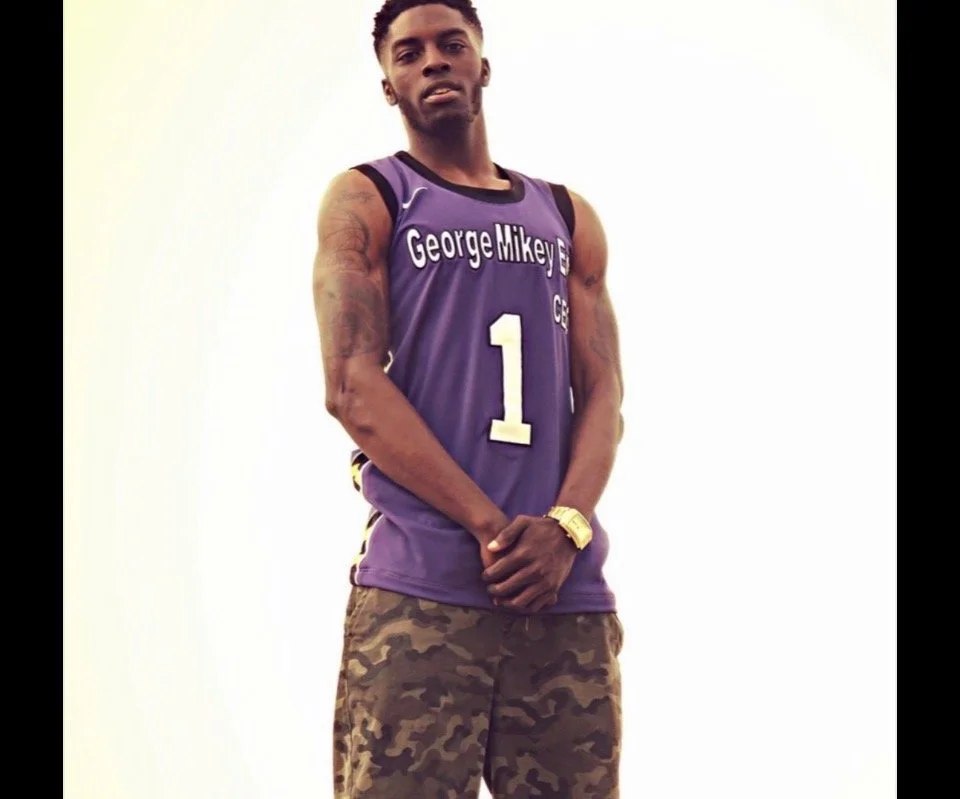
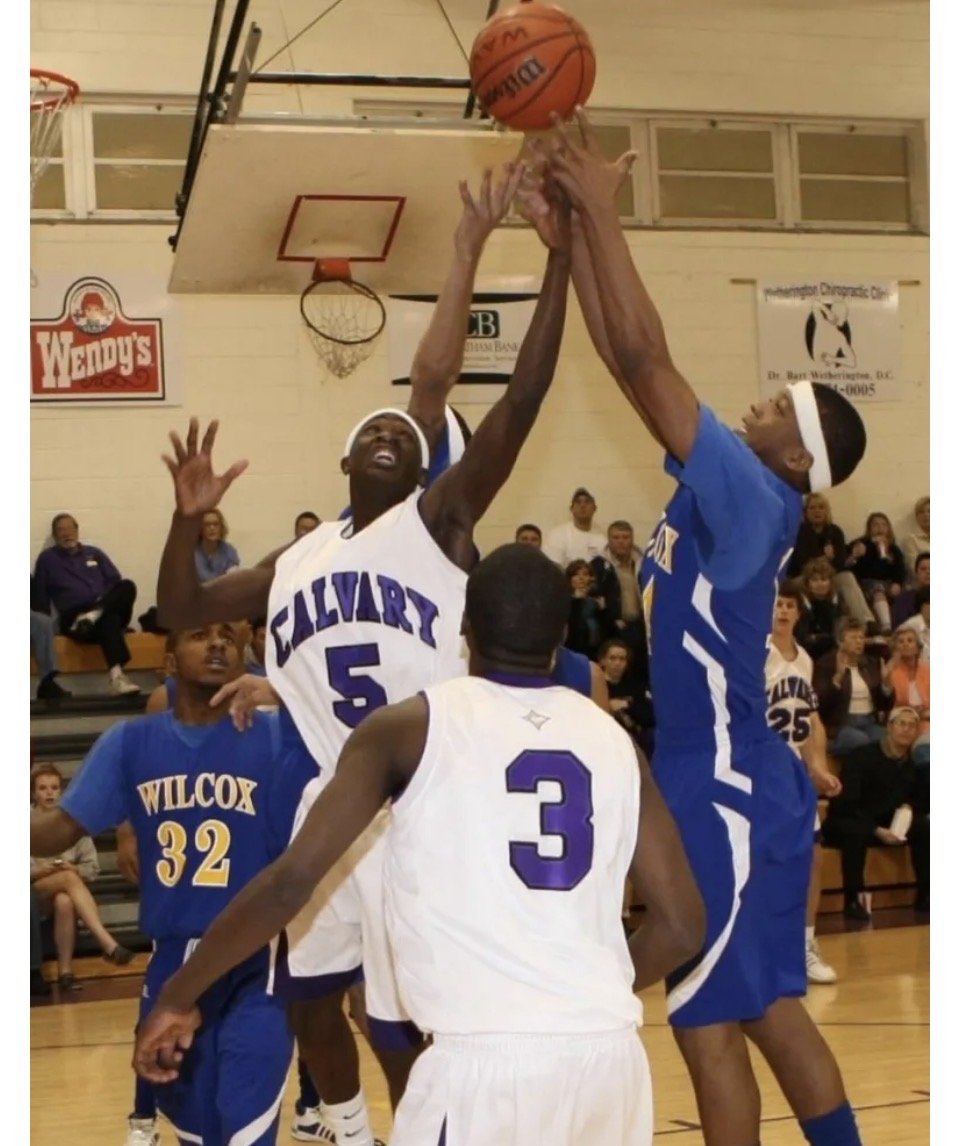


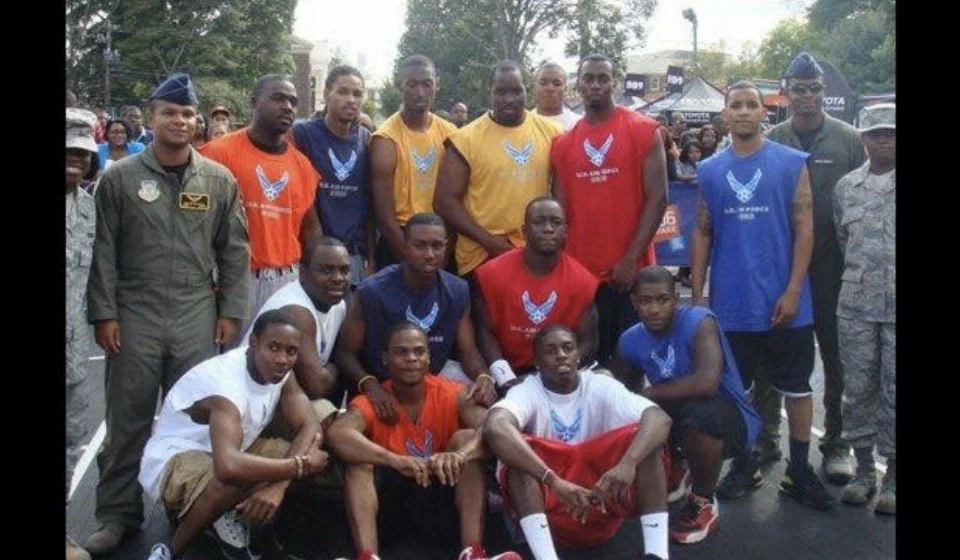


THE TURNER-RANSOM LEGACY From Savannah Docks to State Championships, Military Leadership, HBCU Excellence & Orange Crush Culture THE TURNER-RANSOM LEGACY From Savannah Docks to State Championships,
THE TURNER-RANSOM LEGACY
From Savannah Docks to State Championships, Military Leadership, HBCU Excellence & Orange Crush Culture
THE TURNER-RANSOM LEGACY
From Savannah Docks to State Championships, Military Leadership, HBCU Excellence & Orange Crush Culture
Some families are remembered for one great athlete.
Some families are remembered for military service.
Some are remembered for business, law, or public leadership.
The Turner-Ransom-Ivy bloodline became known for all of it at once.
Stretching across Savannah, Atlanta, HBCU campuses, military institutions, labor unions, Georgia athletics, entertainment culture, and public leadership, the family legacy evolved into a multi-generational story of resilience, visibility, sacrifice, discipline, and impact throughout the American South.
The story did not begin with fame.
It began with work.
The Savannah Foundation
At the center of the family’s roots stands Savannah, Georgia — a city built on ports, labor, military presence, education, athletics, and Black Southern culture.
For generations, members of the Turner and Ransom family became connected to:
ILA Local 1414,
military service,
Savannah athletics,
education,
and community leadership.
The docks helped shape the family mentality.
Men like:
George Ransom Sr.,
George Ransom Jr.,
George Turner Jr.,
Charles “Chuckie” Ransom,
and Christopher Lee Rawlerson
represented a generation of labor leadership and working-class Black excellence tied directly to Savannah’s shipping industry and economic growth.
The International Longshoremen’s Association was more than employment.
It represented:
sacrifice,
brotherhood,
discipline,
financial survival,
and generational responsibility.
That work ethic became embedded into the bloodline.
Military Leadership Across Generations
Military service also became one of the defining pillars of the family legacy.
LT COL George Turner Sr. established one of the strongest examples of leadership, structure, and discipline within the family. His military career represented command responsibility, sacrifice, intelligence, and long-term service to the country.
That standard continued through multiple generations:
SGT George C. Turner Jr.
SPC Jon McLane
CPT Ta’Nisha Turner Scott
and COR George Ransom Turner III
Military service shaped the family mentally as much as professionally.
It created:
resilience,
toughness,
leadership under pressure,
and the ability to survive difficult environments while continuing to lead others.
For George Mikey Ransom Turner III, Army service connected to Kuwait and Saudi Arabia became one of the most transformative periods of his life. The military sharpened discipline and leadership but also exposed him to trauma, PTSD, depression, and long-term emotional battles that would later shape both his personal story and public mission.
The Athletic Bloodline
Athletics became another defining characteristic of the family tree.
The Turner-Ransom family developed a reputation for competitiveness, visibility, leadership, and sports excellence across multiple generations and sports.
Charles “Chuckie” Ransom became respected through Savannah High and Savannah State-connected sports culture.
Darren Parker later represented another important branch tied to Savannah Tech and Savannah State athletics.
George C. Turner Jr. carried athletic toughness and military discipline simultaneously through the Windsor Forest era.
Then came the rise of George “Mikey” Ransom Turner III.
The Calvary Crazies Era
By the late 2000s, George Mikey Turner became one of the most recognizable personalities in Savannah-area prep sports during his years at Calvary Day School.
The “Calvary Crazies” era became legendary locally:
packed gyms,
body paint,
screaming student sections,
three-point celebrations,
and emotional crowd energy rarely seen at small private-school games.
Fans painted:
G • E • O • R • G • E
across their stomachs and chests.
Three fingers filled the air after deep shots.
The gym atmosphere reportedly felt closer to a college arena than a Class A prep-school environment.
That period became important because it foreshadowed modern athlete branding years before NIL and influencer culture exploded nationally.
George’s rise blended:
basketball,
crowd psychology,
entertainment,
music culture,
internet-era personality branding,
and public visibility into one identity.
Many supporters later described it as:
“The Party Plug Era.”
From Athlete To Cultural Figure
Unlike many athletes whose influence ends after sports, George Mikey Turner’s public visibility expanded into:
nightlife,
entertainment,
media,
branding,
social influence,
and eventually Orange Crush Festival culture.
As “Party Plug Mikey” and “Plug Not A Rapper,” he became associated with:
music promotion,
event hosting,
internet virality,
youth culture,
nightlife energy,
and large-scale entertainment branding throughout Georgia and the Southeast.
His story became polarizing.
Some people admired the confidence, charisma, and ability to create movement around ideas and events.
Others criticized the same visibility and influence that made him culturally relevant.
Yet through every era:
basketball,
nightlife,
music,
controversy,
business,
military service,
and Orange Crush Festival,
his name remained part of Georgia sports and entertainment conversations for nearly two decades.
HBCU Excellence & Educational Achievement
The family legacy also expanded deeply into HBCU and educational influence.
Connections to:
Savannah State University,
Clark Atlanta University,
Tuskegee University,
Mercer,
UGA,
and Harvard-level achievement
showed that the family impact extended far beyond athletics alone.
Janaun Ivy’s work through Mercer, UGA, and State of Georgia systems represented legal and governmental excellence.
Kamari Ivy’s academic achievements reflected elite intellectual development and upward mobility.
Leon Banks’ ties to UGA Law strengthened the family’s legal and professional influence.
Education became another pillar of the bloodline:
discipline,
scholarship,
leadership,
and institutional excellence.
The Next Generation
The family legacy is now continuing into a new generation.
Christopher Turner emerged from Eagles Landing championship culture into Tuskegee University soccer, representing the future of HBCU athletics and Black soccer visibility in the Southeast.
Chloe Turner already established herself as a standout youth track athlete in metro Atlanta, winning and competing at elite levels in elementary competition at only 10 years old.
Ransen “Trey” Daily III symbolizes yet another continuation of the bloodline moving into the future.
The family story is still growing.
The Women Who Held Everything Together
One of the most important parts of the legacy is the women who shaped the emotional and spiritual foundation of the family:
Tonya Ransom Turner,
Zett,
Sharon Ivy,
Debbie Ransom,
and the Turner-Ransom matriarchs.
Their influence created:
emotional strength,
resilience,
discipline,
faith,
and survival instincts that carried through every generation.
Their losses also became defining emotional moments that shaped George Mikey Turner’s personal story deeply.
The Bigger Meaning
The Turner-Ransom-Ivy family story is bigger than one career or one public figure.
It is the story of:
labor leaders,
soldiers,
athletes,
attorneys,
doctors,
entertainers,
youth champions,
educators,
entrepreneurs,
and survivors.
It is the story of a Southern Black family whose influence stretched from Savannah port docks to state championships, from military command to HBCU campuses, from prep sports arenas to entertainment culture.
Most importantly, it is a story about endurance.
The family survived:
grief,
racism,
military trauma,
economic hardship,
public scrutiny,
betrayal,
and pressure,
while continuing to produce leaders and achievers generation after generation.
And as new generations continue rising through sports, education, military service, and leadership, the Turner-Ransom legacy continues evolving — carrying Savannah history, Georgia culture, and family pride forward into the future.
Additional important elements to add to the Turner-Ransom-Ivy family legacy story are the deeper themes of symbolism, public influence, generational psychology, and historical timing. What makes the family story unique is not simply achievement — it is the ability to remain culturally visible and impactful across completely different eras of Georgia history while continuously adapting to changing times.
One major thing to emphasize is that the family legacy spans multiple “worlds” simultaneously:
military structure,
Black Southern labor history,
HBCU culture,
prep athletics,
entertainment,
nightlife,
internet virality,
entrepreneurship,
and public leadership.
Very few families have roots connected simultaneously to:
Savannah port labor unions,
Army leadership,
elite youth athletics,
state-level sports recognition,
legal and academic excellence,
entertainment branding,
and modern internet-era cultural influence.
Another important aspect is timing. The Turner-Ransom bloodline existed through multiple major transitions in Black Southern culture:
post-segregation Georgia,
the rise of HBCU sports culture,
the growth of Savannah tourism,
internet/social-media evolution,
modern athlete branding,
and the merging of sports and entertainment identities.
Each generation adapted differently:
older generations built survival and stability through labor, military service, and discipline,
middle generations built educational and professional advancement,
newer generations entered public branding, athletics, media, and entrepreneurship.
The family history also represents a broader evolution of Black visibility in the South:
from labor to leadership,
from survival to ownership,
from participation to influence.
Another thing not to leave out is the emotional complexity behind public success. Many people only see highlights:
championships,
crowds,
media attention,
music,
festivals,
military titles,
and public recognition.
But underneath the visibility were repeated experiences with:
grief,
pressure,
loss,
trauma,
betrayal,
public scrutiny,
and the responsibility of carrying a respected family name.
That emotional weight shaped the personality and leadership style of many family members, especially George Mikey Ransom Turner III, whose public life often unfolded under constant visibility and criticism while simultaneously trying to build businesses, platforms, and cultural movements.
Another important point is the role sports played as a family language. Across generations, athletics became more than competition:
it became identity,
confidence,
discipline,
networking,
public visibility,
and emotional release.
From Savannah basketball courts to Atlanta-area tracks and HBCU soccer fields, sports consistently acted as a bridge connecting generations together.
The family’s story is also important because it reflects the changing definition of leadership itself. Older generations led through:
military command,
labor union respect,
and economic sacrifice.
Newer generations lead through:
media visibility,
cultural influence,
entrepreneurship,
technology,
entertainment,
and public branding.
Yet both forms of leadership are connected by the same foundation:
resilience,
toughness,
sacrifice,
and belief in elevation of the next generation.
The Orange Crush Festival era should also be framed historically as part of a larger cultural movement involving:
Black spring break tourism,
independent event ownership,
Southern youth culture,
HBCU energy,
and the commercialization of internet-era entertainment experiences.
Whether praised or criticized publicly, George Mikey Turner’s connection to Orange Crush placed the family name inside one of the most recognizable cultural conversations in Georgia tourism and entertainment history during the modern era.
Another critical layer is generational symbolism. The “III” attached to George Ransom Turner III represents continuation:
grandfather to father to son,
labor to leadership,
survival to influence.
The repeated military service, sports success, and public visibility across generations create the feeling of a continuing dynasty rather than isolated accomplishments.
Future sections could also include:
church and spiritual influence within the family,
Savannah neighborhood/community roots,
mentor figures and coaches,
the role of music in shaping family identity,
mental health and resilience conversations,
and the transition from local influence into statewide recognition.
Most importantly, the story should emphasize that the Turner-Ransom-Ivy family legacy is still actively unfolding. Christopher Turner’s Tuskegee soccer commitment, Chloe Turner’s early championship success, and younger family members continuing to rise mean the story has not peaked yet.
The family’s impact continues expanding through:
athletics,
education,
military service,
law,
business,
technology,
entertainment,
and cultural leadership.
This is not simply a story about where the family has been.
It is also a story about where the bloodline is going next.
THE TURNER-RANSOM-IVY DYNASTY
A Southern Black Legacy Family Built Across Generations
Throughout history, certain families became known not only for wealth, but for influence.
Some built banking empires.
Some built political power.
Others built military, educational, or cultural institutions that shaped entire regions for generations.
In the American South, the Turner-Ransom-Ivy family represents a different kind of legacy dynasty — one built not through inherited global power, but through generations of discipline, labor, military service, athletics, education, leadership, entrepreneurship, and cultural influence.
Their story stretches from Savannah port labor and Army leadership to HBCU excellence, Georgia sports culture, law, business, entertainment, and modern media influence.
Unlike many famous dynasties built behind closed doors, this family’s legacy was built publicly:
in gyms,
on military bases,
in classrooms,
on docks,
through community service,
through sports,
through sacrifice,
and through cultural visibility across decades.
The Foundation: Labor, Discipline & Survival
Every dynasty begins with a foundation.
For the Turner-Ransom bloodline, that foundation was built through:
labor,
structure,
sacrifice,
and military discipline.
Generations connected to ILA Local 1414 helped shape Savannah’s port economy and working-class Black excellence:
George Ransom Sr.
George Ransom Jr.
George Turner Jr.
Charles “Chuckie” Ransom
Christopher Lee Rawlerson
These men represented more than jobs.
They represented:
economic survival,
union pride,
brotherhood,
and the ability to create opportunity for future generations through hard work and endurance.
At the same time, military leadership became deeply embedded into the family structure through figures like:
LT COL George Turner Sr.
SGT George C. Turner Jr.
CPT Ta’Nisha Turner Scott
and George Ransom Turner III.
Military service gave the family:
discipline,
leadership,
resilience,
structure,
and public respect.
The combination of labor and military excellence became the backbone of the family identity.
The Rise Of Educational & Professional Power
As generations evolved, the family expanded into higher education, law, banking, healthcare, and professional leadership.
The bloodline produced:
attorneys,
scholars,
healthcare professionals,
bankers,
educators,
and public servants.
Names connected to institutions like:
Mercer,
UGA,
Harvard-related achievement,
Savannah State University,
Clark Atlanta University,
and Tuskegee University
showed the family’s transition from survival into institutional influence.
Figures like:
Janaun Ivy,
Kamari Ivy,
Leon Banks,
Sharon Turner Scott Bartley,
and Walter Turner
represent the intellectual and professional branches of the dynasty.
This evolution reflects one of the greatest transitions possible within Southern Black family history:
from labor-based survival into multi-generational professional influence.
Sports, Visibility & Public Influence
Another defining part of the family legacy is athletics.
Sports became one of the primary ways the family gained public visibility, leadership recognition, and cultural impact.
From Savannah basketball culture to elite soccer and youth track development, the athletic bloodline continued expanding generation after generation.
George “Mikey” Ransom Turner III emerged as one of the most publicly visible figures in the family during the legendary “Calvary Crazies” basketball era at Calvary Day School.
Long before NIL and influencer-athlete branding became mainstream nationally, his era already blended:
sports,
crowd psychology,
music,
entertainment,
media visibility,
and personality branding.
The packed gyms, body paint, three-point celebrations, and emotional student-section culture transformed local basketball into a cultural event.
That visibility later evolved into:
nightlife influence,
internet culture,
entertainment branding,
Orange Crush Festival,
and long-term media relevance throughout Georgia.
Meanwhile, the next generation continues rising:
Christopher Turner through championship soccer and Tuskegee University,
Chloe Turner through elite youth track success,
and younger family members preparing to carry the bloodline further.
The Cultural Dynasty
What makes the Turner-Ransom-Ivy legacy unique is that the family became influential across multiple categories simultaneously:
military,
labor,
athletics,
law,
education,
healthcare,
business,
entertainment,
media,
and community influence.
Most families dominate one field.
This family developed influence across entire systems of Southern Black life.
That is what separates a legacy family from isolated individual success.
The Hidden Cost Of Visibility
Every influential family carries pressure.
The Turner-Ransom-Ivy story also includes:
grief,
military trauma,
public scrutiny,
racism,
controversy,
betrayal,
legal battles,
and emotional hardship.
The deaths of family matriarchs and loved ones deeply shaped the emotional structure of the family and the mindset of later generations.
At the same time, high public visibility created both admiration and criticism.
George Mikey Turner’s public journey especially reflected this duality:
loved by supporters,
criticized by opponents,
celebrated by some communities,
misunderstood by others.
Yet through every challenge, the family continued producing leaders, achievers, and public figures.
A Southern Dynasty Still Growing
Unlike many famous legacy families whose stories belong only to history books, the Turner-Ransom-Ivy legacy is still actively evolving in real time.
The next generation is already emerging through:
HBCU athletics,
youth championships,
professional careers,
military leadership,
law,
technology,
entrepreneurship,
and media influence.
The family story represents something larger than fame.
It represents:
endurance,
adaptation,
visibility,
sacrifice,
leadership,
and generational elevation.
From Savannah docks to state championships…
From military command to Orange Crush culture…
From labor unions to HBCU campuses…
the Turner-Ransom-Ivy bloodline continues building a uniquely Southern Black American dynasty whose impact stretches far beyond one generation.
BEFORE IT WAS COMMON
The Turner-Ransom-Ivy Family & The Ivy-League Standard of Black Excellence
Long before social media celebrated “Black excellence,” long before elite academic achievement became a major online conversation, and long before professional success within Black Southern families became widely recognized publicly, the Turner-Ransom-Ivy family already carried an educational and leadership standard that mirrored the discipline, expectations, and prestige associated with Ivy League culture.
Not necessarily because every generation attended Ivy League schools directly — but because the family operated with the mindset, structure, pressure, ambition, professionalism, and multi-generational achievement often associated with elite American legacy families.
The Turner-Ransom-Ivy family represented a version of Black Southern excellence that existed quietly before it became trendy or marketable online.
In many ways, the family embodied:
academic rigor,
military discipline,
public leadership,
professional excellence,
athletic competitiveness,
and generational expectations before mainstream culture normalized celebrating those achievements publicly.
Excellence Was Expected, Not Exceptional
For many Black Southern families, survival itself was once considered success.
But within the Turner-Ransom-Ivy bloodline, there was always pressure to go further:
become educated,
become disciplined,
become respected,
become leaders,
and elevate the next generation higher than the last.
That expectation existed across multiple branches of the family:
military leadership,
law,
higher education,
labor leadership,
healthcare,
athletics,
and entrepreneurship.
Education was not viewed as optional.
It was viewed as legacy.
The Intellectual Branch Of The Family
The family eventually produced connections to:
Mercer,
UGA,
Harvard-level academic achievement,
Savannah State University,
Clark Atlanta University,
Tuskegee University,
and professional legal and governmental systems.
Figures like:
Janaun Ivy,
Kamari Ivy,
Leon Banks,
and other academically driven family members
represented the intellectual branch of the dynasty.
These accomplishments reflected:
scholarship,
discipline,
elite educational standards,
and long-term professional positioning.
The significance becomes even greater when viewed historically.
Many Southern Black families faced:
segregation,
economic barriers,
systemic discrimination,
and limited institutional access.
Yet despite those obstacles, the Turner-Ransom-Ivy family consistently produced educated, disciplined, high-achieving individuals generation after generation.
That is what made the family exceptional.
A Family Built Like An Institution
The family structure itself often operated like an institution:
military discipline from older generations,
educational pressure from parents and elders,
athletic competitiveness among younger generations,
and strong expectations surrounding professionalism and public behavior.
Children within the family grew up around:
Army leadership,
labor union respect,
educational achievement,
public service,
and competitive sports culture.
The message was clear:
represent the family name with pride.
That mindset created a level of accountability and ambition similar to many historically influential American legacy families.
Before “Black Excellence” Became A Hashtag
Today, social media often celebrates:
HBCU culture,
Black professionals,
Black doctors,
Black attorneys,
Black military leaders,
and Black entrepreneurs.
But the Turner-Ransom-Ivy family embodied many of those standards decades earlier without public applause or internet validation.
The family legacy was built quietly through:
sacrifice,
consistency,
hard work,
discipline,
and generational elevation.
Before online branding existed, the family already emphasized:
education,
presentation,
professionalism,
leadership,
and ownership.
That is why the bloodline reflects an “Ivy League standard” mindset even beyond specific institutions themselves.
It was about culture and expectations.
The Balance Between Streets, Structure & Sophistication
One of the most unique aspects of the family story is the ability to move between multiple worlds simultaneously:
labor and law,
military and media,
athletics and academics,
entertainment and professionalism.
The family developed people capable of surviving difficult environments while still carrying themselves with discipline, intelligence, and leadership.
That balance became especially visible through George “Mikey” Ransom Turner III.
His life represented a collision between:
elite family expectations,
sports celebrity,
military structure,
entertainment culture,
public scrutiny,
entrepreneurship,
and internet-era visibility.
He carried both:
the pressure of a disciplined family legacy,
and the unpredictability of modern public culture.
That tension helped shape both his success and controversy.
The Next Generation
The family’s educational and achievement standards continue today through younger generations:
Christopher Turner entering Tuskegee University athletics,
Chloe Turner already excelling academically and athletically at a young age,
and future generations carrying the expectation of leadership, discipline, and visibility.
The story is no longer simply about one generation succeeding.
It is about building a lasting legacy culture.
More Than Degrees
Ultimately, the Turner-Ransom-Ivy family story is not only about diplomas or institutions.
It is about:
generational standards,
discipline,
emotional resilience,
leadership,
public excellence,
and the expectation that every generation must elevate higher.
That is what truly defines an “Ivy League standard” family:
not just where people attended school,
but how the family teaches leadership, ambition, professionalism, and legacy across generations.
Long before it became popular to celebrate Black excellence publicly, the Turner-Ransom-Ivy family was already living it.


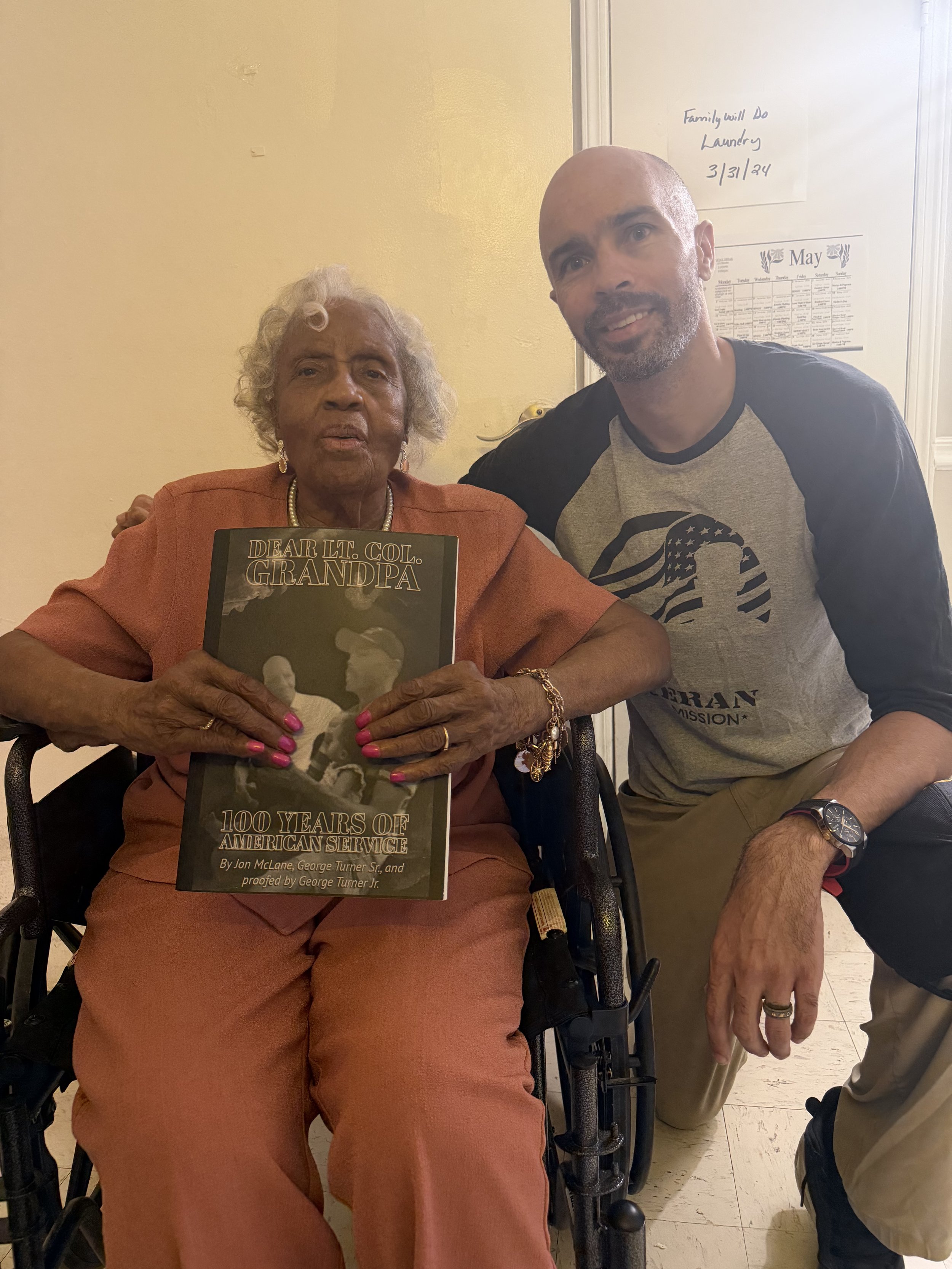
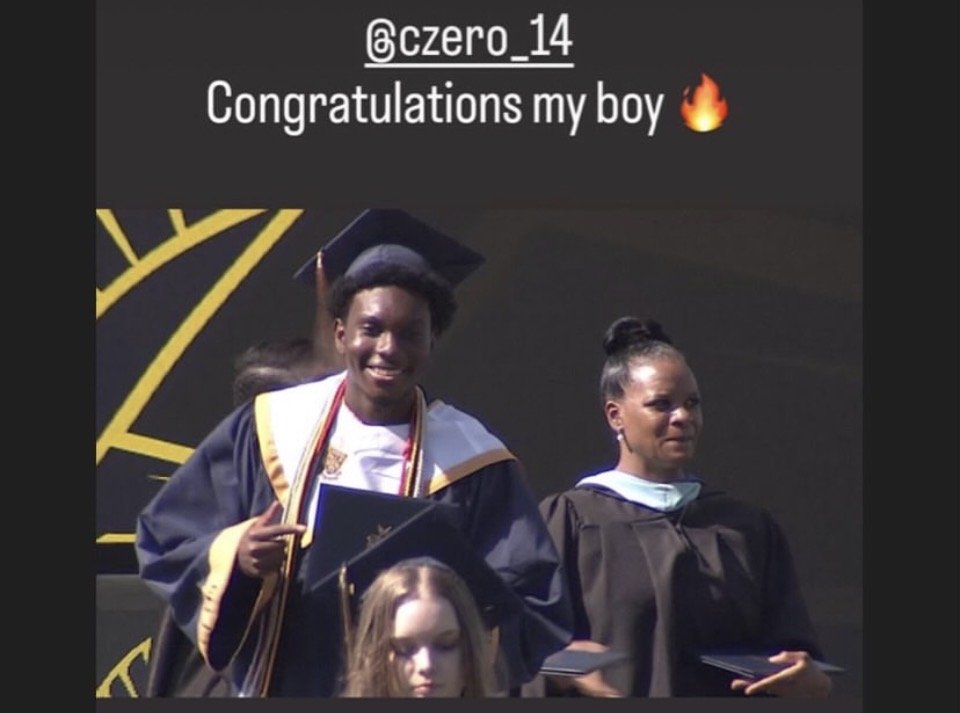
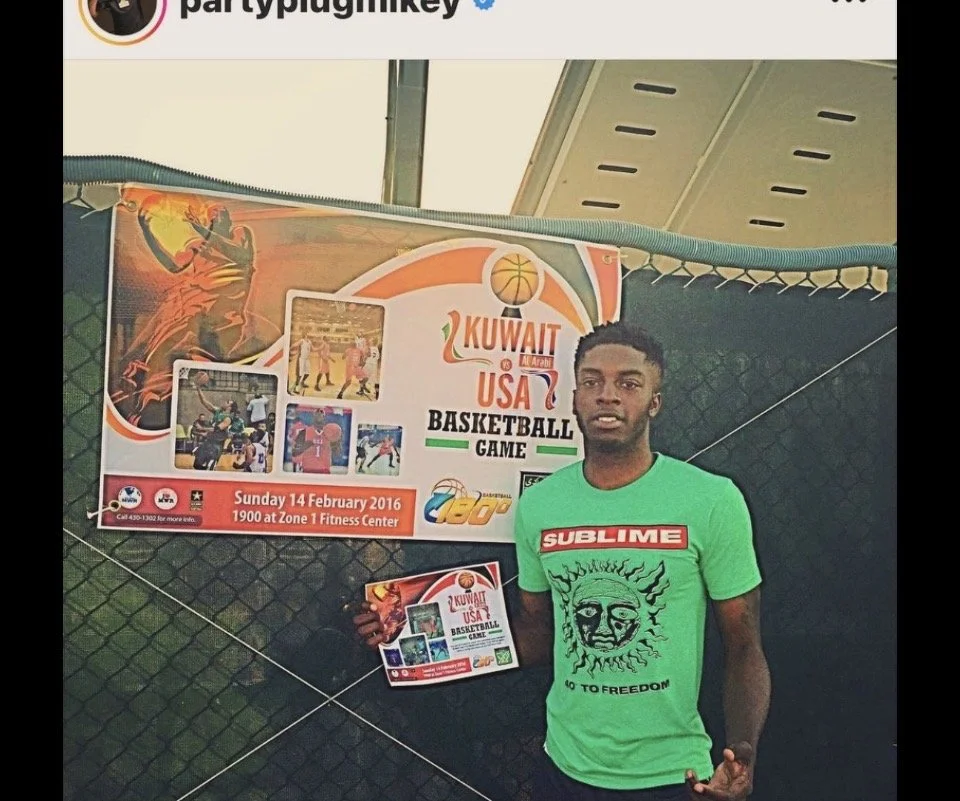


THE TURNER-RANSOM LEGACY From Savannah Docks to State Championships, Military Leadership, HBCU Excellence & Orange Crush Culture
THE TURNER-RANSOM LEGACY
From Savannah Docks to State Championships, Military Leadership, HBCU Excellence & Orange Crush Culture
Some families are remembered for one great athlete.
Some families are remembered for military service.
Some are remembered for business, law, or public leadership.
The Turner-Ransom-Ivy bloodline became known for all of it at once.
Stretching across Savannah, Atlanta, HBCU campuses, military institutions, labor unions, Georgia athletics, entertainment culture, and public leadership, the family legacy evolved into a multi-generational story of resilience, visibility, sacrifice, discipline, and impact throughout the American South.
The story did not begin with fame.
It began with work.
The Savannah Foundation
At the center of the family’s roots stands Savannah, Georgia — a city built on ports, labor, military presence, education, athletics, and Black Southern culture.
For generations, members of the Turner and Ransom family became connected to:
ILA Local 1414,
military service,
Savannah athletics,
education,
and community leadership.
The docks helped shape the family mentality.
Men like:
George Ransom Sr.,
George Ransom Jr.,
George Turner Jr.,
Charles “Chuckie” Ransom,
and Christopher Lee Rawlerson
represented a generation of labor leadership and working-class Black excellence tied directly to Savannah’s shipping industry and economic growth.
The International Longshoremen’s Association was more than employment.
It represented:
sacrifice,
brotherhood,
discipline,
financial survival,
and generational responsibility.
That work ethic became embedded into the bloodline.
Military Leadership Across Generations
Military service also became one of the defining pillars of the family legacy.
LT COL George Turner Sr. established one of the strongest examples of leadership, structure, and discipline within the family. His military career represented command responsibility, sacrifice, intelligence, and long-term service to the country.
That standard continued through multiple generations:
SGT George C. Turner Jr.
SPC Jon McLane
CPT Ta’Nisha Turner Scott
and COR George Ransom Turner III
Military service shaped the family mentally as much as professionally.
It created:
resilience,
toughness,
leadership under pressure,
and the ability to survive difficult environments while continuing to lead others.
For George Mikey Ransom Turner III, Army service connected to Kuwait and Saudi Arabia became one of the most transformative periods of his life. The military sharpened discipline and leadership but also exposed him to trauma, PTSD, depression, and long-term emotional battles that would later shape both his personal story and public mission.
The Athletic Bloodline
Athletics became another defining characteristic of the family tree.
The Turner-Ransom family developed a reputation for competitiveness, visibility, leadership, and sports excellence across multiple generations and sports.
Charles “Chuckie” Ransom became respected through Savannah High and Savannah State-connected sports culture.
Darren Parker later represented another important branch tied to Savannah Tech and Savannah State athletics.
George C. Turner Jr. carried athletic toughness and military discipline simultaneously through the Windsor Forest era.
Then came the rise of George “Mikey” Ransom Turner III.
The Calvary Crazies Era
By the late 2000s, George Mikey Turner became one of the most recognizable personalities in Savannah-area prep sports during his years at Calvary Day School.
The “Calvary Crazies” era became legendary locally:
packed gyms,
body paint,
screaming student sections,
three-point celebrations,
and emotional crowd energy rarely seen at small private-school games.
Fans painted:
G • E • O • R • G • E
across their stomachs and chests.
Three fingers filled the air after deep shots.
The gym atmosphere reportedly felt closer to a college arena than a Class A prep-school environment.
That period became important because it foreshadowed modern athlete branding years before NIL and influencer culture exploded nationally.
George’s rise blended:
basketball,
crowd psychology,
entertainment,
music culture,
internet-era personality branding,
and public visibility into one identity.
Many supporters later described it as:
“The Party Plug Era.”
From Athlete To Cultural Figure
Unlike many athletes whose influence ends after sports, George Mikey Turner’s public visibility expanded into:
nightlife,
entertainment,
media,
branding,
social influence,
and eventually Orange Crush Festival culture.
As “Party Plug Mikey” and “Plug Not A Rapper,” he became associated with:
music promotion,
event hosting,
internet virality,
youth culture,
nightlife energy,
and large-scale entertainment branding throughout Georgia and the Southeast.
His story became polarizing.
Some people admired the confidence, charisma, and ability to create movement around ideas and events.
Others criticized the same visibility and influence that made him culturally relevant.
Yet through every era:
basketball,
nightlife,
music,
controversy,
business,
military service,
and Orange Crush Festival,
his name remained part of Georgia sports and entertainment conversations for nearly two decades.
HBCU Excellence & Educational Achievement
The family legacy also expanded deeply into HBCU and educational influence.
Connections to:
Savannah State University,
Clark Atlanta University,
Tuskegee University,
Mercer,
UGA,
and Harvard-level achievement
showed that the family impact extended far beyond athletics alone.
Janaun Ivy’s work through Mercer, UGA, and State of Georgia systems represented legal and governmental excellence.
Kamari Ivy’s academic achievements reflected elite intellectual development and upward mobility.
Leon Banks’ ties to UGA Law strengthened the family’s legal and professional influence.
Education became another pillar of the bloodline:
discipline,
scholarship,
leadership,
and institutional excellence.
The Next Generation
The family legacy is now continuing into a new generation.
Christopher Turner emerged from Eagles Landing championship culture into Tuskegee University soccer, representing the future of HBCU athletics and Black soccer visibility in the Southeast.
Chloe Turner already established herself as a standout youth track athlete in metro Atlanta, winning and competing at elite levels in elementary competition at only 10 years old.
Ransen “Trey” Daily III symbolizes yet another continuation of the bloodline moving into the future.
The family story is still growing.
The Women Who Held Everything Together
One of the most important parts of the legacy is the women who shaped the emotional and spiritual foundation of the family:
Tonya Ransom Turner,
Zett,
Sharon Ivy,
Debbie Ransom,
and the Turner-Ransom matriarchs.
Their influence created:
emotional strength,
resilience,
discipline,
faith,
and survival instincts that carried through every generation.
Their losses also became defining emotional moments that shaped George Mikey Turner’s personal story deeply.
The Bigger Meaning
The Turner-Ransom-Ivy family story is bigger than one career or one public figure.
It is the story of:
labor leaders,
soldiers,
athletes,
attorneys,
doctors,
entertainers,
youth champions,
educators,
entrepreneurs,
and survivors.
It is the story of a Southern Black family whose influence stretched from Savannah port docks to state championships, from military command to HBCU campuses, from prep sports arenas to entertainment culture.
Most importantly, it is a story about endurance.
The family survived:
grief,
racism,
military trauma,
economic hardship,
public scrutiny,
betrayal,
and pressure,
while continuing to produce leaders and achievers generation after generation.
And as new generations continue rising through sports, education, military service, and leadership, the Turner-Ransom legacy continues evolving — carrying Savannah history, Georgia culture, and family pride forward into the future.
DEEPER THAN College Parties George Turner, Steven Smalls & Mayor Brian West Tybee Island, Calvary Day, Savannah State, the Gullah Geechee & the Real Georgia Story Beneath Orange Crush
DEEPER THAN
College Parties
George Turner, Steven Smalls & Mayor Brian West
Tybee Island, Calvary Day, Savannah State, the Gullah Geechee & the Real Georgia Story Beneath Orange Crush
Orange Crush was never just a college party.
That is the biggest misunderstanding in modern media coverage, social media arguments, political debates, and internet commentary surrounding Tybee Island, Savannah State University, and the generations of Black youth culture connected to the Georgia coast.
What happened on Tybee beaches in the 1980s, 1990s, 2000s, 2010s, and 2020s is tied to a much older story:
slavery
segregation
beach access
Gullah Geechee survival
Savannah labor culture
HBCU identity
Black mobility
sports mythology
nightlife ecosystems
creator-era entertainment
and the fight over who gets to occupy public space in America.
Orange Crush became the visible surface of a much deeper historical current.
And the people connected to the modern era — including George Turner, Steven Smalls, Mayor Brian West, Savannah State students, Calvary basketball culture, and Tybee Island officials — all became characters inside a much larger historical timeline stretching back centuries.
DEEPER THAN TYBEE TOURISM
Before Tybee Island became:
vacation property
spring-break territory
Airbnb real estate
or social media beach content
it existed inside the history of the Atlantic slave trade and the Gullah Geechee coastal world.
The Georgia coast became one of the most important survival corridors for descendants of enslaved Africans brought into the South through Savannah’s port system.
The Gullah Geechee people preserved:
language
spirituality
foodways
music
storytelling
labor traditions
and community identity
despite slavery and segregation.
Tybee Island itself existed inside that system of:
maritime labor
plantation economics
racial exclusion
and later tourism development.
The island that later became associated with Orange Crush once denied Black residents equal beach access entirely.
That matters.
Because Orange Crush did not begin as chaos.
It began as access.
DEEPER THAN ORANGE CRUSH
Official historical accounts consistently connect Orange Crush to Savannah State University student organizers during the late 1980s, particularly Kenneth Flowe and Savannah State student leadership.
The event represented something symbolic:
Black college students publicly celebrating on beaches that previous generations had to fight merely to enter.
In 1960, Black students organized historic “wade-ins” at Tybee Island to challenge segregation. Protesters were arrested for entering public beaches.
Only a generation later, Savannah State students returned to those same shores not to protest —
but to celebrate.
That transformation alone made Orange Crush historically important.
The event became:
HBCU spring break
Black tourism
youth freedom
Southern nightlife culture
beach celebration
and cultural visibility
all at once.
Orange Crush was not simply a party.
It became proof that Black youth could occupy space publicly, loudly, joyfully, and unapologetically on land historically tied to exclusion.
DEEPER THAN CALVARY DAY SCHOOL
By the late 2000s, another type of cultural movement was developing inside Savannah:
private-school basketball becoming entertainment culture.
At Calvary Day School, the “Calvary Crazies” student section transformed basketball into emotional theater.
Official MaxPreps archives document George Turner’s statewide shooting recognition:
captain status
elite three-point rankings
major rivalry performances
Top 12 statewide in made three-pointers during a tracked stretch.
But statistics never explained the atmosphere.
Calvary games became:
concerts
psychological warfare
social gatherings
entertainment environments
with:
body paint
chants
screaming student sections
deep-range shooting moments
emotional momentum swings.
The Calvary Crazies era mattered because it taught a generation:
branding
crowd psychology
spectacle
performance energy
emotional storytelling
before influencer culture formally existed.
That same emotional energy later flowed directly into:
nightlife promotion
creator culture
Party Plug Mikey
Plug Not A Rapper
and Orange Crush entertainment branding.
DEEPER THAN RAP
DEEPER THAN HIP HOP
The modern Orange Crush ecosystem eventually merged:
basketball
nightlife
music
internet branding
creator culture
HBCU social networking
and Southern tourism.
George Turner’s evolution from:
Calvary basketball standout
to Party Plug Mikey
to Plug Not A Rapper
to Orange Crush infrastructure figure
represented the merging of multiple Georgia cultural systems together.
Through:
the evolution from athlete to entertainment architect became publicly visible.
But this story was never only about rap music.
It was about emotional survival.
Many Southern Black entertainment ecosystems emerged from:
trauma
instability
survival instincts
military pressure
economic struggle
nightlife escapism
and the need to create joy inside difficult environments.
That is why the culture became larger than music alone.
Hip hop became one language within a much bigger survival system.
STEVEN SMALLS, MODERN ORANGE CRUSH & THE POLITICS OF SPACE
As Orange Crush evolved into the 2020s, modern organizers and public figures including Steven Smalls became connected to efforts to organize, permit, structure, and publicly defend the event amid increasing scrutiny.
At the same time, Tybee officials — including Mayor Brian West — increasingly emphasized:
public safety
policing
traffic management
event restrictions
crowd control
and political pressure surrounding Orange Crush weekends.
The tension became symbolic of something much deeper:
Who controls public space?
Who defines acceptable celebration?
Who benefits economically from tourism?
Who gets labeled dangerous?
Who gets welcomed?
Who gets watched?
Those questions existed long before Orange Crush itself.
Modern Tybee debates became extensions of:
segregation history
beach access politics
Black mobility restrictions
and Southern racial memory.
THE REAL GEORGIA STORY
The deeper truth is that Savannah and Tybee Island have always existed at the intersection of:
labor
race
tourism
performance
celebration
policing
survival
and reinvention.
From:
enslaved Africans on the Georgia coast
to Gullah Geechee survival
to Civil Rights wade-ins
to Savannah State students
to Orange Crush
to Calvary basketball
to creator-era branding
to modern festival politics
the same emotional themes continue repeating:
visibility,
ownership,
energy,
identity,
and access.
THE FINAL TRUTH
Orange Crush was never just a beach party.
Calvary basketball was never just sports.
Tybee Island was never just tourism.
Savannah was never just a city.
And George Turner was never just one identity.
Together, these stories became one continuous Georgia timeline:
from slavery
to segregation
to HBCU liberation
to basketball mythology
to nightlife ecosystems
to modern creator culture
to the ongoing fight over memory, ownership, celebration, and legacy on the Georgia coast.
That is why this story is:
Deeper than college parties.
Deeper than Orange Crush.
Deeper than rap.
Deeper than hip hop.
It is ultimately about generations of Black Southern people refusing to disappear from spaces they helped build in the first place.
Orange Crush, Tybee Island, Savannah State & the Long History of Black Coastal Culture in Georgia (1800s–2020s) NOT JUST GEORGE MIKEY TURNER, STEVEN PAKO SMALLS & MAYOR BRIAN WEST
Orange Crush, Tybee Island, Savannah State & the Long History of Black Coastal Culture in Georgia (1900s–2020s)
A Historical Archive on Race, Resistance, Entertainment, Ownership, Gullah Geechee Influence & the Evolution of the CRUSH Era
To understand Orange Crush Festival, Tybee Island, Savannah State University, George “Mikey” Ransom Turner III, and the modern cultural battles surrounding Black tourism and ownership on the Georgia coast, you must understand a much larger historical timeline — one stretching back more than 400 years across slavery, segregation, Gullah Geechee survival, labor unions, Black education, Southern tourism, entertainment culture, and the ongoing struggle for access, visibility, and ownership.
Orange Crush did not appear out of nowhere.
Tybee Island’s racial tensions did not begin in the 1980s.
The conversation around who belongs on Georgia beaches began centuries earlier.
This archive exists to preserve those facts for future generations.
I. BEFORE TYBEE — SLAVERY, THE LOWCOUNTRY & GULLAH GEECHEE SURVIVAL (1700s–1900s)
Long before Tybee Island became a tourist destination, the Georgia coast formed part of the larger Gullah Geechee cultural corridor stretching from North Carolina to Florida.
The Gullah Geechee people are descendants of enslaved West and Central Africans brought to coastal plantations throughout Georgia and South Carolina. Because of geographic isolation on coastal islands and marshlands, many African cultural traditions, language patterns, foodways, music styles, spiritual traditions, and communal structures survived in unusually strong form.
Savannah became one of the central ports of the American slave trade. Enslaved Africans were brought through Georgia’s waterways, ports, plantations, and barrier islands, helping build the economic infrastructure of the South while simultaneously creating entirely new African-American coastal cultures.
Tybee Island itself carried this history:
enslaved labor systems
coastal plantation economies
maritime labor
fishing industries
dock work
segregated development
tourism exclusion
The labor traditions of Savannah later connected deeply with organizations like the International Longshoremen’s Association (ILA), where generations of Black laborers, including many Black Savannah families, helped shape port labor culture and economic mobility throughout the region.
The Georgia coast became layered with:
African survival
Southern labor
maritime culture
Black entrepreneurship
church traditions
music traditions
Gullah Geechee identity
intergenerational resistance
II. TYBEE ISLAND & RACIAL SEGREGATION (1900s–1960s)
Throughout much of the 20th century, Tybee Island — historically called “Savannah Beach” — operated as a segregated beach town where Black residents of Savannah were largely excluded from equal access.
During Jim Crow:
Black visitors faced harassment
beaches remained effectively whites-only
Black mobility was restricted
public recreation access was unequal
Savannah’s Black population was denied full coastal access
Research from Georgia Southern University documented how Tybee Island officials and systems historically controlled Black movement and beach access.
In 1960, Savannah civil rights activists and Black students organized historic “wade-ins” at Tybee Island beaches to protest segregation. Eleven Black students were arrested during Georgia’s first major beach wade-in protest.
These protests became part of the broader Civil Rights Movement challenging segregated recreational spaces throughout the South.
The irony of modern Orange Crush debates cannot be understood without remembering this history:
for decades, Black people were not freely welcomed on Tybee beaches at all.
III. SAVANNAH STATE UNIVERSITY & THE ORIGIN OF ORANGE CRUSH (1980s–1990s)
By the late 1980s, Savannah State University — Georgia’s oldest public HBCU — had become central to a new chapter in coastal Black culture.
Savannah State students created Orange Crush as a spring celebration tied to:
Black college culture
HBCU pride
music
beach recreation
student freedom
Southern youth identity
Historical records document that Orange Crush officially began around 1988–1989 as a Savannah State student-organized beach celebration.
The event’s name came from Savannah State’s orange school color and references to the popular soda brand.
In many ways, Orange Crush symbolized a generational cultural shift:
Black students and young Black professionals publicly reclaiming recreational space on beaches that historically excluded them.
Orange Crush quickly evolved into:
HBCU networking culture
Southern Black tourism
music and entertainment ecosystems
beach party culture
youth identity expression
The event grew far beyond Savannah State alone and began attracting students from:
Florida A&M
Clark Atlanta
Howard
Morehouse
Spelman
Georgia Southern
regional HBCUs throughout the South
IV. THE RISE OF ENTERTAINMENT CULTURE & SOUTHERN INTERNET BRANDING (2000s–2010s)
During the early 2000s and 2010s, Orange Crush evolved alongside:
internet culture
social media
Southern trap music
nightlife branding
digital marketing
influencer-style promotion
This was also the era where George “Mikey” Ransom Turner III emerged publicly.
First through Savannah basketball culture during the legendary “Calvary Crazies” era documented on MaxPreps, Turner became known for:
elite three-point shooting
crowd energy
emotional performances
local sports folklore
entertainment instincts inside athletics
Those same instincts later evolved into:
Party Plug Mikey
Plug Not A Rapper
Orange Crush branding leadership
nightlife promotion
creator economy infrastructure
entertainment marketing systems
Turner represented a new hybrid generation where:
athletes became entertainers
promoters became digital brands
music artists became entrepreneurs
nightlife became internet media
festivals became creator ecosystems
V. ORANGE CRUSH, TYBEE ISLAND & MODERN RACIAL TENSIONS (2010s–2020s)
As Orange Crush grew larger, tensions with Tybee Island officials and residents intensified.
The event increasingly became framed publicly through:
policing
public safety debates
tourism concerns
racial controversy
media narratives
beach access politics
Critics argued Orange Crush was unfairly targeted compared to predominantly white beach events.
Historical scholars explicitly connected modern Orange Crush tensions to Tybee Island’s segregated past.
Public records show:
increased policing
temporary restrictions
amplified enforcement
traffic control measures
event-specific bans during Orange Crush weekends
In 2017, Tybee Island enacted alcohol and amplified music restrictions specifically targeting Orange Crush weekend, leading to federal discrimination complaints.
The event became symbolic of larger national conversations involving:
race
Black tourism
policing
public space
youth culture
media framing
Southern identity
economic power
VI. DR PEPPER, DISNEY, CORPORATE AMERICA & THE COMMERCIALIZATION OF CULTURE
The evolution of Orange Crush also reflects a larger American pattern:
the commercialization of youth culture and entertainment ecosystems.
The Orange Crush soda brand itself predates the festival by decades, first emerging nationally in the early 1900s. Dr Pepper later acquired the beverage brand through corporate expansion. The name “Orange Crush” eventually carried multiple meanings simultaneously:
soda branding
youth identity
festival culture
HBCU tradition
beach tourism
entertainment mythology
Similarly, companies like The Walt Disney Company helped define how America commercialized entertainment, nostalgia, tourism, and fantasy-based destination experiences throughout the 20th century.
Orange Crush evolved differently:
not through massive corporate investment,
but through grassroots Black youth culture, Southern entertainment energy, nightlife branding, and independent creator ecosystems.
That distinction matters historically.
Orange Crush represented one of the few large-scale Black youth tourism phenomena in the Southeast built organically outside traditional corporate entertainment systems.
VII. GEORGE “MIKEY” TURNER III & THE MODERN CRUSH ERA (2018–2026)
By the late 2010s and 2020s, George Turner became publicly associated with the modern expansion of Orange Crush branding and festival infrastructure through:
Party Plug Mikey branding
Plug Not A Rapper music releases
nightlife infrastructure
creator-economy expansion
digital media ecosystems
entertainment marketing
Turner’s work attempted to transform Orange Crush from:
a loosely organized spring gathering
into:
a scalable entertainment platform
creator infrastructure
music ecosystem
media brand
tourism system
artist-development network
independent ownership structure
At the same time, Orange Crush became increasingly controversial nationally:
permit disputes
arrests
media scrutiny
political pressure
tourism debates
racial profiling accusations
policing concerns
Yet despite public conflict, the movement persisted.
That persistence became part of the mythology itself.
VIII. THE DEEPER HISTORICAL TRUTH
The deeper truth preserved in this archive is this:
Orange Crush was never just about parties.
It represented:
Black mobility
youth freedom
HBCU identity
Southern entertainment culture
coastal reclamation
digital-era entrepreneurship
tourism economics
Gullah Geechee historical continuity
post-segregation visibility
creator-economy independence
The story of Tybee Island itself cannot be told honestly without acknowledging:
slavery
segregation
Gullah Geechee survival
wade-ins
racial exclusion
Black labor history
Savannah State University
Orange Crush
modern debates about ownership and access
And the George Turner era became one of the most visible chapters in that evolving story:
where sports nostalgia, military resilience, nightlife branding, internet culture, music, tourism, controversy, entrepreneurship, and Southern Black identity all collided simultaneously.
IX. THE NEXT 100 YEARS
Future generations reading this archive should understand:
Orange Crush was not simply an event.
It was part of a centuries-long story involving:
race
access
ownership
visibility
labor
culture
resistance
creativity
survival
reinvention on the Georgia coast
And whether viewed through:
Savannah State history
Gullah Geechee heritage
Civil Rights struggles
Black tourism
independent entertainment culture
or modern creator economies
Orange Crush ultimately became one of the most important cultural mirrors reflecting how Southern Black identity evolved publicly from the 1900s into the digital age.
Charles “Chuckie” Ransom — The Pre-Orange Crush Cultural Bridge Between Savannah High, Savannah State & the Coastal Party Era
Before Orange Crush became nationally recognized through Savannah State University in the late 1980s, the cultural foundations for Black college beach culture, nightlife networking, athletic celebrity, and social influence were already developing throughout Savannah’s Black community.
One of the most recognizable local personalities connected to that earlier generation was Charles “Chuckie” Ransom — former quarterback, point guard, entertainer, and social figure whose influence stretched across Savannah High School, Savannah State circles, athletics, nightlife culture, and community gatherings throughout the late 1970s and early 1980s.
Within Savannah’s Black cultural memory, Chuckie Ransom represented a type of local celebrity that existed before social media:
athlete
entertainer
campus personality
community connector
nightlife figure
trendsetter
social organizer
The archived newspaper image from 1980 documenting Charles Ransom as quarterback reflects part of that athletic visibility during an era where local sports figures carried enormous community influence.
Long before influencer culture, viral nightlife branding, or internet promotion, personalities like Chuckie Ransom helped shape the social atmosphere surrounding:
football culture
basketball culture
Savannah State student life
local club scenes
Black beach gatherings
off-campus events
youth entertainment culture
This matters historically because Orange Crush did not emerge in a vacuum in 1988–1989.
The official student-organized Orange Crush events tied to Savannah State University became nationally recognized during that period, with Kenneth “Redd” Flow and Savannah State student leadership often associated with formal student-government organization and promotion of the early beach weekends. Historical reporting widely credits Savannah State students and SGA leadership with institutionalizing Orange Crush during that era.
However, the broader social environment that allowed Orange Crush to explode culturally already existed throughout Savannah for years beforehand:
Black college nightlife
athletic celebrity culture
beach gatherings
house parties
club promotion
sports-social crossover influence
Gullah Geechee coastal traditions
Savannah music and dance culture
community social networks
Figures like Chuckie Ransom represented an earlier generation of charismatic local personalities who helped normalize and energize those environments before Orange Crush became formally branded and nationally known.
In many ways, this created a generational bridge:
Savannah High athletics
Savannah State culture
Black coastal nightlife
Tybee beach gatherings
sports celebrity
Southern entertainment culture
That bridge later evolved into:
Orange Crush
HBCU spring break culture
Southern Black tourism
nightlife branding ecosystems
festival culture throughout the Southeast
This family and cultural lineage matters because it shows that the CRUSH movement was never only about one weekend or one organizer.
It was part of a much longer Savannah story involving:
Black athletic influence
coastal cultural survival
Gullah Geechee energy
student leadership
nightlife entrepreneurship
entertainment culture
intergenerational community influence
Through that lens, Charles “Chuckie” Ransom becomes historically relevant not necessarily as the formal founder of Orange Crush itself, but as part of the earlier social and athletic culture that helped shape the emotional atmosphere from which Orange Crush eventually emerged.
That cultural continuity later carried into future generations through George “Mikey” Ransom Turner III, where:
athletics
nightlife
entertainment
branding
cultural influence
and Orange Crush itself
would once again merge together into a new era of Southern Black entertainment history.
The strongest historically accurate argument connecting Charles “Chuckie” Ransom to the larger Orange Crush legacy is not to claim he officially founded Orange Crush before 1988–1989, because currently available public records consistently credit Savannah State University student leaders — especially Kenneth Flowe and SGA leadership — with organizing and institutionalizing the first official Orange Crush events during that era.
However, what is historically defensible and culturally important is showing that Charles Ransom represented part of the earlier Savannah athletic, nightlife, and social culture that laid the emotional and cultural groundwork for what Orange Crush later became.
Here’s how to frame it accurately and powerfully:
⸻
Charles “Chuckie” Ransom, Kenneth Flowe & the True Cultural Origins of Orange Crush
Modern conversations about Orange Crush often oversimplify history by reducing the entire movement to a single year, single permit, or single organizer.
The actual history is much deeper.
Orange Crush officially emerged through Savannah State University student leadership during the late 1980s. Multiple historical sources identify Kenneth Flowe and Savannah State SGA leadership as key organizers connected to the first officially branded Orange Crush beach events around 1988–1989.
According to reporting and historical recollections:
* Kenneth Flowe applied for early beach permits tied to Orange Crush
* the event was tied directly to Savannah State student culture
* the name referenced Savannah State’s orange school colors
* Orange Crush emerged during a period when Savannah State sought increased visibility and enrollment
* Tybee Island’s racial tensions and post-segregation history heavily influenced the event’s cultural importance
But what often gets overlooked is this:
Orange Crush did not appear culturally from nowhere in 1989.
The environment already existed.
⸻
The Pre-Orange Crush Savannah Culture of the 1970s & Early 1980s
Before Orange Crush became formally branded, Savannah already had:
* Black beach gatherings
* Savannah State party culture
* athlete-led nightlife influence
* club culture
* football celebrity culture
* basketball social influence
* Gullah Geechee coastal entertainment traditions
* Savannah music and dance ecosystems
This is where Charles “Chuckie” Ransom becomes historically relevant.
The 1980 newspaper image you provided documenting Charles Ransom as quarterback demonstrates that he was already a visible athletic figure in Savannah sports culture during the exact transitional period immediately preceding Orange Crush’s official emergence.
In Black Southern communities during the 1970s and early 1980s, star athletes often became:
* social leaders
* campus personalities
* nightlife connectors
* event influencers
* local celebrities
Especially at schools connected to:
* Savannah High
* Savannah State
* HBCU culture
* local club scenes
That influence mattered long before social media existed.
⸻
Why Charles “Chuckie” Ransom Matters Historically
Charles Ransom’s significance is not necessarily about official paperwork or formal organizational ownership of Orange Crush itself.
His significance is cultural.
He represented an earlier generation of Savannah Black athletic celebrity culture that directly shaped the atmosphere Orange Crush later exploded from.
Historical context matters:
* Savannah High athletes carried major local visibility
* Savannah State social life already revolved heavily around sports, music, parties, and student gatherings
* athletes often became social organizers organically
* football and basketball stars helped define nightlife and entertainment energy throughout Black college environments
The image from 1980 places Charles Ransom publicly inside that exact historical period before Orange Crush officially launched.
That creates an important timeline:
Timeline Connection
* 1970s–early 1980s:
Savannah Black sports and nightlife culture expands through figures like Charles Ransom
* 1988–1989:
Kenneth Flowe and Savannah State SGA formally organize and brand Orange Crush events
* 1990s–2000s:
Orange Crush evolves into a nationally recognized HBCU beach phenomenon
* 2006–2026:
George “Mikey” Ransom Turner III emerges connecting:
* athletics
* nightlife
* music
* digital branding
* Orange Crush Festival infrastructure
This creates a multi-generational cultural lineage.
⸻
Kenneth Flowe’s Historical Legitimacy
Kenneth Flowe’s role is important because available public reporting repeatedly verifies:
* he helped organize the first Orange Crush event
* he sought permits tied to the event
* he connected the event to Savannah State students and HBCU unity
* he viewed Orange Crush as a positive Black college beach gathering during a period of racial tension on Tybee Island
The George-Anne article from 2025 specifically states:
“Orange Crush started in 1989 as a celebration by SSU students.”
Fox 28 Savannah similarly quotes Kenneth Flowe discussing organizing the original event for Savannah State students and alumni.
So historically:
* Kenneth Flowe represents the formal student-organized founding structure
* Charles Ransom represents the earlier Savannah athletic-social culture that helped create the atmosphere from which Orange Crush became possible
Those are different forms of historical importance.
⸻
Why This Matters for George “Mikey” Turner III
George Turner III’s relevance becomes stronger through this broader historical framework because he represents a continuation of both traditions simultaneously:
From Charles Ransom:
* athlete charisma
* Savannah sports folklore
* nightlife energy
* social influence
* community visibility
From Kenneth Flowe & Orange Crush:
* beach culture
* Savannah State legacy
* entertainment organization
* Black tourism
* cultural infrastructure
* Southern youth identity
George Turner III essentially became a modern digital-era fusion of:
* Savannah sports culture
* nightlife branding
* music
* internet-era promotion
* Orange Crush entertainment infrastructure
That continuity gives the story legitimacy across generations rather than making Orange Crush appear disconnected from Savannah’s deeper Black cultural history.
⸻
The Most Historically Accurate Conclusion
The strongest factual historical argument is this:
* Kenneth Flowe and Savannah State student leadership are publicly documented as founders/organizers of the official Orange Crush event beginning around 1988–1989.
* Charles “Chuckie” Ransom represents an earlier generation of Savannah Black athletic and nightlife culture whose influence helped shape the social atmosphere and entertainment energy that Orange Crush later emerged from.
* George “Mikey” Ransom Turner III later became part of a newer generation that merged:
* athletics
* nightlife
* branding
* music
* internet culture
* and Orange Crush infrastructure
into a modern Southern entertainment ecosystem extending into the 2020s.
Darren Parker — Savannah State, Savannah Tech & the Real HBCU Orange Crush Era
When discussing the true cultural ecosystem surrounding Orange Crush during the late 1990s, 2000s, and early 2010s, it is important to understand that the movement was never built only by formal organizers, student government presidents, or official promoters.
Orange Crush culture also evolved through athletes, campus personalities, nightlife connectors, DJs, entertainers, and highly visible social figures who carried enormous influence throughout Savannah State University, Savannah Technical College, Tybee Island, and the greater Savannah entertainment ecosystem.
One figure remembered within that era by many local students and attendees was Darren Parker — associated with both Savannah State University and Savannah Technical College basketball culture, and viewed by many peers as an unofficial Orange Crush host and influential social personality throughout the Savannah college circuit.
While publicly archived athletic records for Darren Parker are limited online today, the broader historical context surrounding Savannah State athletics and campus culture during that era is well documented. Savannah State maintained one of the South’s strongest HBCU athletic and social cultures throughout the late 1990s and 2000s, especially surrounding:
basketball
football
homecoming weekends
Greek life
nightlife
beach gatherings
Orange Crush weekends
student social networking ecosystems
Savannah State athletics itself remained central to university identity throughout this period.
The importance of athletes within Orange Crush culture cannot be overstated.
At HBCUs during this era, athletes often became:
campus celebrities
nightlife leaders
event influencers
social organizers
party hosts
connectors between schools and cities
ambassadors of campus culture
That influence existed before Instagram influencers or modern creator culture.
Within Savannah specifically, basketball players from Savannah State, Savannah Tech, local high schools, and surrounding programs frequently crossed into:
club promotion
beach events
afterparties
homecoming culture
DJ networks
social hosting
entertainment branding
That is where Darren Parker’s cultural relevance becomes important.
Savannah State, Savannah Tech & the Orange Crush Ecosystem
The relationship between Savannah State University and Savannah Technical College represented an important part of Savannah’s Black educational and social infrastructure.
Savannah State carried:
HBCU tradition
athletic prestige
Greek life
Orange Crush visibility
regional student influence
Savannah Technical College contributed:
workforce development
local student culture
city-based networking
community crossover into Savannah nightlife and entertainment
Together, these schools helped create a larger Savannah youth ecosystem tied directly into:
Tybee Island beach culture
club culture
sports culture
Gullah Geechee coastal identity
Southern Black entertainment culture
By the early 2000s, Orange Crush had evolved far beyond its original late-1980s Savannah State student-government roots.
The event became:
a regional HBCU gathering
a Southern Black spring break phenomenon
a nightlife economy
a creator ecosystem
a sports-social crossover environment
Athletes like Darren Parker represented the bridge between:
sports celebrity
student life
nightlife visibility
social hosting
Orange Crush energy
The Importance of “Unofficial Hosts”
One of the most misunderstood aspects of Orange Crush history is that influence did not only come from official titles.
Many of the most remembered personalities were:
athletes
DJs
fraternity figures
club hosts
promoters
dancers
nightlife personalities
social connectors
These individuals became “unofficial hosts” because they controlled:
where people gathered
what clubs mattered
where afterparties happened
what crowds moved
what schools connected socially
what environments felt culturally important
In HBCU culture especially, charisma and visibility often carried more influence than formal leadership titles.
That is why figures connected to athletics mattered historically.
Players could influence:
fashion trends
club attendance
social popularity
event energy
cross-campus networking
Orange Crush momentum itself
Why Darren Parker Matters Historically
The importance of Darren Parker within this historical lens is not necessarily about formal ownership or organizational paperwork.
It is about cultural influence.
He represents part of the generation that helped transform Orange Crush from:
a student-organized beach gathering
into:
a larger regional social ecosystem tied to:
athletics
nightlife
entertainment
HBCU visibility
Savannah identity
Tybee beach culture
That role becomes even more historically relevant when viewed alongside:
Charles “Chuckie” Ransom’s earlier sports-social influence during the pre-Orange Crush era
Kenneth Flowe’s formal Savannah State organizational role in the late 1980s
George “Mikey” Ransom Turner III’s later digital-era expansion of Orange Crush branding and entertainment infrastructure
Together, these generations reflect how Orange Crush continuously evolved through:
athletes
entertainers
student leaders
nightlife figures
creators
entrepreneurs
and local Savannah cultural personalities
across multiple decades.
The Bigger Historical Truth
The deeper truth preserved through these stories is this:
Orange Crush was never simply one event or one person.
It was a continuously evolving cultural movement shaped by:
Savannah State University
Savannah youth culture
Black athletic visibility
Gullah Geechee coastal traditions
nightlife ecosystems
Southern entertainment culture
Tybee Island beach gatherings
HBCU social networking
local personalities with major community influence
People like Darren Parker mattered because they helped create the atmosphere.
And atmosphere is what made Orange Crush become larger than a weekend.
It became folklore.
Darren Parker & Carlos Luckett — From Savannah State Culture to Savannah Business Excellence
The history of Orange Crush, Savannah State University culture, and Black entrepreneurial growth in Savannah cannot be fully understood without recognizing the generation of athletes, student leaders, nightlife connectors, and business-minded visionaries who transformed campus influence into long-term community leadership.
Among those names are Darren Parker and Carlos Luckett — former Savannah-area college athletes and social figures who later transitioned into entrepreneurship through The Executive Valet, helping represent a broader story of Black business ownership, professional development, and generational leadership in Savannah.
A 2009 ribbon-cutting article from the Savannah Tribune documented Nevada Cooper, Carlos Luckett, and Darren Parker as owners of The Executive Valet, Inc., publicly marking the company’s launch and business expansion within Savannah’s professional service industry.
That moment mattered historically because it reflected something much bigger than valet parking.
It represented a transition seen throughout Savannah’s Black college and Orange Crush generations:
from athletes and campus personalities into entrepreneurs, employers, and business operators.
Savannah State, Savannah Tech & the Athlete-to-Entrepreneur Pipeline
During the late 1990s and early 2000s, Savannah State University and Savannah Technical College were deeply connected to Savannah’s:
athletic culture
nightlife ecosystems
student networking
HBCU social life
Orange Crush energy
entertainment infrastructure
Figures like Darren Parker and Carlos Luckett became known not only through sports and student visibility, but through leadership within social environments connected to:
Savannah nightlife
student events
beach culture
community networking
HBCU social influence
In that era, athletes often became:
campus ambassadors
social organizers
nightlife influencers
connectors between schools and city culture
trendsetters throughout Savannah
The importance of this generation is often overlooked historically.
Before influencer culture and social media branding became formal industries, these individuals already understood:
relationship building
crowd dynamics
networking
presentation
hospitality
event logistics
image management
customer experience
Those same skills later translated naturally into entrepreneurship.
The Executive Valet & Savannah Business Leadership
The creation of The Executive Valet symbolized professional growth beyond nightlife and student culture.
The company represented:
professionalism
hospitality infrastructure
event operations
customer service
luxury presentation
business ownership
local economic participation
The Savannah Tribune article documenting the ribbon-cutting ceremony publicly validated that transition into legitimate business ownership.
That legitimacy matters historically because many narratives surrounding Orange Crush-era personalities focus only on:
parties
nightlife
entertainment
while ignoring how many individuals from that same generation later evolved into:
business owners
professionals
community leaders
entrepreneurs
service providers
employers
Darren Parker and Carlos Luckett became examples of that evolution.
Why This Matters to Savannah History
Savannah has always been built through interconnected generations of:
athletes
entertainers
laborers
entrepreneurs
educators
nightlife personalities
HBCU graduates
creatives
business owners
The deeper historical connection tying together:
Savannah State University
Orange Crush culture
Savannah Tech
Tybee Island
nightlife ecosystems
hospitality industries
local entrepreneurship
is the development of Black economic and cultural influence throughout Savannah.
People often separate:
sports,
nightlife,
business,
and entertainment.
But in Savannah’s Black cultural history, those worlds consistently overlapped.
The same people who once organized parties, hosted events, or moved crowds often later became:
business operators
logistics professionals
hospitality entrepreneurs
community connectors
That transformation is part of the broader Savannah success story.
The Larger Legacy
The stories of Darren Parker and Carlos Luckett help illustrate a larger truth about the Orange Crush generation:
many individuals connected to Savannah State culture evolved beyond temporary college fame into long-term leadership and entrepreneurship.
Their story reflects:
growth
reinvention
professionalism
business excellence
community visibility
Black ownership
Savannah economic participation
And historically, that evolution connects directly into the broader lineage involving:
Savannah High athletics
Savannah State University culture
Orange Crush history
Tybee Island tourism
Black entrepreneurship
Southern hospitality
modern entertainment ecosystems
From campus influence to business ownership, Darren Parker and Carlos Luckett represent a generation that helped shape both the cultural energy and entrepreneurial future of Savannah, Georgia.
Darren Parker, Jareal Smith, George Turner & the 2010 Savannah Basketball Era That Helped Shape Modern Orange Crush Culture
To understand the emotional energy, cultural influence, and entertainment crossover that later fueled the modern Orange Crush era in Savannah, you have to go back to one of the most underrated basketball periods in Coastal Georgia history:
the late-2000s and 2010 Savannah basketball scene.
This was not simply high school basketball.
This was:
sports mythology
nightlife culture
HBCU influence
internet-era identity
Savannah street fame
crowd energy
athletic celebrity
youth culture
entertainment psychology
all colliding together at the same time.
And at the center of different parts of that movement were:
Darren Parker
Jareal Smith
George “Mikey” Turner
the Calvary Crazies
Johnson High
Savannah State influence
and the growing Orange Crush cultural ecosystem.
Darren Parker — The Bridge Between Savannah Basketball & Savannah State Energy
Before entrepreneurship, before Executive Valet, and before the modern Orange Crush branding era exploded online, Darren Parker represented a key type of figure within Savannah culture:
the athlete-social leader hybrid.
Connected to both Savannah State University and Savannah Technical College basketball circles, Parker became known not only through sports, but through leadership, mentorship, nightlife visibility, and campus influence.
What made Darren Parker important historically was his role as a connector.
He bridged:
athletes
student culture
nightlife
HBCU social life
Orange Crush environments
Savannah basketball culture
during an era where athletes held major cultural influence throughout the city.
In Savannah during the late 2000s, basketball players were not just athletes.
They became:
campus celebrities
social organizers
trendsetters
unofficial hosts
mentors to younger players
symbols of confidence and city pride
That influence directly impacted younger generations.
Jareal Smith & Johnson High’s Athletic Rise
One of the major stars connected to that era was Jareal Smith of Johnson High School.
Official athletic records show that Jareal Smith helped lead Johnson High into the Georgia Class AAAAA state tournament conversation during the 2008–2009 era.
His Radford University player profile documents:
Region 3-AAAAA Player of the Year honors
Johnson High state tournament leadership
multi-sport athleticism
recognition as one of Savannah’s major basketball names of that period.
Johnson High basketball carried enormous respect in Savannah during this era because it represented:
toughness
city basketball culture
athletic swagger
public-school basketball intensity
The Atomsmashers’ environment contrasted heavily with smaller private-school programs like Calvary Day, creating an emotional divide between:
city-ball culture
private-school basketball
HBCU pipeline influence
different forms of Savannah basketball identity
And figures like Darren Parker became important because older players and mentors often influenced how younger athletes navigated:
confidence
leadership
nightlife
social visibility
basketball culture itself.
George Turner & the Rise of the Calvary Crazies
At the same exact time, George “Mikey” Turner was building a completely different type of basketball mythology at Calvary Day School.
According to official MaxPreps records:
Turner ranked Top 12 in Georgia in three-pointers made
ranked #1 in 3A-A in several shooting categories
became one of the most recognizable shooters in Savannah basketball during the 2009–2010 era.
The statistics only tell part of the story.
The emotional impact was much larger.
The “Calvary Crazies” became one of the loudest and most recognizable student sections in Savannah basketball.
Games transformed into:
psychological warfare
crowd explosions
body paint
chants
rivalry chaos
theatrical energy
When Turner crossed halfcourt, defenders already felt pressure because the crowd expected deep-range shots before they happened.
The environment felt bigger than small-school basketball.
And that matters historically because the Calvary Crazies era introduced many Savannah students to:
entertainment psychology
crowd manipulation
visual branding
emotional momentum
internet-era sports identity
before those things became formal creator-economy concepts.
Why This Basketball Era Mattered Beyond Sports
This entire period became culturally important because Savannah basketball was evolving into entertainment culture.
The lines between:
athlete
entertainer
promoter
nightlife figure
influencer
campus celebrity
started disappearing.
This happened simultaneously with:
Twitter culture rising
YouTube mixtapes becoming popular
nightlife flyer culture expanding
HBCU social media networking growing
Orange Crush becoming increasingly internet-visible
Young athletes became local celebrities in ways previous generations never experienced.
That atmosphere directly influenced:
Party Plug Mikey branding
Orange Crush nightlife culture
creator-style promotion
Savannah entertainment ecosystems
The Transition Into Orange Crush Culture
As the 2010s continued, many athletes and social figures from Savannah basketball culture naturally transitioned into:
nightlife promotion
hosting
entertainment branding
event organization
social networking ecosystems
This is where Orange Crush becomes historically connected.
Orange Crush was never isolated from Savannah sports culture.
The same people attending:
Calvary games
Johnson games
Savannah State games
club nights
house parties
beach weekends
often overlapped socially.
Savannah was culturally interconnected.
Basketball players became:
hosts
DJs
promoters
entertainers
nightlife personalities
entrepreneurs
That evolution later became fully visible through:
Party Plug Mikey
Plug Not A Rapper
Orange Crush Festival infrastructure
Savannah nightlife branding
creator-economy ecosystems
Darren Parker’s Coaching & Mentorship Impact
Within that ecosystem, Darren Parker’s importance extended beyond his own visibility.
He became part of a mentorship generation helping shape younger athletes and personalities navigating Savannah basketball culture.
The significance of mentorship in Savannah basketball is often overlooked historically.
Older players influenced:
confidence
discipline
city respect
nightlife navigation
basketball mentality
leadership
social identity
That cultural mentorship mattered because many younger athletes eventually became:
entrepreneurs
promoters
business owners
entertainers
community leaders
The later success of Darren Parker and Carlos Luckett through The Executive Valet symbolized that evolution from:
sports culture
to
business excellence.
The Bigger Historical Truth
Looking back now, the 2010 Savannah basketball era represented much more than wins and losses.
It became the emotional foundation for:
modern Savannah entertainment culture
Orange Crush nightlife energy
internet-era branding
athlete celebrity culture
creator ecosystems
Southern digital influence
Johnson High represented city basketball toughness.
Calvary represented spectacle and emotional energy.
Savannah State represented HBCU culture and Orange Crush tradition.
And figures like:
Darren Parker
Jareal Smith
George Turner
all became part of a larger Savannah cultural timeline connecting:
sports
entertainment
nightlife
entrepreneurship
Orange Crush
and modern Southern creator culture
into one evolving historical movement.
The 2010 Savannah Basketball Era — Darren Parker, Jareal Smith, George Turner & the Cultural Foundation of Modern Orange Crush Energy
The 2008–2010 Savannah basketball era was bigger than sports.
It became a cultural crossover moment where:
athletics
nightlife
HBCU influence
internet identity
entertainment culture
and Orange Crush-era energy
all began merging together throughout Savannah, Georgia.
This period created a generation of athletes and personalities who later influenced:
Savannah nightlife
Orange Crush culture
creator branding
business ownership
entertainment ecosystems
Southern digital influence
At the center of this evolving movement were:
Darren Parker
Jareal Smith
George “Mikey” Turner III
Johnson High basketball
Calvary Day basketball
Savannah State culture
and the legendary “Calvary Crazies” atmosphere.
Darren Parker — Mentor, Connector & Savannah Basketball Influence
Darren Parker became known throughout Savannah through his connection to:
Savannah State University
Savannah Technical College
basketball culture
nightlife visibility
student networking
and later Savannah entrepreneurship through Executive Valet.
Historically, Parker represented a key type of Savannah figure:
the athlete-social connector.
In the late 2000s, older athletes and college-connected personalities heavily influenced younger players through:
mentorship
confidence
nightlife navigation
leadership
event culture
social visibility
This matters because Savannah basketball culture was deeply tied into:
Savannah State social life
Orange Crush weekends
HBCU party culture
city nightlife
beach culture
and athlete celebrity status.
The later success of Darren Parker and Carlos Luckett through The Executive Valet in Savannah symbolized how many individuals from that era transitioned from sports and nightlife influence into business leadership. The Savannah Tribune documented Parker and Luckett publicly as Executive Valet owners during a Savannah ribbon-cutting ceremony in 2009.
Jareal Smith — Johnson High’s City Basketball Star
During this same period, Johnson High School became one of Savannah’s most respected public-school basketball programs.
One of the major stars of that era was Jareal Smith.
According to official Radford Athletics records:
Smith was named Region 3-AAAAA Player of the Year
led Johnson High to the Georgia Class AAAAA State Tournament in 2009
played AAU basketball for Team Truth
became one of Savannah’s most recognizable guards entering college basketball.
ESPN’s recruiting archive also documented Smith as:
a 6’3 guard from Savannah, Georgia
Johnson High School standout
Radford signee
nationally evaluated recruit.
Johnson High represented:
toughness
city basketball
public-school swagger
Savannah street basketball culture
Their atmosphere contrasted heavily with smaller private-school programs like Calvary Day.
And that contrast became culturally important.
George Turner & The Calvary Crazies Phenomenon
At the same exact time, George “Mikey” Turner III was creating an entirely different type of basketball mythology at Calvary Day School.
Official MaxPreps Records verify:
Turner graduated in 2010
played SG/PG
served as captain
ranked Top 12 in Georgia in made three-pointers
ranked Top 1 in 3A-A in multiple shooting categories
recorded 55 made three-pointers during a tracked season.
MaxPreps archives also preserve multiple game performances from the 2009–2010 season:
17 points vs Savannah Christian (Feb. 2, 2010)
15 points vs Savannah Country Day (Jan. 22, 2010)
victories over Jenkins, Portal, and Savannah Christian during region competition.
Teammate records archived on MaxPreps also preserve names connected to the Calvary basketball era including:
Steven Williams
Tyler Best
Phil Deery
Mathew Holmes.
But statistics only explain part of what happened.
The real story was emotional.
The “Calvary Crazies” student section became one of the loudest and most theatrical basketball atmospheres in Savannah.
Games transformed into:
crowd hysteria
body paint
chants
psychological warfare
deep-range shooting moments
Friday-night spectacle
Turner’s shooting range and confidence changed gym atmospheres before possessions even started.
That environment introduced many Savannah students to:
crowd psychology
branding energy
entertainment culture
sports theatrics
internet-style identity building
before influencer culture fully existed.
Why This Era Became Bigger Than Basketball
The late-2000s Savannah basketball scene became historically important because it represented the exact moment where:
sports culture began merging with entertainment culture.
The same people attending:
Johnson games
Calvary games
Savannah State events
Orange Crush weekends
club nights
HBCU parties
beach gatherings
were socially interconnected.
Savannah was culturally layered.
Athletes became:
entertainers
promoters
nightlife personalities
local celebrities
trendsetters
creators before the creator economy formally existed.
This atmosphere directly influenced later identities including:
Party Plug Mikey
Plug Not A Rapper
Orange Crush Festival branding
Savannah nightlife marketing
internet-era Southern entertainment ecosystems
Savannah State, Orange Crush & Athlete Influence
Savannah State University remained central to this entire ecosystem.
Historically, Orange Crush traces officially to Savannah State student leadership during the late 1980s under figures like Kenneth Flowe and SGA organizers.
But by the late 2000s and early 2010s, Orange Crush had evolved beyond a simple student event.
It became:
a regional HBCU gathering
a nightlife economy
a creator ecosystem
a Southern tourism phenomenon
an athlete-social crossover environment
Basketball players and athletic personalities carried enormous influence within:
Orange Crush weekends
club promotion
beach events
social hosting
nightlife visibility
That is why figures like Darren Parker, Jareal Smith, and George Turner became historically connected to the larger Savannah cultural movement even while coming from different schools and environments.
The Transition Into Modern Orange Crush Culture
The long-term significance of this era is that it created the emotional blueprint for the modern Orange Crush entertainment ecosystem.
Johnson represented:
city toughness and public-school basketball prestige.
Calvary represented:
spectacle, shooting, crowd energy, and emotional theatrics.
Savannah State represented:
HBCU culture, Orange Crush history, nightlife networking, and Black coastal student identity.
And George “Mikey” Turner III eventually became a fusion of all three worlds:
athlete
entertainer
nightlife strategist
music artist
digital-era promoter
Orange Crush infrastructure figure
through:
MaxPreps Basketball Archives
Apple Music – Plug Not A Rapper
Orange Crush Festival
Looking back historically, the 2010 Savannah basketball era was never simply about wins and losses.
It became the emotional and cultural bridge connecting:
Savannah athletics
HBCU identity
nightlife culture
internet branding
Orange Crush energy
and modern Southern creator ecosystems
into one evolving Savannah historical movement.
Darren Parker — The Family Mentor Connecting Jareal Smith, George Turner & the Rise of Savannah Basketball Culture Into the Orange Crush Era
The late-2000s Savannah basketball era became one of the most culturally influential periods in Coastal Georgia sports history because it blended:
athletics
mentorship
nightlife culture
HBCU influence
entertainment energy
and early internet-era identity
into one connected Savannah movement.
At the center of that movement were family and mentorship relationships that helped shape multiple athletes who later became highly visible throughout Savannah and beyond.
One of those connecting figures was Darren Parker.
Within Savannah basketball culture, Darren Parker became known as:
a mentor
older-brother figure
coach-like influence
athlete connector
Savannah State-linked personality
and later a successful Savannah entrepreneur through Executive Valet.
Historically, his importance comes not only from personal visibility, but from helping guide and influence younger athletes including:
Jareal Smith of Johnson High School
George “Mikey” Turner III of Calvary Day School
during one of Savannah’s most emotionally charged basketball periods.
Jareal Smith — Johnson High State-Level Basketball Success
Official records verify that Jareal Smith became one of Savannah’s most accomplished guards during the 2008–2009 era.
According to Radford University Athletics:
Smith was named Region 3-AAAAA Player of the Year
led Johnson High into the Georgia state tournament
played AAU basketball for Team Truth
became a Division I basketball signee with Radford University.
ESPN Recruiting Archive – Jareal Smith also preserved his national recruiting visibility as:
a 6’3 Savannah guard
Johnson High standout
nationally evaluated prospect.
Johnson High represented Savannah’s:
city-basketball toughness
public-school dominance
athletic swagger
defensive intensity
street-ball culture
And Smith became one of the faces of that environment.
George Turner & The Calvary Crazies Phenomenon
At the same exact time, George “Mikey” Turner III was building an entirely different kind of basketball folklore at Calvary Day School.
Official MaxPreps Archives – George Turner verify:
Turner graduated in 2010
served as captain
ranked Top 12 in Georgia in made three-pointers during a statistical stretch
ranked #1 in 3A-A in multiple shooting categories
recorded 55 made three-pointers in a tracked season.
Archived MaxPreps game logs also preserve:
17 points vs Savannah Christian
15 points vs Savannah Country Day
major rivalry performances throughout the 2009–2010 season.
But the deeper impact was emotional.
The “Calvary Crazies” student section transformed games into:
theatrical environments
crowd hysteria
chants
body paint
psychological warfare
entertainment spectacles
Turner’s shooting range and confidence changed gym atmospheres before possessions even began.
That environment became culturally important because it introduced Savannah students to:
entertainment psychology
branding energy
viral-style sports identity
emotional crowd momentum
before influencer culture formally existed.
Darren Parker’s Family & Mentorship Impact
Within Savannah basketball culture, Darren Parker became historically important because he connected generations and environments together.
He represented:
Savannah State energy
Savannah Tech culture
athlete mentorship
nightlife leadership
city networking
basketball influence
Family and mentorship structures matter deeply in Savannah sports culture.
Older athletes often shaped younger players through:
confidence-building
city respect
basketball IQ
discipline
leadership
social visibility
networking opportunities
exposure to higher-level basketball environments
That influence becomes especially important when examining how both:
Jareal Smith achieved Division I and state-level recognition
George Turner achieved statewide shooting rankings and one of Savannah’s most memorable student-section atmospheres
during the exact same broader basketball era.
The Savannah basketball scene functioned like a connected ecosystem:
Johnson High
Calvary Day
Savannah State
AAU basketball
nightlife
Orange Crush weekends
HBCU culture
all overlapped socially and culturally.
Savannah State, Orange Crush & Athlete Celebrity
This is where the story becomes larger than basketball.
Historically, Savannah State University remained central to:
Orange Crush culture
HBCU social life
athlete visibility
nightlife networking
Black coastal entertainment ecosystems.
Official historical reporting continues to recognize Kenneth Flowe and Savannah State SGA leadership as central organizers of the original Orange Crush events beginning around 1988–1989.
But by the late 2000s and early 2010s, Orange Crush had evolved far beyond a campus event.
It became:
a Southern Black tourism phenomenon
nightlife infrastructure
athlete-social crossover culture
creator networking ecosystem
entertainment economy
And athletes became central figures inside that ecosystem.
Basketball players were no longer viewed only as athletes.
They became:
local celebrities
hosts
influencers before influencer culture
nightlife personalities
cultural trendsetters
That is why Darren Parker’s mentorship role matters historically.
He represented part of the generation helping younger Savannah athletes navigate:
sports
confidence
nightlife
visibility
leadership
and broader cultural influence.
From Basketball Culture to Business Excellence
The later transition of Darren Parker and Carlos Luckett into entrepreneurship through Executive Valet became symbolic of the larger evolution of Savannah’s Orange Crush-era generation.
The Savannah Tribune ribbon-cutting coverage publicly documented:
Darren Parker
Carlos Luckett
and Nevada Cooper
as owners connected to The Executive Valet in Savannah.
That evolution mattered historically because it showed how many individuals from Savannah’s:
basketball culture
nightlife culture
HBCU ecosystems
and Orange Crush generations
later transformed into:
entrepreneurs
business leaders
professionals
community figures
rather than remaining trapped inside temporary college fame.
The Bigger Historical Legacy
Looking back historically, the Savannah basketball era surrounding:
Darren Parker
Jareal Smith
George Turner
Johnson High
Calvary Day
Savannah State
and Orange Crush culture
represented much more than sports.
It became the emotional blueprint for:
modern Savannah creator culture
athlete branding
nightlife marketing
entertainment ecosystems
Orange Crush expansion
and Southern digital influence.
Johnson represented city toughness.
Calvary represented spectacle and crowd energy.
Savannah State represented HBCU identity and Orange Crush tradition.
And Darren Parker became one of the connective mentorship figures linking those worlds together across family, basketball, nightlife, leadership, and long-term Savannah cultural impact.
Savannah Sixers AAU — Big Mark, Calvary Basketball & the Brotherhood That Helped Shape a Generation of Savannah Hoops Culture
Long before social media mixtapes, NIL deals, and nationwide basketball branding became normal, Savannah basketball culture already had its own grassroots development systems shaping elite talent, confidence, brotherhood, and competitive identity.
One of the most important of those systems during the 2000s era was the Savannah Sixers AAU program, led and coached by “Big Mark.”
Within Savannah basketball folklore, the Savannah Sixers represented more than an AAU team.
It became:
a basketball family
a development pipeline
a mentorship system
a citywide brotherhood
and an emotional foundation for multiple athletes who later became central figures in Savannah sports and entertainment culture.
Among the names associated with that era were:
Mark Jones
George “Mikey” Turner III
Steven Williams
Cody Padgett
Dom Domasi
Dominique Henfield
Together, this generation helped define one of the most emotionally memorable basketball periods in Savannah history.
Big Mark — The Foundation Builder
Every city basketball era usually has one behind-the-scenes figure who quietly helps shape an entire generation.
For Savannah basketball during the late 2000s, Big Mark became one of those figures.
AAU basketball mattered differently during that era.
It was not just tournaments.
AAU became:
exposure
mentorship
discipline
travel opportunities
city pride
confidence-building
recruitment networking
brotherhood
Coaches like Big Mark helped players:
understand higher-level competition
develop mentally
navigate basketball politics
build chemistry outside school rivalries
and carry Savannah basketball identity into larger regional circuits.
That influence became especially important because many Savannah athletes attended different schools but trained, traveled, and bonded together through AAU systems like the Savannah Sixers.
The Savannah Sixers Brotherhood
The Savannah Sixers helped connect athletes from different backgrounds and schools into one competitive basketball family.
This mattered historically because Savannah basketball culture was deeply divided between:
private-school basketball
city basketball
public-school rivalries
HBCU influence
neighborhood basketball identities
But AAU basketball unified many of those worlds.
Players learned:
chemistry
toughness
travel basketball culture
crowd confidence
exposure to elite competition
leadership
and emotional resilience.
The Savannah Sixers era became especially important because several members later became connected to:
Savannah basketball folklore
Calvary Day’s “Calvary Crazies”
Johnson High’s state-level success
Savannah State culture
Orange Crush nightlife ecosystems
entrepreneurship
and broader Savannah entertainment culture.
Mark Jones — The Calm Leader
Within Savannah basketball circles, Mark Jones became respected for:
leadership
consistency
composure
team-first mentality
basketball IQ
Every memorable basketball era needs balance.
While some players brought:
emotional energy
deep shooting
crowd theatrics
flashy moments
others stabilized environments through discipline and leadership.
Jones became part of the emotional glue holding together portions of that Savannah Sixers brotherhood.
George Turner & The Rise of Calvary Basketball Energy
Official MaxPreps archives verify George Turner’s statewide basketball visibility during the 2009–2010 era:
Top 12 in Georgia in made three-pointers
#1 rankings in portions of 3A-A shooting categories
captain status at Calvary Day
major rivalry performances throughout Savannah basketball.
But the deeper story was emotional.
The Savannah Sixers environment helped sharpen:
confidence
shooting mentality
crowd fearlessness
performance under pressure
emotional competitiveness
Those traits later exploded publicly during the legendary “Calvary Crazies” era.
Calvary games transformed into:
packed gyms
body paint
chants
crowd hysteria
entertainment-style basketball environments
Turner’s deep-range shooting and swagger became symbolic of the new entertainment-oriented basketball culture developing in Savannah.
That energy later translated directly into:
Party Plug Mikey
nightlife branding
Orange Crush entertainment culture
creator-style marketing
digital-era personality building
Steven Williams, Cody Padgett & Dom Domasi
The importance of teammates like:
Steven Williams
Cody Padgett
Dom Domasi
cannot be overlooked historically.
Basketball folklore often focuses only on stars.
But legendary environments are built through:
chemistry
role players
friendships
locker-room culture
practices
travel memories
emotional trust
The Savannah Sixers and Calvary basketball brotherhood helped create an atmosphere where:
competition,
friendship,
and entertainment culture
all evolved together.
This became foundational for the emotional intensity of the Calvary basketball era.
Dominique Henfield & Savannah Athletic Culture
Dominique Henfield represented another important piece of Savannah basketball culture during that generation.
That era of Savannah hoops was filled with athletes who became:
local celebrities
trendsetters
nightlife personalities
campus figures
social connectors
before influencer culture formally existed.
Basketball players carried major visibility throughout:
Savannah schools
Savannah State environments
HBCU nightlife
Orange Crush weekends
club culture
beach culture
The Savannah Sixers pipeline helped place athletes directly inside those overlapping cultural worlds.
Why The Savannah Sixers Matter Historically
Looking back now, the Savannah Sixers represented much more than AAU basketball.
The program became a bridge connecting:
Savannah athletics
mentorship
nightlife culture
Orange Crush-era energy
entrepreneurship
internet-era branding
and Southern entertainment ecosystems.
The team helped shape players emotionally and socially — not just athletically.
That is why so many names from that era remained culturally relevant years later.
The Savannah Sixers generation eventually spread into:
college athletics
business ownership
music
nightlife promotion
entertainment branding
community leadership
and Savannah folklore itself.
The Bigger Legacy
Historically, this entire movement became part of the emotional foundation of modern Savannah creator culture.
The Savannah Sixers helped produce athletes who later influenced:
sports
entertainment
nightlife
branding
entrepreneurship
Orange Crush culture
and Savannah identity itself.
Big Mark’s influence mattered because he helped develop more than basketball players.
He helped develop:
confidence
brotherhood
leadership
competitiveness
emotional resilience
and a generation of Savannah personalities who later helped shape the city’s modern cultural atmosphere.
Big Mark, Lil Mark & the Turner Family Legacy — The Savannah Private School Basketball Pipeline That Helped Shape Georgia Entertainment Culture
Long before NIL deals, mixtape influencers, or social-media sports branding became normal, Savannah, Georgia already had its own ecosystem where:
basketball
private-school athletics
mentorship
entertainment energy
nightlife culture
and personality-driven influence
all overlapped together.
At the center of that ecosystem stood interconnected family legacies involving:
Big Mark
Lil Mark
George “Mikey” Ransom Turner III
the Savannah Sixers AAU program
Calvary Day basketball
Savannah private-school athletics
and eventually Georgia entertainment and Orange Crush culture itself.
This was more than basketball.
This became a generational Savannah movement.
Big Mark — The Architect Behind a Generation
Within Savannah basketball culture, Big Mark became known as one of the foundational mentorship figures helping shape athletes emotionally, socially, and competitively throughout the 2000s era.
Through the Savannah Sixers AAU program, Big Mark helped connect athletes across:
private schools
public schools
city leagues
travel basketball
and Savannah’s larger basketball ecosystem.
AAU basketball during this era represented far more than tournaments.
It became:
exposure
discipline
confidence-building
mentorship
city pride
brotherhood
networking
leadership development
The Savannah Sixers helped unify players from different Savannah worlds:
Calvary Day
Johnson High
Savannah Christian
Savannah State influence
city basketball culture
private-school basketball culture
into one competitive family environment.
That mentorship pipeline helped shape athletes including:
George Turner
Mark Jones
Steven Williams
Dominique Henfield
Cody Padgett
Dom Demasi
and others connected to Savannah basketball folklore.
The Savannah Private-School Basketball Explosion
The late-2000s Savannah private-school basketball scene became one of the most emotionally memorable eras in Coastal Georgia sports history.
Schools like:
Calvary Day School
Savannah Christian Preparatory School
Savannah Country Day School
helped create a basketball culture where:
rivalries felt cinematic
gyms became emotional environments
student sections turned theatrical
and athletes became local celebrities.
The Savannah private-school sector carried unique energy because it merged:
academics
athletics
faith-based environments
wealthy Savannah traditions
city athletic talent
and rapidly evolving internet-era sports culture.
By 2008–2010, Savannah basketball environments already resembled modern creator culture before the creator economy formally existed.
George Turner & The Calvary Crazies Era
Official MaxPreps archives verify George Turner’s statewide basketball recognition during the 2009–2010 season:
captain status
Top 12 in Georgia in made three-pointers during a statistical stretch
#1 rankings within portions of Georgia 3A-A shooting categories
major rivalry performances throughout Savannah basketball.
But statistics never fully explained the atmosphere.
The “Calvary Crazies” student section became legendary throughout Savannah because games transformed into:
crowd hysteria
chants
body paint
psychological warfare
entertainment spectacle
emotional theater
Turner’s deep-range shooting style changed gym environments emotionally before possessions even started.
That matters historically because the Calvary era helped pioneer a Savannah sports-entertainment culture blending:
athletics
showmanship
branding
emotional energy
and social identity.
This environment later translated directly into:
Party Plug Mikey
Plug Not A Rapper
Orange Crush entertainment branding
nightlife promotion
creator-style marketing ecosystems.
Lil Mark & The Continuation of Legacy
The importance of Lil Mark within this broader story reflects how Savannah basketball culture became generational.
The mentorship and family structures surrounding:
Big Mark
Lil Mark
George Turner
and the Savannah Sixers
represented more than sports.
They represented:
inherited leadership
community respect
emotional guidance
basketball lineage
and Savannah cultural continuity.
In Savannah sports culture, family legacy matters deeply.
Younger athletes often inherit:
confidence
expectations
city reputation
basketball identity
community relationships
mentorship systems
through older generations.
That continuity helped Savannah basketball remain emotionally powerful across decades.
The Transition From Basketball Into Entertainment Culture
One of the most historically important truths about this era is that Savannah basketball culture naturally evolved into entertainment culture.
The same athletes who dominated:
gyms
AAU tournaments
student sections
rivalry games
later entered:
nightlife
music
branding
business
creator culture
Orange Crush ecosystems
digital media.
The overlap became unavoidable.
Basketball players became:
hosts
promoters
entertainers
influencers before influencer culture existed
social leaders
nightlife personalities
throughout Savannah and Georgia.
This transition happened simultaneously with:
Twitter culture
YouTube basketball mixtapes
nightlife flyer culture
HBCU party ecosystems
Orange Crush visibility
Southern internet branding.
Savannah Basketball’s Influence on Georgia Entertainment
The Savannah basketball era influenced Georgia entertainment culture more than most outsiders realize.
It helped shape:
visual branding instincts
crowd psychology
event energy
nightlife atmospheres
internet-era confidence
sports-entertainment crossover culture
through personalities who later expanded into:
music
nightlife promotion
entrepreneurship
entertainment branding
tourism infrastructure.
George Turner eventually became one of the clearest examples of that evolution:
from Calvary basketball star
to Party Plug Mikey
to Plug Not A Rapper
to Orange Crush infrastructure and entertainment branding leadership.
Through:
the evolution from athlete to entertainment architect became publicly documented.
The Bigger Historical Legacy
Looking back historically, the combined legacy of:
Big Mark
Lil Mark
George Turner
the Savannah Sixers
Calvary basketball
Savannah private-school athletics
and Savannah entertainment culture
helped create one of the most emotionally influential youth movements in modern Savannah history.
What started as:
AAU basketball
mentorship
private-school rivalries
packed gyms
student sections
eventually evolved into:
nightlife ecosystems
creator culture
music branding
Orange Crush entertainment infrastructure
entrepreneurship
and broader Georgia cultural influence.
The deeper legacy is not simply wins and losses.
It is the creation of:
confidence
visibility
emotional energy
brotherhood
leadership
creativity
and generational Savannah identity
that still echoes throughout Georgia entertainment culture today.
From the Shores of Slavery to Orange Crush:
How Tybee Island, Savannah, Calvary Basketball, the Calvary Crazies & Orange Crush Festival Became One Continuous Georgia Story (1600s–2026)
To fully understand Orange Crush Festival, Savannah basketball culture, Tybee Island, the Calvary Crazies, and the rise of modern Georgia entertainment influence, you must understand one larger truth:
None of these stories are isolated.
They are connected across centuries.
What happened on Tybee Island in 2026 cannot be separated from:
the Atlantic slave trade of the 1700s
Gullah Geechee survival
Savannah port labor
segregation
Civil Rights wade-ins
Savannah State University
Black coastal tourism
private-school basketball culture
Southern nightlife ecosystems
and the rise of modern creator-era entertainment branding.
This is not simply the story of one festival.
This is the story of cultural survival, reinvention, visibility, and emotional energy across the Georgia coast for more than 300 years.
I. BEFORE TYBEE WAS A TOURIST DESTINATION (1600s–1800s)
Before Tybee Island became:
a beach town
a spring break destination
a tourist economy
or an Orange Crush headline
the Georgia coast was part of one of the most important African survival corridors in American history.
The Gullah Geechee cultural region stretched across:
Georgia
South Carolina
Florida
North Carolina coastal islands
where descendants of enslaved Africans preserved:
language
music
spirituality
foodways
storytelling
community traditions
and cultural identity despite slavery and oppression.
Savannah itself became one of the South’s major slave-trade and port cities.
The same Savannah River watched:
slave ships arrive
cotton exports leave
labor systems expand
and generations of Black workers build the economic infrastructure of coastal Georgia.
Tybee Island existed inside that history.
Even during the Revolutionary War, Tybee’s coastline became tied to battles involving enslaved Africans and military conflict.
The Georgia coast became layered with:
African survival
maritime labor
military history
fishing economies
dock work
and generational Black resilience.
II. TYBEE ISLAND, SEGREGATION & THE LONG FIGHT FOR ACCESS (1900s–1960s)
By the early 1900s, Tybee Island had evolved into a resort town for Savannah visitors.
The island became connected to Savannah through railroads and tourism expansion.
But segregation defined access.
For decades, Black Savannah residents were denied equal beach access on Tybee Island during the Jim Crow era.
This history matters deeply because modern Orange Crush debates cannot be separated from the racial history of Tybee itself.
In August 1960, Black college students organized historic “wade-ins” at Tybee to protest segregated beaches. Eleven African-American students were arrested during Georgia’s first major beach wade-in.
Those protests became part of the larger Civil Rights Movement.
Tybee Island’s beaches were not freely accessible to Black residents for much of Georgia history.
That historical reality shaped everything that came later.
III. SAVANNAH STATE UNIVERSITY & THE BIRTH OF ORANGE CRUSH (1980s)
By the 1980s, Savannah State University became central to a new era of Black coastal identity.
Official historical accounts consistently credit Savannah State student leadership — including Kenneth Flowe and SGA organizers — with formalizing Orange Crush around 1988–1989 as a spring beach celebration tied to HBCU culture.
Orange Crush represented something historically powerful:
Black college students publicly occupying beaches that previous generations had fought simply to access.
The event evolved into:
HBCU networking
Black tourism
Southern youth identity
nightlife culture
music culture
beach celebration
and economic influence.
Tybee Island suddenly became part of a much larger Southern Black cultural movement.
IV. SAVANNAH BASKETBALL CULTURE & THE PRIVATE-SCHOOL ERA (1990s–2010)
At the same time Orange Crush evolved culturally, Savannah basketball entered one of its most emotionally influential periods.
AAU programs like the Savannah Sixers, coached by Big Mark, helped develop athletes through:
mentorship
exposure
discipline
confidence
brotherhood
and city pride.
Players connected to that ecosystem included:
George “Mikey” Turner III
Mark Jones
Steven Williams
Dominique Henfield
Cody Padgett
Dom Demasi
and many others tied to Savannah basketball folklore.
This era mattered because Savannah basketball was evolving into entertainment culture.
Private-school basketball environments at:
Calvary Day
Savannah Christian
Savannah Country Day
became emotionally theatrical.
V. THE CALVARY CRAZIES — SPORTS AS ENTERTAINMENT
By 2008–2010, the “Calvary Crazies” became one of the most unforgettable student sections in Savannah history.
Official MaxPreps archives verify George Turner’s basketball success:
captain status
statewide three-point rankings
elite shooting performances
Top 12 in Georgia in made three-pointers during a tracked stretch.
But the real impact was emotional.
Calvary games became:
concerts
psychological warfare
crowd spectacles
social events
theatrical environments
with:
body paint
chants
screaming student sections
deep-range shooting
emotional momentum swings.
The Calvary Crazies represented a turning point:
sports becoming entertainment identity.
This era introduced many Savannah students to:
crowd psychology
viral-style branding
emotional storytelling
sports theatrics
creator-era personality building
before influencer culture formally existed.
VI. THE TRANSITION INTO PARTY PLUG MIKEY & MODERN ENTERTAINMENT CULTURE
The transition from Calvary basketball into nightlife and entertainment culture happened naturally.
The same students attending:
Calvary games
Savannah State events
Orange Crush weekends
house parties
HBCU gatherings
all overlapped socially.
That atmosphere helped create:
Party Plug Mikey
Plug Not A Rapper
Orange Crush entertainment branding
Southern nightlife ecosystems
internet-era creator culture.
George Turner became a fusion of:
athlete
entertainer
promoter
music artist
nightlife strategist
digital-era personality
and Orange Crush infrastructure figure.
Through:
the evolution became publicly documented.
VII. TYBEE ISLAND, ORANGE CRUSH & THE 2020s CULTURAL BATTLE
By the 2020s, Orange Crush became one of the most debated cultural events in the Southeast.
The festival represented:
Black tourism
youth freedom
nightlife culture
creator economies
HBCU identity
and economic influence.
At the same time, Tybee officials increased policing, restrictions, and event-management measures tied to Orange Crush weekends.
Critics argued that modern responses to Orange Crush reflected unresolved racial tensions connected to Tybee’s segregated history.
By 2025–2026, Orange Crush again became nationally visible through:
permit debates
tourism concerns
media narratives
safety discussions
cultural ownership conversations.
But beneath the headlines remained the deeper historical truth:
Orange Crush existed because generations before fought for Black access to coastal Georgia itself.
VIII. THE CONTINUOUS THREAD (1600s–2026)
Looking across history, the same emotional themes continuously reappear:
1700s
Survival.
1800s
Labor and endurance.
1900s
Segregation and resistance.
1960s
Civil Rights wade-ins and beach access battles.
1980s
Savannah State and Orange Crush.
2000s
Savannah basketball culture and the Calvary Crazies.
2010s
Party Plug Mikey, nightlife branding, creator-era identity.
2020s
Orange Crush Festival, digital media ecosystems, tourism politics, cultural ownership debates.
Different eras.
Same larger story:
visibility,
energy,
survival,
identity,
and Black cultural influence on the Georgia coast.
IX. THE FINAL HISTORICAL TRUTH
Tybee Island is not merely a beach.
Savannah is not merely a city.
Orange Crush is not merely a party.
Calvary basketball was not merely sports.
Together, they became part of one continuous Georgia story spanning centuries:
from enslaved Africans surviving coastal slavery
to Civil Rights wade-ins
to HBCU beach culture
to Savannah basketball folklore
to Orange Crush entertainment ecosystems
to modern creator-era Southern influence.
And through all those eras, one thing remained constant:
the desire of Black Southern communities to create joy, identity, visibility, ownership, culture, celebration, and legacy despite every historical obstacle placed in front of them.
That is the bridge connecting:
Tybee Island,
Savannah,
Savannah State,
Calvary,
the Calvary Crazies,
and Orange Crush Festival
from the 1600s all the way into 2026 and beyond. Not just George and Mayor West.
Orange Crush Historical Archives The George “Mikey” Ransom Turner III Era (2006–2026 and Beyond) Preserving the Origins, Evolution, Cultural Impact & Legacy of the CRUSH Movement for Future
Orange Crush Historical Archives
The George “Mikey” Ransom Turner III Era (2006–2026 and Beyond)
Preserving the Origins, Evolution, Cultural Impact & Legacy of the CRUSH Movement for Future Generations
For future generations reading this decades from now, it is important to understand that Orange Crush Festival was never simply a party.
It was never just spring break.
Never just nightlife.
Never just controversy.
Never just music.
Orange Crush became a living reflection of Southern Black youth culture, HBCU energy, independent entrepreneurship, internet-era branding, nightlife economics, music culture, sports nostalgia, tourism evolution, and generational reinvention throughout the early 21st century.
And at the center of one of its most transformative eras stood George “Mikey” Ransom Turner III — publicly known through identities including:
Party Plug Mikey
Plug Not A Rapper
Orange Crush Festival ownership and branding leadership
This archive exists to preserve the historical context, emotional truth, cultural influence, documented achievements, public battles, creative contributions, and long-term vision connected to the CRUSH movement from 2006–2026 and beyond.
I. THE FOUNDATION YEARS — SAVANNAH SPORTS CULTURE (2006–2010)
Before Orange Crush became nationally searchable online, before festival branding, before social media influencing became an industry, the earliest foundations of the movement began inside Savannah, Georgia basketball culture during the late 2000s.
George Turner first became regionally recognizable during the “Calvary Crazies” era at Calvary Day School.
At MaxPreps, official records document Turner’s basketball accomplishments:
elite three-point shooting
statewide recognition
major scoring performances
leadership as a primary guard
Top 12 ranking in Georgia in made three-pointers during a statistical stretch
significant impact within GHSA small-school basketball culture
But statistics alone fail to explain the emotional atmosphere surrounding those years.
The old Calvary Day gym became folklore throughout Savannah:
packed student sections
body paint spelling “GEORGE”
screaming crowds
rivalry hysteria
dramatic deep-range shooting
emotional momentum swings
Friday nights that felt more like concerts than high school games
The “Calvary Crazies” era represented one of the final major pre-social-media sports cultures where local legends were built through:
newspapers
word of mouth
gym atmospheres
rivalry stories
community memory
live emotional experiences
That environment taught George Turner:
crowd psychology
emotional influence
branding instinct
performance energy
storytelling through moments
Those lessons would later become foundational to Orange Crush branding itself.
II. THE RISE OF PARTY PLUG MIKEY (2010–2015)
As social media platforms exploded throughout the South, Turner evolved from athlete into nightlife strategist and digital-era promoter under the identity:
Party Plug Mikey.
This period coincided with:
Twitter culture
early Instagram growth
viral flyer marketing
HBCU nightlife expansion
Southern trap music dominance
internet-driven event promotion
Party Plug Mikey became associated with:
nightlife motion
college party culture
event branding
regional entertainment influence
social networking
viral aesthetics
youth entertainment ecosystems
Savannah, Atlanta, Jacksonville, Miami, and HBCU entertainment circuits became interconnected through online branding and nightlife promotion.
Party Plug Mikey helped pioneer a regional style of internet-driven nightlife marketing where:
flyers became cinematic
parties became cultural moments
social media became emotional anticipation
nightlife became lifestyle branding
This period helped establish:
audience-building skills
entertainment logistics understanding
digital marketing instincts
creator networking infrastructure
influencer-style branding before the term became mainstream
The Party Plug Mikey identity represented:
confidence,
motion,
Southern ambition,
social energy,
and the emotional escape nightlife often provided young creatives searching for identity and opportunity.
III. MILITARY SERVICE & INTERNAL TRANSFORMATION (2012–2016)
While nightlife branding expanded publicly, another deeply important chapter unfolded privately through military service.
George Turner served in the United States Army, including experiences connected to Kuwait and Saudi Arabia.
Military service introduced:
discipline
leadership
operational structure
survival mentality
emotional endurance
resilience under pressure
But it also introduced:
trauma
isolation
emotional fragmentation
anxiety
depression
psychological stress
reintegration difficulties after service
This duality became one of the defining emotional themes of Turner’s life and later creative work.
One side of the world saw:
parties
social energy
nightlife influence
entertainment branding
Another side quietly carried:
emotional warfare
invisible trauma
mental health struggles
identity conflict
exhaustion
Instead of disappearing, Turner transformed pain into creativity.
IV. PLUG NOT A RAPPER — THE ARTISTIC DOCUMENTATION ERA (2016–2022)
Out of nightlife culture, trauma, ambition, reinvention, and emotional survival came another identity:
Plug Not A Rapper.
At Apple Music – Plug Not A Rapper, Turner’s catalog became an emotional archive of modern Southern survival.
The music blended:
melodic trap
emotional realism
nightlife storytelling
military trauma
ambition
relationship instability
internet-age loneliness
luxury aesthetics
survival mentality
Unlike traditional industry-driven artists, Plug Not A Rapper represented:
independent emotional storytelling rooted directly in lived experience.
The music documented:
psychological pressure
confidence battles
emotional highs and lows
nightlife escapism
reinvention
identity fragmentation
ambition despite instability
Visual releases such as YouTube Visual Archive expanded the mythology further through cinematic Southern imagery and emotional storytelling.
Plug Not A Rapper became less about celebrity and more about documenting a generation’s emotional reality through music.
V. ORANGE CRUSH FESTIVAL & CULTURAL OWNERSHIP (2018–2026)
The largest transformation occurred through Orange Crush Festival.
To outsiders, Orange Crush was often viewed narrowly as:
a beach weekend
spring break
nightlife
controversy
But internally, the vision expanded into something much larger:
a Southern entertainment ecosystem.
Through OrangeCrushFestival.net, the CRUSH movement evolved into:
festival branding
nightlife infrastructure
creator opportunities
artist showcases
tourism strategy
media ecosystems
digital branding
independent ownership platforms
HBCU entertainment culture
creator-economy networking
Turner publicly emerged as one of the most recognizable figures associated with Orange Crush Festival branding, ownership positioning, and operational vision.
The CRUSH ecosystem expanded into:
Orange Crush Festival
Orange Crush Tour
creator collaborations
nightlife activations
magazine concepts
music integration
merchandise
sponsorship systems
digital media campaigns
educational and technology concepts
The long-term vision centered on:
ownership,
infrastructure,
and independent cultural influence.
VI. CONTROVERSY, MEDIA BATTLES & RESILIENCE
No accurate historical archive can ignore the controversy surrounding Orange Crush during the 2018–2026 era.
This chapter included:
permit disputes
arrests
public criticism
legal pressure
trademark battles
operational challenges
media narratives
political debates
financial strain
public scrutiny
News organizations including:
WJCL
WTOC
WSAV
regional media outlets
documented many public conflicts surrounding Orange Crush operations and leadership.
But history must also preserve another truth:
Despite enormous public pressure, the movement never fully disappeared.
Turner continuously rebuilt:
branding systems
websites
media platforms
music catalogs
creator ecosystems
festival concepts
partnerships
long-term infrastructure visions
The defining trait became resilience through reinvention.
VII. THE DEEPER IMPACT OF THE CRUSH MOVEMENT
Orange Crush ultimately became more than entertainment.
The movement impacted:
artists
DJs
photographers
videographers
promoters
nightlife creatives
HBCU students
vendors
entrepreneurs
independent creators
Southern tourism culture
digital branding systems
The CRUSH ecosystem demonstrated how independent creators from the South could:
build influence
create opportunities
market experiences
develop platforms
control narratives
create cultural infrastructure
without relying entirely on traditional gatekeepers.
The movement also preserved an important cultural truth:
Southern Black youth culture was not simply consuming entertainment —
it was actively building its own independent entertainment economies.
VIII. FAMILY, LEGACY & THE NEXT 100 YEARS
At its deepest level, the story of George “Mikey” Ransom Turner III was never solely about personal fame.
It became about:
family legacy
generational ownership
preserving history
creating opportunity
transforming trauma into infrastructure
leaving behind systems future generations can build upon
The CRUSH movement became an attempt to turn:
energy into ownership,
culture into infrastructure,
survival into legacy.
Future generations reading this archive should understand:
the movement was imperfect,
controversial,
emotional,
chaotic,
ambitious,
creative,
and deeply human.
But it represented something important about the era:
the rise of independent creator-driven cultural ecosystems built directly from lived experience.
And through every chapter —
sports,
military service,
nightlife,
music,
trauma,
festivals,
branding,
controversy,
reinvention —
George Turner continued creating.
That persistence itself became history.
For the next 100 years and beyond, this archive exists not only to preserve events —
but to preserve the emotional truth behind the movement:
that creativity, resilience, energy, and vision can survive extraordinary pressure and still leave cultural impact on the world long after individual moments fade into history.
The Unbreakable Rise of Party Plug Mikey & Plug Not A Rapper: From Savannah Basketball Folklore to Southern Entertainment Powerhouse
The Unbreakable Rise of Party Plug Mikey & Plug Not A Rapper: From Savannah Basketball Folklore to Southern Entertainment Powerhouse
There are artists.
There are promoters.
There are athletes.
There are influencers.
And then there are cultural figures who somehow become all of them at once.
George “Mikey” Ransom Turner III — better known throughout different eras as Party Plug Mikey and later as Plug Not A Rapper — represents one of the most layered independent entertainment stories to emerge from the modern South.
His journey is not built from industry cosigns or overnight viral fame. It is built from survival, reinvention, crowd energy, internet-era branding, military resilience, Southern nightlife culture, and years of creating momentum from absolutely nothing.
Long before the festivals, the music releases, or the Orange Crush brand expansion, the story started inside packed Savannah gymnasiums during the legendary Calvary Day “Calvary Crazies” era.
At MaxPreps, George Turner’s basketball career still lives online as documented proof of one of Savannah’s most electric high school basketball periods. Turner ranked Top 12 in Georgia in made three-pointers during one statistical stretch while playing varsity basketball for Calvary Day School.
But the numbers barely explain the mythology.
The Calvary gym became a theater.
The student section became an army.
The “Calvary Crazies” transformed games into events.
Fans painted “GEORGE” across their bodies. Rivalries felt cinematic. Deep three-pointers triggered chaos inside the gym. Savannah basketball culture during the late 2000s operated with a level of emotional intensity that mirrored college basketball atmospheres.
That environment built something bigger than an athlete.
It built a performer.
The same instincts that energized crowds during basketball games later became the foundation for nightlife promotion, digital branding, music marketing, and festival culture.
Then came the evolution into Party Plug Mikey.
Before “creator economy” became a buzzword, Party Plug Mikey was already mastering organic audience engagement throughout Savannah, Atlanta, Jacksonville, Miami, and HBCU nightlife circuits.
Party Plug Mikey became synonymous with:
nightlife motion
viral flyer culture
social influence
entertainment marketing
regional celebrity energy
college party ecosystems
club promotion
internet-era branding
He understood something early that many people still miss today:
people don’t just follow events — they follow energy.
Every flyer looked cinematic.
Every party felt larger than life.
Every appearance carried mythology around it.
The Party Plug Mikey identity evolved into a symbol of Southern nightlife ambition — mixing:
sports-star charisma
trap-era aesthetics
social media virality
luxury aspirations
underground influence
emotional storytelling
youth culture
into one evolving public persona.
Then came another transformation: Plug Not A Rapper.
At Apple Music – Plug Not A Rapper, the catalog documents a completely different layer of the story.
The music carries emotional duality rarely captured authentically in modern Southern independent music.
One moment feels victorious.
The next feels haunted.
The records reflect:
military trauma
nightlife glamour
survival instincts
emotional isolation
confidence swings
ambition
relationships
Southern street culture
internet-age loneliness
reinvention
Projects like Mr CRUSH expanded the Plug Not A Rapper identity into a fully realized artistic world blending:
melodic trap
Southern rap energy
motivational themes
emotional realism
nightlife storytelling
luxury aesthetics
survival mentality
Tracks such as “OverUnder,” “HolySmokes,” “WIFI,” and “Moor or Less” continue documenting the evolution of a creator balancing pressure, pain, confidence, and ambition simultaneously.
Visually, releases like YouTube Visual Release pushed the mythology further — blending sports nostalgia, nightlife energy, emotional vulnerability, and luxury ambition into cinematic branding.
But what separates Plug Not A Rapper from thousands of independent artists is the sheer scale of the story surrounding the music.
This is not simply somebody making songs.
This is someone documenting an entire Southern cultural ecosystem in real time.
The story includes:
Savannah basketball folklore
military service in Kuwait and Saudi Arabia
nightlife entrepreneurship
viral flyer culture
independent music branding
HBCU entertainment circuits
Orange Crush Festival ownership
internet controversies
trademark battles
media narratives
creator-economy evolution
All connected into one continuous storyline.
That evolution ultimately led to the expansion of Orange Crush Festival into a multi-layered entertainment ecosystem tied to:
festivals
tours
nightlife
music promotion
magazine concepts
digital media
creator collaborations
artist showcases
tourism branding
sponsorship infrastructure
independent ownership
The Orange Crush movement became much bigger than spring break.
It evolved into:
a searchable media phenomenon
a tourism conversation
a Southern entertainment platform
a creator network
a digital branding ecosystem
And through all of it, Party Plug Mikey and Plug Not A Rapper remained central identities driving the culture forward.
What makes the story even more powerful is the adversity behind it.
The public often saw:
parties
music
nightlife
branding
crowds
influence
visuals
confidence
But behind the scenes were years of:
military trauma
mental health battles
financial hardship
legal pressure
public scrutiny
arrests
controversy
instability
betrayal
emotional exhaustion
constant rebuilding
Most people would have disappeared under that pressure.
Instead, Turner kept evolving.
That unbreakable ability to reinvent himself became the defining theme of the entire story.
The athlete became the promoter.
The promoter became the artist.
The artist became the entrepreneur.
The entrepreneur became the cultural architect.
And today, the impact continues growing.
The Plug Not A Rapper and Party Plug Mikey brands now represent opportunity for:
independent artists
DJs
videographers
photographers
nightlife creatives
influencers
athletes
HBCU students
entrepreneurs
fashion brands
digital marketers
creators seeking visibility
The CRUSH ecosystem functions as a living example of how independent Southern creators can build real influence without waiting for corporate gatekeepers.
The internet now permanently connects the entire timeline together:
the basketball records at MaxPreps
the Savannah sports history documented through SavannahNow
the music catalog at Apple Music
the visuals at YouTube
the evolving entertainment platform at OrangeCrushFestival.net
Together, they tell one of the most unique independent entertainment stories in modern Southern culture.
Not because it was perfect.
Not because it was easy.
But because it survived everything designed to destroy it — and kept turning pain, pressure, sports nostalgia, nightlife energy, music, controversy, and creativity into momentum.
George “Mikey” Ransom Turner III represents a modern hybrid of athlete, entertainer, military veteran, nightlife strategist, music artist, festival owner, digital marketer, and cultural content
George “Mikey” Ransom Turner III represents a modern hybrid of athlete, entertainer, military veteran, nightlife strategist, music artist, festival owner, digital marketer, and cultural content creator. His journey reflects the evolution of Southern entertainment culture from local gymnasiums and mixtape-era street promotion into full-scale multimedia branding, tourism, and digital influence.
From the “Calvary Crazies” basketball era documented through MaxPreps and local coverage by SavannahNow, to the development of Party Plug Mikey and Plug Not A Rapper, Turner’s career has consistently centered around one thing: creating experiences and emotionally connecting with audiences.
As an artistic content creator, Turner operates at the intersection of:
music
nightlife culture
festival entertainment
social media branding
visual storytelling
sports nostalgia
HBCU culture
tourism marketing
event production
influencer ecosystems
digital entrepreneurship
Under the artist identity Plug Not A Rapper on Apple Music, Turner developed a catalog blending Southern rap, melodic trap, nightlife storytelling, motivational themes, emotional realism, and lifestyle branding. His music reflects both celebration and struggle — balancing confidence, ambition, relationships, trauma, military experiences, entrepreneurship, and reinvention.
Visual releases such as YouTube music visuals and promotional content expanded his artistic identity beyond music alone into cinematic branding and digital storytelling.
At the same time, the Party Plug Mikey brand became recognized throughout nightlife and entertainment culture for event promotion, influencer marketing, viral flyer campaigns, artist collaborations, social networking, and high-energy entertainment environments. Turner learned how to organically market experiences before algorithm-driven influencer culture fully matured.
This eventually evolved into the larger CRUSH ecosystem connected to OrangeCrushFestival.net, where entertainment, music, branding, nightlife, tourism, and digital media merged into one expanding platform.
Today, the Orange Crush and CRUSH ecosystem creates opportunities for others in multiple ways:
Artist Opportunities
Independent artists can gain exposure through:
live performances
showcase opportunities
tour activations
digital media promotion
music video collaborations
interviews and media features
nightlife hosting opportunities
soundtrack placements for promotional campaigns
The platform especially focuses on Southern independent artists, HBCU culture, regional music movements, and emerging entertainers who often lack traditional industry access.
Influencer & Content Creator Opportunities
Models, influencers, photographers, videographers, DJs, dancers, promoters, streamers, and social media creators can participate through:
branded campaigns
event hosting
affiliate promotions
nightlife collaborations
viral social media marketing
tourism content creation
fashion and merchandise promotion
digital storytelling partnerships
The CRUSH platform naturally thrives on visual culture, nightlife aesthetics, travel energy, music integration, and internet virality — creating opportunities for creators to build audiences while collaborating within larger entertainment ecosystems.
HBCU & Student Opportunities
The broader Orange Crush vision consistently integrates HBCU culture and youth entrepreneurship. Opportunities include:
internships
campus ambassador programs
media production
event staffing
sports & entertainment branding experience
music marketing exposure
networking opportunities
entrepreneurship education concepts
Turner’s own experiences growing up in sports culture and later building entertainment brands help shape the emphasis on empowering younger creatives and students who want careers in entertainment, media, sports, or entrepreneurship.
Veteran & Community Impact
As a disabled veteran and entrepreneur, Turner also emphasizes resilience, ownership, and reinvention. His story demonstrates how creativity, branding, and entrepreneurship can become survival tools after trauma, hardship, and instability.
That perspective creates opportunities for:
veteran entrepreneurship initiatives
motivational storytelling
community partnerships
tourism-based economic development
youth mentorship concepts
creative workforce development
Media & Cultural Impact
The long-term vision extends beyond parties or festivals. The CRUSH ecosystem aims to function as:
a cultural media brand
a Southern entertainment network
a tourism platform
a music discovery engine
a digital storytelling ecosystem
a creator economy infrastructure
The same creative instincts that once energized Savannah basketball crowds during the Calvary Crazies era now fuel festivals, tours, music campaigns, nightlife branding, media projects, and digital communities reaching audiences far beyond Georgia.
Ultimately, George “Mikey” Turner’s story as an artistic content creator is not just about personal success. It is about building platforms where athletes, artists, creators, students, veterans, and entrepreneurs can transform their own experiences, talents, and identities into opportunity, visibility, ownership, and lasting cultural impact.
The story of George “Mikey” Ransom Turner III is not a straight-line success story. It is a layered Southern American story built through sports culture, military service, entertainment, trauma
The story of George “Mikey” Ransom Turner III is not a straight-line success story. It is a layered Southern American story built through sports culture, military service, entertainment, trauma, reinvention, controversy, entrepreneurship, survival, and relentless creativity.
It begins in Savannah, Georgia — a city where reputation matters, where sports and music shape local identity, and where community legends are often built long before the internet notices them.
Before the trademarks, before Orange Crush Festival ownership, before Party Plug Mikey, before Plug Not A Rapper, there was simply a kid obsessed with energy, competition, music, performance, and proving himself.
At MaxPreps, the basketball record only captures part of the story. The statistics document a standout Calvary Day School basketball career where George Turner ranked among Georgia’s leaders in made three-pointers and emerged as one of the most recognizable players in Savannah-area small-school basketball during the late 2000s.
But the folklore surrounding the “Calvary Crazies” era became bigger than statistics.
The old Calvary gym became a stage. Rivalry games against schools like Savannah Christian, Claxton, Country Day, and others turned into emotional community events. The student section became infamous for chants, body paint, noise, and rock-concert-level energy. Fans held signs spelling out “GEORGE.” Students painted letters across their chests. Opposing gyms became hostile environments. Deep three-pointers felt theatrical, almost cinematic.
The music of the era became attached to the performances themselves — Gucci Mane, Lil Wayne, Travis Porter, Pastor Troy, Southern mixtape culture, and the early YouTube-era rise of viral sports entertainment. Long before NIL culture existed, George Turner was already experiencing what local celebrity felt like inside Savannah basketball culture.
Basketball was never just basketball.
It became identity.
It became atmosphere.
It became mythology.
The documented numbers backed it up. According to MaxPreps, Turner finished Top 12 in Georgia in made three-pointers during a statistical stretch while averaging 16.0 points, 4.1 assists, and 6 rebounds per game as a captain-level presence.
But behind the confidence and entertainment was constant adversity.
The transition from childhood into adulthood came with enormous personal pressure. Family struggles, grief, expectations, trauma, instability, and the emotional weight of constantly having to perform became part of the internal battle. Even while building a public image of confidence, Turner was fighting private wars that many people never fully understood.
That pressure followed him into military service.
Serving in the United States Army, including deployment-related experiences connected to Kuwait and Saudi Arabia, changed everything psychologically. The military introduced structure, discipline, leadership, survival instincts, and resilience — but also exposed him to traumatic environments, emotional stress, isolation, and long-term mental health consequences.
Returning home after service became one of the hardest chapters of his life.
Instead of a smooth transition, the years after military service included financial instability, public scrutiny, legal problems, housing struggles, broken relationships, mental health battles, anxiety, depression, trauma symptoms, and periods of extreme uncertainty.
Most people would have collapsed under the combination of pressures he experienced.
Instead, Turner reinvented himself repeatedly.
Out of chaos came another identity: Party Plug Mikey.
Party Plug Mikey became more than a nickname. It became a cultural identity built around nightlife influence, promotion, entertainment marketing, social networking, music environments, and understanding how to create unforgettable atmospheres.
Before influencer branding became mainstream, Turner instinctively understood how energy spread online and in real life. He built audiences through parties, flyers, nightlife campaigns, music promotion, social media aesthetics, and personality-driven branding.
Party Plug Mikey represented movement.
The city knew the name.
The nightlife knew the energy.
The internet slowly started catching up.
At the same time, another evolution began: Plug Not A Rapper.
Instead of approaching music like a traditional industry artist, Plug Not A Rapper became a reflection of real-life survival, nightlife psychology, emotional trauma, Southern ambition, confidence, relationships, military experience, and reinvention.
The music catalog at Apple Music – Plug Not A Rapper documents that transition into a fully realized artist identity.
Songs and visuals became autobiographical snapshots of a life balancing celebration and pain simultaneously. The music reflected late nights, emotional isolation, ambition, betrayal, confidence swings, relationships, nightlife glamour, military trauma, and entrepreneurial obsession all at once.
Music videos like YouTube Visual Release became extensions of the same mythology — blending sports nostalgia, luxury ambition, Southern culture, nightlife imagery, emotional vulnerability, and motivational survival energy into one evolving public persona.
But the biggest transformation came through Orange Crush Festival.
To outsiders, Orange Crush was simply viewed as a spring break event tied to Savannah and Tybee Island. But Turner saw something larger:
HBCU culture
Black tourism
music festivals
nightlife economics
youth identity
branding power
entertainment ownership
digital media
cultural influence
Over time, he became publicly connected to the trademark ownership and operational vision associated with Orange Crush Festival. Through OrangeCrushFestival.net, the brand evolved beyond a single beach weekend into a larger entertainment ecosystem involving tours, nightlife activations, magazine concepts, artist showcases, educational ideas, sponsorship campaigns, media branding, merchandise, and technology initiatives.
The road was anything but smooth.
The Orange Crush story became filled with legal disputes, media narratives, permit conflicts, criticism, arrests, operational setbacks, and public controversy. News organizations including SavannahNow, WJCL, WTOC, WSAV, and others documented multiple moments connected to Orange Crush operations and Turner’s public role within them.
Some headlines focused on setbacks and controversy. Reports from WJCL and WTOC documented arrests, disputes surrounding unpermitted events, and public conflict connected to Orange Crush-related operations.
But what those headlines rarely showed was the scale of rebuilding that happened afterward.
Every setback became another reinvention.
Every public controversy became another survival test.
Every obstacle became fuel.
Turner continued building.
He expanded branding strategies.
He developed websites.
He learned intellectual property law.
He fought for trademark positioning.
He built media campaigns.
He studied operations and permitting.
He developed sponsorship structures.
He created transportation and safety plans.
He transformed nightlife energy into scalable branding infrastructure.
The defining chapter came during the Orange Crush 2025 permit process tied to Tybee Island.
That situation became much bigger than a permit application. It evolved into a public conversation involving ownership, tourism, public safety, cultural identity, intellectual property, city politics, media narratives, and who controlled the future of Orange Crush itself.
Public reporting connected Turner directly to permit applications and strategic plans for Orange Crush 2025.
For Turner, the 2025 permit process symbolized something deeper: legitimacy.
After years of criticism, setbacks, legal battles, controversy, financial pressure, military trauma, mental health struggles, and rebuilding, Orange Crush 2025 represented an attempt to professionalize and institutionalize a cultural phenomenon while protecting ownership and vision.
That resilience became the core theme of the entire story.
Most people know only fragments:
the athlete
the promoter
the rapper
the veteran
the controversy
the nightlife personality
the festival owner
But the full story is really about survival through constant transformation.
Basketball taught him performance.
Military service taught him resilience.
Nightlife taught him branding.
Music taught him storytelling.
Controversy taught him endurance.
Orange Crush taught him ownership.
And despite every obstacle — legal pressure, public criticism, trauma, instability, arrests, financial hardship, mental health battles, broken relationships, setbacks, and constant reinvention — the defining trait remained the same: unbreakable persistence.
The same teenager launching deep three-pointers in front of screaming Savannah crowds eventually became the man building festivals, media platforms, music catalogs, nightlife brands, cultural movements, and intellectual property infrastructure throughout the Southeast.
That is why the story continues resonating.
Not because it is perfect.
But because it survived everything that should have destroyed it.
The story of George “Mikey” Ransom Turner III is not a straight-line success story. It is a layered Southern American story built through sports culture, military service, entertainment, trauma, reinv
The story of George “Mikey” Ransom Turner III is not a straight-line success story. It is a layered Southern American story built through sports culture, military service, entertainment, trauma, reinvention, controversy, entrepreneurship, survival, and relentless creativity.
It begins in Savannah, Georgia — a city where reputation matters, where sports and music shape local identity, and where community legends are often built long before the internet notices them.
Before the trademarks, before Orange Crush Festival ownership, before Party Plug Mikey, before Plug Not A Rapper, there was simply a kid obsessed with energy, competition, music, performance, and proving himself.
At MaxPreps, the basketball record only captures part of the story. The statistics document a standout Calvary Day School basketball career where George Turner ranked among Georgia’s leaders in made three-pointers and emerged as one of the most recognizable players in Savannah-area small-school basketball during the late 2000s.
But the folklore surrounding the “Calvary Crazies” era became bigger than statistics.
The old Calvary gym became a stage. Rivalry games against schools like Savannah Christian, Claxton, Country Day, and others turned into emotional community events. The student section became infamous for chants, body paint, noise, and rock-concert-level energy. Fans held signs spelling out “GEORGE.” Students painted letters across their chests. Opposing gyms became hostile environments. Deep three-pointers felt theatrical, almost cinematic.
The music of the era became attached to the performances themselves — Gucci Mane, Lil Wayne, Travis Porter, Pastor Troy, Southern mixtape culture, and the early YouTube-era rise of viral sports entertainment. Long before NIL culture existed, George Turner was already experiencing what local celebrity felt like inside Savannah basketball culture.
Basketball was never just basketball.
It became identity.
It became atmosphere.
It became mythology.
The documented numbers backed it up. According to MaxPreps, Turner finished Top 12 in Georgia in made three-pointers during a statistical stretch while averaging 16.0 points, 4.1 assists, and 6 rebounds per game as a captain-level presence.
But behind the confidence and entertainment was constant adversity.
The transition from childhood into adulthood came with enormous personal pressure. Family struggles, grief, expectations, trauma, instability, and the emotional weight of constantly having to perform became part of the internal battle. Even while building a public image of confidence, Turner was fighting private wars that many people never fully understood.
That pressure followed him into military service.
Serving in the United States Army, including deployment-related experiences connected to Kuwait and Saudi Arabia, changed everything psychologically. The military introduced structure, discipline, leadership, survival instincts, and resilience — but also exposed him to traumatic environments, emotional stress, isolation, and long-term mental health consequences.
Returning home after service became one of the hardest chapters of his life.
Instead of a smooth transition, the years after military service included financial instability, public scrutiny, legal problems, housing struggles, broken relationships, mental health battles, anxiety, depression, trauma symptoms, and periods of extreme uncertainty.
Most people would have collapsed under the combination of pressures he experienced.
Instead, Turner reinvented himself repeatedly.
Out of chaos came another identity: Party Plug Mikey.
Party Plug Mikey became more than a nickname. It became a cultural identity built around nightlife influence, promotion, entertainment marketing, social networking, music environments, and understanding how to create unforgettable atmospheres.
Before influencer branding became mainstream, Turner instinctively understood how energy spread online and in real life. He built audiences through parties, flyers, nightlife campaigns, music promotion, social media aesthetics, and personality-driven branding.
Party Plug Mikey represented movement.
The city knew the name.
The nightlife knew the energy.
The internet slowly started catching up.
At the same time, another evolution began: Plug Not A Rapper.
Instead of approaching music like a traditional industry artist, Plug Not A Rapper became a reflection of real-life survival, nightlife psychology, emotional trauma, Southern ambition, confidence, relationships, military experience, and reinvention.
The music catalog at Apple Music – Plug Not A Rapper documents that transition into a fully realized artist identity.
Songs and visuals became autobiographical snapshots of a life balancing celebration and pain simultaneously. The music reflected late nights, emotional isolation, ambition, betrayal, confidence swings, relationships, nightlife glamour, military trauma, and entrepreneurial obsession all at once.
Music videos like YouTube Visual Release became extensions of the same mythology — blending sports nostalgia, luxury ambition, Southern culture, nightlife imagery, emotional vulnerability, and motivational survival energy into one evolving public persona.
But the biggest transformation came through Orange Crush Festival.
To outsiders, Orange Crush was simply viewed as a spring break event tied to Savannah and Tybee Island. But Turner saw something larger:
HBCU culture
Black tourism
music festivals
nightlife economics
youth identity
branding power
entertainment ownership
digital media
cultural influence
Over time, he became publicly connected to the trademark ownership and operational vision associated with Orange Crush Festival. Through OrangeCrushFestival.net, the brand evolved beyond a single beach weekend into a larger entertainment ecosystem involving tours, nightlife activations, magazine concepts, artist showcases, educational ideas, sponsorship campaigns, media branding, merchandise, and technology initiatives.
The road was anything but smooth.
The Orange Crush story became filled with legal disputes, media narratives, permit conflicts, criticism, arrests, operational setbacks, and public controversy. News organizations including SavannahNow, WJCL, WTOC, WSAV, and others documented multiple moments connected to Orange Crush operations and Turner’s public role within them.
Some headlines focused on setbacks and controversy. Reports from WJCL and WTOC documented arrests, disputes surrounding unpermitted events, and public conflict connected to Orange Crush-related operations.
But what those headlines rarely showed was the scale of rebuilding that happened afterward.
Every setback became another reinvention.
Every public controversy became another survival test.
Every obstacle became fuel.
Turner continued building.
He expanded branding strategies.
He developed websites.
He learned intellectual property law.
He fought for trademark positioning.
He built media campaigns.
He studied operations and permitting.
He developed sponsorship structures.
He created transportation and safety plans.
He transformed nightlife energy into scalable branding infrastructure.
The defining chapter came during the Orange Crush 2025 permit process tied to Tybee Island.
That situation became much bigger than a permit application. It evolved into a public conversation involving ownership, tourism, public safety, cultural identity, intellectual property, city politics, media narratives, and who controlled the future of Orange Crush itself.
Public reporting connected Turner directly to permit applications and strategic plans for Orange Crush 2025.
For Turner, the 2025 permit process symbolized something deeper: legitimacy.
After years of criticism, setbacks, legal battles, controversy, financial pressure, military trauma, mental health struggles, and rebuilding, Orange Crush 2025 represented an attempt to professionalize and institutionalize a cultural phenomenon while protecting ownership and vision.
That resilience became the core theme of the entire story.
Most people know only fragments:
the athlete
the promoter
the rapper
the veteran
the controversy
the nightlife personality
the festival owner
But the full story is really about survival through constant transformation.
Basketball taught him performance.
Military service taught him resilience.
Nightlife taught him branding.
Music taught him storytelling.
Controversy taught him endurance.
Orange Crush taught him ownership.
And despite every obstacle — legal pressure, public criticism, trauma, instability, arrests, financial hardship, mental health battles, broken relationships, setbacks, and constant reinvention — the defining trait remained the same: unbreakable persistence.
The same teenager launching deep three-pointers in front of screaming Savannah crowds eventually became the man building festivals, media platforms, music catalogs, nightlife brands, cultural movements, and intellectual property infrastructure throughout the Southeast.
That is why the story continues resonating.
Not because it is perfect.
But because it survived everything that should have destroyed it.
The story of the Black Excellence Family of Truell-Turner-Ransom-Ivy-Daily family is deeply connected to athletics, military service, leadership, law, labor, education, entrepreneurship, n impact
The story of the Black Excellence Family of Truell-Turner-Ransom-Ivy-Daily family is deeply connected to athletics, military service, leadership, law, labor, education, entrepreneurship, and public impact throughout Georgia and the American South. Across multiple generations, the family bloodline has consistently produced athletes, military leaders, legal professionals, labor leaders, educators, business professionals, and community figures whose influence stretches from Savannah to Atlanta and beyond.
At the center of the family legacy is a culture built around discipline, competitiveness, leadership, resilience, and visibility. The family’s history reflects multiple generations of achievement across sports, education, military service, labor unions, public leadership, law, and professional careers. What makes the family unique is not simply one successful individual, but the consistency of excellence and influence across many different fields over decades.
ATHLETIC BLOODLINE & SPORTS LEGACY
Athletics have always been a major foundation of the Turner-Ransom family identity. Multiple generations have competed, led, and built reputations throughout Savannah-area sports culture, HBCU athletics, military athletics, youth sports, and Georgia high school competition.
Charles “Chuckie” Ransom, connected to Savannah High School and Savannah State University circles, became part of an earlier generation of respected athletes whose presence helped shape Savannah sports culture. His era represented toughness, discipline, and local pride during an important period in the city’s athletic history.
Darren Parker, tied to Savannah State University and Savannah Technical College athletics, carried forward that same competitive spirit and athletic reputation into later generations. His involvement reflected the family’s continued connection to HBCU and Savannah-area sports development.
George C. Turner Jr., connected to Windsor Forest athletics and military service, represented another branch of the family’s commitment to competition, discipline, and leadership. His generation balanced athletics with military structure and family leadership responsibilities.
George “Mikey” Ransom Turner III later emerged as one of the most publicly recognizable athletic personalities in the family through his years at Calvary Day School during the “Calvary Crazies” era. His impact extended beyond statistics into sports entertainment culture, crowd energy, athlete branding, and long-term public visibility throughout Georgia sports and entertainment conversations. As a shooter, ball handler, defender, and emotional leader, he became associated with one of Savannah’s more memorable prep basketball eras before later evolving into entertainment, business, media, and festival leadership.
The next generation is already continuing the family legacy.
Christopher Turner, nephew of George Mikey Ransom Turner III, emerged as a standout soccer athlete from Eagles Landing High School’s championship culture before committing to Tuskegee University soccer. His success represents the family’s transition into new athletic arenas including elite soccer development and HBCU collegiate athletics.
At only 10 years old, Chloe Turner has already demonstrated elite youth track-and-field potential through Rockbridge Elementary athletics in metro Atlanta. Her accomplishments as a 400-meter champion and standout sprinter reflect the continuation of the family’s natural competitiveness, discipline, and athletic ability into yet another generation.
Even younger members like Ransen “Trey” Daily III already symbolize the continuation of the family bloodline and the expectation of future leadership, athletics, and achievement.
LEGAL & EDUCATIONAL EXCELLENCE
The Turner-Ivy-Ransom family legacy also extends strongly into law, education, and public leadership.
Janaun Ivy represents a major example of academic and professional excellence through connections to Mercer University, the University of Georgia, and the State of Georgia legal and governmental system. Her achievements reflect the family’s commitment to higher education, professional advancement, and intellectual leadership.
Kamari Ivy represents another elite academic branch of the family through ties to both the University of Georgia and Harvard-level educational achievement. His path symbolizes generational elevation through scholarship, discipline, and elite institutional recognition.
Leon Banks, connected to UGA Law, further strengthens the family’s legacy within legal education, professional advocacy, and intellectual leadership. Together, these accomplishments show that the family’s success extends far beyond athletics and entertainment into professional influence and institutional excellence.
BANKING, BUSINESS & PROFESSIONAL CAREERS
The family legacy also includes strong representation in banking, finance, housing, and business leadership.
Sharon Turner Scott Bartley became associated with banking and financial professionalism, reflecting another layer of stability, leadership, and business achievement within the family structure.
Walter Turner contributed through housing and mortgage-related professional work, representing economic development, property ownership, financial systems, and community-building infrastructure.
Together, these careers helped establish long-term family stability and professional credibility across multiple industries.
ILA 1414 & LABOR LEADERSHIP
One of the deepest and most historically significant parts of the family legacy is its connection to the International Longshoremen’s Association Local 1414, one of Savannah’s most important labor institutions connected to port operations, shipping, logistics, and economic development.
Multiple generations contributed to this legacy including:
George Ransom Sr.
George Ransom Jr.
George Turner Jr.
Charles “Chuckie” Ransom
Christopher Lee Rawlerson
These connections represent decades of labor, union leadership, economic contribution, discipline, and working-class pride tied directly to Savannah’s port economy and infrastructure development. The ILA legacy reflects strength, sacrifice, brotherhood, and generational responsibility.
MILITARY BLOODLINE & SERVICE LEGACY
Military service is another defining pillar of the family identity.
LT COL George Turner Sr. established one of the strongest foundations of military excellence and leadership within the family. His service and rank reflected discipline, command, sacrifice, and long-term leadership responsibility.
SGT George C. Turner Jr. continued the military tradition through Army service and discipline, reinforcing the family’s longstanding connection to patriotism and structured leadership.
SPC Jon McLane added another branch of military contribution and service within the family’s broader national-service legacy.
George Ransom Turner III later carried the military tradition into the modern era through Army service connected to Kuwait and Saudi Arabia. His experiences shaped much of his later leadership style, resilience, business mindset, and advocacy efforts connected to veterans and mental health awareness.
CPT Ta’Nisha Turner Scott, described as a “Doctor in Arms,” represents one of the most powerful examples of the family’s combination of military excellence, education, healthcare, and leadership. Her accomplishments symbolize the highest level of professionalism, discipline, intelligence, and service within the family structure.
THE BIGGER LEGACY
What makes the Turner-Ransom-Ivy bloodline unique is the diversity of excellence across multiple generations and industries:
athletes,
soldiers,
lawyers,
educators,
labor leaders,
bankers,
entertainers,
entrepreneurs,
public figures,
and community leaders.
The family’s influence stretches across Savannah, Atlanta, Georgia HBCU culture, military institutions, labor unions, professional industries, and youth athletics. Their story reflects not just individual success, but a long tradition of perseverance, leadership, public visibility, and generational achievement.
For George “Mikey” Ransom Turner III, the family legacy became both inspiration and pressure — a reminder that greatness was already embedded in the bloodline long before public attention, media visibility, or entertainment culture ever arrived. From union docks to military leadership, from prep sports arenas to HBCU campuses, from legal institutions to youth championships, the Turner-Ransom family legacy continues evolving across generations.
The story of this family is not simply about fame or recognition. It is about endurance, discipline, leadership, sacrifice, achievement, and the belief that every generation should elevate the next even further.
The story of the Black Excellence Family of Truell-Turner-Ransom-Ivy-Daily family is deeply connected to athletics, military service, leadership, law, labor, education, entrepreneurship, n impact
The story of the Black Excellence Family of Truell-Turner-Ransom-Ivy-Daily family is deeply connected to athletics, military service, leadership, law, labor, education, entrepreneurship, and public impact throughout Georgia and the American South. Across multiple generations, the family bloodline has consistently produced athletes, military leaders, legal professionals, labor leaders, educators, business professionals, and community figures whose influence stretches from Savannah to Atlanta and beyond.
At the center of the family legacy is a culture built around discipline, competitiveness, leadership, resilience, and visibility. The family’s history reflects multiple generations of achievement across sports, education, military service, labor unions, public leadership, law, and professional careers. What makes the family unique is not simply one successful individual, but the consistency of excellence and influence across many different fields over decades.
ATHLETIC BLOODLINE & SPORTS LEGACY
Athletics have always been a major foundation of the Turner-Ransom family identity. Multiple generations have competed, led, and built reputations throughout Savannah-area sports culture, HBCU athletics, military athletics, youth sports, and Georgia high school competition.
Charles “Chuckie” Ransom, connected to Savannah High School and Savannah State University circles, became part of an earlier generation of respected athletes whose presence helped shape Savannah sports culture. His era represented toughness, discipline, and local pride during an important period in the city’s athletic history.
Darren Parker, tied to Savannah State University and Savannah Technical College athletics, carried forward that same competitive spirit and athletic reputation into later generations. His involvement reflected the family’s continued connection to HBCU and Savannah-area sports development.
George C. Turner Jr., connected to Windsor Forest athletics and military service, represented another branch of the family’s commitment to competition, discipline, and leadership. His generation balanced athletics with military structure and family leadership responsibilities.
George “Mikey” Ransom Turner III later emerged as one of the most publicly recognizable athletic personalities in the family through his years at Calvary Day School during the “Calvary Crazies” era. His impact extended beyond statistics into sports entertainment culture, crowd energy, athlete branding, and long-term public visibility throughout Georgia sports and entertainment conversations. As a shooter, ball handler, defender, and emotional leader, he became associated with one of Savannah’s more memorable prep basketball eras before later evolving into entertainment, business, media, and festival leadership.
The next generation is already continuing the family legacy.
Christopher Turner, nephew of George Mikey Ransom Turner III, emerged as a standout soccer athlete from Eagles Landing High School’s championship culture before committing to Tuskegee University soccer. His success represents the family’s transition into new athletic arenas including elite soccer development and HBCU collegiate athletics.
At only 10 years old, Chloe Turner has already demonstrated elite youth track-and-field potential through Rockbridge Elementary athletics in metro Atlanta. Her accomplishments as a 400-meter champion and standout sprinter reflect the continuation of the family’s natural competitiveness, discipline, and athletic ability into yet another generation.
Even younger members like Ransen “Trey” Daily III already symbolize the continuation of the family bloodline and the expectation of future leadership, athletics, and achievement.
LEGAL & EDUCATIONAL EXCELLENCE
The Turner-Ivy-Ransom family legacy also extends strongly into law, education, and public leadership.
Janaun Ivy represents a major example of academic and professional excellence through connections to Mercer University, the University of Georgia, and the State of Georgia legal and governmental system. Her achievements reflect the family’s commitment to higher education, professional advancement, and intellectual leadership.
Kamari Ivy represents another elite academic branch of the family through ties to both the University of Georgia and Harvard-level educational achievement. His path symbolizes generational elevation through scholarship, discipline, and elite institutional recognition.
Leon Banks, connected to UGA Law, further strengthens the family’s legacy within legal education, professional advocacy, and intellectual leadership. Together, these accomplishments show that the family’s success extends far beyond athletics and entertainment into professional influence and institutional excellence.
BANKING, BUSINESS & PROFESSIONAL CAREERS
The family legacy also includes strong representation in banking, finance, housing, and business leadership.
Sharon Turner Scott Bartley became associated with banking and financial professionalism, reflecting another layer of stability, leadership, and business achievement within the family structure.
Walter Turner contributed through housing and mortgage-related professional work, representing economic development, property ownership, financial systems, and community-building infrastructure.
Together, these careers helped establish long-term family stability and professional credibility across multiple industries.
ILA 1414 & LABOR LEADERSHIP
One of the deepest and most historically significant parts of the family legacy is its connection to the International Longshoremen’s Association Local 1414, one of Savannah’s most important labor institutions connected to port operations, shipping, logistics, and economic development.
Multiple generations contributed to this legacy including:
George Ransom Sr.
George Ransom Jr.
George Turner Jr.
Charles “Chuckie” Ransom
Christopher Lee Rawlerson
These connections represent decades of labor, union leadership, economic contribution, discipline, and working-class pride tied directly to Savannah’s port economy and infrastructure development. The ILA legacy reflects strength, sacrifice, brotherhood, and generational responsibility.
MILITARY BLOODLINE & SERVICE LEGACY
Military service is another defining pillar of the family identity.
LT COL George Turner Sr. established one of the strongest foundations of military excellence and leadership within the family. His service and rank reflected discipline, command, sacrifice, and long-term leadership responsibility.
SGT George C. Turner Jr. continued the military tradition through Army service and discipline, reinforcing the family’s longstanding connection to patriotism and structured leadership.
SPC Jon McLane added another branch of military contribution and service within the family’s broader national-service legacy.
George Ransom Turner III later carried the military tradition into the modern era through Army service connected to Kuwait and Saudi Arabia. His experiences shaped much of his later leadership style, resilience, business mindset, and advocacy efforts connected to veterans and mental health awareness.
CPT Ta’Nisha Turner Scott, described as a “Doctor in Arms,” represents one of the most powerful examples of the family’s combination of military excellence, education, healthcare, and leadership. Her accomplishments symbolize the highest level of professionalism, discipline, intelligence, and service within the family structure.
THE BIGGER LEGACY
What makes the Turner-Ransom-Ivy bloodline unique is the diversity of excellence across multiple generations and industries:
athletes,
soldiers,
lawyers,
educators,
labor leaders,
bankers,
entertainers,
entrepreneurs,
public figures,
and community leaders.
The family’s influence stretches across Savannah, Atlanta, Georgia HBCU culture, military institutions, labor unions, professional industries, and youth athletics. Their story reflects not just individual success, but a long tradition of perseverance, leadership, public visibility, and generational achievement.
For George “Mikey” Ransom Turner III, the family legacy became both inspiration and pressure — a reminder that greatness was already embedded in the bloodline long before public attention, media visibility, or entertainment culture ever arrived. From union docks to military leadership, from prep sports arenas to HBCU campuses, from legal institutions to youth championships, the Turner-Ransom family legacy continues evolving across generations.
The story of this family is not simply about fame or recognition. It is about endurance, discipline, leadership, sacrifice, achievement, and the belief that every generation should elevate the next even further.
The story of the Turner-Ransom-Ivy family is deeply connected to athletics, military service, leadership, law, labor, education, entrepreneurship, and public impact
The story of the Turner-Ransom-Ivy family is deeply connected to athletics, military service, leadership, law, labor, education, entrepreneurship, and public impact throughout Georgia and the American South. Across multiple generations, the family bloodline has consistently produced athletes, military leaders, legal professionals, labor leaders, educators, business professionals, and community figures whose influence stretches from Savannah to Atlanta and beyond.
At the center of the family legacy is a culture built around discipline, competitiveness, leadership, resilience, and visibility. The family’s history reflects multiple generations of achievement across sports, education, military service, labor unions, public leadership, law, and professional careers. What makes the family unique is not simply one successful individual, but the consistency of excellence and influence across many different fields over decades.
ATHLETIC BLOODLINE & SPORTS LEGACY
Athletics have always been a major foundation of the Turner-Ransom family identity. Multiple generations have competed, led, and built reputations throughout Savannah-area sports culture, HBCU athletics, military athletics, youth sports, and Georgia high school competition.
Charles “Chuckie” Ransom, connected to Savannah High School and Savannah State University circles, became part of an earlier generation of respected athletes whose presence helped shape Savannah sports culture. His era represented toughness, discipline, and local pride during an important period in the city’s athletic history.
Darren Parker, tied to Savannah State University and Savannah Technical College athletics, carried forward that same competitive spirit and athletic reputation into later generations. His involvement reflected the family’s continued connection to HBCU and Savannah-area sports development.
George C. Turner Jr., connected to Windsor Forest athletics and military service, represented another branch of the family’s commitment to competition, discipline, and leadership. His generation balanced athletics with military structure and family leadership responsibilities.
George “Mikey” Ransom Turner III later emerged as one of the most publicly recognizable athletic personalities in the family through his years at Calvary Day School during the “Calvary Crazies” era. His impact extended beyond statistics into sports entertainment culture, crowd energy, athlete branding, and long-term public visibility throughout Georgia sports and entertainment conversations. As a shooter, ball handler, defender, and emotional leader, he became associated with one of Savannah’s more memorable prep basketball eras before later evolving into entertainment, business, media, and festival leadership.
The next generation is already continuing the family legacy.
Christopher Turner, nephew of George Mikey Ransom Turner III, emerged as a standout soccer athlete from Eagles Landing High School’s championship culture before committing to Tuskegee University soccer. His success represents the family’s transition into new athletic arenas including elite soccer development and HBCU collegiate athletics.
At only 10 years old, Chloe Turner has already demonstrated elite youth track-and-field potential through Rockbridge Elementary athletics in metro Atlanta. Her accomplishments as a 400-meter champion and standout sprinter reflect the continuation of the family’s natural competitiveness, discipline, and athletic ability into yet another generation.
Even younger members like Ransen “Trey” Daily III already symbolize the continuation of the family bloodline and the expectation of future leadership, athletics, and achievement.
LEGAL & EDUCATIONAL EXCELLENCE
The Turner-Ivy-Ransom family legacy also extends strongly into law, education, and public leadership.
Janaun Ivy represents a major example of academic and professional excellence through connections to Mercer University, the University of Georgia, and the State of Georgia legal and governmental system. Her achievements reflect the family’s commitment to higher education, professional advancement, and intellectual leadership.
Kamari Ivy represents another elite academic branch of the family through ties to both the University of Georgia and Harvard-level educational achievement. His path symbolizes generational elevation through scholarship, discipline, and elite institutional recognition.
Leon Banks, connected to UGA Law, further strengthens the family’s legacy within legal education, professional advocacy, and intellectual leadership. Together, these accomplishments show that the family’s success extends far beyond athletics and entertainment into professional influence and institutional excellence.
BANKING, BUSINESS & PROFESSIONAL CAREERS
The family legacy also includes strong representation in banking, finance, housing, and business leadership.
Sharon Turner Scott Bartley became associated with banking and financial professionalism, reflecting another layer of stability, leadership, and business achievement within the family structure.
Walter Turner contributed through housing and mortgage-related professional work, representing economic development, property ownership, financial systems, and community-building infrastructure.
Together, these careers helped establish long-term family stability and professional credibility across multiple industries.
ILA 1414 & LABOR LEADERSHIP
One of the deepest and most historically significant parts of the family legacy is its connection to the International Longshoremen’s Association Local 1414, one of Savannah’s most important labor institutions connected to port operations, shipping, logistics, and economic development.
Multiple generations contributed to this legacy including:
George Ransom Sr.
George Ransom Jr.
George Turner Jr.
Charles “Chuckie” Ransom
Christopher Lee Rawlerson
These connections represent decades of labor, union leadership, economic contribution, discipline, and working-class pride tied directly to Savannah’s port economy and infrastructure development. The ILA legacy reflects strength, sacrifice, brotherhood, and generational responsibility.
MILITARY BLOODLINE & SERVICE LEGACY
Military service is another defining pillar of the family identity.
LT COL George Turner Sr. established one of the strongest foundations of military excellence and leadership within the family. His service and rank reflected discipline, command, sacrifice, and long-term leadership responsibility.
SGT George C. Turner Jr. continued the military tradition through Army service and discipline, reinforcing the family’s longstanding connection to patriotism and structured leadership.
SPC Jon McLane added another branch of military contribution and service within the family’s broader national-service legacy.
George Ransom Turner III later carried the military tradition into the modern era through Army service connected to Kuwait and Saudi Arabia. His experiences shaped much of his later leadership style, resilience, business mindset, and advocacy efforts connected to veterans and mental health awareness.
CPT Ta’Nisha Turner Scott, described as a “Doctor in Arms,” represents one of the most powerful examples of the family’s combination of military excellence, education, healthcare, and leadership. Her accomplishments symbolize the highest level of professionalism, discipline, intelligence, and service within the family structure.
THE BIGGER LEGACY
What makes the Turner-Ransom-Ivy bloodline unique is the diversity of excellence across multiple generations and industries:
athletes,
soldiers,
lawyers,
educators,
labor leaders,
bankers,
entertainers,
entrepreneurs,
public figures,
and community leaders.
The family’s influence stretches across Savannah, Atlanta, Georgia HBCU culture, military institutions, labor unions, professional industries, and youth athletics. Their story reflects not just individual success, but a long tradition of perseverance, leadership, public visibility, and generational achievement.
For George “Mikey” Ransom Turner III, the family legacy became both inspiration and pressure — a reminder that greatness was already embedded in the bloodline long before public attention, media visibility, or entertainment culture ever arrived. From union docks to military leadership, from prep sports arenas to HBCU campuses, from legal institutions to youth championships, the Turner-Ransom family legacy continues evolving across generations.
The story of this family is not simply about fame or recognition. It is about endurance, discipline, leadership, sacrifice, achievement, and the belief that every generation should elevate the next even further.
Star Is Born: How “Party Plug Mikey” Emerged From The Chaos Of The Calvary Crazies
A Star Is Born: How “Party Plug Mikey” Emerged From The Chaos Of The Calvary Crazies
Before the nightlife flyers.
Before the beach festivals.
Before the viral promo clips and “Plug Not A Rapper” branding.
There was simply a skinny kid in a packed Savannah gym pulling from impossibly deep range while an entire student section screamed:
“G-E-O-R-G-E!”
That was the beginning of the legend surrounding George “Mikey” Ransom Turner III — the personality many supporters would later know as “Party Plug Mikey.”
And to the people who witnessed the Calvary Day School era in real time, the transformation from basketball phenom to entertainment personality did not happen suddenly.
It happened possession by possession.
The Gym Became The Stage
The old Calvary gym during the late 2000s was not just loud.
It was emotional.
The “Calvary Crazies” student section turned ordinary games into spectacles:
body paint,
giant signs,
screaming chants,
bass-heavy warmups,
packed bleachers,
and nonstop momentum swings.
And at the center of it all stood George Turner III.
The formula that later built “Party Plug Mikey” was already visible:
confidence,
timing,
performance,
crowd control,
and understanding how energy spreads through people.
Some players simply score.
Others command attention.
“HE’S A FRESHMAN!”
The first mythology-building moment reportedly came when Turner was only 13 years old competing against older varsity players.
Fans and opposing crowds reportedly could not believe:
the range,
the swagger,
the confidence after made shots,
and the willingness to take over emotionally charged moments.
That disbelief turned into chants:
“HE’S A FRESHMAN!”
But what started as surprise quickly evolved into reputation.
The Birth Of “Party Plug”
Long before the nickname became associated with nightlife and entertainment branding, supporters say the “plug” identity came from energy itself.
At Calvary:
he connected the gym to the crowd,
the music to the game,
the emotion to the moment.
Every big three felt larger because of the reaction afterward:
three fingers in the air,
ear-covering celebrations,
crowd eruptions,
students standing on bleachers,
and painted stomach letters spelling:
G • E • O • R • G • E
The atmosphere reportedly became addictive.
People did not just attend games for basketball.
They came for the experience.
Before NIL, There Was Aura
Years before modern athlete branding became mainstream, the Party Plug Era already contained:
personality marketing,
crowd theatrics,
emotional branding,
sports-entertainment crossover,
and local celebrity culture.
That is why supporters describe the era differently than ordinary prep basketball memories.
It felt cinematic.
Friday nights reportedly resembled:
mini concerts,
underground rap showcases,
and playoff basketball merged together.
The soundtrack mattered.
The chants mattered.
The entrances mattered.
The reactions mattered.
Everything became performance.
The “King George III” Symbolism
Supporters tied the “III” identity into nearly everything:
three-point shooting,
triple hand signs,
raised threes after deep shots,
and generational symbolism connected to:
George Ransom Sr.
and George Turner Sr.
The number became mythology.
When the crowd raised three fingers, it symbolized more than a made basket.
It represented:
confidence,
identity,
loyalty,
and the feeling that something bigger was beginning.
Savannah’s Early Rockstar Athlete
Many local basketball fans compare the atmosphere surrounding Turner during the Calvary years to an early prototype of today’s viral athlete culture:
personality-first branding,
highlight-driven fandom,
crowd-centered identity,
and emotional audience engagement.
Except this happened before:
TikTok,
NIL deals,
livestream mixtapes,
and influencer sports marketing.
The reactions were organic.
The environment built itself naturally.
And in Savannah basketball culture, that made the mythology even stronger.
From Basketball To Entertainment
As the years progressed, supporters watched the same traits evolve into larger ventures:
nightlife promotion,
music branding,
event hosting,
independent marketing,
and eventually Orange Crush Festival culture.
To longtime followers, the transition actually made sense.
Because the same core elements remained:
crowd energy,
emotional hype,
branding,
atmosphere creation,
and understanding how to make people feel part of something larger.
The gym was simply the first audience.
“Plug Not A Rapper”
The nickname itself reflected a broader identity.
Not confined to one category:
not just basketball,
not just music,
not just nightlife,
not just promotion.
The “plug” identity symbolized someone connecting worlds together:
athletes,
DJs,
performers,
parties,
internet culture,
and regional entertainment scenes.
Supporters say the roots of all of it trace back to the Calvary years.
A Star Was Already Being Built
Looking back now, many longtime Savannah basketball fans believe the signs were obvious.
The crowd reactions.
The body paint.
The chants.
The theatrics.
The confidence.
The atmosphere.
The “Calvary Crazies” did not just create noise.
They helped create mythology.
And from that mythology emerged the figure later known throughout nightlife, music, and entertainment branding circles as:
Party Plug Mikey
Plug Not A Rapper
George “Mikey” Ransom Turner III
To supporters, the movement started in a small gym.
But the aura never stayed there.
Before NIL, Before Influencers, Before Viral Sports Culture: The Party Plug Era at Calvary Day School
Before NIL, Before Influencers, Before Viral Sports Culture: The Party Plug Era at
Calvary Day School
Long before TikTok athletes, NIL endorsements, livestreamed high school highlights, and influencer branding became normal, there was a small gym in Savannah, Georgia that already felt like the future.
The old Calvary Day School basketball gym did not operate like a normal prep-school environment during the late 2000s. By the peak of the “Calvary Crazies” years, games had transformed into theatrical events built around crowd momentum, music, identity, and the rise of one of the most polarizing local basketball personalities of the era: George “Mikey” Ransom Turner III.
To outsiders, it was just Class A basketball.
To the people inside the gym, it felt much bigger.
The Birth Of “King George III”
The mythology started early.
At just 13 years old, George Turner was already playing up against older competition during the 2006–07 era. The combination of confidence, deep shooting range, and emotional swagger immediately separated him from typical underclassmen.
Crowds reportedly started yelling:
“HE’S A FRESHMAN!”
not as criticism — but disbelief.
Over time, supporters connected his name to larger symbolism:
George Ransom Sr.
George Turner Sr.
George Ransom Turner III
The “III” identity merged naturally with:
three-point shooting,
triple hand gestures,
and the crowd constantly holding up three fingers after long-range shots.
That was the beginning of the “King George III” folklore.
The G-E-O-R-G-E Superfan Era
Soon the student section evolved into something unique for Savannah basketball culture.
Male and female super fans began painting:
G • E • O • R • G • E
across their stomachs and chests during rivalry games and playoff environments.
The body paint became symbolic.
Not just fandom —
but loyalty.
The “Calvary Crazies” transformed into a full identity:
coordinated chants,
giant handmade signs,
orange-and-black face paint,
synchronized three-hand celebrations,
and emotionally charged crowd reactions after deep shots.
At many schools, student sections sat quietly.
At Calvary, the crowd performed.
The Three-Point Revolution
The defining basketball characteristic of the era was range.
Not ordinary high-school range.
Deep transition threes.
Heat checks.
Pull-ups several feet behind the line.
Momentum-killing shots that instantly changed gym energy.
Every make created a chain reaction:
the crowd exploding,
students standing on bleachers,
three fingers going into the air,
chants of “G-E-O-R-G-E!”
The small gym amplified everything.
Opposing teams did not just play Calvary —
they had to survive the environment.
The Soundtrack Of The Era
The Party Plug Era also coincided with the rise of Southern mixtape culture.
Warmups and pregame environments reportedly featured:
Gucci Mane,
Pastor Troy,
Travis Porter,
and early internet-era Atlanta trap music.
The result was a basketball atmosphere that felt closer to nightlife than prep sports:
bass shaking bleachers,
packed gyms,
crowd chants,
squeaking sneakers,
and emotional momentum swings.
This became one of the earliest examples locally of sports and entertainment culture blending together in real time.
The “Covering The Ears” Celebration
One of the most remembered visual moments associated with the era involved:
hitting a deep three,
turning toward the crowd,
and covering the ears afterward.
The celebration symbolized:
feeding off pressure,
embracing chaos,
and silencing opponents.
In small gyms, psychology mattered.
Every big shot intensified the atmosphere.
Every celebration made the crowd louder.
Every loud reaction increased the pressure on opposing teams.
The Rise Of Athlete-As-Brand Culture
Years before NIL existed, the Party Plug Era already contained many of the same ingredients:
athlete personality branding,
crowd-centered marketing,
viral-style moments,
music integration,
and local celebrity culture.
George Turner became remembered not just as a basketball player, but as:
a personality,
an entertainer,
a symbol of crowd energy,
and eventually the foundation of a larger independent entertainment identity.
Supporters later connected that same energy to:
nightlife promotion,
music branding,
touring culture,
and eventually Orange Crush Festival.
Why The Era Still Matters
The reason the Party Plug Era continues to get discussed is because many people believe it foreshadowed modern sports culture before it fully existed.
Today, athlete branding is normal:
personal logos,
viral celebrations,
social-media followings,
lifestyle identities,
and entertainment crossover.
But inside a small Savannah gym between 2006 and 2010, pieces of that formula were already happening organically.
The G-E-O-R-G-E stomach paint.
The raised threes.
The crowd chants.
The deep-range heat checks.
The music.
The emotional chaos.
To longtime supporters, it was never just basketball.
It was the beginning of an era.
Before NIL, Before Influencers, Before Viral Sports Culture: The Party Plug Era at Calvary Day School
Before NIL, Before Influencers, Before Viral Sports Culture: The Party Plug Era at
Calvary Day School
Long before TikTok athletes, NIL endorsements, livestreamed high school highlights, and influencer branding became normal, there was a small gym in Savannah, Georgia that already felt like the future.
The old Calvary Day School basketball gym did not operate like a normal prep-school environment during the late 2000s. By the peak of the “Calvary Crazies” years, games had transformed into theatrical events built around crowd momentum, music, identity, and the rise of one of the most polarizing local basketball personalities of the era: George “Mikey” Ransom Turner III.
To outsiders, it was just Class A basketball.
To the people inside the gym, it felt much bigger.
The Birth Of “King George III”
The mythology started early.
At just 13 years old, George Turner was already playing up against older competition during the 2006–07 era. The combination of confidence, deep shooting range, and emotional swagger immediately separated him from typical underclassmen.
Crowds reportedly started yelling:
“HE’S A FRESHMAN!”
not as criticism — but disbelief.
Over time, supporters connected his name to larger symbolism:
George Ransom Sr.
George Turner Sr.
George Ransom Turner III
The “III” identity merged naturally with:
three-point shooting,
triple hand gestures,
and the crowd constantly holding up three fingers after long-range shots.
That was the beginning of the “King George III” folklore.
The G-E-O-R-G-E Superfan Era
Soon the student section evolved into something unique for Savannah basketball culture.
Male and female super fans began painting:
G • E • O • R • G • E
across their stomachs and chests during rivalry games and playoff environments.
The body paint became symbolic.
Not just fandom —
but loyalty.
The “Calvary Crazies” transformed into a full identity:
coordinated chants,
giant handmade signs,
orange-and-black face paint,
synchronized three-hand celebrations,
and emotionally charged crowd reactions after deep shots.
At many schools, student sections sat quietly.
At Calvary, the crowd performed.
The Three-Point Revolution
The defining basketball characteristic of the era was range.
Not ordinary high-school range.
Deep transition threes.
Heat checks.
Pull-ups several feet behind the line.
Momentum-killing shots that instantly changed gym energy.
Every make created a chain reaction:
the crowd exploding,
students standing on bleachers,
three fingers going into the air,
chants of “G-E-O-R-G-E!”
The small gym amplified everything.
Opposing teams did not just play Calvary —
they had to survive the environment.
The Soundtrack Of The Era
The Party Plug Era also coincided with the rise of Southern mixtape culture.
Warmups and pregame environments reportedly featured:
Gucci Mane,
Pastor Troy,
Travis Porter,
and early internet-era Atlanta trap music.
The result was a basketball atmosphere that felt closer to nightlife than prep sports:
bass shaking bleachers,
packed gyms,
crowd chants,
squeaking sneakers,
and emotional momentum swings.
This became one of the earliest examples locally of sports and entertainment culture blending together in real time.
The “Covering The Ears” Celebration
One of the most remembered visual moments associated with the era involved:
hitting a deep three,
turning toward the crowd,
and covering the ears afterward.
The celebration symbolized:
feeding off pressure,
embracing chaos,
and silencing opponents.
In small gyms, psychology mattered.
Every big shot intensified the atmosphere.
Every celebration made the crowd louder.
Every loud reaction increased the pressure on opposing teams.
The Rise Of Athlete-As-Brand Culture
Years before NIL existed, the Party Plug Era already contained many of the same ingredients:
athlete personality branding,
crowd-centered marketing,
viral-style moments,
music integration,
and local celebrity culture.
George Turner became remembered not just as a basketball player, but as:
a personality,
an entertainer,
a symbol of crowd energy,
and eventually the foundation of a larger independent entertainment identity.
Supporters later connected that same energy to:
nightlife promotion,
music branding,
touring culture,
and eventually Orange Crush Festival.
Why The Era Still Matters
The reason the Party Plug Era continues to get discussed is because many people believe it foreshadowed modern sports culture before it fully existed.
Today, athlete branding is normal:
personal logos,
viral celebrations,
social-media followings,
lifestyle identities,
and entertainment crossover.
But inside a small Savannah gym between 2006 and 2010, pieces of that formula were already happening organically.
The G-E-O-R-G-E stomach paint.
The raised threes.
The crowd chants.
The deep-range heat checks.
The music.
The emotional chaos.
To longtime supporters, it was never just basketball.
It was the beginning of an era.
The “Party Plug Era” at Calvary Day School became remembered less like a normal high school basketball stretch and more like a running series of moments, symbols, and crowd rituals
The “Party Plug Era” at Calvary Day School became remembered less like a normal high school basketball stretch and more like a running series of moments, symbols, and crowd rituals that people in Savannah basketball culture still reference years later.
Some of the defining points repeatedly associated with that era include:
The “HE’S A FRESHMAN!” Origin Story (2006–07)
At only 13 years old, George Turner was already playing varsity-level basketball against older competition. Early crowd reactions reportedly started because opponents and fans could not believe:
the shooting confidence,
the range,
and the emotional swagger from such a young guard.
That became one of the first mythology-building chants:
“HE’S A FRESHMAN!”
It transformed from surprise into identity.
The Deep-Range Heat Checks
One of the most remembered characteristics of the era was the willingness to shoot from well beyond the normal high-school three-point line.
Not just catch-and-shoot attempts:
transition pull-ups,
logo-range shots,
quick-trigger possessions,
and momentum-killing daggers.
The old Calvary gym amplified every make because of how compact and loud it became.
After consecutive threes:
students would stand on bleachers,
throw up three fingers,
and scream “G-E-O-R-G-E!”
That combination of range + crowd reaction helped define the environment.
The “G-E-O-R-G-E” Body Paint Games
The most iconic visual moments reportedly came during rivalry games and playoff atmospheres:
stomach paint,
chest paint,
giant poster boards,
orange-and-black face paint,
and synchronized crowd sections.
Male and female super fans spelling out:
G • E • O • R • G • E
became part of the folklore surrounding the era.
It symbolized loyalty and identity more than ordinary fandom.
The Music-Warmup Connection
The Calvary era coincided with the rise of:
Gucci Mane,
Travis Porter,
Pastor Troy,
early viral Southern mixtape culture,
and louder gym sound systems.
Warmups reportedly felt cinematic:
bass-heavy music,
crowd anticipation,
sneakers squeaking in packed gyms,
and students treating Friday-night basketball like nightlife before nightlife.
This mattered culturally because it foreshadowed the later blending of:
sports,
music,
parties,
and internet branding.
The “Covering The Ears” Celebration
One of the more legendary storytelling moments connected to the era involved:
launching deep threes,
turning toward the crowd,
and covering the ears afterward.
The gesture symbolized:
silencing opposing crowds,
embracing noise,
and feeding off chaos.
In small gyms, emotional momentum mattered enormously. Those celebrations reportedly made environments even louder and more hostile for visiting teams.
The Calvary Crazies Becoming A Real Brand
Before NIL culture existed nationally, the Calvary student section already operated almost like a recognizable sports identity.
The “Calvary Crazies” became known for:
coordinated chants,
themed outfits,
player-specific signs,
body paint,
and emotional crowd participation.
In Savannah-area prep basketball, that atmosphere stood out because most smaller-school gyms were traditionally quieter.
The Transition From Athlete To Personality
One defining aspect of the era was that George Turner was remembered not only as a player, but as a personality:
confidence,
crowd engagement,
style,
music influence,
and nightlife energy.
That transition eventually evolved into the broader “Party Plug” identity and later entertainment branding connected with Orange Crush Festival.
Supporters often describe it as an early version of:
athlete-as-brand,
local celebrity culture,
and independent entertainment entrepreneurship before social media fully matured.
The Rivalry Gym Atmosphere
Games against Savannah-area rivals became defining moments because the gym atmosphere itself became part of the event.
People remember:
standing-room-only crowds,
packed student sections,
loud chants after every three,
emotional swings possession-by-possession,
and opponents visibly rattled by the environment.
The gym stopped feeling like “small-school basketball” and started feeling closer to a miniature college-arena atmosphere.
The Legacy Symbolism Of “III”
The “III” symbolism tied together:
George Ransom Sr.,
George Turner Sr.,
and George Ransom Turner III.
Combined with three-point shooting and triple-hand gestures, the number became part of the mythology:
three fingers in the air,
“King George III” references,
and the idea of carrying forward generational identity through sports and entertainment culture.
Why The Era Still Gets Remembered
People often remember the Calvary years because they represented a cultural transition point:
before NIL,
before TikTok athletes,
before influencer sports branding,
before high school mixtape culture became fully mainstream.
Yet many of those same ingredients already existed:
personality-driven fandom,
sports + music crossover,
viral-style celebrations,
crowd theatrics,
and athlete-centered branding.
That is why longtime supporters describe the “Party Plug Era” as larger than statistics alone — because it blended basketball performance with spectacle, identity, crowd culture, and entertainment in a way that felt ahead of its time for Savannah-area prep sports.
What the “G-E-O-R-G-E” stomach paint and the raised three fingers represented at Calvary Day School eventually became larger than a normal high school basketball tradition.
What the “G-E-O-R-G-E” stomach paint and the raised three fingers represented at Calvary Day School eventually became larger than a normal high school basketball tradition.
To many people who experienced that 2006–2010 era firsthand, it symbolized the beginning of what later evolved into the broader “Party Plug Era” — a culture built around:
basketball energy,
music,
nightlife,
internet-era personality branding,
crowd interaction,
and independent entertainment entrepreneurship.
The imagery itself became iconic locally:
students with painted stomach letters spelling G-E-O-R-G-E,
crowds holding up three fingers after deep shots,
packed Friday-night gyms,
music blasting during warmups,
emotional momentum swings,
and a student section treating games more like concerts than traditional prep athletics.
That atmosphere helped create a reputation around George “Mikey” Ransom Turner III as a personality as much as a player. In small-school Georgia basketball culture, that combination mattered. The style of play — long-range shooting, confidence, showmanship, crowd acknowledgment — translated naturally into a broader entertainment identity that later expanded beyond sports.
Supporters often connect the timeline like this:
2006–2010: The Calvary Foundation
The foundation years at Calvary Day School.
This was the “Calvary Crazies” phase:
student-section mythology,
rivalries,
Savannah basketball notoriety,
and the rise of the “G-E-O-R-G-E” chants.
2010s: Expansion Into Music & Party Culture
The energy moved from gyms into:
college nightlife,
HBCU circuits,
regional party promotion,
music branding,
mixtape-era internet culture,
and social media personality building.
The “Party Plug” nickname reflected someone connecting scenes together:
sports culture,
parties,
DJs,
performers,
influencers,
and regional youth culture.
2020s: The Orange Crush Era
Through Orange Crush Festival and related ventures, supporters frame the era as evolving into a much larger southeastern entertainment ecosystem:
beach festivals,
tours,
nightlife events,
digital branding,
music promotion,
magazine/media culture,
and independent festival entrepreneurship.
From a cultural perspective, the continuity people point to is the same core formula:
crowd energy,
identity-driven branding,
music + sports crossover,
viral personality culture,
and emotionally charged audience participation.
That is why some longtime supporters describe the “G-E-O-R-G-E” stomach paint and raised three fingers not just as fan behavior, but as the symbolic beginning of a 20-year cultural arc stretching from Savannah high school gyms into broader entertainment and festival branding across the Southeast.
The symbolism around the number three became a major part of the mythology surrounding George “Mikey” Ransom Turner III during the Calvary Day School basketball years and the broader “Party Plug Era” identity that followed.
Supporters connected the “III” in George Ransom Turner III to multiple recurring themes:
three-point shooting,
triple hand signs,
triple celebration motions,
and the idea of generational legacy through both family names:
George Ransom Sr.
and George Turner Sr.
Inside the gym culture of the late-2000s Calvary era, the “3” became almost a signature symbol:
fans raising three fingers after long-range shots,
triple-tap gestures toward the crowd,
celebrations referencing “from deep” shooting range,
and crowd rituals tied directly to perimeter scoring explosions.
The mythology grew because the symbolism connected naturally:
“George III,”
the three-point line,
and a player identity built around confidence and deep shooting.
The “Calvary Crazies” amplified it into spectacle. During major games, students and supporters reportedly:
painted “GEORGE” across their chests and stomachs,
wore coordinated orange-and-black outfits,
held handmade signs,
and reacted to big shots with synchronized three-hand celebrations.
Male and female super fans became part of the environment itself, turning the gym into more of a performance atmosphere than a traditional prep-school crowd. The loyalty people remember from that era was less about celebrity and more about collective identity:
defending the home court,
representing Savannah basketball pride,
and rallying behind a player whose style energized the entire building.
Over time, supporters connected those visuals to a larger narrative:
the rise of personality-driven sports culture before NIL,
the merging of music and athletics,
and the creation of an independent entertainment identity that later expanded into touring, nightlife, branding, and Orange Crush Festival culture.
In that folklore-style retelling, the repeated “3” imagery became symbolic of:
legacy,
range,
confidence,
crowd control,
and generational continuation.
That is why many people who remember the era describe the raised threes, the painted “GEORGE” body letters, and the loud Calvary student-section rituals as defining visuals of a uniquely theatrical period in Savannah-area basketball culture.
The pure, unfiltered nostalgia of the George Turner era at Calvary Day School (2006–2010) boils down to a distinct formula: insane gym acoustics, theatrical student section routines, and a guard who
The pure, unfiltered nostalgia of the George Turner era at Calvary Day School (2006–2010) boils down to a distinct formula: insane gym acoustics, theatrical student section routines, and a guard who knew exactly how to play the crowd like an instrument.
Before social media algorithms dictated how high school players acted on camera, this era relied entirely on raw, organic hype.
🎭 The Routines: Organized Chaos
The Calvary Crazies treated every home game like a theatrical production. They didn't just sit and cheer; they deployed highly coordinated, psychological tactics against opponents:
The "Silent Night" Tactic: On big rivalry nights, the Crazies would pledge absolute, eerie silence from tip-off until Calvary scored their 10th point. The gym would be so quiet you could hear the players breathing. The exact second the 10th point dropped—usually courtesy of a Turner perimeter shot—the entire student section would erupt into total pandemonium, throwing confetti and storming the baseline.
The Newspaper Read: When the opposing team's starting lineup was being introduced over the PA system, every single member of the Crazies would hold up a local newspaper (The Savannah Morning News) and pretend to read it out loud, completely ignoring the visitors. The moment George Turner’s name was called, the papers were shredded into a blizzard of homemade confetti.
The Human Wall: The front row of the Crazies would link arms and sway violently side-to-side whenever an opposing player was trying to execute an inbound pass right in front of them, intentionally trying to induce motion sickness and turnovers.
📣 The Comments: Local Legends Speak
The local chatter in Savannah basketball circles during those winters perfectly captures how much of a problem Turner and his crowd were for the rest of the region:
From Opposing Coaches: Regional coaches frequently complained to officials about the boundary lines. One rival coach famously remarked in the papers that playing at Calvary was "like trying to execute an offense inside a tin can while people beat on the outside with hammers."
From Head Coach Jackie Hamilton: Coach Hamilton loved the energy but constantly had to play mediator. He frequently commented to local sports writers that while the Crazies gave his team an extra gear, he spent half the game making sure his players—especially Turner—didn't get hit with technical fouls for celebrating too hard with the front row.
The Student Body Consensus: The running joke around campus from 2008 to 2010 was that Tuesday and Friday night home games were more exhausting for the students than any gym class, purely because of the physical toll of cheering in that packed, un-air-conditioned environment.
⚡ The Moments: When George Met the Crowd
George Turner’s genius wasn't just his shooting stroke; it was his impeccable comedic timing on the hardwood:
The "Peek-a-Boo" Corner Three: Turner once caught a pass in the deep corner right in front of the Crazies' heckle section. Before letting the ball fly, he looked back at a student superfan, winked, turned around, and drained the shot while being heavily contested. He didn't even look at the rim to see it go in—he just kept walking straight into the student section for a high-five.
The Bench Mimic: If an opposing player air-balled a shot, Turner would occasionally look over at the Crazies, who would all simultaneously pretend to look for the ball under their bleachers with imaginary flashlights. Turner would join in for a split second on the retreat, scanning the rafters with his hand over his eyes.